Best for tutorial quality
Tales of Xillia Remastered
4.5 attribute score
Highest scored product for this attribute based on supporting review evidence.

Highest scored product for this attribute based on supporting review evidence.
Balances the attribute score, supporting reviews, and overall product strength.
Has the broadest review evidence for this attribute.
Strongest overall product among items with scored evidence for this attribute.

Overall: 3.9/5
Tutorials are consistently regarded as helpful, making layered combat mechanics understandable as they are introduced.
Pros: combat system, remake/remaster quality
Cons: animation quality, environmental detail

Overall: 3.6/5
Some find the gradual tutorials clear and well paced; others struggle with explanations that are easy to miss or incomplete. Basic management is easier to learn than certain automatic actions...
Pros: overall quality, faithfulness to franchise
Cons: pacing, narrative quality
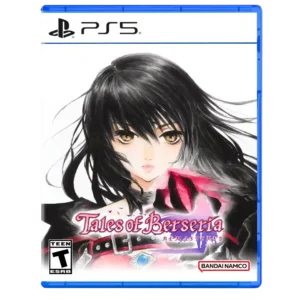
Overall: 3.7/5
Some reviewers think the game teaches its mechanics well, while others find the explanations confusing or insufficient for the combat’s complexity.
Pros: narrative quality, combat system
Cons: remake/remaster quality, value for money
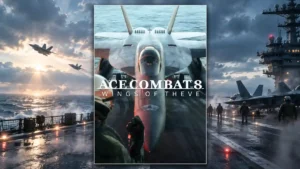
Overall: 3.8/5
Training generally helps newcomers learn the controls, though at least one account found even the lowest-difficulty tutorial unexpectedly punishing.
Pros: narrative quality, fun factor
Cons: dialogue quality, difficulty balance
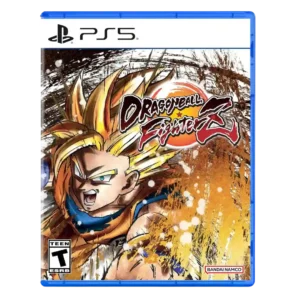
Overall: 4.0/5
Tutorial quality is sharply mixed, with some reviews praising comprehensive or intuitive training and others calling tutorials under-explained or repetitive.
Pros: combat system, accessibility options
Cons: narrative quality, matchmaking quality
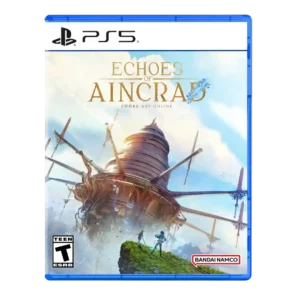
Overall: 3.7/5
Tutorial quality split between a weak explanation of partner systems and another review saying the tutorial did a good job with the basics.
Pros: combat system, companion AI
Cons: open-world design, movement feel
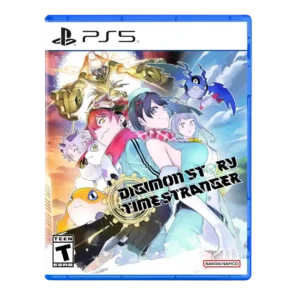
Overall: 3.9/5
Tutorial coverage was criticized by one reviewer for glossing over some early systems.
Pros: progression system, narrative quality
Cons: pacing, content variety

Overall: 4.2/5
Some parts need clearer explanations, even though the activities themselves are generally approachable.
Pros: minigame quality, art direction
Cons: gameplay mechanics, onboarding experience
Overall: 3.8/5
Help screens and puzzle guidance leave gaps that modern conveniences do not fully close. Clearer control documentation and more visible hints would make the learning process smoother.
Pros: remake/remaster quality, combat system
Cons: graphics quality, controls responsiveness
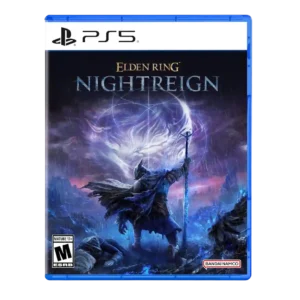
Overall: 3.4/5
Tutorial quality was criticized as brief and rudimentary for a complex multiplayer roguelike.
Pros: co-op experience, fun factor
Cons: difficulty balance, social features
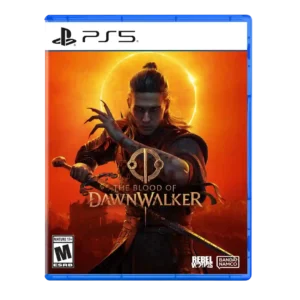
Overall: 4.0/5
The game can fail to explain basic mechanics clearly, including important weapon-switching controls. That makes early learning more frustrating than necessary.
Pros: combat system, fun factor
Cons: content variety, polish
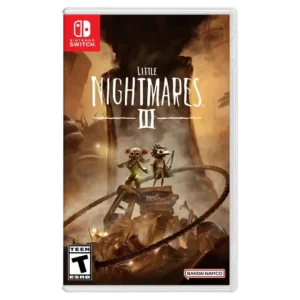
Overall: 2.8/5
Tutorial quality was criticized by reviewers who felt the game barely explained itself and left players lost early.
Pros: atmosphere, faithfulness to franchise
Cons: puzzle design, co-op experience
Overall: 4.2/5
The tutorial draws sharp criticism from one reviewer, who finds it poor despite the ability to revisit help information later.
Pros: performance optimization, frame rate stability
Cons: controller ergonomics, platform-specific feature support