Best for shopkeeping system
Ninja Gaiden: Ragebound
4.5 attribute score
Highest scored product for this attribute based on supporting review evidence.

Highest scored product for this attribute based on supporting review evidence.
Balances the attribute score, supporting reviews, and overall product strength.
Has the broadest review evidence for this attribute.
Strongest overall product among items with scored evidence for this attribute.
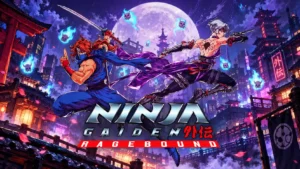
Muramasa's shop gives collectibles a useful purpose and helps players tailor their tools. Favorable assessments find the purchases engaging and practical.
Pros: overall quality, difficulty balance
Cons: frame rate stability, performance optimization

Modular shops and restaurants gain useful depth from functional seating and shelf layouts. Their customization affects what visitors can buy and how much dining space is available.
Pros: construction tools, overall quality
Cons: user interface design, bug frequency
The merchant makes treasure and cash rewarding through a broad weapon selection and expensive but meaningful upgrades.
Pros: frame rate stability, overall quality
Cons: visual effects quality, humor

Selling relics remains distinctive and often extremely satisfying, especially with perks, pricing feedback, and furniture bonuses. Some players find it less engaging or less deep than the expanded dungeon side.
Pros: core gameplay loop, difficulty balance
Cons: narrative quality, load times

Restaurant management is the strongest system for many players, with staffing, stock, prices, layout, and hands-on service providing meaningful decisions. Others find it shallow or undermined by unreliable staff and...
Pros: overall quality, shopkeeping system
Cons: performance optimization, pacing
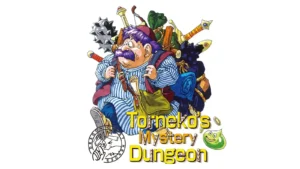
Selling recovered loot and expanding Torneko's shop is usually a satisfying meta-goal, though one reviewer found the upgrades offered too little direct gameplay benefit.
Pros: graphics quality, core gameplay loop
Cons: difficulty balance, remake/remaster quality

Running the restaurant ties together menus, attractions, customers, and expansion in an appealing framework. Its strategic demands remain divisive, with some praising a substantial sim and others finding too few...
Pros: overall quality, faithfulness to franchise
Cons: pacing, narrative quality
Upgradeable merchants and blacksmiths give rescued villagers a useful role in keeping favorite equipment competitive, but the limited shop roster and occasionally obsolete stock disappoint.
Pros: open-world design, graphics quality
Cons: narrative quality, endgame content
Zora’s shop gives supplies and upgrades a useful place in the survival loop. Stock restrictions and failures to restock before important fights can be especially frustrating.
Pros: faithfulness to franchise, narrative quality
Cons: combat system, boss design

The between-layer shop’s buffs can feel redundant beside normal level-up rewards. Restricted purchasing makes the feature seem less useful than intended.
Pros: art direction, gameplay mechanics
Cons: overall quality, combat system

The shop is useful, but one reviewer disliked having to buy large numbers of trinket slots one at a time.
Pros: difficulty balance, boss design
Cons: innovation, sandbox freedom