#1
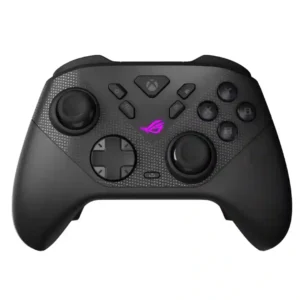
Competitive play is the controller’s clearest use case. Fast micro-switches, trigger stops, rear controls and low-latency connectivity repeatedly earn praise for shooters and other reaction-heavy games.
Pros: face button travel, trigger responsiveness
Cons: Start and Select button design, button label visibility
#2
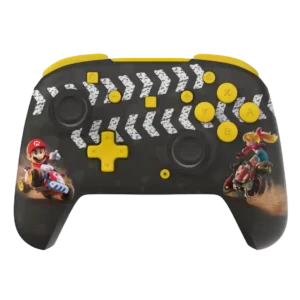
Low-latency wired play, rear buttons, and trigger stops make the Advanced/Core variants credible entry-level competitive options.
Pros: analog stick precision, analog stick smoothness
Cons: Switch wake support, Amiibo/NFC support
#3
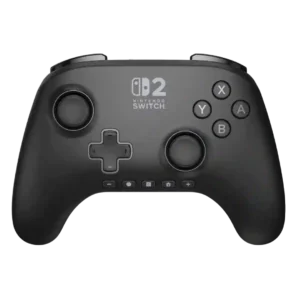
Custom bindings and rear inputs give the controller a more performance-oriented setup that one reviewer felt could support competitive play.
Pros: wireless latency, input lag
Cons: trigger smoothness, analog trigger precision
#4
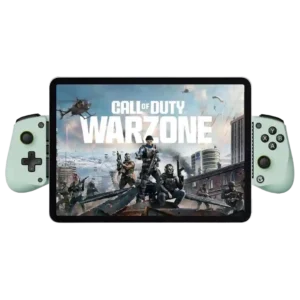
Reviewers discuss competitive gaming suitability as part of the X5 Lite’s budget mobile-controller tradeoff. Comments are practical and tied to phone gaming, device fit, or the limits of the Lite...
Pros: trigger smoothness, connection reliability
Cons: firmware update support, analog trigger precision
#5
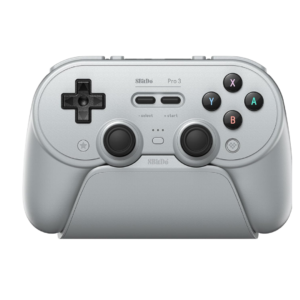
Trigger stops, precise sticks, and extra buttons provide useful competitive tools. The 250Hz polling ceiling, slippery caps, and occasional latency concerns keep it below dedicated esports controllers.
Pros: Hall effect stick performance, analog stick smoothness
Cons: cloud gaming compatibility, audio jack quality
#6
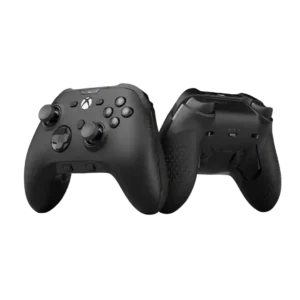
Competitive gaming suitability was mixed-positive: many saw it as a serious pro controller, but comfort, price, software, and FPS issues limited confidence for some.
Pros: grip texture, analog stick smoothness
Cons: compatibility with Nintendo Switch, platformer control precision
#7
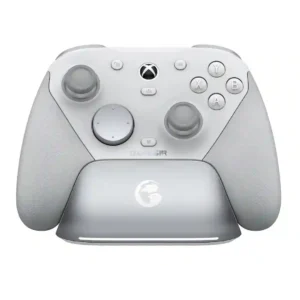
Fast TMR aiming, short trigger pulls, extra buttons, and high polling rates make the G7 Pro attractive for competitive play. The appeal is tempered by mixed D-pad feedback and disagreement...
Pros: ease of setup, mobile compatibility
Cons: compatibility with PlayStation, button label visibility