#1
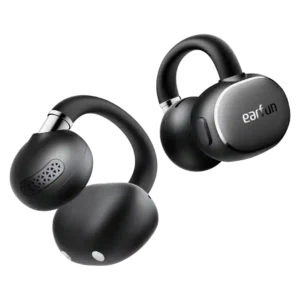
The physical buttons are one of the most praised design choices, registering reliably with sweaty hands and avoiding accidental touch inputs. Actions are customizable in the app.
Pros: Overall satisfaction, Sound quality
Cons: Maximum volume clarity, Noise isolation (passive)
#2

Separated physical buttons make volume changes and track skipping easy even mid-run, with sweaty hands or gloves. Their reliable tactile feel is consistently preferred to finicky touch controls.
Pros: Charging, Stability
Cons: Bass performance, Sound quality
#3
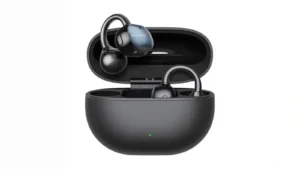
Physical buttons are overwhelmingly preferred to touch controls because they give clear tactile feedback and avoid accidental commands while adjusting the fit. Minor complaints include small, flush buttons and one...
Pros: Overall satisfaction, Sound quality
Cons: Spatial audio
#4
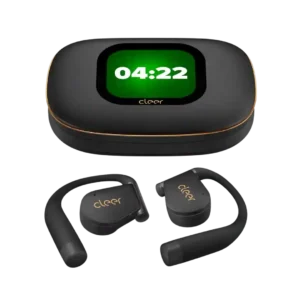
Physical buttons complement the touch controls and give users flexible ways to manage playback and calls. Most found them useful, though one reviewer needed time to learn the case and...
Pros: Overall satisfaction, Carry case quality
#5

Pressure-sensitive controls cut accidental taps and are a notable improvement over the old touch system. Finding the small buttons can still be fiddly, particularly with gloves.
Pros: Weight comfort, Sound quality
Cons: Noise isolation (passive), Wireless charging
#6
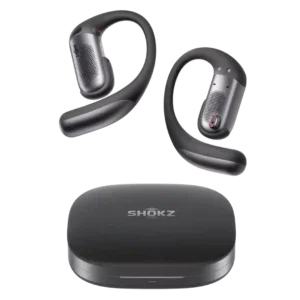
Physical buttons are more dependable than touch controls with sweat, gloves, or movement and are easy to find once learned. The small size and multi-click combinations can feel fiddly.
Pros: Sound quality, Comfort during long use
Cons: Value for money, Volume output
#7
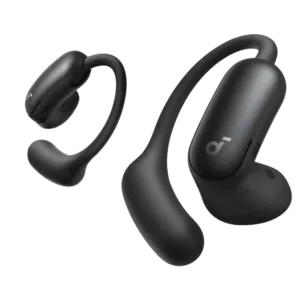
Physical buttons are generally preferred to touch controls because they are deliberate, responsive, and easy to customize. Downsides include extra pressure in ANC position and a few customer reports of...
Pros: Overall satisfaction, Sound quality
Cons: Active noise cancellation, Carry case quality
#8
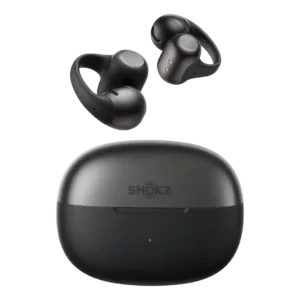
Controls improved over the first generation and can be customized heavily, but they remain one of the more divisive parts of the product. Pinch controls tend to fare better than...
Pros: Overall satisfaction, Sound quality
Cons: Value for money, Noise isolation (passive)
#9
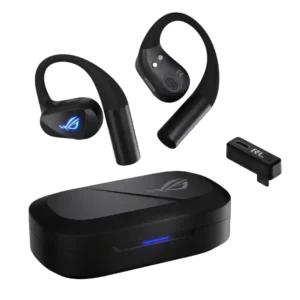
Physical buttons are easy to find and tactile, but the default multi-press scheme is contentious. Four presses for volume and three presses for mute or assistant functions feel unnecessarily cumbersome...
Pros: Overall satisfaction, Sound quality
Cons: Value for money, Bass performance
#10
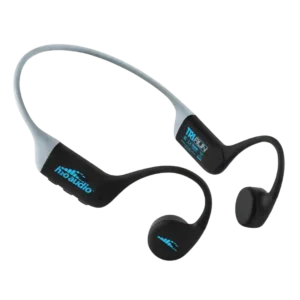
Physical buttons are widely preferred for workouts and are often easy to reach without breaking stride. Experiences were not uniform: some volume controls felt finicky or sticky, and one wearer...
Pros: Comfort during long use, Stability
Cons: Sound quality, Overall satisfaction
#11
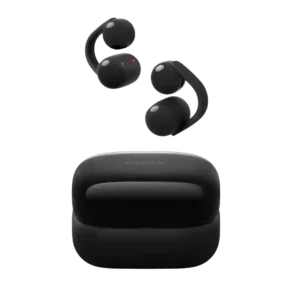
Control usability is limited by restricted customization and repeated tapping, even when the controls themselves work.
Pros: Battery, Stability
Cons: Value for money, Charging
