
Fielder and Oppenheim make bold structural choices while maintaining attention on their subjects and the limits of documentary truth. Their unusual collaboration is widely celebrated as an ambitious leap for...
Pros: originality, humor

Fielder and Oppenheim make bold structural choices while maintaining attention on their subjects and the limits of documentary truth. Their unusual collaboration is widely celebrated as an ambitious leap for...
Pros: originality, humor
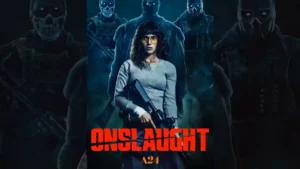
Adam Wingard’s direction earns strong marks for confident staging, kinetic energy, and a polished command of action-horror imagery.
Pros: lead performance, entertainment value
Cons: action sequences, ending satisfaction
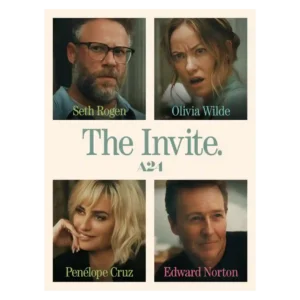
Olivia Wilde’s control of performance, space, and comic escalation is frequently called her strongest directing work. A few early choices feel fussy or overemphatic, but the overall staging is confident...
Pros: humor, screenplay quality
Cons: score quality, runtime
Kane Parsons is widely praised for remarkably assured control of mood, spatial tension, and visual horror in his feature debut. Criticism centers on later over-explanation and a few overreaching narrative...
Pros: acting performance, scares
Cons: ending satisfaction, plot clarity
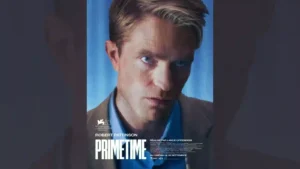
Lance Oppenheim’s aggressive, documentary-informed approach gives the film a distinctive fever-dream energy. The same intensity can feel overworked or superficial when the story needs more space to examine its ideas.
Pros: lead performance, visual style
Cons: theme depth, story quality
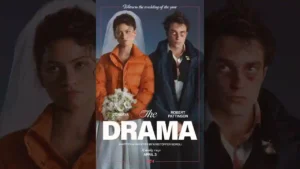
Borgli’s direction is often praised for precision, discomfort, visual control, and escalating anxiety. The strongest criticism is that the filmmaking can become self-conscious or more interested in provocation than insight.
Pros: humor, theme depth
Cons: character development, screenplay quality
John Patton Ford draws praise for visual control and some set-pieces, yet several critics fault his tonal decisions and handling of the remake.
Pros: lead performance, humor
Cons: entertainment value, originality
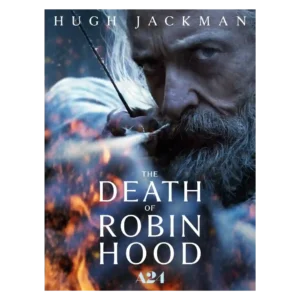
Michael Sarnoski’s direction is bold, visually controlled, and committed to deconstructing the legend. Reactions split over whether that restraint creates profundity or an overly severe, underpowered drama.
Pros: visual style, cinematography
Cons: story quality, pacing