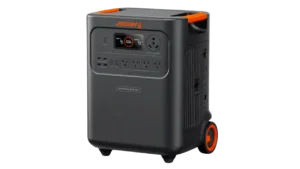
Reviewers repeatedly praised the LiFePO4 battery for safety, thermal stability, long cycle life, and suitability for long-term backup use.
Pros: output stability, voltage regulation
Cons: DC output, 12-volt outlet

Reviewers repeatedly praised the LiFePO4 battery for safety, thermal stability, long cycle life, and suitability for long-term backup use.
Pros: output stability, voltage regulation
Cons: DC output, 12-volt outlet
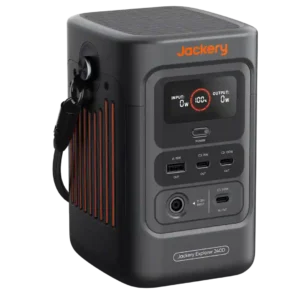
The 240D's LiFePO4 cells are widely praised for safety and long service life. This chemistry is one of its strongest upgrades over older Explorer 240 versions.
Pros: power output, rated output
Cons: AC outlet count, repairability
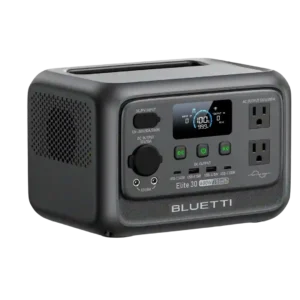
The LiFePO4 pack is widely valued for safety, stability, and long service life. It is a strong fit for a station that may remain connected as a UPS.
Pros: rated output, output stability
Cons: over-voltage protection, cold-weather performance
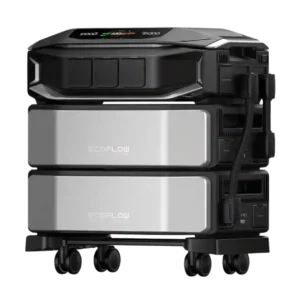
The LFP battery packs are viewed as a strong foundation for a home backup system because reviewers associate them with long life, lower heat, and improved safety.
Pros: output stability, voltage regulation
Cons: solar cable compatibility, UPS functionality
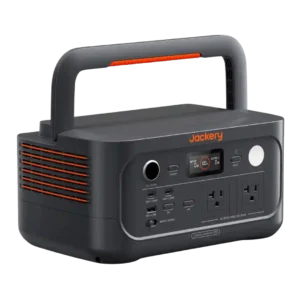
The move to LiFePO4 is one of the most praised upgrades, improving expected service life and making the v2 much more compelling than older chemistry.
Pros: output stability, pure sine wave output
Cons: remaining runtime estimate, Bluetooth connectivity
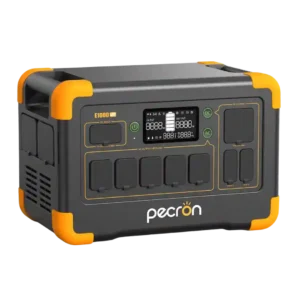
LiFePO4 chemistry adds to the value proposition, especially at the sub-$400 pricing highlighted by one owner.
Pros: inverter quality, LiFePO4 battery
Cons: idle noise, built-in light
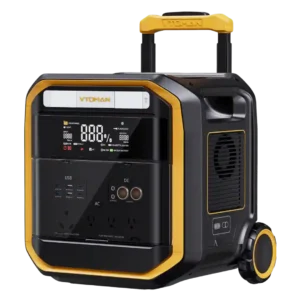
The LFP battery is viewed as a major advantage for safety, thermal stability, and long service life. Its chemistry suits a unit intended for repeated backup and off-grid use.
Pros: power output, surge capacity
Cons: specification accuracy, peak output
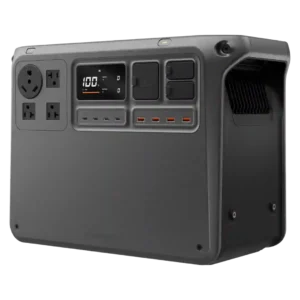
The LFP battery was specifically valued for lasting far longer than older lithium-ion power-station cells.
Pros: rated output, peak output
Cons: startup reliability, full-load noise