#1
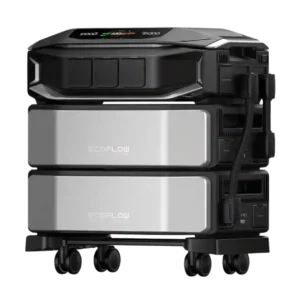
The surrounding ecosystem adds meaningful flexibility, including Smart Home Panel integration, generator charging hardware, expansion cables, and other ways to build the system around a home.
Pros: output stability, voltage regulation
Cons: solar cable compatibility, UPS functionality
#2
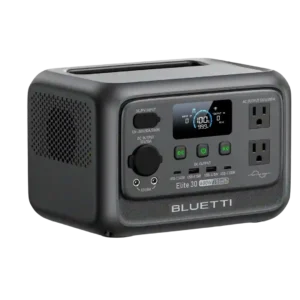
The optional Charger 1 alternator charger meaningfully expands the system, replenishing the station far faster than a cigarette-lighter connection. It is a strong add-on for road trips and vehicle-based use.
Pros: rated output, output stability
Cons: over-voltage protection, cold-weather performance
#3

Pecron's optional direct-battery and expansion accessories add unusual flexibility, including ways to move substantial DC power to other equipment.
Pros: inverter quality, LiFePO4 battery
Cons: idle noise, built-in light
#4

The accessory ecosystem is broad enough to support expansion batteries, transfer hardware, and solar additions as the backup system grows.
Pros: output stability, voltage regulation
Cons: DC output, 12-volt outlet
#5

Existing Jackery owners benefit from compatible cables and charging accessories. New buyers may need to add a high-power wall charger, car cable, or solar adapter.
Pros: power output, rated output
Cons: AC outlet count, repairability
#6

The broader Jackery ecosystem, warranty support, and brand reputation add appeal for buyers who already value the brand’s accessories and support.
Pros: output stability, pure sine wave output
Cons: remaining runtime estimate, Bluetooth connectivity
#7
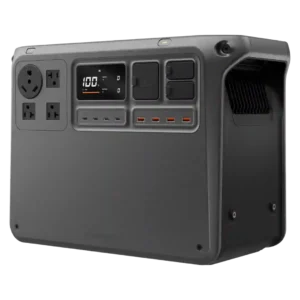
DJI offers broad drone, car, solar, and expansion options, but proprietary connectors, extra cost, and recurring stock shortages reduce convenience.
Pros: rated output, peak output
Cons: startup reliability, full-load noise
