Best for character development
DTF St. Louis
5.0 attribute score
Highest scored product for this attribute based on supporting review evidence.

Highest scored product for this attribute based on supporting review evidence.
Balances the attribute score, supporting reviews, and overall product strength.
Has the broadest review evidence for this attribute.
Strongest overall product among items with scored evidence for this attribute.

Overall: 4.3/5
The strongest praise centers on how Clark, Floyd, and Carol gain layers as new perspectives expose their loneliness, contradictions, and hidden needs. Reviews often describe the shift from pity or...
Pros: main cast performance, humor
Cons: genre satisfaction, episode pacing

Overall: 4.6/5
The final season pays off years of growth, especially Deborah and Ava moving from combative codependence toward a more mature partnership. Supporting characters also get meaningful progress without losing their...
Pros: humor, finale satisfaction
Cons: realism, season pacing

Overall: 4.7/5
Months of offscreen growth show in more confident trainees, strained loyalties, and Robby’s unresolved burnout. Some viewers feel the season changes Mohan or Whitaker too abruptly or shortchanges others.
Pros: character development, acting performance
Cons: character consistency, dialogue quality
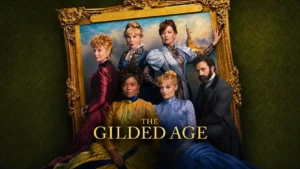
Overall: 4.3/5
Agnes’s insecurity, Ada’s independence and Peggy’s ambitions gain rewarding depth. Marian’s new emotional territory pleases some critics, while others still find the characterization thin or repetitive.
Pros: entertainment value, character development
Cons: romance quality, ensemble balance

Overall: 3.8/5
The strongest arcs deepen Greg, Katie, Sunny and the wider ensemble beyond their initial comic types. Several reviewers praise the way later episodes let wounded, messy characters grow without losing...
Pros: entertainment value, humor
Cons: story quality, modern political framing
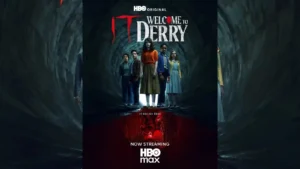
Overall: 3.6/5
Many critics connect with the layered fears, grief, and friendships, although some reviews find portions of the ensemble underwritten.
Pros: genre satisfaction, acting quality
Cons: writing quality, CGI quality

Overall: 4.3/5
Characterization draws sharply divided reactions: several critics find the ensemble complex, grounded, and well shaded, while others call the leads thin or underdeveloped. The lawyers tend to receive stronger marks...
Pros: acting quality, entertainment value
Cons: finale satisfaction, realism

Overall: 3.6/5
The Hal-John character study and John’s upbringing often add real depth, but several relationships and motivations are criticized as underdeveloped or rushed.
Pros: character development, cast chemistry
Cons: faithfulness to source material, story quality

Overall: 4.0/5
Isabelle’s transformation is often praised as believable, magnetic, and morally complex, but the supporting cast draws much weaker reactions. Several critics say other characters lack dimension or that some developments...
Pros: visual style, character development
Cons: faithfulness to source material, season pacing

Overall: 4.6/5
The mother-son relationship grows in satisfying ways, but Ruari’s personal arc is also criticized as rushed and at times too simply resolved.
Pros: theme depth, humor
Cons: character consistency

Overall: 4.0/5
The best interviews reveal enough contradiction to inspire both contempt and empathy, and the law-enforcement figures gain unexpected moral complexity. One critic, however, argues that the series never develops truly...
Pros: theme depth, story quality
Cons: season length, franchise connection

Overall: 3.6/5
Niall’s layered self-loathing and moral compromise are widely admired, but large time jumps and repetitive adult behavior make some later changes feel abrupt or insufficiently developed.
Pros: theme depth, emotional impact
Cons: audience appeal, writing quality
Overall: 4.5/5
The short format limits how deeply some relationships and supporting arcs can grow. Dunk and Egg still develop meaningfully, but several secondary characters feel shortchanged.
Pros: story quality, entertainment value
Cons: violence level, editing quality