#1
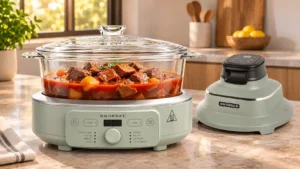
Overall: 3.9/5
Chicken skin, steak bites, tater tots and other foods developed appealing crusts in successful tests. The MaxCrisp setting is particularly good for potatoes, though some foods need turning.
Pros: cooking versatility, materials quality
Cons: Temperature adjustment precision, ease of use
#2
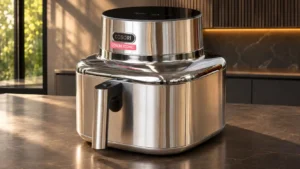
Overall: 4.3/5
Frozen fries and breaded foods generally develop excellent crunch, though a few pieces can remain soft or overbrown.
Pros: appearance, ease of cleaning
Cons: Finish resistance to smudges, value for money
#3
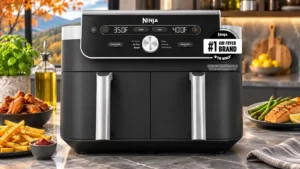
Overall: 3.9/5
Fries, nuggets and other small frozen foods develop a good crisp exterior with fairly even color. Fatty meats and fresh vegetables can be less consistent.
Pros: overall satisfaction, ease of cleaning
Cons: footprint size, basket design
#4
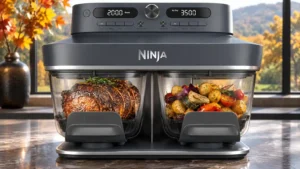
Overall: 3.6/5
Chicken wings, pierogies, and some frozen snacks develop excellent crunch, especially with Max Crisp or adjusted cook times. Thick or wet foods and crowded fries can remain unevenly crisp.
Pros: Dual-zone cooking synchronization, Storage convenience
Cons: footprint size, value for money
#5
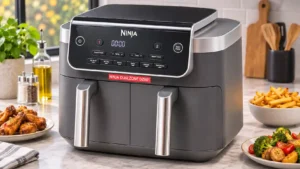
Overall: 3.3/5
Frozen fries and nuggets develop a satisfying crunch quickly. Homemade fries and some larger pieces are less consistent, especially beside higher-performing models.
Pros: Dual-zone cooking synchronization, Match Cook settings copying
Cons: basket capacity, footprint size
#6
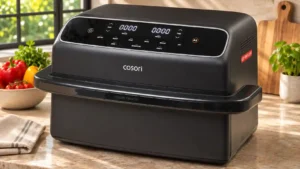
Overall: 3.5/5
Crispness depends heavily on food placement: some batches come out attractive, while wings and larger fry loads remain soggy.
Pros: basket design, basket capacity
Cons: footprint size, ease of cleaning
#7
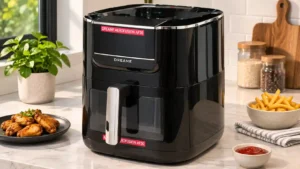
Overall: 3.6/5
Fries crisp nicely, but chicken wings frequently develop crisp skin on only one side. Uniform all-around crisping is not a strength.
Pros: overall satisfaction
