#1

Overall: 3.9/5
This is the central strength: air frying, slow cooking, steaming, braising, rice cooking and other programs share one glass pot. The flexibility is especially useful when replacing separate kitchen machines.
Pros: cooking versatility, materials quality
Cons: Temperature adjustment precision, ease of use
#2
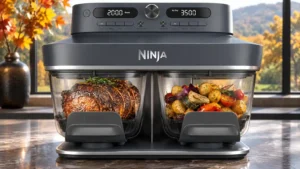
Overall: 3.6/5
Six cooking modes and independently adjustable zones create genuine flexibility for different foods. The ability to bake, roast, dehydrate, or crisp separate items is a major strength, although the settings...
Pros: Dual-zone cooking synchronization, Storage convenience
Cons: footprint size, value for money
#3
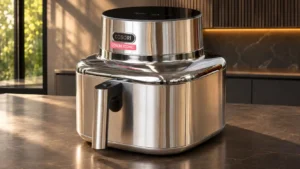
Overall: 4.3/5
Six modes and variable airflow make the fryer useful for roasting, baking, drying, proofing and reheating as well as frying.
Pros: appearance, ease of cleaning
Cons: Finish resistance to smudges, value for money
#4
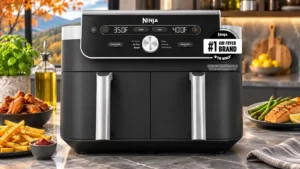
Overall: 3.9/5
With air frying, roasting, broiling, baking, reheating and dehydrating, the fryer covers much more than snacks. Low and high temperature settings help it handle contrasting techniques.
Pros: overall satisfaction, ease of cleaning
Cons: footprint size, basket design
#5

Overall: 3.5/5
Air Fry, Roast, Bake, Broil, Reheat, and Dry expand its usefulness beyond basic frying, especially with the convertible cooking area.
Pros: basket design, basket capacity
Cons: footprint size, ease of cleaning
#6
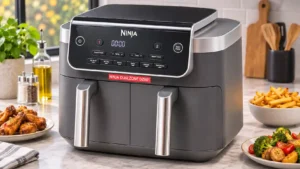
Overall: 3.3/5
Separate baskets support air frying, broiling, roasting, baking, reheating and dehydrating. The flexibility is a strength, although inconsistent mode labeling and narrower fan controls temper it.
Pros: Dual-zone cooking synchronization, Match Cook settings copying
Cons: basket capacity, footprint size
#7

Overall: 3.6/5
Six cooking methods and less-common menu options offer variety, but the 400°F maximum, fixed fan speed and missing probe limit control over recipes.
Pros: overall satisfaction
