Best for battle mode quality
Tales of Berseria Remastered
5.0 feature score
Highest scored product for this feature based on supporting review evidence.

Highest scored product for this feature based on supporting review evidence.
Balances feature score, supporting reviews, and overall product strength.
Has the broadest review evidence for this feature.
Strongest overall product among items with scored evidence for this feature.
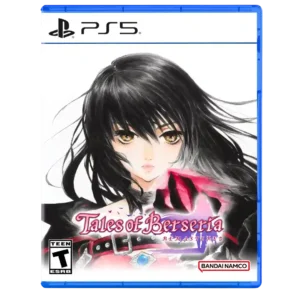
Reviewers who clicked with the battle system found fights fast, satisfying, and highly engaging, with especially strong moment-to-moment action.
Pros: crafting system, content variety
Cons: monetization fairness, endgame content
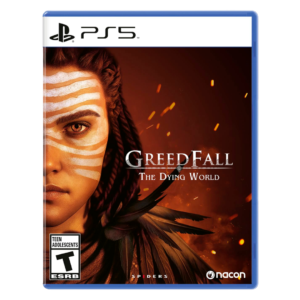
The different combat profiles make tactical complexity adjustable, letting players decide how much direct party management they want.
Pros: mission design, sandbox freedom
Cons: movement feel, aiming precision

Competitive Dojo minigames are a standout side activity, with fast rounds and varied objectives that work especially well with a friend.
Pros: monetization fairness, handheld play suitability
Cons: economy and resource balance, enemy variety
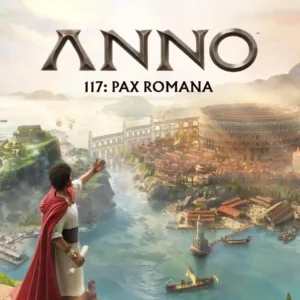
Naval battles earn especially strong praise, while land battles are simpler; together they add welcome strategic tension without overtaking city-building.
Pros: skill tree depth, upgrade system
Cons: matchmaking quality, server reliability
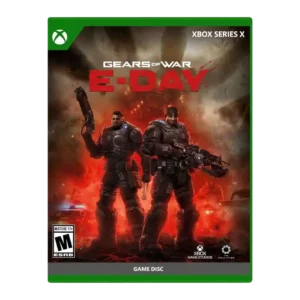
Horde Siege and large-scale PvE are among the most positively received mode additions.
Pros: emotional impact, art direction
Cons: value for money, platform-specific feature support
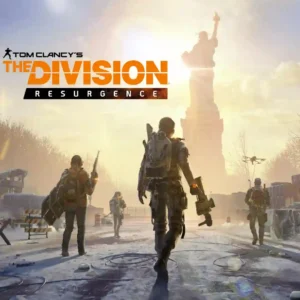
The Dark Zone remains a tense, high-risk highlight, while PvP and extraction activities add worthwhile competitive variety.
Pros: exploration quality, sandbox freedom
Cons: mission variety, companion AI
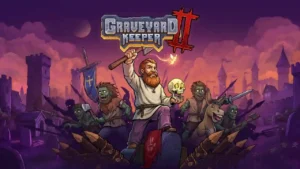
Large zombie-versus-zombie clashes and town-defense battles add welcome scale beyond routine management. The mode is considered a worthwhile expansion even if combat is not the game’s deepest system.
Pros: exploration quality, sandbox freedom
Cons: companion AI, protagonist appeal

Double battles add a welcome extra tactical layer, even though they appear far less often than the standard one-on-one format.
Pros: boss design, side character depth
Cons: monetization fairness, originality
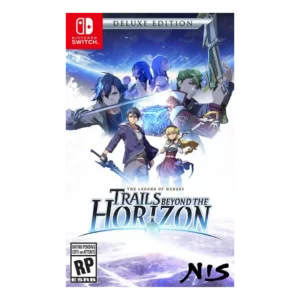
Battle mode quality was highly praised overall for improved field and command battle options, despite one reviewer still preferring command battles.
Pros: facial animations, polish
Cons: grind level, stealth mechanics
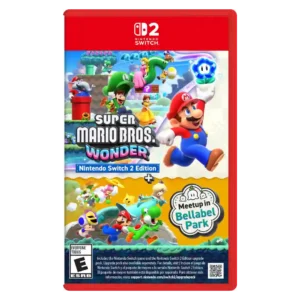
The more combat-focused attractions land well when they lean into Wonder’s movement and power-ups, especially bubble-gun fights and the battle-royale-style mode. They work best as energetic group diversions rather than...
Pros: controls responsiveness, voice acting
Cons: matchmaking quality, user interface design
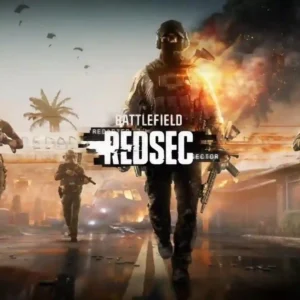
Gauntlet is the standout mode across much of the coverage, often described as more exciting and more distinctly Battlefield than the standard battle royale. The BR itself ranges from merely...
Pros: controls responsiveness, sandbox freedom
Cons: frame rate stability, user interface design
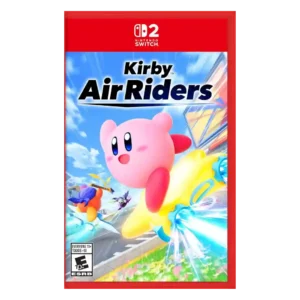
City Trial was often called the highlight and a strong party mode, but reviewers also noted imbalance, chaos, or unrewarding solo play.
Pros: flying mechanics, exploration quality
Cons: AI behavior, boss design
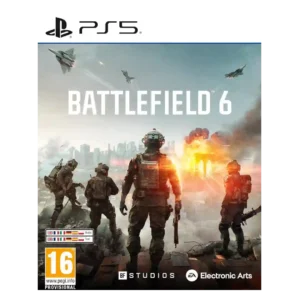
battle modes were generally praised, especially Escalation, though some modes were divisive.
Pros: haptic feedback integration, performance optimization
Cons: pacing, microtransaction impact
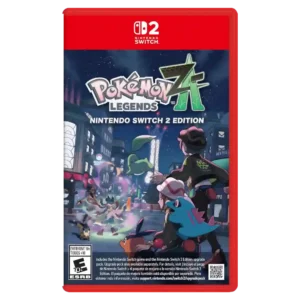
Battle mode quality was positive in multiplayer and Royale evidence, especially when matches or nightly Battle Zones stayed engaging.
Pros: crash stability, gameplay mechanics
Cons: AI behavior, monetization fairness
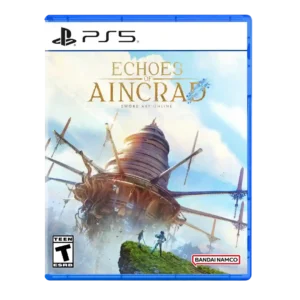
Death Game or permadeath mode was seen as cool and franchise-authentic, but access limitations reduced enthusiasm.
Pros: environmental detail, art direction
Cons: world interactivity, loot system
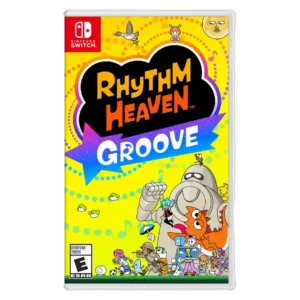
Beatspell draws curiosity and some strong engagement, but impressions are mixed because several reviewers found it less cohesive, less visually stimulating, or too constrained compared with the core games.
Pros: couch co-op quality, accessibility options
Cons: platform-specific feature support, performance optimization
The postgame Pit of Agonies adds an escalating arena challenge with difficulty modifiers and performance-based rewards, giving completionists another structured mode to tackle.
Pros: accessibility options, checkpoint system
Cons: economy and resource balance, AI behavior
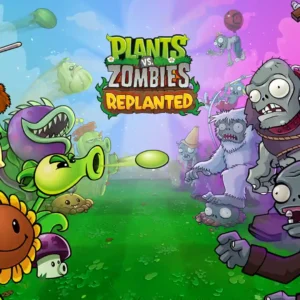
Versus mode is entertaining when it works, especially as a local plants-versus-zombies contest. Balance complaints and serious PC launch bugs keep it from matching the appeal of the core campaign.
Pros: age appropriateness, family friendliness
Cons: competitive balance, level design
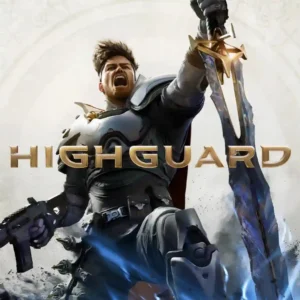
Raid mode is the defining attraction, especially during tense sieges, but 3v3 often feels too sparse; several preferred the livelier 5v5 variant.
Pros: controls responsiveness, level design
Cons: world interactivity, dialogue quality

Mojo's arena challenges split opinion: some enjoy them as short, silly pace-breakers, while many find the faux-multiplayer modes repetitive, undercooked, or obvious filler.
Pros: lore depth, originality
Cons: AI behavior, character development
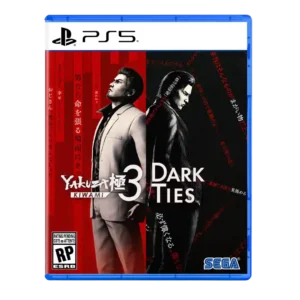
The large side modes are sharply divisive: Baddies battles and Survival Hell can be addictive, yet repetition and mandatory progression often wear out their welcome.
Pros: controls responsiveness, movement feel
Cons: casting choices, grind level
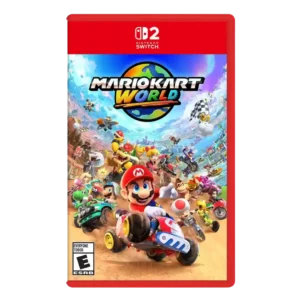
Battle Mode evidence is mixed but leans weak: several reviewers called it unspectacular, anaemic, regressive, or ugly, while one praised it as a series favorite.
Pros: animation quality, sound design
Cons: difficulty balance, AI behavior
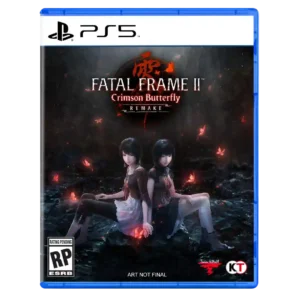
Higher battle settings can balloon enemy health enough to make encounters feel excessive rather than meaningfully tougher.
Pros: writing quality, checkpoint system
Cons: bug frequency, HUD clarity