
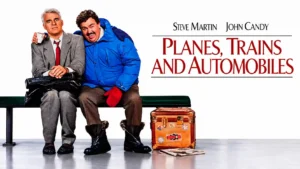
Planes, Trains & Automobiles Feature Scores
Overall Scorata score: 4.6/5
Based on 43 analyzed reviews · View source samples
Explore all 56 feature scores for Planes, Trains & Automobiles, organized into pros and cons.
Scores by Feature
Summary
56 reviewed features-
Very positive 4.5-5.032 (57%)
-
Positive 3.5-4.413 (23%)
-
Neutral 2.5-3.47 (13%)
-
Negative 1.5-2.44 (7%)
Pros
Sort
-
The unlikely friendship gives the film a surprisingly powerful emotional finish. Del’s hidden loneliness turns a lively farce into something genuinely affecting.
-
The contrasting personalities of the anxious executive and cheerful salesman create superb comic chemistry. Their rapport also makes the relationship believable as it deepens.
-
Rapid-fire travel disasters, quotable exchanges, and mounting frustrations make this a consistently funny comedy. A few critics find some gags broad or repetitive.
-
Two incompatible strangers become a remarkably moving pair through hardship, resentment, and growing empathy. Their bond is the comedy’s emotional center.
-
Outrageous slapstick is balanced with sincere sadness and compassion, often to exceptional effect. Some find the sentimental turns heavy-handed, but most welcome the mix.
-
The final reconciliation is frequently singled out as a beautiful payoff to the chaotic trip. A minority find its sentiment too neat, while most say it brings the film together.
-
Its memorable scenes and emotional layers keep attracting annual revisits. Some find that repeated viewings reveal new details about Del’s private sadness.
-
Neal learns to see beyond his own irritation while Del gradually reveals the person underneath his cheerfulness. Their growth makes the ending feel earned.
-
Reactions, verbal outbursts, and perfectly placed cuts make familiar travel mishaps especially funny. The most famous exchanges remain reliably quotable.
-
Neal’s shift from harsh judgment to understanding is the heart of the story. The final gesture of welcome makes his transformation tangible.
-
Del’s constant chatter gradually reveals a painful loneliness, while Neal’s isolation is more subtle. That contrast gives the comedy unexpected depth.
-
Kindness, shared vulnerability, and looking beyond appearances give the film an enduring purpose. Its generous message matters at least as much as the jokes.
-
The motel scene, rental-car tirade, and highway calamity are enduring comic set pieces. Its emotional ending gives them a lasting place in viewers’ memories.
-
The editions featuring rediscovered deleted and extended scenes are especially appealing to fans. The tributes and behind-the-scenes pieces add value despite imperfect archival picture quality.
-
Steve Martin and John Candy are repeatedly described as ideally matched to their roles. Their instinctive contrast lifts an otherwise familiar odd-couple setup.
-
The theatrical cut is admired for timing gags and shaping the final revelation. New deleted footage highlights how much the tighter editing helps the story.
-
Del grows more endearing as his vulnerability emerges, even when his habits are intolerable. One viewer is particularly repelled by his careless bathroom behavior.
-
The leads’ restrained reactions and moments of hurt are as effective as their louder comedy. Even negative assessments of the writing tend to recognize the performances.
-
Exaggerated gestures, mishaps, and visual punchlines create many of the biggest laughs. Some sight gags are crude, but their comic impact is generally strong.
-
John Hughes’s script earns strong praise for the character dynamic, memorable lines, and underlying empathy. A few critics find the adult dialogue less sharp and the basic setup thin.
-
The chaotic journey is widely considered a hugely enjoyable watch. Even more reserved reactions find the central duo pleasant company.
-
Neal’s realization that he has hurt Del changes the course of their relationship. Small gestures of concern eventually replace his dismissive behavior.
-
Decades after its release, the film still feels distinctive and influential. Even viewers without personal nostalgia respond to its humor and warmth.
-
The deceptively simple journey gains substance through its mismatched travelers and their gradual connection. Some critics think the repeated detours expose a thin central premise.
-
The story finds warmth beneath masculine embarrassment and social distance. It treats the two men’s need for companionship as both funny and deeply human.
-
Missed flights, broken transport, and helpless customer-service encounters turn relatable travel headaches into outrageous comedy. Their escalating absurdity is a large part of the appeal.
-
The compact theatrical cut sharpens the evolving companionship and lands its ending effectively. A few dissenting viewers think the sequence of setbacks loses momentum.
-
The roughly 90-minute film is considered just the right length by viewers who prefer a compact comedy. Its brevity helps avoid overstaying the welcome.
-
Brief appearances by familiar faces liven up the journey without distracting from the leads. The rental-car interaction is especially memorable.
-
Spoken lines remain clear and well balanced in the home-video mixes, even when the surrounding travel noise becomes busy.
-
Hughes’s direction is credited with slick staging and an especially strong connection to the performers. The execution is generally more admired than some critics’ assessment of the script.
-
Tight comic transitions and an efficient running time keep the film lively for many. Others think the accumulating travel failures become tiresome in the second half.
-
The emotional material usually makes the jokes more meaningful without overwhelming them. Some critics are less convinced by the softer ending and find it mawkish.
-
Keeping most of the attention on the two mismatched leads is a strength. Their push-and-pull dynamic is entertaining enough without a larger ensemble.
-
The poignant material proves stronger on revisiting than the broad comedic premise might suggest. Its dramatic foundation gives the film staying power.
-
The SteelBook edition looks sharp and gives an existing disc a more collectible presentation. It is primarily an aesthetic upgrade.
-
The office opening captures the irritation of being trapped in a pointless meeting while trying to catch a flight. It makes the opening disaster especially relatable.
-
Del’s bereavement reframes his need for connection and adds a bittersweet note. The baggage he carries also becomes an affecting image of unresolved loss.
-
The clash between an affluent executive and a lower-status salesman adds an undercurrent about social privilege. Their unlikely friendship eventually cuts across it.
-
The quick appearances from clerks, drivers, and other travelers contribute memorable comic obstacles. They complement rather than crowd the leading duo.
-
Snowy scenery across middle America gives the film its wintry road-trip character. It adds atmosphere without competing with the performances.
-
Snow-covered highways and winter travel disruptions make the journey feel unmistakably seasonal. The weather also drives much of the comedy.
-
The surround mix delivers clear dialogue and effective travel ambience, although it can sound artificially processed. Sound is generally a smaller concern than the picture.
-
The film refreshes a familiar mismatched-traveler premise with memorable personalities. Its kinship with earlier road comedies is also apparent.
-
The music sometimes helps shift scenes toward genuine emotion, but a few cues can feel intrusive or misplaced. Its fit varies more than the performances.
Cons
Sort
-
The succession of failed travel arrangements eventually wears thin for some viewers. They feel the later setbacks revisit the same joke too often.
-
Older Blu-ray releases are criticized for softness and noise reduction. Rough-looking archival deleted scenes are a separate limitation of some newer packages.
-
Some newer packages separate the movie and extras onto different discs, making ownership less convenient. Existing Blu-ray collectors may want to keep their earlier copy.
-
Del’s disregard for Neal’s personal space, particularly in the motel bathroom, is a sticking point. The irresponsible behavior feels avoidable rather than merely unlucky.
-
The 4K image divides home-theater enthusiasts: it looks impressively improved to some, while others find persistent softness and overprocessing. This is not a universally recommended upgrade.
-
There are enduringly quotable exchanges and nimble comic conversations. A dissenting perspective finds the banter less authentic than in earlier Hughes movies.
-
The story is kind-hearted and approachable, but one extended barrage of profanity makes it much less suitable for small children.
-
The grounded frustration of travel feels recognizable even amid wild comic coincidences. A few viewers question specific travel-money details or the strained adult characterization.
-
Teens and adults can enjoy the jokes and the kindness underneath them. Younger children are a less comfortable fit for the language and innuendo.
-
One viewer struggles to reconcile how the travelers manage a train ride after running short of money. The unexplained detail slightly undercuts an otherwise easy-to-follow journey.
-
The clustered profanity in the rental-car scene divides opinion: some see it as a hilarious release of frustration, while others find it excessive. It remains a serious consideration for family viewing.
Use Cases
Best for
Sort
-
The journey home, lessons in generosity, and warm finish have made this a cherished Thanksgiving tradition. Several viewers revisit it every year.
-
A very strong pick for comedy fans who enjoy awkward encounters and escalating disasters. The laughs land best for viewers receptive to broad, character-driven humor.
-
An excellent showcase for John Candy’s vulnerability and Steve Martin’s disciplined frustration. The performances give the farce genuine humanity.
-
Its mixture of laughter and generosity makes it an especially reassuring movie to curl up with. The conclusion tends to leave viewers in a brighter mood.
-
The film has become a shared Thanksgiving tradition in some households. Families with younger children should know about a sustained burst of strong profanity and a few risqué jokes.
-
The comedy offers more than a series of mishaps: both men have distinctive, gradually revealed inner lives. Their reluctant friendship is rewarding to follow.
-
Although set at Thanksgiving, its snowy settings and warm ending also suit Christmas-season viewing. It makes for a festive late-year watch.
-
An ideal selection for viewers who enjoy buddy comedies built around escalating travel disasters. The reluctant friendship keeps the absurd journey engaging.
-
The humor and holiday spirit work even for viewers who do not celebrate Thanksgiving. Its emotional themes cross cultural boundaries.
-
Fans of the warm, funny John Hughes–John Candy collaboration should find a familiar emotional tone here. This story adds the dynamic of a mismatched travel partnership.
-
Adult viewers can appreciate the recognizable work and travel frustrations alongside the deeper friendship story. Watching with older teens can also be rewarding.
-
Older teens may enjoy the slapstick and the friendship message, provided they are ready for the film’s strong profanity and risqué humor.
Conditional or not ideal for
Sort
-
Language-sensitive viewingThe movie is a poor match for viewers who dislike strong swearing. One conspicuous rental-car outburst is the chief obstacle.
-
Home theater viewingThe 4K release divides home-theater enthusiasts: an improved image and worthwhile extras appeal to some, but softness and inconsistent processing deter others.
-
Children's viewingThe playful premise may look child-friendly, but some memorable scenes are unsuitable for young children. A substantial profanity-filled outburst is the key concern.
-
Holiday-travel viewingThe airport chaos and mounting delays may be too stressful immediately before a real trip. As a comedy about travel frustration, though, it is very recognizable.
-
Group viewingA warm shared watch for groups comfortable with adult humor, particularly families with teens. Not all of the jokes are suitable for younger guests.
Cast & Creators
-
ActorHis Del is cherished for combining shameless comic energy with believable hurt and loneliness. The performance turns an irritating companion into the film’s emotional center.
-
ActorHis tightly wound Neal provides the ideal straight-man counterweight to John Candy. The slow-building frustration, comic outbursts, and eventual empathy are repeatedly admired.
-
DirectorHis balance of outrageous comedy and unexpected tenderness receives enthusiastic praise. The film’s warmth is closely tied to his shaping of the central relationship.
-
ActorHis brief, eccentric supporting appearance supplies a memorable burst of comedy.
-
Car rental agentHer brief rental-car-agent appearance is a comic highlight, making the famous counter confrontation especially memorable.
-
SusanHer brief appearance receives notably affectionate praise, particularly for the homecoming scenes.
-
ComposerThe score brings some effective emotional cues, though certain passages are distracting or not quite appropriate to the scene.