
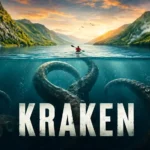
Kraken Feature Scores
Explore all 64 feature scores for Kraken, organized into pros and cons.
Scores by Feature
Summary
64 reviewed features-
Very positive 4.5-5.06 (9%)
-
Positive 3.5-4.421 (33%)
-
Neutral 2.5-3.422 (34%)
-
Negative 1.5-2.415 (23%)
Pros
Sort
-
Sweeping fjord vistas and ominous underwater photography are the film’s most consistent strengths. Several critics find the scenery more memorable than the human story.
-
The opening attack is widely admired for its shifting viewpoints and ominous underwater threat. Several critics wish the rest of the film maintained that level of craft.
-
The confined tentacle and parasite chases supply many of the strongest thrills. The finale divides critics between those who find it spectacular and those who see generic, underpowered action.
-
Imposing scale is one of the reveal’s biggest assets, with some shots judged comparable to Hollywood spectacle. Detractors feel the cramped, dark presentation prevents that size from fully registering.
-
Practical effects are among the more consistently appreciated monster elements. The parasites and physical creature details can feel more convincing than some digital shots.
-
The fjord and isolated fish-farm facility give the action an appealing setting. Details such as an underwater restaurant add personality to the familiar premise.
-
Favorable assessments find a satisfying blend of ecological horror and monster survival. The film can deliver its genre promise even without reinventing it.
-
Sara Khorami is often praised for a calm, warm presence that gives the film emotional weight. A dissenting assessment finds the protagonist notably unexpressive.
-
The full creature reveal and practical parasite work often impress, though close views and certain shots look less convincing. Overall effects judgments range from excellent to underwhelming.
-
Ominous creature imagery and claustrophobic underwater views create a distinctive mood. The strongest atmospheric moments suggest something immense lurking beneath the landscape.
-
The landscapes, natural lighting, and overall polish can make this look more expensive than a modest creature feature. Production craft often earns more admiration than the story.
-
Øie receives credit for patient visual setup and confined-space attacks. Criticism centers on uneven pacing, weak dramatic engagement, and difficulty combining earnest conservation drama with monster silliness.
-
The opening’s Spielberg-style suspense earns praise, and the film repeatedly recalls aquatic-horror classics. Critics disagree over whether these homages show genre craft or excessive dependence on earlier films.
-
The fish-farming and corporate-profit storyline gives the monster premise a timely concern. Its environmental trigger feels connected to contemporary anxieties.
-
Emotional impact varies with attachment to the characters. Khorami’s work and the conclusion move some critics, while another viewer struggles to connect with anyone.
-
Some viewers find the creature encounters frightening and unsettling. Others feel the film never produces enough anxiety to justify its buildup.
-
Brandtzæg’s American accent during the investor negotiations is singled out as especially convincing. It adds an effective detail to his salesman persona.
-
The treatment of kraken lore earns strong praise for understanding the creature’s specific folkloric qualities. It presents more than a generic giant monster.
-
Grounding nature’s revenge in human carelessness gives the danger meaningful consequences. One enthusiastic assessment finds the horror stronger because the retaliation feels earned.
-
The science and folklore are praised as unusually well integrated for a monster blockbuster. That grounding adds interest before the creature is fully exposed.
-
The brief black-and-white opening suits the film’s sense of an old legend resurfacing. Its archival look is judged an appropriate introduction.
-
Using English between the Norwegian and Japanese characters is appreciated as a believable common-language detail. It fits naturally into the otherwise Norwegian dialogue.
-
The creature retains an effective sense of mystery even as the attacks become more direct. Its unknowability helps preserve the horror.
-
Tentacle attacks carry sexual associations, but one critic appreciates that intentional titillation does not displace the horror. The emphasis remains on threat rather than erotic spectacle.
-
Silence is used effectively before sudden violent encounters. Those pauses give the confined horror moments extra force.
-
Johanne and Erik have some chemistry in one assessment, even though their clichéd relationship is poorly developed. That spark is not enough to compensate for the writing.
-
The environmental inquiry provides a moderately engaging procedural thread during the buildup. Its patient investigation offers some interest before the full creature arrives.
Cons
Sort
-
The human ensemble often struggles to hold attention before the creature arrives. Several viewers find it difficult to care who survives.
-
Most critics find the people too thinly developed to sustain such a long buildup. A smaller group feels the broad characterization is enough to make the eventual danger matter.
-
Familiar aquatic-horror plots and recycled monster-movie beats dominate the criticism. A few viewers find fresh energy in the parasites or the treatment of tentacle attacks.
-
The corporate owner rarely becomes a compelling antagonist. Depending on the critic, he is too bland, too agreeable, too predictable, or too heavily performed.
-
Several less enthusiastic critics find the film easy to forget. Familiar storytelling and an undistinguished monster concept limit its staying power.
-
The screenplay establishes a clear environmental trigger, but thin characters, abandoned subplots, and routine genre beats draw frequent complaints. One more favorable reading praises the opening groundwork.
-
The reunion with an old flame divides opinion. Some find the history convincing, but several critics see an underwritten romance that consumes time without meaningful payoff.
-
Repeated ecological warnings can make the conservation message feel like a lecture. The same point is pressed harder than these critics think the story needs.
-
The fish-farm investigation gives the monster an ecological cause, but reactions range from grounded storytelling to a thin, overengineered setup. Dropped threads and familiar plot mechanics repeatedly limit its impact.
-
The reported use of generative AI is criticized as detracting from the film’s stronger elements. A limited budget softens that objection only slightly for the critic.
-
One viewer finds the ten-dollar rental poor value. That complaint concerns the paid viewing experience rather than a universal purchase price.
-
A lengthy investigation precedes the major monster action, producing sharply divided reactions. Patient admirers see an earned reveal, while detractors struggle with a dull first hour and an uneven rush to the finish.
-
Some welcome the balance between grisly aftermath and implied attacks. Others feel cutting away from kills denies the creature feature its promised violent payoff.
-
The English dub prompts sharply conflicting reactions. One viewer finds it intolerably flat and presentation-like, while another pair considers it better than expected.
-
The Kraken remains largely concealed until late in the film. That restraint makes the reveal powerful for some viewers, while many others feel the title creature is crowded out by human business.
-
Suspense-oriented editing sometimes makes events harder to follow. The intended tension gives way to confusion.
-
Arbitrary incidents and unexplained creature behavior make the story feel incoherent to one critic. The result is less satisfying than a straightforward monster plot should be.
-
Abrupt bursts of music and sudden cutoffs distract one viewing team. The soundtrack choices sometimes feel disconnected from the action.
-
One assessment criticizes the muddy gray imagery used around the CGI. The murk weakens the creature spectacle rather than enhancing it.
-
Character decisions and contrived connections sometimes strain credibility. More favorable assessments praise the brutally physical attacks and convincingly handled relationships.
-
Dialogue is rarely a standout. One critic specifically finds the ecological message forced into conversation.
-
Some viewers appreciate the film’s sustained earnestness. Others find its serious ecological drama uncomfortable alongside the inherently goofy giant-squid premise.
-
The ending can deliver a moving or unexpectedly bold conclusion, but abandoned threads, an awkward thematic speech, and familiar sequel bait frustrate other critics.
-
The final act gives many viewers enough monster fun to justify a watch. Others find the slow setup and bland human material too much for that late payoff to redeem.
-
Large-scale creature images tend to fare better than fine details, animated fish, or some close shots. Reactions also differ sharply over whether darkness usefully supports the illusion or merely conceals weak CGI.
-
The blend of conservation drama and monster spectacle divides opinion. One critic finds the competing impulses awkward, while another admires how the finale brings its influences together.
-
The earnest approach works for viewers who want grounded monster horror. Others feel the film takes an inherently absurd squid rampage too seriously.
-
The fusion of marine science and Scandinavian legend attracts some of the warmest responses. Other viewers wish the film explored more of the kraken myth instead of settling for a familiar creature feature.
-
Bright landscape images and crisp natural light earn praise. Dark, close-framed action later in the film can reduce the visual impact of the creature.
-
Most survival outcomes feel predictable to one critic, while another viewing team is genuinely surprised by the ending. The conclusion is more divisive than a simple formulaic setup might suggest.
-
One reading finds meaningful narrative depth in explaining why nature retaliates. Another sees an ecological idea that needs more development to match the film’s ambitions.
-
The enormous Kraken and its parasites inspire both admiration and disappointment. Some viewers love the grotesque designs; others find the central creature generic or oddly conceived.
-
The relatively compact length is welcomed by some viewers, even when the setup is slow. Others feel the film drags well beyond what its thin story can sustain.
-
Fish farming and corporate greed give the monster rampage a topical ecological motive. Some critics welcome that substance; others find the message repetitive, stern, or insufficiently developed.
-
The cast is often credited with sincere, restrained work that suits the scientific investigation. Less enthusiastic viewers find the performances ordinary or stiff.
-
Supporting performances provide occasional confidence, personality, and convincing detail. Thin roles and uneven expressiveness prevent the ensemble from winning uniform praise.
-
The opening and cramped tentacle encounters can generate real anxiety. Whether that tension survives the extended setup and predictable outcomes is a major point of disagreement.
Use Cases
Best for
Sort
-
The large creature reveal and expansive scenery reward a big screen. One especially admired image is described as fit for IMAX.
-
Patient horror viewers are better positioned to enjoy the gradual investigation and delayed reveal. The strongest endorsements describe the finale as a payoff earned by attentive buildup.
-
Folklore enthusiasts may appreciate the blend of ancient legend and modern marine science. Some critics find the myth vividly realized, while another sees less folkloric substance than in Netflix’s Troll films.
-
This is better suited to attentive viewing that engages with the marine investigation and patient setup. Immersion helps the eventual monster reveal carry more weight.
-
A theatrical viewing is strongly recommended for the size of the monster and its destruction. The spectacle is the main reason to seek a cinema screen.
-
Horror fans receive a conditional recommendation overall. Effective late scares and creature peril compete with a slow investigation, limited character attachment, and familiar deductions.
-
It offers an adequate early-summer monster diversion, particularly when the final act embraces its sillier side. Familiar influences keep it from becoming a standout.
Conditional or not ideal for
Sort
-
Gore-focused viewingViewers seeking explicit monster kills may find the frequent cutaways frustrating. Mutilated aftermath is shown more readily than the attacks’ gory payoff.
-
Background viewingDistracted second-screen viewing is specifically discouraged. The slow accumulation of visual clues and routine details needs sustained attention.
-
Creature-action viewingCreature-feature fans have the clearest reason to try it: giant tentacles, grotesque parasites, and a concentrated late burst of survival action. Anyone expecting sustained monster mayhem should be prepared for a long wait.
Cast & Creators
-
JohanneKhorami is repeatedly praised for calm control, warmth, and emotional weight. Her presence often compensates for a protagonist whose writing offers little depth.
-
CinematographerAarthun’s photography earns strong praise for making the fjord and mountain ranges visually impressive. His landscape images are a clear highlight even for less enthusiastic critics.
-
DirectorØie’s patient visual setup and confined monster encounters win admirers, especially when the finale pays off. Other critics find his pacing uneven and his handling of drama and spectacle less assured.
-
JosteinBrandtzæg brings suggestive nuance, nervous ambition, and a convincing salesman exterior to the owner. His American accent receives particular praise.
-
ErikSilset brings solid confidence and a sober, contained approach to Erik. His restraint suits the scientific inquiry and emerging danger.
-
GeorgMyre is praised for doing a lot with a small role. His contribution gives the supporting ensemble a welcome lift.
-
WriterRasmussen shares credit for an opening that lays useful groundwork for the characters and setting. The writing team keeps the investigation connected to the monster premise.
-
WriterArthur shares praise for the writing team’s economical opening setup. The opening provides enough character groundwork to keep the investigation engaging in that assessment.
-
WriterEide shares praise for an opening that efficiently establishes the story and setting. Another critic finds the screenplay mechanical and overly reliant on familiar tropes.
-
MariaEvensen receives a negative assessment for an irritating teenage character whose early promise gives way to helplessness. The performance does little to overcome that limited role in this account.