
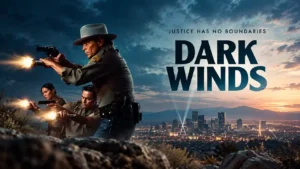
Dark Winds, Season 4 Feature Scores
Overall Scorata score: 4.4/5
Based on 17 analyzed reviews · View source samples
Explore all 61 feature scores for Dark Winds, Season 4, organized into pros and cons.
Scores by Feature
Summary
61 reviewed features-
Very positive 4.5-5.037 (61%)
-
Positive 3.5-4.411 (18%)
-
Neutral 2.5-3.49 (15%)
-
Negative 1.5-2.44 (7%)
Pros
Sort
-
McClarnon remains commanding, Gordon receives particularly strong praise for Chee’s emotional range, and Matten keeps the ensemble grounded.
-
The familiar investigators remain appealing thanks to their emotional contradictions, while Irene adds a memorably unpredictable presence.
-
Chee’s buried trauma, Leaphorn’s uncertainty about retirement, and Manuelito’s changing role offer richly developed arcs; one dissenting assessment says those threads go nowhere.
-
The acting is the season’s most dependable strength, with particular admiration for subtle grief, emotional vulnerability, and menace.
-
Regret, reconciliation, and the investigators’ strained relationships give the crime story poignancy, with the closing ceremony especially affecting.
-
Desert landscapes, spectral imagery, and stylized night scenes give the season a distinctive Western-noir look.
-
For admirers of Western noir and character-led mysteries, the blend of pulp action, folklore, and emotional conflict remains distinctive.
-
Chee’s intrusive childhood visions deepen his emotional journey, while Leaphorn’s accumulated grief makes the quieter scenes unusually affecting.
-
Leaphorn’s confrontations with Irene are electrifying, but Chee and Bernadette’s shift into an established couple divides opinion.
-
Most find the season gripping and emotionally rewarding, although a strongly negative response regards it as the series’ weakest outing.
-
Navajo practices, spiritual traditions, and the history of Native displacement are woven into the drama, although one critic wants considerably more Diné language and worldview.
-
The shootouts and chases earn praise for their clarity, impact, and escalation, especially the violent diner set piece.
-
A moody blend of desert isolation, 1970s Los Angeles, eerie music, and ghostly imagery sustains the noir mood.
-
Carefully framed wide shots and red-lit night scenes make both intimate discussions and violent aftermaths visually memorable.
-
Reviewers single out carefully staged conversations, striking visual symbolism, and assured action direction, including McClarnon’s directorial debut.
-
Guest stars and supporting players add texture without usually eclipsing the central trio, though Emma’s reduced presence is regretted.
-
The expanded roster adds charismatic threats and fresh supporting roles, with praise for the casting choices.
-
The Native-led Western noir formula and its supernatural flourishes feel fresh even four seasons into the series.
-
Irene Vaggan is praised by many as a chilling, unpredictable antagonist; other viewers find her exaggerated, murkily motivated, or unconvincing.
-
The assassin’s pursuit creates dread and urgency, although some find the missing-girl plot insufficiently tense.
-
The move to Los Angeles permits a look at Indigenous displacement and community, but reviewers disagree about how fully the season preserves its cultural roots.
-
Justice, cultural belonging, guilt, and intimacy reinforce the detective plot, including a disturbing critique of romanticized Indigenous stereotypes.
-
Fresh faces such as Isabel DeRoy-Olson and the recurring guest performers give the broader story convincing emotional weight.
-
Enthusiasm for the cast and returning couple makes the series feel deserving of greater attention and a bigger audience.
-
The ending and its fresh mystery leave viewers eager for the already-announced next season.
-
Marriage, grief, mentorship, and professional rivalry create genuine stakes beyond the crimes; not everyone thinks those arcs resolve convincingly.
-
Sudden turns delight several critics, while one finds a major reveal predictable and another thinks the reversals lack cohesion.
-
A missing-teen investigation supports compelling personal drama and a larger criminal plot, though several critics find the conspiracy thin or unfocused.
-
Leaphorn’s improvisation and Manuelito’s growing leadership role give the central investigators meaningful choices and initiative.
-
Chee and Bernadette’s established romance creates welcome workplace friction, though its spark feels stronger to some viewers than others.
-
The strongest writing connects personal histories to police work and Indigenous themes; the weakest passages strain to justify the sprawling crime plot.
-
The historical context of assimilation and relocation comes across through characters and relationships rather than detached lectures.
-
Music ranges from creepy crime-scene cues to well-chosen period songs, often heightening the decade-specific atmosphere.
-
The established trio is considered an excellent match for the characters, with major new roles mostly strengthening the show.
-
The last-minute development sharply renews anticipation for the following season, even as it leaves an important thread unresolved.
-
Flared trousers, period shirts, and other wardrobe details help the Los Angeles setting feel vibrant and lived-in.
-
The cars, clothes, interiors, and music evoke 1970s America, particularly during the Los Angeles sequences.
-
The diner attack establishes a threatening new case with an immediately gripping opening, although the quieter setup takes a little time to ignite.
-
Bars, motels, city facades, and understated sets make the expanded 1970s world feel convincing instead of staged.
-
The fourth season builds on continuing relationships and earlier consequences while opening up new settings and conflicts.
-
The Los Angeles expansion broadens the setting and explores displaced Native communities, but the organized-crime side of the city feels underwritten to some.
-
The climax brings emotional scenes and a highly charged confrontation, but one critic argues that little has meaningfully changed.
-
Recasting the book’s hired killer as Irene lets Potente create a memorable, formidable new antagonist.
-
Gordo’s responsibilities amid his wife’s dementia form a touching subplot that one critic welcomes as a meaningful addition.
-
Weekly episodes are judged satisfying enough to reward the wait between installments.
-
Uneasy, trembling musical textures mirror the characters’ turmoil and strengthen the nightmarish atmosphere.
-
The season preserves its gritty, retro-Western identity, though one assessment says its middle chapters turn into momentum-draining filler.
-
Previous relationship decisions carry forward, though a critical view argues that some characters regress instead of growing.
Cons
Sort
-
The main case is sometimes easy to lose amid shifting conspiracy details, though it remains involving for many.
-
The finale supplies powerful emotional moments but leaves relationships and a new investigation unresolved, frustrating viewers seeking closure.
-
Emma’s long absence is felt, especially given how much the season depends on her influence on Leaphorn.
-
A Hillerman reader finds the season notably short on Diné cosmology, language, and the spiritual texture of the novels.
-
Leaphorn’s attempts to change after earlier mistakes add complexity, but repeated retirement uncertainty can be tiresome.
-
The move to eight episodes provides room for character drama but attracts criticism for stretching the mystery.
-
The runaway investigation keeps many viewers invested, but the criminal conspiracy and delayed revelations leave others unsatisfied.
-
The better-balanced episodes interweave the central investigation with private regrets rather than interrupting the case for disconnected tangents.
-
The adaptation takes substantial liberties with Hillerman’s books, frustrating devotees who miss their quiet tone and cultural detail.
-
Irene’s ambiguous European accent strikes one critic as slightly hokey even though the performer makes the character arresting.
-
The chapters mix propulsive cliffhangers with slow-burning middle episodes; their steadiness depends on tolerance for deliberate storytelling.
-
The extended, eight-episode case alternates between intense stretches and slower Los Angeles material; responses range from exhilarating to badly meandering.
-
Moving the investigation to Los Angeles creates fresh possibilities and a new atmosphere, while some find the trip distracting or underused.
Use Cases
Best for
Sort
-
Continuing personal histories and returning characters reward series followers, despite disagreement about whether this is a high point or a misstep.
-
Vintage cars, dusty reservation vistas, and noir-inflected law enforcement preserve the old-school Western spirit despite the city detour.
-
The chases, danger, and increasingly intense cat-and-mouse confrontations suit viewers seeking a suspense-driven Western thriller.
-
The clues and investigations are engaging for many, but convoluted plotting and an obvious twist may frustrate puzzle-first viewers.
-
Eerie visions, unsettling audio, and near-horror stretches make this unusually rewarding for crime fans who enjoy frightening flourishes.
-
The relocation-era material gives viewers an approachable entry into historical pressures on Indigenous communities.
-
The season’s case and clear central conflict can draw in first-time viewers, though existing character history adds emotional context.
-
Despite the deliberate tempo, the suspense and developments within each episode can make weekly watching worthwhile.
Conditional or not ideal for
-
Bibliophile viewingDevoted Hillerman readers may be disappointed by how far the story, cultural texture, and character histories drift from the books.
Cast & Creators
-
Joe LeaphornLeaphorn’s grief, stubbornness, and moral authority come through in an understated performance widely seen as the heart of the season; his episode direction also attracts praise.
-
Irene VagganPotente makes Irene frightening, obsessive, and unpredictable, delivering memorable action and tense encounters with Leaphorn.
-
Jim CheeGordon receives especially enthusiastic praise for revealing Chee’s buried trauma and emotional range, in what several reviewers regard as a breakout season.
-
Bernadette ManuelitoMatten keeps Bernadette believable as her relationship and ambitions change, providing strong chemistry and a steadying presence in the core cast.
-
Billie TsosieHer steely, emotionally centered portrayal gives the missing-teen storyline more substance than a simple plot device.
-
GordoHale makes Gordo immediately memorable with intense, scene-stealing moments.
-
ActorHis energetic, chaotic contribution keeps the action unpredictable.
-
DirectorHis early-season direction draws praise for poised, beautifully framed character scenes.
-
DirectorHer season-finale direction is singled out as a high point for the character interactions and resolution.
-
GordoHis portrayal of Gordo remains welcome, with one critic wishing the character had more time.
-
Dominic McNairHis shift into a different kind of crime role is a welcome addition to the cast.