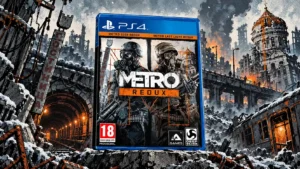
Compare Metro Redux vs Grand Theft Auto VI

Metro Redux

Metro Redux

Overall score 4.1 / 5

Based on 44 scored reviews

vs
Grand Theft Auto VI

Grand Theft Auto VI

Overall score 4.5 / 5

Based on 45 scored reviews

How we score

Scorata scores summarize analyzed review evidence on a 1–5 scale; they are not laboratory measurements or a simple average of customer star ratings. Feature scores summarize the reviews covering that feature. The overall score averages feature scores within each review, then combines review averages. When both expert and customer evidence are available, those two groups receive equal weight. Products can have different review coverage, so small score gaps do not establish a winner.

Recommendations prioritize important features for the category, with a score of at least 3.5, a gap of at least 0.25 points and at least two supporting reviews per product. Features with widely varying scores or broad connectivity contexts are excluded from recommendations. These safeguards do not establish statistical significance.

Quick verdict

What each product is best for

The review evidence points to a tradeoff: movement feel and world-building versus checkpoint system and polish. Choose according to which strengths matter more to you; the overall score alone does not settle that choice.

Choose Metro Redux for movement feel and world-building.

Choose Grand Theft Auto VI for checkpoint system and polish.

Why these recommendations?

Metro Redux

Where It Has the Edge

  • movement feel is 4.7 vs 3.6. The remaster feels smoother than the original, and deliberate, weighty movement can strengthen the physical connection to Artyom....
  • world-building is 4.9 vs 4.5. Bustling communities, political factions, makeshift economies, and everyday conversations make the underground feel lived in. World-building is among...
  • solo play quality is 5.0 vs 4.7. The story-led campaigns offer a refreshing, substantial solo alternative to multiplayer-focused shooters. Several accounts place them among the...

Grand Theft Auto VI

Where It Has the Edge

  • checkpoint system is 4.1 vs 2.2. Quick restarts and forgiving checkpoints keep dangerous missions moving without excessive repetition.
  • polish is 4.6 vs 3.4. The vast majority of the game feels unusually complete and carefully built, with isolated glitches and technical flaws...
  • art direction is 4.6 vs 3.9. Strong visual artistry works alongside advanced rendering to give the cities and natural landscapes personality rather than relying...
Metro Redux 4.1 overall score
Grand Theft Auto VI 4.5 overall score

Compare features

Scores are out of 5. Missing scores mean missing review evidence, not a missing feature.

Scored on both products

Other features

Romance quality
Metro Redux
2.0

One detailed assessment finds the romance contrived. It is a specific weakness within an otherwise admired narrative.

Grand Theft Auto VI
4.5

Jason and Lucia’s relationship is a central strength, making everyday moments and dangerous missions emotionally connected. Some want more tension or agency in its portrayal.

Checkpoint system
Metro Redux
2.2

Sparse or questionable checkpoints can amplify early difficulty and lengthy sections. They are particularly frustrating when combined with unpredictable enemies or depleted filters.

Grand Theft Auto VI
4.1

Quick restarts and forgiving checkpoints keep dangerous missions moving without excessive repetition.

Side character depth
Metro Redux
2.9

Residents and new personalities can enrich the narrative, but not every character connects. Complaints focus on interchangeable supporting figures and a child who neither looks nor behaves convincingly.

Grand Theft Auto VI
4.6

Colorful supporting characters and minor encounters populate the world, with some performers and side stories standing out even beyond the central plot.

Sandbox freedom
Metro Redux
2.9

Larger Last Light encounters provide some freedom of approach, but both campaigns remain tightly scripted. Waiting behind invisible boundaries and following predetermined routes can feel restrictive.

Grand Theft Auto VI
4.5

Players can approach Leonida as a crime playground or a slower roleplaying space, with substantial freedom to invent their own activities.

Learning curve
Metro Redux
3.0

Learning through trial and error appeals to players who welcome limited hand-holding. Unexplained interactions can instead turn that learning process into needless frustration.

Grand Theft Auto VI
4.5

Some systems take practice, but they generally become rewarding once the player learns the controls.

Load times
Metro Redux
3.2

Switch’s initial level loads are the most repeated technical complaint and can exceed a minute. Fast reloads after death soften that drawback, while merged Redux levels reduce interruptions on other platforms.

Grand Theft Auto VI
4.7

The near absence of loading interruptions makes the state feel seamless, including when moving between characters and areas.

Polish
Metro Redux
3.4

The overhaul improves rough edges without completely hiding the games’ age. Character movement, lip sync, and occasional technical quirks keep the package from feeling uniformly polished.

Grand Theft Auto VI
4.6

The vast majority of the game feels unusually complete and carefully built, with isolated glitches and technical flaws standing out against that standard.

Frame rate stability
Metro Redux
4.7

PS4 and Xbox One commonly earn praise for smooth 60fps play; Switch usually holds a consistent 30fps. Rare hitches and firefight dips are reported but generally have limited impact.

Grand Theft Auto VI
3.6

The 30 fps experience is generally well paced, with some dips in especially crowded or chaotic situations and more compromises on weaker hardware.

AI behavior
Metro Redux
3.3

More consistent detection is a major improvement over the original 2033. Reactions remain divisive: some find opponents believable and tactical, while many report oblivious guards, predictable rushing, or poor navigation.

Grand Theft Auto VI
4.4

Pedestrians, partners, and police frequently react convincingly to unusual situations, although their responses can still produce occasional friction.

Movement feel
Metro Redux
4.7

The remaster feels smoother than the original, and deliberate, weighty movement can strengthen the physical connection to Artyom. Higher console frame rates also reduce the old sluggishness.

Grand Theft Auto VI
3.6

Weighty character motion improves the sense of physical presence while sometimes making delicate maneuvers awkward.

Choice impact
Metro Redux
3.5

Subtle actions and mercy can affect endings in ways some find meaningful and refreshing. Others dislike the opaque requirements and feeling that the system pushes an unnecessary replay.

Grand Theft Auto VI
4.5

Relationship decisions and criminal conduct can influence how events unfold, adding stakes even when their precise consequences remain hidden.

Animation quality
Metro Redux
3.4

Detailed physical actions can make Artyom feel convincingly present. Character stiffness, mechanical movement, and slow NPC interactions remain noticeable to several accounts.

Grand Theft Auto VI
4.3

Natural hair, fabric, body movement, and contextual interactions create remarkable physical presence, although some technical breakdowns note animation-pacing artifacts.

HUD clarity
Metro Redux
3.7

Minimal overlays and Ranger’s HUD removal can deepen immersion. The same choice makes navigation, inventory selection, and some prompts less convenient, especially before the controls become familiar.

Grand Theft Auto VI
4.5

An updated on-screen display keeps criminal activity and wanted status easier to follow.

Art direction
Metro Redux
3.9

The gloomy art conveys devastation effectively, and Last Light often looks more striking. Some prefer the original’s stranger creature designs or find the repeated palette limiting.

Grand Theft Auto VI
4.6

Strong visual artistry works alongside advanced rendering to give the cities and natural landscapes personality rather than relying on technology alone.

Dialogue quality
Metro Redux
3.7

Overheard conversations make stations feel inhabited and often reward stopping to listen. Some English exchanges, compulsory dialogue, and the child’s lines feel awkward or dated.

Grand Theft Auto VI
4.3

Everyday chatter, playful exchanges, and character-specific banter give the leads and residents a natural sense of personality.

Content variety
Metro Redux
4.1

The blend of stealth, survival, action, weapons, and extra missions gives the package breadth. Repeated tunnel scenery, narrow arsenals, and less dramatic differences between modes are the main reservations.

Grand Theft Auto VI
4.6

Beyond the campaign are robberies, sports, races, fishing, shops, and countless local oddities. The breadth feels meaningful to most reviewers rather than merely padded.

Writing quality
Metro Redux
3.9

Literary roots and environmental storytelling give the writing unusual strength for a shooter. Implausible child dialogue, awkward diary logic, sexualized scenes, and forced romance draw more specific criticism.

Grand Theft Auto VI
4.4

A contemporary love story mixes with sharp social satire and characterful crime drama. A few critics find the writing or tonal transitions uneven.

Driving mechanics
Metro Redux
5.0

Last Light’s rail-car exploration stands out as a campaign highlight. Stopping at optional locations adds freedom and survival encounters to the journey.

Grand Theft Auto VI
4.6

Cars have convincing weight and varied handling, turning dense traffic into an engaging challenge. Motorcycles and demanding high-speed maneuvers draw occasional reservations.

Overall quality
Metro Redux
4.6

The collection is strongly recommended overall, especially for first-time players drawn to atmospheric shooters. Persistent AI flaws, uneven action, and limited Last Light changes prevent universal enthusiasm.

Grand Theft Auto VI
5.0

A remarkable number of critics rank it among Rockstar’s finest games, citing its technical ambition and deeply interactive world. Praise is overwhelming, though not every mechanic is spotless.

Pacing
Metro Redux
3.2

The alternation of danger and station life can feel expertly paced. Others find companion waiting, scripted downtime, long action stretches, or Last Light’s extended campaign disruptive.

Grand Theft Auto VI
3.6

A carefully staged rise from petty crime to major heists works for many players, although the opening and certain middle stretches can feel slow.

Graphics quality
Metro Redux
4.5

The rebuilt 2033 makes the largest visual leap, while Last Light remains attractive with smaller changes. Switch presentation draws strong praise overall, with dissent over soft textures, docked sharpness, and aging character assets.

Grand Theft Auto VI
4.8

Spectacular lighting, detailed models, convincing materials, and striking nighttime scenes make this a visual showcase. Resolution and clarity differ by console, particularly on Series S.

Solo play quality
Metro Redux
5.0

The story-led campaigns offer a refreshing, substantial solo alternative to multiplayer-focused shooters. Several accounts place them among the strongest single-player FPS experiences available on their platforms.

Grand Theft Auto VI
4.7

The story-driven solo experience has exceptional breadth and depth independent of any online component.

Combat system
Metro Redux
4.2

Human encounters and heavy, improvised weapons often make combat satisfying. Forced mutant waves, weak damage feedback, and crowded fights are the recurring exceptions.

Grand Theft Auto VI
4.5

Punchy firearms, cover mechanics, and dramatic slow motion create cinematic gunfights. A few close-range interactions remain less refined.

Visual effects quality
Metro Redux
4.4

Lighting and shadows give tunnels, ruined streets, and stealth encounters much of their impact. Missing original particles, reduced console effects, and chunky Switch flames qualify otherwise strong praise.

Grand Theft Auto VI
4.8

Explosions, water, reflections, and especially light transport deliver impressive spectacle. Small rendering artifacts occasionally surface under scrutiny.

Economy and resource balance
Metro Redux
3.8

Bullets that double as currency create a memorable choice between buying supplies and surviving a fight. Scarcity adds tension for many, but others find ammo or filters too limited, while easier settings can remove the pressure entirely.

Grand Theft Auto VI
3.5

Money, stolen goods, and personal assets deepen the sense of playing a criminal, though certain earnings gates interrupt progression.

Emotional impact
Metro Redux
4.2

Human resilience, loss, and glimpses of ordinary life create lasting emotional moments. A minority struggle to care about the characters or find some later developments manipulative.

Grand Theft Auto VI
4.5

The relationship gives emotional weight to the violence and desperation, leading to unexpectedly tender moments alongside the familiar satire.

Stealth mechanics
Metro Redux
4.4

The imported stealth system makes 2033 substantially more playable, with lighting, knives, and alternate routes supporting satisfying guard hunting. Opinions split on how much weak or overly forgiving AI undermines it.

Grand Theft Auto VI
4.7

Quiet robberies and nonlethal takedowns make subtle approaches viable rather than merely optional decorations.

Game length
Metro Redux
4.3

The two campaigns and DLC provide substantial playtime without requiring an enormous commitment. Most value the length, though one account finds Last Light overstays its welcome.

Grand Theft Auto VI
4.0

A lengthy campaign and extensive optional activities provide substantial time in Leonida; enjoyment depends on appetite for a slow, expansive game.

Progression system
Metro Redux
4.5

Weapon development adds depth to simple shooting and can turn weak starting equipment into useful tools. Progress comes through practical improvements to the arsenal.

Grand Theft Auto VI
4.8

Growing access to vehicles, higher-stakes robberies, and specialized abilities gives the campaign an enjoyable sense of escalation.

Tutorial quality
Metro Redux
2.3

2033 does not consistently explain mechanics added from Last Light, including burning webs and using the lighter for guidance. Missing instruction can leave players stuck or discovering useful functions unusually late.

Grand Theft Auto VI
2.5

Tutorial quality receives favorable attention as part of the game’s layered open-world experience.

Gameplay mechanics
Metro Redux
4.4

Mask upkeep, hand-charged lighting, and weapon adjustments give the shooting practical depth. Most enjoy the blend, although some find the handling clumsy or the survival demands intrusive.

Grand Theft Auto VI
4.2

Crime, driving, relationship management, and freeform exploration reinforce each other into a coherent, absorbing whole.

Narrative quality
Metro Redux
4.5

The mysterious Dark Ones, political conflict, and human survival make the stories compelling. Last Light often earns the stronger response, although some prefer 2033’s spiritual tone or criticize forced late plotting.

Grand Theft Auto VI
4.7

Jason and Lucia’s crime-and-romance story provides a more human anchor than earlier GTA installments, with well-staged heists and memorable characters. Some find its middle less focused.

Fun factor
Metro Redux
4.7

Most accounts enjoy both campaigns, from deliberate stealth to Spartan’s more direct action. The strongest enthusiasm comes from the combination of atmosphere and varied play.

Grand Theft Auto VI
4.5

The combination of heists, exploration, chases, and unscripted chaos remains absorbing long after the credits for enthusiastic players.

Immersion
Metro Redux
4.7

Masks, wristwatches, hand-charged lights, physical animations, and ordinary station life make the world tangible. Ranger’s reduced interface can intensify that connection while sacrificing convenience.

Grand Theft Auto VI
4.6

Ordinary routines, spontaneous incidents, and convincing reactions give Leonida the feel of a place that keeps living around you. Many reviewers happily lose hours simply inhabiting it.

Exploration quality
Metro Redux
4.4

Hidden passages, supplies, and small optional encounters reward looking beyond the main path. Exploration is especially appealing when the danger and discoveries reinforce each other.

Grand Theft Auto VI
4.6

Wandering off the marked route regularly reveals hidden events, interiors, mysteries, and small stories. Exploration is as rewarding as progressing the central plot.

Character development
Metro Redux
4.2

Logs and Last Light’s added background help develop Artyom’s personal journey. The sequel’s characters can be stronger, although female roles are criticized for limited development.

Grand Theft Auto VI
4.3

The protagonists become more relatable through background revelations, quiet routines, and changes in their relationship. Some supporting material is less fully developed.

Environmental detail
Metro Redux
4.6

Graffiti, scavenged structures, ruins, and small equipment details help sell the devastation. Richly observed environments remain a strength even when individual textures or character models show their age.

Grand Theft Auto VI
4.7

From carefully furnished interiors to traffic, weathering, and pedestrian details, the smallest touches make Leonida unusually convincing. Even distant corners appear painstakingly assembled.

Humor
Metro Redux
4.5

The survivors’ dry, flinty humor gives them humanity despite the grim setting. Small jokes suggest people finding reasons to keep going.

Grand Theft Auto VI
4.6

Absurd situations, bawdy jokes, and sharp satire supply classic GTA comedy alongside its more serious relationship story.

World interactivity
Metro Redux
4.5

Interactive lights let players reshape stealth encounters, while burning webs and reactive scenery make the world feel tangible. Small physical interactions do useful work beyond visual decoration.

Grand Theft Auto VI
4.6

Stores, vehicles, pedestrians, and criminal opportunities respond to player decisions in far more ways than typical open worlds. This breadth creates memorable unplanned encounters.

Aiming precision
Metro Redux
4.4

Responsive aiming and carefully tuned sticks help the shooting feel dependable. Switch motion aiming is especially admired, although one account finds fast mutant fights hard to track even up close.

Grand Theft Auto VI
4.5

Focus targeting and aiming tools can make combat more tactical, although handling requires familiarity.

Atmosphere
Metro Redux
4.8

Oppressive tunnels, ruined streets, and living communities create the package’s defining mood. Atmosphere draws unusually consistent praise, although brighter remastered lighting loses some original darkness for a few fans.

Grand Theft Auto VI
4.7

Music, lighting, weather, and everyday activity make both crowded Vice City and quieter regions richly atmospheric.

Originality
Metro Redux
4.7

The Russian underground, survival demands, and literary storytelling distinguish the collection from standard action shooters. Its slower, stranger identity is a major part of the appeal.

Grand Theft Auto VI
4.8

Familiar GTA foundations are expanded with unusually dynamic systems and more convincing everyday simulation.

Camera behavior
Metro Redux
2.5

One stealth-focused account dislikes the lack of a third-person camera. The light indicator helps but does not completely replace that preferred view.

Grand Theft Auto VI
2.5

The presentation can exhibit camera-related stutter in certain movements, even when the underlying visuals are spectacular.

Innovation
Metro Redux
4.5

Replacing old loading breaks with additional connecting gameplay stands out as an unusually thoughtful remaster idea. That change is admired for going beyond visual refurbishment.

Grand Theft Auto VI
4.5

Interlocking criminal systems, a richer simulation, and new degrees of environmental reactivity advance the series significantly.

Controls and connectivity

Voice acting
Metro Redux
3.0

Voice acting is one of the more divided production elements. Some find it solid or well suited to Artyom; others criticize forced Russian accents, reused voices, and an unconvincing child performance.

Grand Theft Auto VI
4.8

Expressive, often understated performances help make Jason and Lucia convincing rather than caricatured, supported by a lively cast.

Controls responsiveness
Metro Redux
4.8

Redux improves the original’s sluggish handling, while the Switch port wins particular praise for fast response. Its 30fps cap usually does little to undermine the controls.

Grand Theft Auto VI
3.3

Most actions are faster and smoother than older Rockstar games, but contextual inputs and movement still occasionally resist the player.

Menu usability
Metro Redux
4.0

Radial menus simplify equipment selection and replace the original’s cumbersome interface. Awkward ammo bindings and returning to the dashboard to switch games are narrower usability complaints.

Grand Theft Auto VI
3.8

The map and most menus are approachable, though certain interface decisions draw complaints.

Protagonist appeal
Metro Redux
4.5

Artyom’s coming-of-age arc is a highlight for one account, and added background makes him more engaging in Last Light. His appeal rests on vulnerability and personal context.

Grand Theft Auto VI
4.6

Jason and Lucia are praised as a compelling and unusually grounded couple, with Lucia frequently singled out for her personality and range.

Ownership and support

Save system reliability
Metro Redux
2.0

One technical account warns that checkpoints can preserve a state with too few filters to finish. Escaping that repeated-death loop may require restarting the level.

Grand Theft Auto VI
3.8

Saving works but limited slots can frustrate players who want to revisit favorite story moments.

Comfort and build

Mission design
Metro Redux
3.0

Varied human encounters and optional areas can be excellent, but repeated mutant swarms draw frequent criticism. Forced action and scripted sections sometimes expose the combat’s weaknesses.

Grand Theft Auto VI
4.0

Elaborate set pieces and robberies create thrilling highs, but some missions still restrict how freely objectives can be completed.

Sound design
Metro Redux
4.6

Creaks, mutant calls, footsteps, and useful stealth cues do much of the work in sustaining tension. Switch audio quality and surround support impress, though occasional reused effects draw criticism.

Grand Theft Auto VI
5.0

Environmental and action audio deepen the world’s atmosphere, complementing the radio stations and soundtrack.

World-building
Metro Redux
4.9

Bustling communities, political factions, makeshift economies, and everyday conversations make the underground feel lived in. World-building is among the collection’s most consistently praised strengths.

Grand Theft Auto VI
4.5

Leonida feels grounded by social routines, localized environments, and many distinct subcultures that make the state more than a backdrop.

Performance

Soundtrack quality
Metro Redux
3.8

Music often builds unease and shifts effectively into action, with Last Light’s opening guitar especially admired. Repetition and a perceived move toward more bombastic cues disappoint some listeners.

Grand Theft Auto VI
4.8

A large, varied radio selection and a dramatic original score make driving and set pieces memorable. Music is among the most consistently praised elements.

Performance optimization
Metro Redux
4.7

The ports generally run impressively for their hardware, with Switch receiving particular praise for stable delivery and low input latency. A few accounts find docked presentation weaker or PC performance demanding at higher settings.

Grand Theft Auto VI
4.8

Large crowds and dense scenery often run remarkably consistently, although the presentation has platform-specific limitations.

Evidence available for one product

Other features

Achievement list quality
Metro Redux
4.0

The achievement list offers plenty to pursue across play styles and hidden areas. Most goals are described as approachable, with extra searching needed for the remainder.

Grand Theft Auto VINo score yet
Bug frequency
Metro Redux
3.3

Redux removes many original glitches but retains some collision, visual, and audio faults. Most describe the remaining problems as distracting rather than game-breaking.

Grand Theft Auto VINo score yet
Casting choices
Metro Redux
4.5

Using Last Light’s voice actor for Artyom is judged a better fit than the predecessor. The praised casting choice supports the protagonist’s presentation.

Grand Theft Auto VINo score yet
Character diversity
Metro Redux
2.0

Two assessments criticize women’s limited and sexualized roles. Female characters are considered less fully developed than the world around them.

Grand Theft Auto VINo score yet
Character roster
Metro Redux
4.5

Last Light introduces appealing new characters that broaden its cast. The added personalities are welcomed as part of the sequel’s stronger story.

Grand Theft Auto VINo score yet
Collectibles
Metro Redux
4.1

Diary pages and hidden finds often deepen the story and encourage exploration. A dissenting discussion finds collecting Artyom’s own scattered diary entries narratively awkward.

Grand Theft Auto VINo score yet
Combat readability
Metro Redux
2.3

Deep shadows can make spaces and threats difficult to distinguish, especially on the original Switch screen or in bright surroundings. Crowded firefights can also become disorienting.

Grand Theft Auto VINo score yet
Companion AI
Metro Redux
3.3

Companion behavior receives some technical refinement, but waiting for allies to reach doors remains frustrating. Their scripted role can interrupt otherwise improved gameplay.

Grand Theft Auto VINo score yet
Content completeness
Metro Redux
4.8

The complete DLC inclusion strengthens the edition and removes earlier restrictions around Ranger mode. Physical Switch coverage also values keeping the entire package on one cartridge.

Grand Theft Auto VINo score yet
Core gameplay loop
Metro Redux
4.7

Stealth, firefights, scavenging, and quiet station visits generally work best as one connected experience. The balance makes the campaigns feel richer than a continuous shooting gallery.

Grand Theft Auto VINo score yet
Crash stability
Metro ReduxNo score yet
Grand Theft Auto VI
3.5

Crash stability receives favorable attention as part of the game’s layered open-world experience.

Difficulty balance
Metro Redux
3.8

Survival, Spartan, and Ranger options accommodate very different preferences. Praise for the choice sits alongside complaints about difficulty spikes, artificial enemy durability, and harsh resource limits.

Grand Theft Auto VINo score yet
Dynamic weather and lighting
Metro ReduxNo score yet
Grand Theft Auto VI
4.5

Nighttime city lights, thunderstorms, wet surfaces, and shifting natural light dramatically enhance the sense of place.

Enemy variety
Metro Redux
3.8

Some welcome the sequel’s broader enemy mix and differing attack styles. Others still find too few distinct opponents across the package.

Grand Theft Auto VINo score yet
Facial animations
Metro Redux
2.5

Facial expression improves in places, but lip sync and stiff or vacant faces remain frequent criticisms. The remaster does not fully disguise the age of the character presentation.

Grand Theft Auto VINo score yet
Faithfulness to franchise
Metro Redux
4.3

The remaster is praised for preserving the games’ identity while improving their execution. Style options can also bring Last Light closer to the survival emphasis some original fans prefer.

Grand Theft Auto VINo score yet
Frame rate target
Metro ReduxNo score yet
Grand Theft Auto VI
4.1

A 30 fps cap is the principal technical compromise: many accept its smooth pacing in exchange for visual fidelity, while others miss a higher-refresh option.

Graphics settings
Metro ReduxNo score yet
Grand Theft Auto VI
2.5

Visual controls leave some limitations, including heavy effects that cannot be adjusted as freely as some players prefer.

Grind level
Metro ReduxNo score yet
Grand Theft Auto VI
3.1

Most activities are rewarding in their own right, but some forced earning requirements and repeated maintenance tasks can feel tedious.

Handheld play suitability
Metro Redux
4.0

Handheld visuals are often praised as clean and striking, making portability a compelling reason to buy. Deep shadows and bright surroundings can impair visibility, and not every account prefers the portable graphics.

Grand Theft Auto VINo score yet
Haptic feedback integration
Metro Redux
2.0

One Switch technical assessment finds the rumble insufficiently nuanced and distracting enough to disable. Its contribution to the atmosphere is negative in that account.

Grand Theft Auto VINo score yet
Heist planning and execution
Metro ReduxNo score yet
Grand Theft Auto VI
4.6

Large campaign heists are spectacular, while freeform bank jobs reward reconnaissance, timing, teamwork, and clever escapes.

Hint system
Metro Redux
4.5

Musical alert cues make stealth easier to understand, while the lighter provides useful directional guidance. That navigational help is much more valuable once players know it exists.

Grand Theft Auto VINo score yet
Horror tension
Metro Redux
4.7

Limited light, dwindling air, and sudden mutant danger create sustained fear beyond simple jump scares. Horror works especially well during slower, methodical play and optional exploration.

Grand Theft Auto VINo score yet
Loot handling
Metro ReduxNo score yet
Grand Theft Auto VI
4.2

Physically collecting, storing, transferring, and selling stolen goods makes robberies more suspenseful and strategic. Vehicle storage and loot bags add satisfying depth, although imprecise context-sensitive controls sometimes get in the way.

Loot system
Metro Redux
4.5

Optional areas and encounters provide useful ammunition, filters, and equipment. Scavenging feels most worthwhile when the supplies directly support continued survival.

Grand Theft Auto VINo score yet
Lore depth
Metro Redux
4.6

Station backstories, diary entries, and sequel revelations add meaningful depth to the setting. The extra context rewards players interested in understanding the world beyond the immediate mission.

Grand Theft Auto VINo score yet
Minigame quality
Metro ReduxNo score yet
Grand Theft Auto VI
3.0

Pool, fishing, arcade games, and workouts add satisfying distractions, though some repeatable activities eventually become chores.

Mission variety
Metro Redux
4.5

Changing between human fights, mutant threats, exploration, and civilian stations keeps the adventures varied. Last Light’s bigger optional spaces are especially welcome, although scripted stretches remain less appealing.

Grand Theft Auto VINo score yet
NPC population diversity
Metro ReduxNo score yet
Grand Theft Auto VI
4.2

Crowds and pedestrians show unusual variety in appearance, behavior, and context, making repeated visits feel fresh.

Objective clarity
Metro ReduxNo score yet
Grand Theft Auto VI
4.1

Tasks and routes are generally easy to follow, with effective GPS assistance in the enormous world. However, some objectives withhold directions during police pursuits, which can become frustrating.

Onboarding experience
Metro Redux
3.3

Spartan mode offers a gentler way into the games by reducing resource pressure. The benefit is qualified by poorly explained mechanics that can still obstruct a first playthrough.

Grand Theft Auto VINo score yet
Physical release format
Metro Redux
4.7

Having both games and DLC on one Switch cartridge is a strong attraction for physical buyers. The Rangers Cache presentation adds another appealing option.

Grand Theft Auto VINo score yet
Physics quality
Metro ReduxNo score yet
Grand Theft Auto VI
3.9

Vehicle collisions and environmental reactions are strikingly believable, though occasional damage behavior feels too sensitive.

Police and wanted system
Metro ReduxNo score yet
Grand Theft Auto VI
4.5

A more observant police response makes witnesses, disguises, escape routes, and vehicle choices matter. Reviewers find clean getaways exceptionally satisfying.

Ray-traced lighting quality
Metro ReduxNo score yet
Grand Theft Auto VI
4.8

Ray-traced illumination and reflections are major visual highlights, though some fine details and lighting transitions are imperfect.

Relationship system
Metro ReduxNo score yet
Grand Theft Auto VI
4.3

Small shared routines and deliberate choices make the protagonists’ bond interactive rather than confined to cutscenes.

Remake/remaster quality
Metro Redux
4.6

2033’s rebuilt visuals, imported systems, and redesigned flow make this much more than a resolution upgrade. Last Light receives comparatively modest changes, making a second purchase harder to justify for some existing owners.

Grand Theft Auto VINo score yet
Robbery and crime systems
Metro ReduxNo score yet
Grand Theft Auto VI
4.6

Crimes are now flexible, repeatable activities with preparation, risk, and consequences, making the sandbox feel less scripted.

Story recap and replay
Metro ReduxNo score yet
Grand Theft Auto VI
2.0

Completed missions cannot simply be replayed from a convenient menu, making certain standout sequences hard to revisit.

Survival mechanics
Metro Redux
4.2

Gas-mask filters, limited ammunition, and hand-charged light make survival feel practical and immediate. Fans value the tension, while others find upkeep frustrating or poorly matched to Last Light’s action-heavy sections.

Grand Theft Auto VINo score yet
Upgrade system
Metro Redux
3.9

Attachments offer worthwhile ways to adapt weapons and improve their effectiveness. A smaller shop selection in Last Light disappoints one player, but customization is broadly welcomed.

Grand Theft Auto VINo score yet
Vehicle roster
Metro ReduxNo score yet
Grand Theft Auto VI
5.0

Distinct vehicles contribute to the game’s attention to automotive detail rather than feeling like interchangeable props.

Violence level
Metro ReduxNo score yet
Grand Theft Auto VI
4.5

The spectacular brutality is an exciting part of the crime fantasy for those who welcome it, but this is emphatically adult material.

Weapon balance
Metro Redux
3.0

Weapons can have satisfying punch, and knives or upgraded guns are effective tools. Early firearms, damage feedback, and enemies that absorb too many rounds are recurring combat complaints.

Grand Theft Auto VINo score yet

Comfort and build

Boss design
Metro Redux
2.2

Boss encounters are a consistent weak spot for the assessments that discuss them. They are described as dated, cumbersome, or tedious additions that fit poorly with the stronger stealth and atmosphere.

Grand Theft Auto VINo score yet
Controller ergonomics
Metro Redux
4.5

The Switch controls feel good with both the Pro Controller and Joy-Cons. Careful tuning supports comfortable play despite the lower frame-rate cap.

Grand Theft Auto VINo score yet
Level design
Metro Redux
4.1

Last Light’s larger, connected spaces generally offer stronger tactical possibilities than 2033’s chokepoints. Some still find the series too linear or note dated sections that the remaster leaves intact.

Grand Theft Auto VINo score yet
Map and navigation design
Metro Redux
2.8

Minimal directional help can make routes confusing. The lighter’s directional flame is useful once discovered, but some players rely heavily on the compass or miss a passage.

Grand Theft Auto VINo score yet
Multiplayer design
Metro Redux
4.0

For the accounts that weigh its absence, multiplayer is successfully offset by the selection of campaign modes. The attraction remains the story-led solo experience.

Grand Theft Auto VINo score yet
Open-world design
Metro ReduxNo score yet
Grand Theft Auto VI
4.7

Leonida feels enormous without being hollow: its cities, swamps, islands, and smaller towns are dense with distinct locations and spontaneous happenings. Reviewers repeatedly call it an open-world benchmark.

QTE design
Metro Redux
3.0

Brief QTEs can heighten danger, but hidden prompts in the harshest modes are much less comfortable. Their appeal depends on whether tension or clear guidance matters more.

Grand Theft Auto VINo score yet
Quest design
Metro ReduxNo score yet
Grand Theft Auto VI
4.6

Side stories and unexpected encounters often reward curiosity more than strictly following waypoint markers.

User interface design
Metro Redux
4.5

The interface carried over from Last Light makes 2033 easier and more consistent to use. Clearer feedback helps players understand equipment and stealth situations.

Grand Theft Auto VINo score yet

Controls and connectivity

Character customization
Metro ReduxNo score yet
Grand Theft Auto VI
4.6

Clothes, hairstyles, body changes, and cosmetic choices support the game’s roleplaying ambitions.

Collector appeal
Metro Redux
4.5

The Rangers Cache package appeals through its attractive presentation and included collectible items. It gives physical collectors an extra reason to consider that edition.

Grand Theft Auto VINo score yet
Heist restart controls
Metro ReduxNo score yet
Grand Theft Auto VI
4.0

Mission checkpoints make recovering from failed heists and other major jobs fast and convenient, with manual retries and forgiving resets. That leniency can diminish the challenge for players who want every mistake to matter.

Vehicle customization
Metro ReduxNo score yet
Grand Theft Auto VI
5.0

Paintwork, engine work, fittings, and personal vehicle choices add depth to an impressively detailed car culture.

Ownership and support

Cheat code support
Metro ReduxNo score yet
Grand Theft Auto VI
4.5

The returning post-story cheat selection preserves some of the series’ most playful traditions.

DLC value
Metro Redux
4.2

Included missions and challenges add worthwhile breadth, with the Kshatriya library adventure a highlight. Their value is lower for owners who already have the original DLC, and some prefer the main campaigns.

Grand Theft Auto VINo score yet
Localization support
Metro Redux
3.8

English translation can make jokes and exchanges awkward. The supplied discussion favors Russian voices with subtitles for a more convincing experience.

Grand Theft Auto VINo score yet
Platform-specific feature support
Metro Redux
4.7

Switch motion aiming is widely admired for precise adjustment and useful long-range shots. Effective surround support also helps preserve the fuller console experience.

Grand Theft Auto VINo score yet
Replay value
Metro Redux
4.3

Multiple play styles and the substantial 2033 overhaul give fans reasons to return. Several accounts find the new modes too modest to justify replaying or repurchasing Last Light by themselves.

Grand Theft Auto VINo score yet
Value for money
Metro Redux
4.4

Two campaigns and their extras make a persuasive package for newcomers, especially at the lower prices cited. Existing Last Light owners and buyers paying a Switch premium have a less clear value case.

Grand Theft Auto VINo score yet

Tracking and training

Fitness and body development
Metro ReduxNo score yet
Grand Theft Auto VI
4.5

Workouts and body composition add optional roleplaying depth, with benefits to stamina and appearance but some repetitive upkeep.

Performance

Marketing accuracy
Metro Redux
2.5

The Survival and Spartan changes are judged less substantial than the developer’s description suggests. Their presence alone is not a compelling reason to rebuy Last Light.

Grand Theft Auto VINo score yet

Other Top Video Games to Consider

#1 Well Dweller
4.7

Best for fluid traversal, rewarding exploration, striking art, and forgiving quality-of-life features. Skip it if you want deep combat, radical genre innovation, or consistently demanding bosses.

Pros: difficulty balance, boss design

Cons: innovation, sandbox freedom

#2 Hades II
4.5

Best for superb combat, inventive builds, and richly voiced characters. Skip it if repeated runs, resource gathering, or visually busy battles outweigh the appeal of steady progress.

Pros: overall quality, combat system

Cons: pacing, grind level

#3 Valheim
4.5

Good if you want a beautiful, demanding survival sandbox built around exploration, building, progression, and memorable co-op. Skip it if long resource runs, harsh death recovery, and deliberate pacing sound...

Pros: town-building system, exploration quality

Cons: grind level, fast travel convenience

#5 Clair Obscur: Expedition 33
4.5

Choose Clair Obscur if you want a story-rich RPG with thrilling timed combat, gorgeous art, and standout music. Skip it if poor maps, tight parry timing, or occasional bugs and...

Pros: narrative quality, combat system

Cons: map and navigation design, menu usability