Scorata scores summarize analyzed review evidence on a 1–5 scale; they are not laboratory measurements or a simple average of customer star ratings. Feature scores summarize the reviews covering that feature. The overall score averages feature scores within each review, then combines review averages. When both expert and customer evidence are available, those two groups receive equal weight. Products can have different review coverage, so small score gaps do not establish a winner.
Recommendations prioritize important features for the category, with a score of at least 3.5, a gap of at least 0.25 points and at least two supporting reviews per product. Features with widely varying scores or broad connectivity contexts are excluded from recommendations. These safeguards do not establish statistical significance.
Quick verdict
What each product is best for
The review evidence points to a tradeoff: directing quality and originality versus production design. Choose according to which strengths matter more to you; the overall score alone does not settle that choice.
Choose Halloween for directing quality and originality.
Choose Hokum for production design.
Why these recommendations?
Halloween
Where It Has the Edge
directing quality is 4.9 vs 4.4. Patient framing, controlled reveals, and a focused threat make the direction the film’s most consistent strength. A few...
originality is 4.4 vs 4.0. The stalker-and-final-girl plot can feel predictable after decades of imitators. The familiar structure still benefits from unusually elegant...
suspense is 4.9 vs 4.6. Waiting for Michael to strike creates the film’s defining tension. Wide frames, patient stalking, music, and a vulnerable...
Hokum
Where It Has the Edge
production design is 4.7 vs 4.0. The decaying suite, odd props, service mechanisms, and cramped passages give the hotel a convincing presence. Design details...
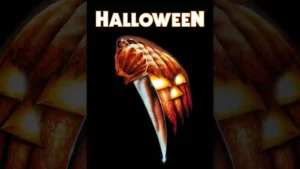
Halloween4.6 overall score
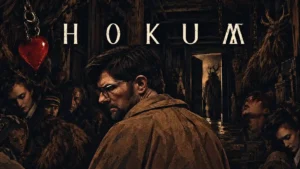
Hokum4.1 overall score
Compare features
Scores are out of 5. Missing scores mean missing review evidence, not a missing feature.
Scored on both products
Performance
Monster visibility
Halloween
5.0
Hiding Michael in shadows and at the edge of the frame makes him feel present without constant exposure. Gradual reveals preserve his mystique and reward watchful viewers.
Hokum
3.3
Limited exposure is praised for preserving menace, especially in the brief mascot scenes. Other viewers want more witch material, while one feels showing her too clearly drains the fear.
Acting performance
Halloween
4.4
Curtis and Pleasence anchor many positive assessments of the acting. Supporting performances, exaggerated screaming, and a few awkward line deliveries keep the cast from receiving uniform praise.
Hokum
4.5
The performances are widely praised, especially Scott’s ability to carry long solitary stretches. A minority find his early delivery flat or emotionally distant, keeping the acting consensus from being unanimous.
Lead performance
Halloween
4.6
Curtis makes Laurie relatable, resourceful, and convincingly frightened. A few find her screaming excessive or see the role as less distinctive than its reputation suggests.
Hokum
4.5
Scott’s restrained panic, sarcasm, and buried vulnerability carry the film for most viewers. A smaller group finds his delivery flat, the opening unconvincing, or the pain less accessible than expected.
Supporting cast performance
Halloween
4.5
Pleasence gives Loomis urgency, personality, and memorable authority. Laurie’s friends receive both praise for natural support and criticism for awkward delivery.
Hokum
4.5
The supporting ensemble usually earns praise for warmth, tension, and understated comic relief. The side characters help populate the hotel with distinct, memorable personalities.
Other features
Message quality
Halloween
3.4
The film’s treatment of sexuality and punishment draws disagreement. Some see a meaningful warning or sympathetic heroine; others object to moralistic or prurient implications.
Hokum
5.0
The self-forgiveness message is valued for turning a bleak story toward healing. It gives the character’s eventual selflessness a surprising emotional payoff.
Pacing
Halloween
4.5
The long stalking stretches build anticipation before a concentrated final act. Some viewers relish that patience; others find the pace slow by modern standards.
Hokum
3.2
The deliberate buildup works for many when it leads into the suite’s sustained tension. Common complaints concern a slow opening, overlong exposition, and interruptions that scatter momentum.
Score quality
Halloween
4.9
The spare piano-and-synth score is among the film’s most celebrated strengths. It announces danger, intensifies waiting, and remains instantly recognizable.
Hokum
3.6
The music can deepen the dread with haunting textures and voices. It is also repeatedly criticized as overbearing, emotionally pushy, or less memorable than the rest of the craft.
Story quality
Halloween
4.4
A bare-bones good-versus-evil story becomes engrossing through execution rather than elaborate plotting. Its simplicity is usually treated as a strength.
Hokum
3.4
The combination of a damaged writer, a disappearance, and supernatural folklore gives many viewers a compelling layered story. Others find a collection of strong ideas that never fully connects.
Plot clarity
Halloween
4.5
The narrative strips away extraneous material and keeps the threat easy to follow. Its directness leaves the scares room to work.
Hokum
3.5
The blend of memory, hallucination, folklore, and crime can feel rewarding and coherent. It also produces some of the sharpest disagreement, from praise for audience trust to frustration with opacity and overcrowding.
Mystery quality
Halloween
4.8
Leaving Michael’s motives and nature unexplained is repeatedly praised. The uncertainty keeps him frightening and gives viewers room to interpret the threat.
Hokum
3.8
The missing-person investigation gives the haunting an engaging second engine for many viewers. Others find the mystery too simple, too obscure, or an interruption just as the horror gathers momentum.
Emotional impact
Halloween
4.8
The horror can feel immediate and bodily rather than distant. Nostalgia and a recognizable sense of anticipating danger also give the film lasting personal resonance.
Hokum
4.0
The strongest responses find a touching human journey beneath the fear. More skeptical viewers feel the childhood material or late catharsis arrives too abruptly or pushes sentiment too hard.
Theme depth
Halloween
4.6
Interpretations of evil, doubt, sexual anxiety, and generational conflict give the simple plot more depth. Its ordinary suburban setting makes those ideas feel close to home.
Hokum
3.8
Guilt, authorship, grief, and self-forgiveness give the horror a human purpose. The debate is whether those layers meaningfully deepen the film or become too familiar and overexplained.
Writing quality
Halloween
4.2
The lean screenplay builds a recognizable neighborhood and gives its teenagers room to feel human. Thin motivation, convenient rescues, and occasional script oddities draw reservations.
Hokum
3.6
The best responses praise a script that connects clues, develops a difficult lead, and trusts the audience. The recurring criticism is too many threads followed by clunky explanation or underdeveloped connections.
Ending satisfaction
Halloween
4.6
The disappearing killer and final montage are widely praised for leaving danger unresolved. A minority find the abrupt cliffhanger blunt or dislike Laurie needing a last-minute rescue.
Hokum
4.0
The hopeful epilogue is a major strength for many, providing an earned answer to the protagonist’s bleak outlook. Others find the final act tangled, overexplained, too easy, or weakened by its last revelations.
Tonal consistency
Halloween
4.5
The film holds to patient anticipation rather than escalating through constant spectacle. That consistency makes waiting for danger central to its effect.
Hokum
3.9
Many enjoy the combination of dry comedy, supernatural fear, psychological pain, and crime mystery. Others feel those modes compete or accumulate without enough integration.
Genre satisfaction
Halloween
4.8
The film is overwhelmingly admired as a slasher benchmark, often called a masterpiece. A few viewers respect the craft while preferring more disturbing or faster horror.
Hokum
4.2
The prevailing view finds a strong supernatural ghost story with memorable fright sequences. Dissenters consider it less frightening or less coherent than its reputation suggests.
Character development
Halloween
4.4
Michael’s lack of an explained motive often makes him more compelling, while Laurie earns sympathy through responsibility and resilience. The supporting teens and limited development draw more divided reactions.
Hokum
3.9
Many viewers value the gradual shift from hostility to understandable pain and eventual growth. Detractors find the lead’s past underdeveloped, the supporting connections flat, or the changes insufficiently earned.
Dialogue quality
Halloween
3.7
Loomis’s warnings are memorable highlights, but the teenage chatter divides viewers. Some find it believable and personal; others hear superficial, irritating, or dated dialogue.
Hokum
3.3
One account finds the conversations natural and unforced. Another objects to characters announcing information that should have been more convincingly established.
Directing quality
Halloween
4.9
Patient framing, controlled reveals, and a focused threat make the direction the film’s most consistent strength. A few contrived situations and clumsy physical moments stand out against that precision.
Hokum
4.4
McCarthy’s command of space, anticipation, and disturbing reveals earns strong praise. The recurring reservation is that his assured set pieces deserve a more focused script.
Originality
Halloween
4.4
The stalker-and-final-girl plot can feel predictable after decades of imitators. The familiar structure still benefits from unusually elegant filmmaking.
Hokum
4.0
The film uses familiar Gothic and haunted-hotel ingredients. Admirers find the arrangement fresh and personal; critics see derivative devices or a more conventional step toward Hollywood horror.
Suspense
Halloween
4.9
Waiting for Michael to strike creates the film’s defining tension. Wide frames, patient stalking, music, and a vulnerable heroine make ordinary streets and rooms feel dangerous.
Hokum
4.6
The strongest sequences stretch uncertainty until a reveal becomes almost unbearable. Story interruptions and slow stretches weaken that hold for the more skeptical viewers.
Cinematography
Halloween
4.9
Wide compositions, point-of-view movement, and carefully controlled light receive exceptional praise. Michael’s emergence from darkness remains a standout image.
Hokum
4.6
Controlled compositions, reflections, and negative space turn the hotel into a visual trap. The photography is among the most consistently admired elements, including in reviews that dislike the story.
Bonus features
Halloween
4.0
The anniversary documentary is enjoyed as a worthwhile extra. Added television scenes are less essential and can weaken the original pacing.
Hokum
3.8
The commentary and compact making-of offer useful insight into casting, design, and production. Enthusiasm for their substance is tempered by a complaint that the overall selection is limited.
Creative collaboration
Halloween
4.8
The director, cinematographer, writers, and other crew are praised for making their contributions work together. The resulting visual and dramatic unity exceeds the modest resources.
Hokum
5.0
The director and cinematographer are praised as an especially effective team. Their collaboration produces images that retain beauty and clarity while building fear.
Scares
Halloween
4.6
The quiet appearances and final pursuit still frighten many viewers intensely. Others find it creepy and enjoyable without the lasting terror they want from horror.
Hokum
4.4
Patient anticipation and carefully timed reveals earn widespread praise, often from viewers skeptical of jump scares. The dissent focuses on generic shocks, repetition, and moments that feel more commercial than unsettling.
Casting quality
Halloween
4.8
The casting of Laurie and Loomis is praised as an especially fortunate fit. The performers make the central roles feel difficult to imagine otherwise.
Hokum
4.6
Scott is repeatedly viewed as an especially effective choice for the abrasive writer. His familiar comic persona gives the bitter character an immediate draw while allowing a darker performance.
Humor
Halloween
4.2
Small comic beats and Loomis’s mischievous moment with the children add charm. Michael’s playful ghost disguise gives the horror a strange streak of humor.
Hokum
4.3
Dry insults, eccentric hotel characters, and the goat jokes provide recurring laughs. The humor usually adds humanity without dissolving the threatening mood.
Atmosphere
Halloween
4.8
Cozy suburban routines gradually turn into an ominous nighttime world. The mix of nostalgia, familiarity, and lurking danger is a major strength, though one viewer wants a fuller autumn feel.
Hokum
4.7
The creaking hotel, dim corridors, and decaying rooms create the film’s most consistent strength. Even several dissatisfied critics admire the oppressive mood, although some feel the crowded plot interrupts it.
Realism
Halloween
3.7
The neighborhood and teenage routines can feel uncomfortably believable. Visible palm trees, unexplained driving ability, and repeated bad decisions occasionally break that illusion.
Hokum
3.6
Practical, rational reactions are a welcome surprise for many horror viewers. Others point to escape decisions and convenient actions that seem designed to prolong the danger.
Cast chemistry
Halloween
4.5
Annie and Laurie’s easy rapport gives the friendship warmth. Playful character dynamics also help make the Halloween setting entertaining.
Hokum
4.5
The unlikely partnership between Ohm and Jerry feels natural and enjoyable. Their contrasting personalities make the shared investigation more engaging.
Editing quality
Halloween
4.5
Seamless cuts support the opening’s apparent continuity, while the overall editing sustains the tense mood. The cutting helps the limited production feel assured.
Hokum
4.5
The editing supports the film’s visual craft and, in its strongest sequences, coordinates precisely with sound and design. That timing helps familiar scare setups retain their impact.
Ownership and support
Entertainment value
Halloween
4.7
For many, the film is an enduring favorite and an enjoyable seasonal ritual. Its charm and suspense can remain rewarding even when it does not deliver overwhelming fear.
Hokum
3.8
Most accounts describe a rewarding, often lively horror outing despite flaws. The minority view finds the slow, scattered story too tedious or empty to enjoy.
Value for money
Halloween
4.0
One assessment likens the experience to a haunted house: entertaining and worth the money, even without profound terror. Its value rests on enjoyable thrills.
Hokum
4.5
One reviewer explicitly recommends a full-price evening ticket. The film’s fun and theatrical atmosphere justify that expense for them.
Rewatch value
Halloween
4.8
Annual revisits and decades of continued affection give the film unusually strong staying power. Even viewers who initially dismissed it sometimes appreciate its craft more on return.
Hokum
4.7
The layered setting and persistent scares give several viewers good reasons to return. Some have already found the jump scares and atmosphere effective across repeat viewings.
Comfort and build
Sound design
Halloween
4.0
Michael’s muffled breathing strengthens the sense that he remains nearby, especially at the ending. Repeated effects and grainy, unclean audio attract pointed complaints.
Hokum
4.8
Moans, whispers, silence, and sounds from unseen spaces make the hotel feel threatening. The sound is one of the most consistently praised elements and can remain effective even when the narrative disappoints.
Production design
Halloween
4.0
Simple houses, chosen locations, and careful staging make the small budget go a long way. A minority still notice cheap production values and imperfect seasonal details.
Hokum
4.7
The decaying suite, odd props, service mechanisms, and cramped passages give the hotel a convincing presence. Design details do narrative work as well as creating unease.
World-building
Halloween
4.5
Haddonfield feels like a community with its own routines, history, and neighborhood legends. That familiar world gives Michael’s return more weight.
Hokum
4.3
The hotel suggests layers of history, local folklore, and stories beyond the central mystery. Enthusiasm for that richness is tempered by complaints that the witch mythology could be explored more fully.
Visual style
Halloween
4.8
Blue nighttime light, deep shadow, and textured imagery turn familiar suburbia into something uncanny. The visual style helps suggest danger before the killer acts.
Hokum
4.6
Gothic textures, earthy colors, and carefully constructed unsettling images are frequent strengths. Even a restrained assessment finds the film’s visual presentation solid.
Evidence available for one product
Other features
4K video quality
HalloweenNo score yet
Hokum
4.7
The UHD presentation usually earns praise for fine texture, deep shadows, and clear detail in the dark hotel. The strongest accounts find the image rich and immersive without losing its filmic look.
Action sequence quality
Halloween
4.4
The chase, closet encounter, and wall-pinning kill supply memorable physical set pieces. Some viewers criticize the climax’s missed blows and awkward staging.
HokumNo score yet
Animal presence
HalloweenNo score yet
Hokum
4.5
The goat-related running joke earns a genuine laugh. Their appearances add effective comic relief to the sinister hotel setting.
Blu-ray video quality
HalloweenNo score yet
Hokum
3.5
The reviewed AVC HD image has natural skin tones and a convincing ominous look. Some softness prevents this transfer from matching the strongest praise given to the UHD presentation.
CGI quality
HalloweenNo score yet
Hokum
2.0
The digital demons weaken the menace for one viewer, making the late supernatural imagery feel awkward rather than frightening.
Character screen time
HalloweenNo score yet
Hokum
2.5
The hotel owner leaves some viewers wanting another scene or two. His early promise suggests a richer character than the film ultimately explores.
Classic cinema references
HalloweenNo score yet
Hokum
4.3
The familiar haunted-hotel influences generally feel absorbed into a distinctive vision. Admirers enjoy the echoes without feeling the film simply repeats its predecessors.
Cultural impact
Halloween
4.8
The film’s influence on slasher imagery, techniques, and later franchises is widely celebrated. Some disagreement concerns whether it originated the genre or popularized existing ideas.
HokumNo score yet
Cultural representation
HalloweenNo score yet
Hokum
4.5
Irish folklore and small local details give the setting a convincing identity. Positive responses particularly value references that feel native to the story rather than generic decoration.
Dialogue clarity
HalloweenNo score yet
Hokum
4.5
Disc accounts praise clean, distinct speech even when the soundscape grows eerie. Dialogue remains intelligible within the surrounding ambience and score.
Drug and alcohol portrayal
HalloweenNo score yet
Hokum
4.0
The incorporation of psilocybin earns praise for connecting psychological fear with supernatural experience. The favorable judgment concerns its storytelling function rather than the behavior itself.
Ensemble balance
HalloweenNo score yet
Hokum
3.8
Assessments split on the supporting roles: some find every small part purposeful, while another feels too many characters receive equal importance at once. The compact cast can feel either sufficient or cluttered depending on how those introductions land.
Ethical handling of deaths
HalloweenNo score yet
Hokum
4.5
Positive responses appreciate that victims retain human significance. Their deaths carry emotional and moral consequences rather than functioning solely as scare devices.
Family dynamics
HalloweenNo score yet
Hokum
4.5
The ending’s generational-trauma symbolism receives strong praise. It connects the protagonist’s present to the damage inherited from his family.
Family relationships
HalloweenNo score yet
Hokum
4.5
The ending’s treatment of inherited family pain receives particular praise. The symbolic resolution gives emotional meaning to the relationships shaping the protagonist.
Film framing
HalloweenNo score yet
Hokum
5.0
Split compositions and negative space are praised for directing attention and suggesting unseen threats. Different information on opposite sides of the image keeps the frame actively unsettling.
Friendship portrayal
HalloweenNo score yet
Hokum
4.4
Connections with Fiona, Jerry, and eventually Alby provide welcome human warmth. These bonds ground the investigation and make the movement toward hope more convincing.
Grief portrayal
HalloweenNo score yet
Hokum
3.8
Grief and guilt give the haunting an emotional foundation that many find moving. Others see the themes as familiar, too explicit, or less nuanced than the frightening images deserve.
Lighting quality
HalloweenNo score yet
Hokum
4.2
Many praise the controlled darkness for revealing just enough to fuel dread. Visibility remains divisive, with some finding the images beautifully legible and others straining to see important detail.
Packaging quality
HalloweenNo score yet
Hokum
4.0
The glossy slipcover is a welcome touch on an otherwise standard presentation. The packaging is appreciated without being treated as a standout collector design.
Plot twists
HalloweenNo score yet
Hokum
4.3
Misdirection and early disclosures keep several viewers pleasantly off balance. Others find the turns predictable or clever without making the characters and story more satisfying.
Portrayal of women
Halloween
4.3
Laurie’s intelligence, resistance, and care for the children earn strong praise. Interpretations split over the sexual politics and whether her final rescue undercuts her agency.
HokumNo score yet
Runtime
HalloweenNo score yet
Hokum
2.7
The length is easier to accept when the slow buildup holds attention. A few accounts would trim the framing material or find the overall experience overlong.
Suicide portrayal
HalloweenNo score yet
Hokum
2.5
One viewer wants more preparation for the suicidal crisis and more space afterward to understand the response to being saved. The abruptness limits the emotional development of this pivotal event.
Survival problem-solving
HalloweenNo score yet
Hokum
4.0
The dumbwaiter and other escape mechanisms give the film inventive practical problems. Many appreciate a resourceful protagonist, while a dissenting review finds his repeated choices frustratingly foolish.
Villain quality
HalloweenNo score yet
Hokum
3.5
The human villain is effectively loathsome in one account. Another finds the variety of supernatural entities dilutes the opposing force rather than strengthening it.
Violence level
Halloween
4.4
Limited blood and largely implied violence are usually praised for leaving room for dread. Fans expecting graphic, elaborate kills may find the approach tame.
HokumNo score yet
Controls and connectivity
Age appropriateness
Halloween
2.5
Seeing the film at four years old is explicitly questioned as too young. Strong personal attachment does not erase that concern about early exposure.
HokumNo score yet
Audience appeal
HalloweenNo score yet
Hokum
4.3
Supplied reception reports and one assessment of accessible storytelling suggest appeal beyond a very narrow horror niche. The positive audience response is reported within the supplied material rather than treated as a new live tally.
Character appeal
HalloweenNo score yet
Hokum
3.4
The caustic protagonist divides viewers: many stay invested beneath his hostility, while others never warm to him. Colorful supporting personalities often supply a more immediate point of connection.
Critic appeal
HalloweenNo score yet
Hokum
4.5
The supplied reception report describes broadly favorable critical approval. Its emphasis is on the lead performance, suspense, and folklore-driven horror.
Title appeal
HalloweenNo score yet
Hokum
3.7
Admirers find the title playful and apt for a story built on disbelief and misdirection. One strongly negative review treats it as an accurate label for pretentious nonsense.
Performance
Atmos audio quality
HalloweenNo score yet
Hokum
4.5
One disc account praises an immersive Atmos mix that complements the Gothic presentation. Other disc discussions describe 5.1 audio, so the praise for Atmos comes from a single account.
Blu-ray audio quality
HalloweenNo score yet
Hokum
4.5
The audio generally impresses with enveloping ambience, full-bodied effects, and distinct dialogue. A more reserved assessment finds the mix front-heavy and less memorable than the most enthusiastic accounts suggest.
Marketing accuracy
HalloweenNo score yet
Hokum
3.4
Expectations vary sharply: some find the film fulfills its hype, while others warn that the promotion overemphasizes the witch or mascot. Its murder mystery and psychological story occupy more space than a straightforward creature-horror pitch suggests.
Soundtrack quality
Halloween
3.0
The music complements the film better than it works as a separate album. Repetition and limited variety make standalone listening less satisfying.
HokumNo score yet
Comfort and build
Character design
HalloweenNo score yet
Hokum
4.3
The protagonist’s symbolic name, glasses, and detective-like coat are appreciated as purposeful character details. Reflections in the lenses also give the visual storytelling another tool.
Costume design
Halloween
4.8
The blank white mask gives Michael an unsettling absence of expression. Its simple design is repeatedly praised for making him menacing and instantly recognizable.
HokumNo score yet
Creature design
HalloweenNo score yet
Hokum
4.1
The witch and disturbing children’s-show mascot leave strong impressions for many viewers. Others find the full witch reveal silly or the recurring mascot imagery repetitive and commercial.
Choose this inventive, unsettling documentary for fearless questioning, dark humor, and unpredictable storytelling. Skip it if you want a short, straightforward exposé with definitive answers.
Best for a hypnotic, bookish mystery with tactile visuals and cerebral chills. Skip it if reading-heavy, attention-demanding storytelling sounds more exhausting than exciting.
Best for an intimate, searching documentary that rewards focused attention and invites discussion. Skip it when devastating grief, addiction footage, and unresolved family tensions would be too much.
Best for vivid Disneyland history, hands-on craftsmanship, and immersive archival filmmaking. Skip it if you want an exhaustive timeline, a Walt-centered biography, or a conventional documentary with modern interviews.
Pros: entertainment value, archival footage quality