Beware Boiúna
Where It Has the Edge
No clear scored advantage over the other product.

Scorata scores summarize analyzed review evidence on a 1–5 scale; they are not laboratory measurements or a simple average of customer star ratings. Feature scores summarize the reviews covering that feature. The overall score averages feature scores within each review, then combines review averages. When both expert and customer evidence are available, those two groups receive equal weight. Products can have different review coverage, so small score gaps do not establish a winner.
Recommendations prioritize important features for the category, with a score of at least 3.5, a gap of at least 0.25 points and at least two supporting reviews per product. Features with widely varying scores or broad connectivity contexts are excluded from recommendations. These safeguards do not establish statistical significance.
Quick verdict
There is not enough consistent, comparable evidence for a clear recommendation. Use the feature details and supporting reviews to weigh the tradeoffs.
There is not enough comparable review evidence to recommend Beware Boiúna over the other product.
There is not enough comparable review evidence to recommend Ghost Soldier over the other product.
No clear scored advantage over the other product.
No clear scored advantage over the other product.
Scores are out of 5. Missing scores mean missing review evidence, not a missing feature.
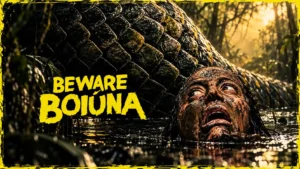
The creature effects are a strong point, especially when Boiúna’s scale is conveyed through the environment and brief close looks. The best effects moments make the snake feel imposing without requiring constant full-body shots.
One climactic gadget is undermined by unconvincing effects and dubious physical logistics.
Tension is a major strength once the human conflict and jungle dangers start closing in, and several sequences hold a tight grip even before the snake arrives. The suspense weakens when murky action or obvious foreshadowing makes threats harder to feel.
With a hero equipped to defeat virtually everyone, danger can seem remote even before the story’s inevitable final battle.
On-location jungle shooting, sweat, grime, physical environments, and grounded creature integration make the movie feel unusually tangible. That realism helps sell both the human danger and the impossible scale of Boiúna.
The small-town land dispute aims for plausibility, but the all-powerful hero, cartoonish corporation and near-magical weapons routinely strain credibility.
Unexpected deaths, shifting allegiances, and a revenge-thriller structure give the story some fresh turns within familiar creature-feature territory. At the same time, several beats become predictable or feel heavily indebted to older monster and action films.
The retired commando defending a rural community follows a conspicuously familiar formula. Only the unusual military prototypes and AI-data-center angle provide much novelty.
The snake CGI is generally respectable to impressive, especially when blended into real jungle environments and shown selectively. A few reactions find it subpar or not fully convincing, so the digital creature works best in controlled glimpses.
The final assault and digital effects look rushed or unconvincing to several critics, including complaints about synthetic-looking images and compositing.
The Amazon setting, local folklore, and effort to center regional specificity give the film more cultural texture than a generic jungle adventure. Some character heritage details and anti-colonial elements still feel invented, shallow, or imperfectly handled.
The film’s foreign financiers and mercenaries are criticized as reductive symbols used to make a simplistic patriotic conflict.
The movie is repeatedly described as longer than its material needs, with suggestions that a tighter cut near ninety minutes would improve momentum. The extended setup makes the runtime especially noticeable.
At roughly 90 minutes, the film feels lean and efficient to supporters. Several others say that the same brevity shortchanges characters or makes the last act too compressed.
The Amazon imagery can be lush, tactile, and striking, but the nighttime photography, handheld movement, and tight framing frequently make action hard to read. The same visual choices that create grit can also become a major source of frustration.
Broad landscapes, forests and lively stunt photography provide a striking visual scale. A few responses object to generic drone footage or overactive camera movement.
The bloody creature attacks, gruesome injuries, and medical gore are a major part of the horror appeal for gore-friendly viewers. The same brutality is far too graphic and lingering for family-oriented viewing.
The movie features frequent armed combat, stabbings and deaths, but its PG-13 restraint frustrates viewers hoping for more graphic payoffs. Content-conscious families also find the combat too intense.
Character work is one of the biggest dividing lines. The leads and Brennan gain enough complexity to create real rooting interest for some viewers, while others find the cast thin, underwritten, or abandoned once the creature takes over.
Fitz rarely gains depth beyond his military skill, moral certitude and bond with young Jack. Critics also regret that most allies and enemies are little more than targets or spectators.
The people-are-the-real-monsters idea and environmental message can feel overly familiar when the screenplay states them without enough nuance.
Standing up to predatory corporations and protecting neighbors is a straightforward moral appeal. Reactions split over whether the film develops that idea or lets politics overwhelm it.
The story structure can feel muddled, with some setup material poorly integrated and later developments not cleanly paying off earlier threads.
The battle over land and water establishes a straightforward good-versus-evil conflict. Later logistics, convenient interventions and rushed action can nevertheless undermine coherence.
The human revenge plot gives the first half more substance than a basic monster setup and works well for viewers invested in the characters. Others find the story too familiar, muddled, or unable to deliver on the development it sets up.
A former soldier protecting neighbors from a ruthless corporate land grab is an easy premise to grasp. For many, the thin revenge storyline and predictable escalation offer too little beyond that setup.
Graphic violence, disturbing injuries, profanity, and bleak subject matter make this a poor fit for family movie night.
Several perspectives explicitly discourage family viewing because of strong combat and profanity, although one more favorable response sees it as more accessible than rougher action films.
The scarcity of humor is a recurring drawback for viewers who wanted more camp or sardonic relief from the giant-snake premise. A few comic-relief beats work, but the film mostly commits to a straight-faced tone.
The swaggering one-liners and ludicrous gadgets can be amusing in the right mood, sometimes unintentionally. Other critics regard the same broad comedy as forgettable or awkwardly serious.
Several set pieces are memorable, especially the mud-pit sequence and the larger survival clashes. Their impact is often reduced by darkness, shaky framing, and rapid editing that make the action difficult to follow.
The gunplay and gadget-driven showdowns work for fans of old-school action. Other reactions fault choppy editing, short fights and a climax with less clarity or excitement than promised.
The slow-burn first half is highly divisive: some enjoy the human thriller and feel the monster is earned, while many find the setup overlong and sluggish. The back half usually gains urgency, though transitions and payoffs can still feel uneven.
The short running time keeps the film moving for some, with a brisk start and fast escalation. Others find the middle section uneven or the final mission improbably rushed.
The score effectively intensifies the jungle-survival experience, though it occasionally pushes the urgency harder than the scene needs.
Music gives a cinematic sweep in one assessment, but another finds the background score too conventional to rescue the action.
The intended emotional undercurrent does not fully land because the character material is not developed enough to support the late dramatic punch.
The threatened family and soldier’s sense of obligation offer an emotional entry point, but stiff characterization and a heavily armed, nearly invincible hero limit empathy for many.
The writing takes heavy criticism when character conflicts, thematic ideas, and familiar genre beats fail to cohere. Weak follow-through leaves some promising setups feeling thinner than they should.
Chris Papasadero builds an accessible conflict around property rights and corporate intimidation, but familiar one-man-army beats, thin exposition and stock dialogue weigh down the screenplay.
The dead-serious tone is a make-or-break choice. Some appreciate the refusal to wink at the giant-snake premise, while others find the movie too grim, joyless, or caught between grounded thriller and pulpy creature feature.
The heightened old-fashioned action template can feel fresh in moments but becomes awkward when the earnest drama and invincible hero collide.
Expository dialogue and forced emotional beats can make character backstories feel generic rather than naturally revealed.
Religious one-liners and action-hero declarations can be amusing in a pulpy context. More frequently they come across as hackneyed, overly earnest or simply hard to take seriously.
Frenetic cutting is one of the most consistent complaints. Fast edits, flashes, and panicked sequencing often obscure geography and blunt action that otherwise has strong stunt and creature work.
Quick cuts and tight close-ups frequently make fights difficult to follow. A few appreciate the kinetic style and slow-motion emphasis, especially around the experimental weaponry.
The ending is a mixed payoff: some find Lena’s resolution earned and emotionally satisfying, while others feel key arcs turn conventional or stop just short of the payoff they were building toward.
An extended assault gives action devotees a payoff, and some find the ending satisfying. Others call it chaotic, preposterous or compressed into an unconvincing timetable.
Mike P. Nelson’s direction earns praise for finding fresh angles in familiar genre material, but the chaotic attack coverage also draws criticism for muddying the film’s visual logic. The strongest sequences show a more controlled version of the same intensity.
William Eubank supplies energetic flourishes and appealing action imagery for some, while others find the blocking pedestrian or the narrative too incoherent to build excitement.
Frequent profanity is a clear content concern and contributes to the film’s adult tone.
Repeated profanity and rough speech are flagged as a concern for content-sensitive viewers.
The film’s sweaty, grimy jungle look is widely admired, with on-location texture making the setting feel hostile and physical. Even negative reactions often find individual images or the overall aesthetic striking.
The film alternates between striking outdoor photography and glossy action presentation. Confusing overlays and functional or overly restless imagery keep it from feeling consistently distinctive.
The sound design is a standout strength, using slithers, impacts, cracks, and environmental ambience to make the jungle and creature feel close and threatening.
Explosions and gunshots were particularly enjoyable in a premium cinema sound mix for one viewer. Another critic found some spoken lines murky.
The lead performances are a major strength, with Kiana Madeira repeatedly standing out for physical commitment, empathy, and survival intensity. The central actors help keep the movie engaging through the slow build.
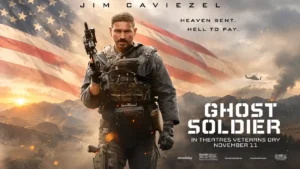
Jim Caviezel makes a credible, imposing lone soldier to supporters, but his severe restraint often reads as monotone, smugness or lack of emotional range to critics.
Will Close’s comic-relief turn stands out as a lively supporting performance, landing the funny lines without pulling the movie fully into camp.
Beau Knapp, Michael Ironside and other recognizable faces bring intermittent personality and menace. Many talented supporting actors have little screen time or meaningful material.
The ensemble is one of the film’s clearest strengths, with committed performances helping sell an otherwise outlandish giant-snake premise. Even more mixed reactions to the movie often still credit the cast with grounding the danger.
The ensemble contains recognizable performers and some engaging supporting turns. Acting reactions are otherwise polarized, with particular complaints about stiff delivery and underused talent.
Entertainment value swings widely depending on tolerance for the slow setup and dour tone. The second-half survival material can be a blast, but sparse monster visibility and murky action leave others bored or underwhelmed.
For viewers in the mood for uncomplicated, pulpy action, the gadgets and one-liners can be a good time. Others find the familiar story so lifeless that even the shootouts cannot rescue it.
The level of gore, brutality, disturbing medical imagery, and language is judged inappropriate for younger family audiences.
Repeated gun battles, injuries and coarse language make the film a poor fit for young viewers.
Visible AI-assisted lip replacement is criticized as an artificial and distracting production shortcut.
The threatened conversion of a Wyoming water source into AI data-center infrastructure creates a topical antagonist. The issue is rarely explored beyond the villain’s motivation, and reactions to its treatment differ.
Jessica Rothe and Kiana Madeira’s chemistry gives the central relationship an immediate charge and helps carry the early human drama.
Familiar character actors give this modestly scaled action film a promising roster. The cast often exceeds the dramatic opportunities the script provides.
The production’s engagement with local people and the culture surrounding the legend adds a sense of care and investment to how the story was approached.
Soft, gruff line readings and muffled action-hero quips can make dialogue difficult to catch, particularly amid rapid scene changes.
The central human conflict has a compelling premise, but its emotional follow-through is too limited once the monster plot takes priority.
The water demands of AI data centers frame a timely critique of corporate environmental priorities.
Fitz’s protective connection with Jack and the threatened Hernandez family provides the film’s human stakes. Several responses wish the relationship had been developed or carried through the finale.
The soldier’s gentle mentorship of a boy who lost his father offers an affectionate counterpoint to the violence.
A former Green Beret writer and weapons training contribute some convincing military detail, while fanciful firearms and tactics undercut strict plausibility.
Curving bullets, cloaking gear and other experimental weapons are the clearest point of interest. Some enjoy the imaginative hardware; others say its extreme power makes every confrontation too easy or illogical.
Creature-feature reception is sharply split: it can feel like a standout killer-snake movie when the slow-build thriller clicks, but a dull missed opportunity when the creature stays too scarce. The serious approach suits viewers who value character setup over nonstop monster action.
The final vengeance feels more like retribution than meaningful justice to a critic who finds the payoff emotionally hollow.
The wide fields and forested areas evoke rural Wyoming effectively for some. Other reactions point to geographic oddities and missed opportunities to use the terrain in fights.
The familiar warrior archetype and recycled action beats do little to create a lasting impression despite the high-tech hooks.
The threatened ranch families and impending land seizure provide a straightforward countdown that motivates the action.
The movie foregrounds military sacrifice, national loyalty and defiance of corruption. Those commitments inspire some viewers but strike others as heavy-handed or politically loaded.
Corporate greed and AI water usage give the conflict timely relevance, while faith and patriotism supply its perspective. Some welcome the unapologetic message; others call its ideological treatment blunt, inconsistent or simplistic.
Practical gore and physical creature pieces add welcome weight to the carnage. These tactile touches help the movie avoid feeling like an entirely digital monster showcase.
Prayer, St. Michael references and explicitly Christian ideas are central to Fitz’s sense of duty. Some value the moral framing while others find the declarations insistent or incongruous with the violence.
The film can be genuinely frightening, with stalking sequences, creature reveals, and medical body horror producing some of its strongest reactions. A few attacks are too telegraphed, so the scares land unevenly.
The material often treats cartoon villains and near-magical weapons with complete sincerity, a choice that some find unintentionally hilarious and others simply grating.
Tactical gunplay and the more elaborate weapons-based exchanges draw praise. Close-cut hand-to-hand scenes and implausible final confrontations are more divisive.
The anti-colonial and environmental ideas give the creature feature more purpose than simple survival horror, especially when Boiúna feels like nature pushing back. Those themes can also feel thin, obvious, or insufficiently integrated with the action.
AI infrastructure’s water demands and corporate pressure on rural landowners give the film a recognizable contemporary conflict, though the plot barely explores it.
The tribute to military service is intended to celebrate duty but has been criticized for substituting superheroic killing for lived soldierly experience.
The land-grabbing executives and foreign mercenaries make it easy to root against the opposition, and Knapp provides memorable menace for some. Others see cartoon villains who never seem able to threaten Fitz.
Horror fans who enjoy brutal deaths, serious creature features, and a large-scale monster are likely to find plenty to enjoy once the snake action arrives.
Fitz’s overwhelming competence appeals to some viewers seeking an old-school protector, but others find his distant, superior manner difficult to like.
The wardrobe serves its military and contemporary settings competently without drawing particular attention.
The Amazon setting and Boiúna folklore can make the world feel specific, immersive, and mythic rather than generic. Some reactions still find the creature mythology underexplained or too thinly developed.
The lively monster-movie presentation around the premiere created expectations of a fun, showy snake movie that the film’s dour, visually obscured approach did not satisfy.
Boiúna’s limited screen time is the central tradeoff. Some find the less-is-more approach suspenseful and effective, while many want a clearer, longer look at the enormous creature they came to see.
The film looks more expensive than its budget to some, particularly in its weaponry and landscapes. Critics of the effects and thin staging see a less convincing production.
Repeat-viewing appeal looks limited for those left dissatisfied by the ending or who are not already enthusiastic creature-feature fans.
Theatrical value depends heavily on how much the atmosphere, performances, and giant-snake spectacle work for you. Some find it worth the big-screen trip, while others see too little of the creature to justify a ticket.

Choose this inventive, unsettling documentary for fearless questioning, dark humor, and unpredictable storytelling. Skip it if you want a short, straightforward exposé with definitive answers.
Pros: originality, humor

Extraordinary performances and richly observed relationships make this a rewarding, emotionally forceful drama. Its nearly three-hour length and slow opening demand patience and undivided attention.
Pros: class commentary, character development

Best for a hypnotic, bookish mystery with tactile visuals and cerebral chills. Skip it if reading-heavy, attention-demanding storytelling sounds more exhausting than exciting.
Pros: Atmosphere, cinematography
Cons: audience appeal

Best for an intimate, searching documentary that rewards focused attention and invites discussion. Skip it when devastating grief, addiction footage, and unresolved family tensions would be too much.
Pros: emotional impact, theme depth