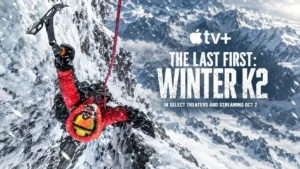
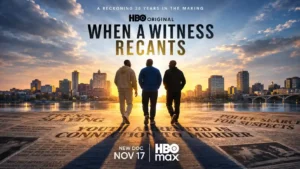
The Last First: Winter K2
Where It Has the Edge
No clear scored advantage over the other product.

Scorata scores summarize analyzed review evidence on a 1–5 scale; they are not laboratory measurements or a simple average of customer star ratings. Feature scores summarize the reviews covering that feature. The overall score averages feature scores within each review, then combines review averages. When both expert and customer evidence are available, those two groups receive equal weight. Products can have different review coverage, so small score gaps do not establish a winner.
Recommendations prioritize important features for the category, with a score of at least 3.5, a gap of at least 0.25 points and at least two supporting reviews per product. Features with widely varying scores or broad connectivity contexts are excluded from recommendations. These safeguards do not establish statistical significance.
Quick verdict
There is not enough consistent, comparable evidence for a clear recommendation. Use the feature details and supporting reviews to weigh the tradeoffs.
There is not enough comparable review evidence to recommend The Last First: Winter K2 over the other product.
There is not enough comparable review evidence to recommend When a Witness Recants over the other product.
No clear scored advantage over the other product.
No clear scored advantage over the other product.
Scores are out of 5. Missing scores mean missing review evidence, not a missing feature.
The closing ideas can feel more like an impasse than a fully resolved conclusion.
The refusal of an easy apology or emotional payoff gives the ending exceptional force. Its extended encounter continues the inquiry beyond the men’s legal exoneration.
Despite the many participants, the documentary often explains the chain of mistakes and systemic failures clearly and covers the expedition's major events in detail.
The underlying case is generally easy to follow, but one critique finds the deliberate withholding of information creates an uneven impression of the events.
The film adds valuable context around nationalism, colonial history, and indigenous mountaineering, but its treatment of the Nepali team's historic triumph can also feel patronizing and underdeveloped.
The Baltimore community is portrayed as a place of warmth as well as fear, giving the case context beyond damaging public stereotypes.
The large number of climbers, factions, and side stories can clog the film's pace and make the middle feel over-busy.
The final confrontation has room to breathe, and pauses underline the cost of lost time. The earlier chronology can feel conventional, though it establishes vital context.
The critique of ambition, commercialization, social-media pressure, and shared risk is often thought-provoking and forceful. Beautiful mountain imagery and an occasionally diffuse structure can undercut that warning.
Its case for fairness and accountability comes through urgently without treating a financial settlement as an adequate remedy for lost years.
Bar-Lev is widely praised for balancing compassion, accountability, and competing motives without reducing the story to simple heroes and villains. A few structural choices draw criticism, but the overall approach is thoughtful and controlled.
Dawn Porter’s restrained attention to the exonerees earns acclaim, especially during the tense final meeting; a few find her direction conventional or overly manipulative.
The winter setting is distinctive, but the underlying K2 story of hubris and preventable danger can feel familiar from earlier mountain-disaster documentaries.
The documentary largely follows established true-crime methods, though the post-release confrontation brings a distinctive and hard-to-predict turn.
This is much more than a survival chronicle, digging into ambition, class, nationalism, colonial history, social media, commercialization, and responsibility. Even a more skeptical critic still calls it thought-provoking.
The film develops ideas of lost time, injustice and imperfect accountability, with its most probing moments refusing easy reconciliation.
Interviews are woven into the on-mountain material effectively, helping the documentary turn a large collection of firsthand sources into a coherent narrative.
The three exonerees speak with uncommon openness, alongside witness interviews and later legal depositions. This combination exposes both personal damage and institutional contradictions.
The assembly of firsthand footage, interviews, and social-media material is often praised as clear and seamless. The main counterpoint is that information withholding and too many story strands can make the structure feel manipulative or crowded.
Cross-cutting past and present statements sharpens contradictions and consequences. Displayed court transcripts and other straightforward passages strike one critic as less visually imaginative.
The expedition is generally shaped into a compelling, thought-provoking story with vivid human stakes. The strongest criticism is that too many parallel strands can dilute focus.
A compelling, deeply upsetting account of the Harlem Park Three emerges from the records and firsthand testimony. Its familiar true-crime foundations are elevated by a confrontation that avoids a neat resolution.
The film repeatedly generates strong tension from dangerous climbs, known fatalities, and carefully delayed revelations. Its true-crime-like suspense works for many, though some dislike the withholding.
The unscripted climactic meeting creates intense anticipation because neither apology nor forgiveness is assured.
The deaths, grieving families, and climbers' personal stakes make the film harrowing and often deeply affecting, though its crowded structure can sometimes blunt that emotional connection.
The decades stolen from three men generate anger, grief and empathy, while their interactions with the witness bring the pain into sharp focus. The relentlessly difficult subject matter can be draining.
The documentary makes strong use of footage captured during the expedition, turning material recorded by climbers and other filmmakers into an immediate account of events.
Vintage news footage and other historical material evoke 1980s Baltimore and contrast with later depositions. This texture helps the injustice feel grounded in a real community and time.
K2 is consistently presented with breathtaking scale and beauty, from stark landscapes to terrifying on-mountain footage. The imagery is one of the film's most widely praised strengths.
Deliberate framing, shadow and stillness reinforce the lost years and oppressive atmosphere. Its precise compositions make absence and confinement feel palpable.
The film contrasts majestic, almost romantic mountain beauty with claustrophobic and brutal conditions, creating a striking visual tension between allure and danger.
The contrast between graphic black-and-white illustration and grainy historical footage has a strong expressive effect. Not everyone finds the documentary formally distinctive.
The climbing footage is dramatic but does not deliver the immersive, vertigo-heavy rush associated with the most kinetic mountaineering films.
Stark black-and-white illustrations help reconstruct childhood experiences and fill gaps in the visual record. Some find the comic-book style intrusive or too sentimental, while others wish there were more of it.
The climbers can feel vivid and human when the film focuses on their personalities and motivations, but the crowded structure sometimes weakens investment in individual journeys, especially the Nepali team.
The witness’s justifications are contrasted against the exonerated men’s demand for accountability, leading to an uncomfortable examination of responsibility.
The filmmaking process is described as unusually collaborative, with the director crediting a strong team for shaping the final documentary.
Its sympathetic approach to a pressured teen witness has moral complexity, but a critic questions whether it applies enough distance or institutional scrutiny.
The film looks beyond the original crime and conviction to community trust, the witnesses’ burdens and life after release. A minority view wishes its institutional and psychological examination went further.
The documentary captures the expedition's dark human drama effectively, even when it stops short of the exhilarating heights of the best climbing thrillers.
The film generally shows restraint around tragedy and deliberately omits some deeply invasive material, but its use of visible frozen bodies can still feel somewhat exploitative.
Ta-Nehisi Coates offers personal recollections and larger historical context, though one account finds his contributions predictable and distracting.
The family testimony makes the emotional cost of imprisonment intimate and human.
A father-and-son strand is described as tender, adding a personal family dimension to the larger competition and tragedy.
The film chiefly centers the lives and perspectives of those wrongly imprisoned. Critics differ on whether certain framing choices redirect blame away from institutions.
The face-to-face encounter with Ron Bishop is the film’s most discussed sequence: raw, tense and unpredictable. Instead of easy forgiveness, it reveals how deep the injuries remain.
The closing meeting refuses the comforting reconciliation viewers may expect. That difficult honesty brings both moral nuance and an unsettling lack of closure.
For mountaineering nonfiction fans, the film delivers gripping danger, striking scenery, and a more pointed social perspective than a conventional summit chronicle.
The documentary regards the recanting witness’s guilt as ethically complicated, acknowledging the pressure placed on a child while testing the limits of adult responsibility.
Archive footage and personal recollection recreate a Baltimore community and a pivotal school shooting in the early 1980s.
Accounts of missed relationships, lost decisions and ongoing adjustment vividly convey how imprisonment continues to affect everyday life.
Case records, conflicting testimony and filmed depositions make misconduct increasingly difficult to dismiss. A careful reconstruction helps viewers understand how the false convictions survived for decades.
The film makes the cost of the wrongful convictions unmistakable, insisting that exoneration and settlement money cannot restore the stolen decades. Some find the climactic personal confrontation pulls emphasis away from wider institutional responsibility.
Historical news footage exposes how the original public narrative intensified fear and failed to question the accusations.
The extraordinary injustice and abrasive final meeting linger long after the credits.
The film shows lasting psychological wounds and the difficulty of readjustment. Some critics nevertheless want more attention to the witness’s own mental health.
The film allows fear, responsibility and anger to coexist rather than assigning everyone a simple role. The witness’s response is uncomfortable and provokes conflicting judgments.
Withholding some identities risks feeling manipulative, but controlled foreshadowing and tone help the concealment work.
The film moves between present interviews, historical material and a long closing confrontation. Some find the assembly skillful, while others regard its early stages as formulaic or too inclined to withhold known facts.
The film makes the police pressure, suppressed leads and evasive officials deeply infuriating, showing how institutional failures stole decades from three young men. Its familiar subject gains urgency through the people who lived with the consequences.
Its most powerful contextual passages connect one Baltimore case with systemic racism, class and misplaced institutional trust. A dissenting view finds some of that larger analysis sidelined in favor of interpersonal conflict.
The documentary looks beyond legal release to show how lost decades persist in personal habits, relationships and emotional wounds.
The film strips away the romantic image of high-altitude climbing by emphasizing brutal cold, exhaustion, poor planning, and the mountain's indifference to human ambition.
The romantic subplot can feel shoehorned into an already crowded narrative.
First-person climbing footage can be genuinely terrifying, using sheer drops and precarious conditions to create fear without conventional horror devices.
A few viewers find the animation too sentimental for material better served by unadorned interviews and documents.
The film often balances respect for the dead with clear-eyed analysis, but its true-crime withholding and beautiful imagery occasionally clash with the sober message.
The documentary forcefully reconstructs how three teenagers were falsely convicted and imprisoned for decades. It makes the systemic failure concrete through testimony and later case records.
The film has clear appeal for documentary and mountaineering fans, and its social themes broaden the hook beyond climbing. Its less exhilarating, more analytical approach may limit mainstream thrill-seeker appeal.
The documentary is tense, interesting, and often thrilling, but it is more sobering than exhilarating. Viewers seeking a pure climbing rush may find the experience deliberately less escapist.
The chronology and causes of the disaster are presented with a strong sense of documentation and clarity, leaving little doubt about many of the key events.

Choose this inventive, unsettling documentary for fearless questioning, dark humor, and unpredictable storytelling. Skip it if you want a short, straightforward exposé with definitive answers.
Pros: originality, humor

Extraordinary performances and richly observed relationships make this a rewarding, emotionally forceful drama. Its nearly three-hour length and slow opening demand patience and undivided attention.
Pros: class commentary, character development

Best for a hypnotic, bookish mystery with tactile visuals and cerebral chills. Skip it if reading-heavy, attention-demanding storytelling sounds more exhausting than exciting.
Pros: Atmosphere, cinematography
Cons: audience appeal

Best for an intimate, searching documentary that rewards focused attention and invites discussion. Skip it when devastating grief, addiction footage, and unresolved family tensions would be too much.
Pros: emotional impact, theme depth