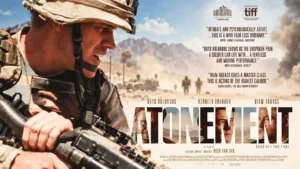
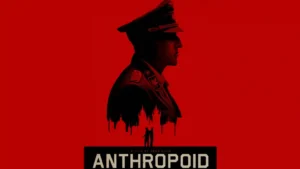
Atonement
Where It Has the Edge
- tonal consistency is 4.5 vs 1.5. The restrained, unassuming tone generally keeps melodrama in check and treats violence seriously. The pivot from familiar combat...

Scorata scores summarize analyzed review evidence on a 1–5 scale; they are not laboratory measurements or a simple average of customer star ratings. Feature scores summarize the reviews covering that feature. The overall score averages feature scores within each review, then combines review averages. When both expert and customer evidence are available, those two groups receive equal weight. Products can have different review coverage, so small score gaps do not establish a winner.
Recommendations prioritize important features for the category, with a score of at least 3.5, a gap of at least 0.25 points and at least two supporting reviews per product. Features with widely varying scores or broad connectivity contexts are excluded from recommendations. These safeguards do not establish statistical significance.
Quick verdict
The review evidence points to a tradeoff: tonal consistency versus supporting cast performance. Choose according to which strengths matter more to you; the overall score alone does not settle that choice.
Choose Atonement for tonal consistency.
Choose Anthropoid for supporting cast performance.
Scores are out of 5. Missing scores mean missing review evidence, not a missing feature.
Baghdad and the later California homes feel inhabited and specific, with street textures and domestic details grounding the story in recognizable lived environments.
Wartime city never feels fully lived-in.
The opening firefight uses deafening gunfire to heighten confusion and danger, making sound one of the sequence’s standout craft elements.
Gunfire is deliberately immersive but overwhelming. The siege sound becomes exhausting.
The film moves from chaotic, immersive war staging to spare domestic compositions, using faces, rooms, and environmental detail to carry emotion.
The desaturated, almost newsreel-like palette evokes wartime dread for admirers. For detractors, the muddy sepia and occasional dark or grainy imagery become distracting.
Baghdad’s streets and later domestic spaces feel textured and specific, with environmental detail grounding both the combat and the quieter character work.
Period streets, interiors, props, and wartime detail convincingly recreate Prague under occupation. The decision to shoot in the Czech capital strengthens that impression.
Even during the chaotic firefight, the geography and converging characters remain easy to follow.
Basic plot orientation fails. Planning scenes make characters seem unprepared.
The restrained, unassuming tone generally keeps melodrama in check and treats violence seriously. The pivot from familiar combat to quieter drama can feel slightly too deliberate.
Torture clashes with earlier tone. Camera approach clashes with solemn subject.
The shift from battlefield action to long-tail guilt and reconciliation feels fresher than standard Iraq War formulas, although the soldier-PTSD storyline can fall back on familiar beats.
Little originality beyond one small idea.
The war violence is intense but deliberately unsensationalized, keeping attention on victims and consequences rather than spectacle.
The gun battles and Nazi torture are difficult to watch, including graphic cruelty toward civilians. Some consider the brutality necessary to the subject, while others object to gratuitous or tonally jarring images.
Guilt, grief, responsibility, moral injury, forgiveness, and the unequal costs of war are explored with substantial nuance. The strongest material refuses to turn reconciliation into a simple cure.
Thematic exploration acknowledges human cost. Questions of sacrifice are raised without depth.
Lou, Mariam, and Michael gain layered guilt, grief, and moral ambiguity, though the Iraqi family gets less interior space than some of the material seems to promise.
Several viewers appreciate the fragile humanity of the two main operatives, but others find them functional or underwritten. Secondary resistance fighters can be hard to distinguish, particularly when they arrive late.
The chaptered middle can feel overextended and less propulsive. A tighter structure and less time on the journalist subplot would sharpen the film.
The cutting gives the ambush and final siege urgency and clarity for many viewers, but abrupt transitions and a prolonged last act irritate others.
Face-focused framing and progressively stripped-back compositions keep attention on expression and silence, giving both combat and domestic rooms strong emotional presence.
Prague exteriors, close-quarter shooting, and period photography can be beautiful and immersive. Critics are sharply divided on Ellis’s restless handheld camera and drained sepia palette, which some find dizzying or muddy.
The film is a sensitive, moving character drama whose strongest material comes from the difficult reunion rather than battlefield spectacle.
Political drama is meaningful. The wartime drama receives exceptional praise.
The film lands hard through the opening tragedy, accumulated grief, and quiet reunion. Its most powerful moments are wrenching, devastating, and difficult to shake.
Courage and devastating reprisals make the later scenes unusually affecting, with several describing a haunting or heartbreaking finale. A few remain detached because the characters were not sufficiently developed.
The quiet, restrained exchanges avoid tidy speeches and let silence carry meaning, though some conversations feel overly deliberate about the themes.
Dialogue scenes drag. Natural dialogue.
The film asks who bears the cost of war, what forgiveness can mean, and whether absolution can repair irreversible loss. Its refusal of easy answers is a strength, even when the perspective feels too narrow.
The film develops a clear ethical perspective.
The script is strongest when it trusts silence, parallel perspectives, and moral ambiguity. Its main weakness is an overextended journalist strand and occasional tendency to underline themes.
The script captures the logistical and moral weight of the mission for some viewers, but others find generic spy beats, too many characters, and poorly developed relationships. Its strengths tend to emerge in the escalating consequences.
The Iraqi-Armenian perspective is unusually central for an American Iraq War drama, especially in the opening. The main fault line is whether the later focus on Lou still sidelines the family too much.
Czech-Slovak solidarity is poignantly represented. Maintains the Czech perspective.
The restrained closing image often works because it avoids easy catharsis and lingers afterward. The main reservation is that it can feel too resolved for the pain that precedes it.
The final church siege is widely viewed as harrowing, gripping, and emotionally devastating. Some find its relentless length exhausting or feel the drama has not earned its impact.
The combat opening builds clear, escalating tension, while the later reunion creates a quieter kind of suspense through anticipation and silence.
The danger of betrayal, uncertain outcome, and increasingly desperate mission sustain powerful tension. A handful of critics think the early planning lacks urgency, but the latter half is widely applauded.
The film favors naturalistic performance, grounded environments, and unsensationalized violence. Its strongest scenes feel lived-in rather than theatrically engineered.
Detailed locations, subdued heroism, and a generally credible operation convince many viewers. Others object to theatrical accents, invented romance, or a climactic battle that looks too stylized.
As an Iraq War drama, it stands out by focusing on aftermath, guilt, and moral injury instead of sustained combat. Its restraint and performances give familiar genre material unusual weight.
Espionage-thriller elements work.
The deliberate rhythm suits the quiet moral drama for some viewers, but the middle can drag, especially around Michael’s subplot and Lou’s extended postwar spiral.
The patient planning and reconnaissance divide viewers: some find the opening dull or overextended, while others appreciate the dread it builds. Most agree that the momentum rises dramatically once the assassination is underway.
The core true-story drama is humane, morally difficult, and emotionally compelling. Its biggest fault line is whose perspective gets priority after the opening.
The assassination mission and its terrible consequences are inherently compelling, and many find the film gripping. Some argue that such exceptional history deserves a sharper, more original dramatization.
Reed Van Dyk’s debut earns broad praise for controlled staging, sensitivity, and performance direction. The main criticism is structural, with the middle and expanded journalist material feeling less focused.
Director only sporadically fulfills the material. Understated direction enhances immersion.
The Baghdad firefight is tense, spatially clear, immersive, and emotionally brutal. A few reactions find the setup familiar, but the staging and immediacy remain major strengths.
The ambush and extended church firefight are the film’s standout attractions, repeatedly praised for intensity, chaos, and convincing combat. A minority think the last battle drags or becomes exaggerated.
The restrained face-to-face tension between Lou and Mariam makes silences and small gestures feel charged. Their quiet sparring is one of the film’s strongest dramatic elements.
Leads work together superbly.
The length is felt most in the middle, where detours around Lou and Michael slow momentum before the final reunion.
Two-hour span insufficient for broad narrative.
Hiam Abbass and Kenneth Branagh provide strong support around Holbrook, while Gheed makes a vivid impression despite limited screen time.
Supporting actors are very strong. Supporting actors convincingly inhabit their roles.
The real-world material is recreated with close attention to participants’ subjective experiences and a grounded, lived-in sense of place.
The recreation of Operation Anthropoid and the church battle earns strong praise for fidelity and attention to real locations. Some acknowledge altered characters or dramatized combat details.
The ensemble is a major strength, with Boyd Holbrook and Hiam Abbass drawing the heaviest praise and Kenneth Branagh generally valued for restraint. Even harsher takes on the story still find the performances compelling.
The performances are generally compelling, particularly the leads’ restrained fear and determination. Praise often survives criticism of uneven accents and thinly sketched side characters.
The central acting is a standout, with Holbrook’s shattered veteran and Abbass’s controlled grief carrying much of the film’s power.
The central pair convincingly convey resolve, dread, and vulnerability without turning the characters into invincible action heroes. Murphy receives especially emphatic praise, with Dornan often a positive surprise.
The English dialogue spoken in Czech and Slovak accents is contentious. Some accept the accents after an adjustment period, while others find them artificial, variable, or difficult to follow.
Muted colors, confined interiors, and pervasive fear establish the danger of life in occupied Prague. The tense, fatalistic atmosphere can feel physically oppressive.
Collaboration-versus-resistance dilemma is nuanced.
Accents compromise intelligibility. Accents hard to understand.
The adaptation drops some of the source article’s more probing material about the Iraqi women’s post-attack experience and broader institutional failures, narrowing part of its moral inquiry.
Technically credible weapon-based combat.
The film is a poor fit for viewers uncomfortable with gruesome wartime violence, including torture and an extended bloody siege.
This lesser-known episode of resistance receives useful background and a distinctly Czech focus. A few think a crowded script or insufficient exploration of consequences limits the depth.
Lighting creates a historically evocative look.
Prague’s streets and historic buildings provide strong texture and visual beauty, and some scenes were filmed at the original sites. The authentic setting is consistently a highlight.
Film fails to stick in memory.
The mission’s heroism is set against the foreseeable cost to innocent people, giving the story a difficult moral center. Some praise this tension; others wish the film examined it more deeply.
Language choice immerses viewers in occupation. Language handling creates perspective and empathy.
Midpoint structural shift weakens movie. Structure is repetitive or anticlimactic.
Patriotism receives a poignant treatment.
The film engages with the Munich betrayal, exile government, and likely civilian reprisals, which several viewers find illuminating. Others think it raises the strategic dilemma without exploring it fully.
Women are seen as passive. A woman challenging unequal treatment is a standout scene.
Lou’s trauma feels physically and emotionally credible at its best, especially through Holbrook’s jittery, exhausted performance. The arc is effective but not always seen as groundbreaking.
The relationships give the mission personal stakes and moments of tenderness, and some value their restraint. Others regard them as schematic, rushed, or too thin to support later tragedies.
The score is praised for creating unease and giving the conclusion emotional weight, with especially unusual textures. One critic thinks it is used too sparingly early on.
Understated emotion enhances film.
A metaphor is considered overstated.
Contemporary relevance is praised.
Adversaries lack distinction.
The film prompted unusually attentive festival reactions and looks especially suited to viewers seeking serious war-aftermath drama rather than battlefield spectacle.
Early critical and festival attention has been positive around the writing and performances, with Boyd Holbrook in particular drawing notice.
Title fails to communicate its subject. Title misleads about genre.
Costumes and everyday wartime clothing contribute to the convincing 1940s setting. They help ground the characters within occupied Prague.
Exceptional period production quality.
Strong desire to revisit and show others.
Not recommended at theater ticket price.

Choose this inventive, unsettling documentary for fearless questioning, dark humor, and unpredictable storytelling. Skip it if you want a short, straightforward exposé with definitive answers.
Pros: originality, humor

Extraordinary performances and richly observed relationships make this a rewarding, emotionally forceful drama. Its nearly three-hour length and slow opening demand patience and undivided attention.
Pros: class commentary, character development

Best for a hypnotic, bookish mystery with tactile visuals and cerebral chills. Skip it if reading-heavy, attention-demanding storytelling sounds more exhausting than exciting.
Pros: Atmosphere, cinematography
Cons: audience appeal

Best for an intimate, searching documentary that rewards focused attention and invites discussion. Skip it when devastating grief, addiction footage, and unresolved family tensions would be too much.
Pros: emotional impact, theme depth