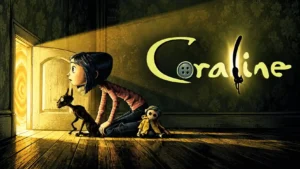
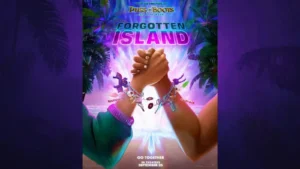
Compare Forgotten Island vs Coraline

Forgotten Island

Forgotten Island

Overall score 4.2 / 5

Based on 66 scored reviews

vs
Coraline

Coraline

Overall score 4.2 / 5

Based on 48 scored reviews

How we score

Scorata scores summarize analyzed review evidence on a 1–5 scale; they are not laboratory measurements or a simple average of customer star ratings. Feature scores summarize the reviews covering that feature. The overall score averages feature scores within each review, then combines review averages. When both expert and customer evidence are available, those two groups receive equal weight. Products can have different review coverage, so small score gaps do not establish a winner.

Recommendations prioritize important features for the category, with a score of at least 3.5, a gap of at least 0.25 points and at least two supporting reviews per product. Features with widely varying scores or broad connectivity contexts are excluded from recommendations. These safeguards do not establish statistical significance.

Quick verdict

What each product is best for

The review evidence points to a tradeoff: lead performance and audience appeal versus directing quality. Choose according to which strengths matter more to you; the overall score alone does not settle that choice.

Choose Forgotten Island for lead performance and audience appeal.

Choose Coraline for directing quality.

Why these recommendations?

Forgotten Island

Where It Has the Edge

  • lead performance is 5.0 vs 4.3. The two lead voices are consistently praised for making Jo and Raissa likable, distinct, and emotionally credible through...
  • audience appeal is 4.6 vs 4.2. Its mix of friendship, comedy, folklore, and vivid animation reaches well beyond small children, with particular appeal for...
  • friendship portrayal is 4.9 vs 4.5. The central friendship is the film’s emotional anchor: affectionate, messy, believable, and strong enough to carry a story...

Coraline

Where It Has the Edge

  • directing quality is 4.7 vs 4.3. Selick’s control of stop-motion, framing, and the relationship between spectacle and story earns strong praise. His creative choices...
Forgotten Island 4.2 overall score
Coraline 4.2 overall score

Compare features

Scores are out of 5. Missing scores mean missing review evidence, not a missing feature.

Scored on both products

Other features

Sexual content level
Forgotten Island
5.0

The central bond stays focused on platonic friendship rather than romance, a restraint specifically welcomed by a family-focused response.

Coraline
2.1

The burlesque scene is the main point of dispute, drawing amusement from some and disgust or discomfort from others. Critics of the scene consider its revealing costumes and exaggerated bodies unnecessary.

Violence level
Forgotten Island
4.0

The harder PG violence and frightening action give the movie welcome edge for some older viewers, but they make it less comfortable for the youngest audience.

Coraline
1.5

One strongly negative critique objects to the haunted-house violence as inappropriate children’s entertainment. The concern is its effect within a film aimed at a young audience.

Editing quality
Forgotten Island
4.5

Music-synchronized cuts and music-video-like passages give the film a rhythmic editing style that suits its restless, mixtape-like energy.

Coraline
3.0

Editing divides the two direct assessments: one finds it well done, while another sees a choppy string of loosely assembled vignettes. The criticism is tied to repeated movement between worlds.

Tonal consistency
Forgotten Island
2.9

The blend of horror, slapstick, sentiment, and manic comedy is bold but uneven; some enjoy the contrast while others find the shifts jarring or exhausting.

Coraline
4.4

Whimsy, unsettling imagery, and playful humor usually reinforce one another. Some find Wybie intrusive or the balance between children’s fantasy and horror less secure.

Scares
Forgotten Island
3.2

Manang and the darker folklore imagery can be genuinely scary, including body-separation imagery and intense chases; some admire that edge while others warn it may overwhelm younger kids.

Coraline
4.4

Creeping unease and the Other Mother’s transformation make this unusually frightening animation. Most praise the scares, while some find the material excessive for children and a few want stronger horror.

Writing quality
Forgotten Island
3.4

The screenplay is imaginative and often funny, but reactions split over its structure: the emotional ideas are strong while the crowded plotting and rushed connective tissue can weaken them.

Coraline
4.5

Visual details, layered motifs, and largely unspoken lessons are frequent writing strengths. Criticism focuses on transparent exposition, shallow characterization, and a heroine who can remain difficult to like.

Dialogue quality
Forgotten Island
3.8

The script can be genuinely funny and warm, though repeated catchphrases and a few lines land awkwardly enough to keep the dialogue from being uniformly strong.

Coraline
2.8

The dialogue ranges from reasonably good to frustratingly obvious. Wybie’s exposition attracts criticism for stopping the story to announce information.

Runtime
Forgotten Island
2.5

At roughly two hours, the film can feel longer than its breathless pace suggests, with some wishing the crowded middle had been trimmed.

Coraline
3.5

The leisurely length is either part of the film’s charm or a test of engagement. One devoted admirer enjoys every frame, while another loses interest before the end.

Pacing
Forgotten Island
2.5

Pacing is the most repeated weakness: the movie moves at breakneck speed, piles on characters and jokes, and often leaves little breathing room even when that energy is exciting.

Coraline
3.5

The unhurried buildup lets the fantasy become seductive and the suspense accumulate. Others find the opening slow, the detours indulgent, or the final search slightly drawn out.

Faithfulness to source material
Forgotten Island
4.5

The film reshapes Filipino folklore for its own story while still feeling rooted in recognizable classic traditions rather than stripping them of their darker identity.

Coraline
3.7

The adaptation preserves the core premise while expanding the visual world and changing Coraline’s support network. Readers differ over whether those choices enrich the film or weaken the book’s isolation and self-reliance.

Humor
Forgotten Island
4.2

The comedy is usually a hit, ranging from slapstick and absurd creature jokes to rapid visual gags, though some find the juvenile or hyperactive material grating.

Coraline
3.4

Dark jokes and the cat’s dry presence have clear fans. The supporting characters’ comedy is less dependable, ranging from entertaining to completely ineffective for different viewers.

Family friendliness
Forgotten Island
4.0

There is plenty for families to enjoy, but this is a harder-edged PG than the brightest DreamWorks fare, with frightening monsters, rude humor, mild language, and darker themes.

Coraline
3.4

Several writers admire the combination of adult appeal and children’s adventure. Others reject the frightening or revealing material as inappropriate for family entertainment.

Emotional impact
Forgotten Island
4.4

For many, the friendship-and-memory story builds to a moving or even devastating payoff, though a smaller group feels the frantic structure sometimes blunts that emotional force.

Coraline
3.7

Loneliness, childhood powerlessness, and Coraline’s missing parents can be deeply affecting. Some viewers remain emotionally distant and find the visual world more engaging than its inhabitants.

Ending satisfaction
Forgotten Island
4.0

Most reactions find the finale moving and satisfying, but there is real disagreement over whether its resolution is earned, with some calling the ending rushed or contrived.

Coraline
3.4

The final struggle and imperfect return to ordinary life satisfy many viewers. The extra hand attack and Wybie’s rescue also draw complaints about an unnecessary extension and reduced agency for Coraline.

Suspense
Forgotten Island
5.0

The race to preserve the girls’ memories and escape the island creates real tension, particularly once the darker threat closes in.

Coraline
4.5

The gradual loss of safety and the Other Mother’s pursuit create strong tension. A few viewers find the leisurely storytelling less urgent than the premise suggests.

Directing quality
Forgotten Island
4.3

The direction is ambitious and confident in its visual storytelling, though one view finds the emotional material less fully developed than the stylistic fireworks.

Coraline
4.7

Selick’s control of stop-motion, framing, and the relationship between spectacle and story earns strong praise. His creative choices are generally admired even in reviews with narrative reservations.

Cinematography
Forgotten Island
4.5

Low-angle and wide compositions help the animated world feel larger and more cinematic, adding scale to both the island and its creatures.

Coraline
4.9

Playful angles, mobile framing, and the urgent tunnel shots give the film an unusually cinematic feel for stop-motion. The camera work is praised for exploring the sets rather than merely recording them.

Genre satisfaction
Forgotten Island
5.0

As a big-screen animated adventure, it delivers the color, action, emotion, humor, and spectacle expected from the format at a very high level.

Coraline
4.6

The blend of frightening fairy tale, portal fantasy, and child-led adventure is usually highly satisfying. Familiar story patterns and less-than-expected scariness temper a few genre responses.

Realism
Forgotten Island
5.0

Despite the supernatural setting, the fear of friends growing apart gives the central conflict a grounded emotional reality.

Coraline
4.6

The tactile world and recognizably imperfect childhood behavior make the fantasy feel grounded. Viewers particularly value the credible loneliness beneath the exaggerated designs.

Cultural representation
Forgotten Island
4.9

Filipino culture is woven into the setting, language, food, music, family life, and mythology rather than used as decoration, making the film feel specific and welcoming at the same time.

Coraline
4.5

The Russian circus performer is praised as an endearing positive portrayal. That response values his charm rather than treating the accent or nationality alone as a strength.

Friendship portrayal
Forgotten Island
4.9

The central friendship is the film’s emotional anchor: affectionate, messy, believable, and strong enough to carry a story about separation, memory, and growing into different lives.

Coraline
4.5

Coraline’s prickly companionship with the cat and her growing connection with Wybie add warmth without making every interaction easy. Other Wybie’s genuine concern is a particular highlight.

Action sequence quality
Forgotten Island
4.8

The action is fast, kinetic, and visually inventive, giving the island adventure a constant sense of movement without losing its comic energy.

Coraline
4.4

The final encounters and web escape provide much of the excitement. The quest-like structure is often enjoyed, although one audience response finds the action insufficiently involving.

Score quality
Forgotten Island
4.9

The original score is warmly received for supporting both emotion and cultural identity, including the use of Filipino and Indigenous musical textures.

Coraline
4.6

The haunting choral textures and unusual instrumentation usually strengthen both wonder and dread. One dissenting view finds the score bombastic and too prominent.

Story quality
Forgotten Island
4.1

The friendship-and-memory core earns substantial praise for heart and sincerity, but the story loses some clarity and force when too many creatures, detours, and ideas compete for attention.

Coraline
4.3

The cautionary fairy tale is widely enjoyed for its imagination and mounting danger. Reservations concern a simple underlying arc, episodic structure, and spectacle sometimes taking priority over emotional substance.

Message quality
Forgotten Island
4.6

Its message about accepting change without erasing the people and memories that shaped you comes through clearly and gives the adventure substance beyond the quest mechanics.

Coraline
4.3

Gratitude, perspective, courage, and looking beyond attractive surfaces give the story much of its appeal. Two faith-oriented critiques instead find its choices selfish or spiritually empty.

Theme depth
Forgotten Island
4.9

The film goes beyond a simple friendship lesson to explore memory, identity, separation, grief, cultural roots, and the painful but survivable changes that come with growing up.

Coraline
4.7

Perspective, temptation, independence, and childhood vulnerability give the simple fairy-tale outline substantial interpretive depth. Several viewers find more beneath the surface on reflection.

Plot clarity
Forgotten Island
2.6

The missing-memory structure is clever but can become difficult to follow as side quests, lore, and rapid exposition accumulate, especially through the middle.

Coraline
2.5

A few unresolved motivations and convenient story rules leave questions. Some viewers feel they must supply missing context to make Coraline’s choices convincing.

Character development
Forgotten Island
2.8

Jo and Raissa are generally well realized, but many side characters get less room to grow; the crowded creature roster often feels more colorful than fully developed.

Coraline
2.9

The heroine’s shift toward gratitude and concern for others works well for many viewers. Others find her arc thin, her parents underdeveloped, or the adaptation too willing to let others solve her problems.

Originality
Forgotten Island
4.6

The broad friendship-and-portal framework is familiar, but the memory-loss structure and cultural setting give the plot enough personality to keep it from feeling generic.

Coraline
4.5

Inventive imagery, button eyes, and a handmade fantasy world make a familiar portal story feel distinctive. A minority see an old Alice-like premise beneath the visual invention.

Animation quality
Forgotten Island
5.0

Animation is the clearest consensus strength, blending polished 3D work with anime, manga, and 2D flourishes in a way that feels unusually inventive and alive.

Coraline
4.9

The detailed, fluid stop-motion is the clearest point of agreement. Even viewers who dislike the characters or pacing regularly admire the animation’s ambition and execution.

Special effects quality
Forgotten Island
5.0

The supernatural animation and creature effects—especially Manang’s movement and transformations—are presented as technically impressive and visually memorable.

Coraline
5.0

The practical effects and ghost imagery are praised for achieving striking results. Their tactile or deceptively simple execution helps make the strange world persuasive.

Performance

Marketing accuracy
Forgotten Island
2.0

Several reactions argue the trailers undersell the finished film, while a few also push back on superlative marketing claims; overall, the campaign does not fully capture the movie’s strengths.

Coraline
4.5

The dark tone is considered an honest delivery of what the promotion promises. The film is praised for following through without softening its identity.

Lead performance
Forgotten Island
5.0

The two lead voices are consistently praised for making Jo and Raissa likable, distinct, and emotionally credible through both comedy and conflict.

Coraline
4.3

Dakota Fanning generally makes Coraline’s curiosity, stubbornness, and courage convincing. A small minority find her voice unendearing or the performance mediocre.

Supporting cast performance
Forgotten Island
4.9

The supporting voices provide strong comic color, with several side characters becoming scene-stealers even when their narrative roles are thin.

Coraline
4.6

The supporting voices give the eccentric neighbors and cat considerable charm. Hatcher’s dual maternal performance and David’s cat receive especially enthusiastic praise.

Acting performance
Forgotten Island
4.9

The voice ensemble is a major strength, with energetic, expressive performances that keep the friendship and comedy convincing even when the plot gets busy.

Coraline
4.6

The voice ensemble is usually praised for fitting the stylized characters and adding personality. Fanning and Hatcher draw the clearest dissent in a few otherwise favorable assessments.

Soundtrack quality
Forgotten Island
4.3

The soundtrack is energetic and memorable, mixing Filipino music with ’80s and ’90s pop, though the sheer number of needle drops can sometimes feel overdone.

Coraline
4.5

The Other Father’s song is a standout for its catchy tune, vocal match, and hidden foreshadowing. The limited songs generally fit the story without turning it into a conventional musical.

Comfort and build

Sound design
Forgotten Island
3.5

The soundscape can add real theatrical punch, but one screening found music and effects occasionally loud enough to obscure dialogue.

Coraline
4.3

Whispers, echoes, offbeat textures, and purposeful silence intensify the eerie mood. The sound design is praised for making small movements and spaces feel significant.

World-building
Forgotten Island
4.3

Nakali is imaginative and culturally rich, with memorable creatures and environments, though several responses wish the film slowed down enough to explore that world more deeply.

Coraline
4.8

The two related worlds feel simultaneously familiar and distinct, with enticing details that acquire darker meanings. The physical construction makes the fantasy especially immersive.

Production design
Forgotten Island
5.0

Manila and Nakali are both packed with texture, color, and culturally specific detail, with environments that feel designed rather than merely filled.

Coraline
4.7

Miniature rooms, a luminous garden, and the Other World’s decaying attractions reward close attention. One criticism is that some real-world backgrounds feel too empty beside the denser fantasy settings.

Visual style
Forgotten Island
4.8

Its neon palette, mixed-media flourishes, anime influences, and constantly shifting visual language are among its biggest attractions, even if the intensity occasionally becomes sensory overload.

Coraline
4.8

The contrast between gray reality and the seductive, colorful Other World is a major attraction. Gothic detail and imaginative compositions earn unusually consistent praise.

Controls and connectivity

Age appropriateness
Forgotten Island
3.1

The PG label comes with real caveats: older kids and teens are a better fit than very young or sensitive viewers because the villain and darker imagery can be intense.

Coraline
2.4

The child-friendly label needs qualification because the imagery and peril can be unusually intense. One writer recommends roughly nine and up, while others are substantially more cautious.

Audience appeal
Forgotten Island
4.6

Its mix of friendship, comedy, folklore, and vivid animation reaches well beyond small children, with particular appeal for preteens, teens, animation fans, and Filipino audiences.

Coraline
4.2

Its blend of adult interest and children’s fantasy can reach a broad audience. The pronounced weirdness remains a barrier for viewers who cannot settle into its unusual world.

Ownership and support

Rewatch value
Forgotten Island
5.0

The dense visual details, fast jokes, and emotional payoff make repeat viewing especially appealing to those who connect with its style.

Coraline
4.8

Repeat viewers often find the imagery durable and the details increasingly rewarding. Several express enthusiasm for returning, including one whose appreciation grew substantially in adulthood.

Entertainment value
Forgotten Island
4.5

The movie is widely seen as a fun, energetic theatrical ride, especially for viewers who enjoy rapid-fire jokes and visual invention; the same intensity can exhaust others.

Coraline
4.4

The imaginative spectacle and sinister final act make the film absorbing and fun for most. Slow passages and difficulty caring about the central characters limit enjoyment for a minority.

Evidence available for one product

Other features

3D presentation
Forgotten IslandNo score yet
Coraline
4.4

The intended 3D usually deepens the sets and supports the contrast between worlds rather than relying on pop-out tricks. Dimmer images, conspicuous technique, and discomfort with glasses temper some responses.

4K video quality
Forgotten IslandNo score yet
Coraline
4.5

The new 4K restoration is presented as the home release’s main attraction. The assessment emphasizes the image’s depth rather than offering an extensive technical breakdown.

Animal presence
Forgotten IslandNo score yet
Coraline
4.4

The helpful, dryly charismatic cat is a frequent favorite. The stuffed dogs are more divisive, supplying memorable creepiness that one writer finds pointless.

Atmosphere
Forgotten IslandNo score yet
Coraline
4.7

A dreamlike mix of domestic gloom, colorful temptation, and persistent unease gives the film its identity. The atmosphere often keeps viewers engaged even when the pace feels slow.

Behind-the-scenes access
Forgotten IslandNo score yet
Coraline
4.5

The Blu-ray’s storyboard presentation provides a welcome look at how the film came together. The surrounding extras extend that access to the animation and puppets.

Blu-ray video quality
Forgotten IslandNo score yet
Coraline
4.5

The refreshed Blu-ray video is praised for making the detailed visuals pop. The positive assessment specifically credits the improved bitrate.

Bonus features
Forgotten IslandNo score yet
Coraline
4.5

New character and puppet features join storyboards and older making-of material. The additions are welcomed as useful ways to revisit the craft behind the film.

Cast chemistry
Forgotten Island
4.9

Jo and Raissa feel like lifelong friends rather than a scripted pairing, with warm, lived-in chemistry that gives their separation real emotional weight.

CoralineNo score yet
Casting quality
Forgotten IslandNo score yet
Coraline
4.8

The casting is praised for matching distinctive voices to eccentric roles. Fanning’s fit as Coraline and the ensemble’s convincing delivery are recurring strengths.

CGI quality
Forgotten Island
5.0

The CGI is a showcase, with richly stylized character work and imagery that stands out even beside recent high-end animated releases.

CoralineNo score yet
Child abuse portrayal
Forgotten IslandNo score yet
Coraline
4.8

The treatment of neglect, manipulation, and childhood vulnerability is praised for empathy and honesty. The strongest positive reading values the heroine’s agency without implying that suffering was good for her.

Consent and relationship ethics
Forgotten IslandNo score yet
Coraline
1.0

One critique sees the relationships as dominated by abusive control and unequal treatment. That reading strongly rejects the behavior the film appears to validate.

Creative process insight
Forgotten IslandNo score yet
Coraline
4.5

The feature-length storyboards are valued for showing how the finished film was assembled. They make the relationship between planning, audio, and final images enjoyable to explore.

Drama quality
Forgotten Island
5.0

The friendship drama lands hard when the movie focuses on the fear of growing apart, giving the fantasy stakes a surprisingly tender emotional center.

CoralineNo score yet
Ensemble balance
Forgotten IslandNo score yet
Coraline
5.0

The supporting players can feel purposeful rather than disposable, contributing to an interconnected story. Their encounters have a clear place in the fantasy’s progression.

Family dynamics
Forgotten IslandNo score yet
Coraline
2.9

Busy, flawed parents make the family feel recognizable to some viewers. Others find the neglect too harsh, the real mother insufficiently sympathetic, or the family’s eventual warmth unearned.

Family relationships
Forgotten IslandNo score yet
Coraline
2.3

The parent-child bond is a major dividing point. Small reconciliations feel sincere to some, while others need more affection and context to care about the family’s reunion.

Fatherhood portrayal
Forgotten IslandNo score yet
Coraline
2.5

The father’s bond with Coraline is criticized as too generic and thinly shown. That lack of connection weakens the emotional reason for wanting the family restored.

Hairstyling
Forgotten IslandNo score yet
Coraline
4.8

The heroine’s hair is admired for its animated execution and distinctive color. The bright blue design helps her stand out in the drab real world.

Language level
Forgotten Island
2.8

Language is relatively mild by mainstream standards, but one family-focused response finds even that level unnecessary and distracting.

CoralineNo score yet
Mystery quality
Forgotten IslandNo score yet
Coraline
4.5

The Other Mother’s unexplained origins preserve a sense of mystery. Leaving that riddle open is valued for sustaining both fascination and fear.

Opening sequence quality
Forgotten IslandNo score yet
Coraline
4.5

The doll-making credits establish beauty and unease immediately. Their sinister hands and sewing imagery prepare viewers for the later button-eye threat.

Packaging quality
Forgotten IslandNo score yet
Coraline
5.0

The Steelbook packaging is praised as a particularly attractive part of the 4K release. Its presentation adds appeal alongside the restoration.

Plot twists
Forgotten IslandNo score yet
Coraline
4.5

The strange details and gradual revelation make developments satisfying for attentive viewers. Foreshadowing gains additional meaning when the story’s darker purpose becomes clear.

Portrayal of women
Forgotten IslandNo score yet
Coraline
1.0

A strongly dissenting critique finds the women’s behavior and exaggerated stage imagery misogynistic. Its objection is to the portrayal’s implications and effect.

Practical effects quality
Forgotten IslandNo score yet
Coraline
4.9

Tangible puppets, miniature sets, and laborious frame-by-frame movement give the fantasy unusual physical presence. One admirer misses the visible imperfections removed by digital cleanup.

Religious messaging
Forgotten IslandNo score yet
Coraline
1.3

Two religious critiques object to casual witchcraft and what they perceive as an empty or rebellious moral universe. Their disapproval centers on the framing of the story’s values.

Romance quality
Forgotten Island
5.0

The film’s choice to keep the core relationship centered on friendship rather than forcing in romance is treated as a refreshing creative strength.

CoralineNo score yet
Survival problem-solving
Forgotten IslandNo score yet
Coraline
4.3

Coraline’s observation, improvisation, and willingness to outsmart the threat are widely admired. A book comparison criticizes the film for handing some of her independent solutions to other characters.

Villain quality
Forgotten IslandNo score yet
Coraline
4.9

The Other Mother stands out through manipulative warmth that hardens into possessive menace. Her evolving design and coercive affection make her a favorite villain for several writers.

Performance

Blu-ray audio quality
Forgotten IslandNo score yet
Coraline
4.5

The returning Dolby 5.1 DTS track is praised for sounding great. The assessment is favorable without a detailed comparison of individual channels or effects.

Live performance sequences
Forgotten IslandNo score yet
Coraline
3.0

The supporting musical sequences can feel too long and unnecessary. Their spectacle does not fully justify the interruption for the viewer who directly criticizes them.

Controls and connectivity

Character appeal
Forgotten IslandNo score yet
Coraline
3.7

Coraline’s imperfect personality and the helpful cat win many admirers, but her hostility can also block sympathy. Wybie and the eccentric neighbors provoke similarly divided responses.

Critic appeal
Forgotten Island
5.0

The overall critical response in this set is very enthusiastic, with multiple critics placing it among the year’s strongest animated films despite recurring pacing complaints.

CoralineNo score yet
Nostalgia appeal
Forgotten IslandNo score yet
Coraline
4.3

The handmade world can reconnect adult viewers with childhood imagination and miniature play. The nostalgia comes from that personal response rather than familiarity with the film alone.

Comfort and build

Character design
Forgotten IslandNo score yet
Coraline
4.5

Expressive shapes and the Other Mother’s changing form are frequent highlights. The exaggerated older neighbors divide viewers, with some finding them brilliantly distinctive and others visually out of place.

Creature design
Forgotten IslandNo score yet
Coraline
5.0

The supernatural designs combine inviting whimsy with menace. The Other Mother’s final monster form is especially admired for its creativity and frightening silhouette.

Ownership and support

Production value
Forgotten IslandNo score yet
Coraline
4.8

The intricate sets, puppets, and abundance of detail make the production feel unusually polished and substantial. The handmade realization is repeatedly admired for the care invested in it.

Other Top Movies to Consider

#1 You Can See Everything
4.7

Choose this inventive, unsettling documentary for fearless questioning, dark humor, and unpredictable storytelling. Skip it if you want a short, straightforward exposé with definitive answers.

Pros: originality, humor

#2 Possible Love
4.7

Extraordinary performances and richly observed relationships make this a rewarding, emotionally forceful drama. Its nearly three-hour length and slow opening demand patience and undivided attention.

Pros: class commentary, character development

#3 Chronovisor
4.7

Best for a hypnotic, bookish mystery with tactile visuals and cerebral chills. Skip it if reading-heavy, attention-demanding storytelling sounds more exhausting than exciting.

Pros: Atmosphere, cinematography

Cons: audience appeal

#4 Remake
4.6

Best for an intimate, searching documentary that rewards focused attention and invites discussion. Skip it when devastating grief, addiction footage, and unresolved family tensions would be too much.

Pros: emotional impact, theme depth