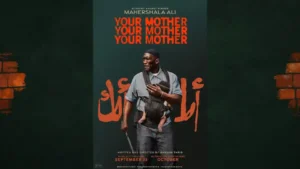
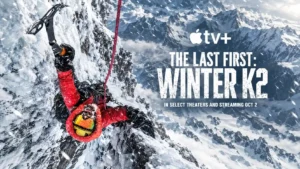
Your Mother Your Mother Your Mother
Where It Has the Edge
No clear scored advantage over the other product.

Scorata scores summarize analyzed review evidence on a 1–5 scale; they are not laboratory measurements or a simple average of customer star ratings. Feature scores summarize the reviews covering that feature. The overall score averages feature scores within each review, then combines review averages. When both expert and customer evidence are available, those two groups receive equal weight. Products can have different review coverage, so small score gaps do not establish a winner.
Recommendations prioritize important features for the category, with a score of at least 3.5, a gap of at least 0.25 points and at least two supporting reviews per product. Features with widely varying scores or broad connectivity contexts are excluded from recommendations. These safeguards do not establish statistical significance.
Quick verdict
The available evidence supports the recommendation below, but does not establish an overall winner. Check the remaining features against your priorities.
There is not enough comparable review evidence to recommend Your Mother Your Mother Your Mother over the other product.
Choose The Last First: Winter K2 for story quality and realism.
No clear scored advantage over the other product.
Scores are out of 5. Missing scores mean missing review evidence, not a missing feature.
The familiar retiring-hitman premise is substantially complicated by family drama and an unusually serious examination of Islamic faith. Reviewers praise that combination as a fresh hybrid.
The winter setting is distinctive, but the underlying K2 story of hubris and preventable danger can feel familiar from earlier mountain-disaster documentaries.
The action is usually praised as sharp, physical, and unusually legible, with sword fights that carry emotional consequence. A minority found the set pieces too brief or sparse for the way the film was marketed.
The climbing footage is dramatic but does not deliver the immersive, vertigo-heavy rush associated with the most kinetic mountaineering films.
The many religious, family, criminal, and satirical threads do not always connect cleanly. Some reviewers admire how details pay off, while others describe the narrative as scattered, tenuous, or not fully coherent.
Despite the many participants, the documentary often explains the chain of mistakes and systemic failures clearly and covers the expedition's major events in detail.
The conclusion is one of the clearest points of disagreement: some call it daring, audacious, or powerful, while others find it divisive, too convenient, or insufficiently satisfying. Its spiritual resolution works best for viewers already invested in the film’s themes.
The closing ideas can feel more like an impasse than a fully resolved conclusion.
Latif’s progression from rigid provider and killer toward a more vulnerable father is widely viewed as compelling. His inner journey often matters more than the external hitman plot.
The climbers can feel vivid and human when the film focuses on their personalities and motivations, but the crowded structure sometimes weakens investment in individual journeys, especially the Nepali team.
Pacing is mixed: some praise the swift narrative economy, while others find the first half deliberately slow or the overall rhythm sluggish. Its contemplative approach is likely to work better for patient viewers.
The large number of climbers, factions, and side stories can clog the film's pace and make the middle feel over-busy.
The film is praised for centering Black Muslim and Pakistani-American perspectives with specificity rather than treating faith as decoration. Its Muslim family life feels ordinary, textured, and unusually prominent for a studio action film.
The film adds valuable context around nationalism, colonial history, and indigenous mountaineering, but its treatment of the Nepali team's historic triumph can also feel patronizing and underdeveloped.
The core story is praised as involving and emotionally grounded, especially when focused on Latif’s everyday struggle to care for his children. Its more eccentric criminal threads draw somewhat more mixed reactions.
The expedition is generally shaped into a compelling, thought-provoking story with vivid human stakes. The strongest criticism is that too many parallel strands can dilute focus.
The film often succeeds at balancing brutality, grief, comedy, and spirituality, but this is also a source of disagreement. Some praise the tonal control; others find certain jokes, caricatures, or antagonist shifts jarring.
The film often balances respect for the dead with clear-eyed analysis, but its true-crime withholding and beautiful imagery occasionally clash with the sober message.
The editing is singled out as fluid and supportive of the film’s momentum. It keeps the action readable rather than reducing fights to a blur of cuts.
The assembly of firsthand footage, interviews, and social-media material is often praised as clear and seamless. The main counterpoint is that information withholding and too many story strands can make the structure feel manipulative or crowded.
Even with heightened villains and genre flourishes, the family dynamics and emotional pressure are often described as grounded and lived-in. The action also benefits from a sense of physical consequence.
The film strips away the romantic image of high-altitude climbing by emphasizing brutal cold, exhaustion, poor planning, and the mountain's indifference to human ambition.
As an action-thriller, the film stands out for mixing hitman conventions with faith, grief, and parenthood. Genre fans who accept the introspective emphasis generally find the result fresh and rewarding.
For mountaineering nonfiction fans, the film delivers gripping danger, striking scenery, and a more pointed social perspective than a conventional summit chronicle.
Reviewers repeatedly call the film fresh, singular, or unlike other studio action movies, especially for building a hitman story around breast milk, Muslim faith, and fatherhood. The familiar one-last-job framework is made strange in productive ways.
Rather than glorifying extreme climbing, the film uses the expedition as a social and moral critique. That anti-mountaineering-film angle is repeatedly presented as a distinctive strength.
The film builds strong tension through both violent threats and family stakes. Its most effective stretches are described as gripping, nail-biting, or edge-of-your-seat.
The film repeatedly generates strong tension from dangerous climbs, known fatalities, and carefully delayed revelations. Its true-crime-like suspense works for many, though some dislike the withholding.
Faith, grief, violence, hypocrisy, mercy, and parental duty are treated as intertwined rather than separate topics. Reviewers generally find the spiritual questions unusually serious for an action film, even when some themes get lost in the chaos.
This is much more than a survival chronicle, digging into ambition, class, nationalism, colonial history, social media, commercialization, and responsibility. Even a more skeptical critic still calls it thought-provoking.
Hwan’s menace works because it is controlled rather than purely theatrical. Reviewers describe him as genuinely scary, frightening, unpredictable, and effectively menacing.
First-person climbing footage can be genuinely terrifying, using sheer drops and precarious conditions to create fear without conventional horror devices.
The family drama gives the action story its emotional center, particularly grief, parenthood, and strained faith. Reviewers generally find those domestic stakes more involving than a conventional hitman setup.
The documentary captures the expedition's dark human drama effectively, even when it stops short of the exhilarating heights of the best climbing thrillers.
The humid, saturated imagery and intimate close-ups earn strong praise, with several reviewers calling the film gorgeous or among the year’s best-looking. The camera gives both family scenes and violence a tactile presence.
K2 is consistently presented with breathtaking scale and beauty, from stark landscapes to terrifying on-mountain footage. The imagery is one of the film's most widely praised strengths.
Bassam Tariq earns strong praise for balancing intimate family drama, religious reflection, humor, and violent action without losing a distinct point of view. Even critics of the film’s messier passages tend to admire his ambition and visual command.
Bar-Lev is widely praised for balancing compassion, accountability, and competing motives without reducing the story to simple heroes and villains. A few structural choices draw criticism, but the overall approach is thoughtful and controlled.
Grief, family pressure, and spiritual doubt give the film a strong emotional pull. Several reviewers describe the final stretch and father-daughter material as especially affecting.
The deaths, grieving families, and climbers' personal stakes make the film harrowing and often deeply affecting, though its crowded structure can sometimes blunt that emotional connection.
The film’s ideas about mercy, grace, faith, responsibility, and being present for family resonate strongly. Its moral argument avoids reducing redemption to one heroic act.
The critique of ambition, commercialization, social-media pressure, and shared risk is often thought-provoking and forceful. Beautiful mountain imagery and an occasionally diffuse structure can undercut that warning.
The film’s most distinctive emotional thread is Latif learning that providing and protecting are not enough; he has to become present, nurturing, and vulnerable. Reviewers repeatedly praise that treatment of fatherhood as the story’s heart.
A father-and-son strand is described as tender, adding a personal family dimension to the larger competition and tragedy.
The film is seen as a strong theatrical proposition for viewers open to an action movie with spiritual and family concerns. Its unusual mix may be less immediate for audiences expecting nonstop combat.
The film has clear appeal for documentary and mountaineering fans, and its social themes broaden the hook beyond climbing. Its less exhilarating, more analytical approach may limit mainstream thrill-seeker appeal.
Despite its meditative stretches, the film is repeatedly described as entertaining, funny, and gripping. Its appeal comes from the contrast between domestic urgency and bursts of heightened action.
The documentary is tense, interesting, and often thrilling, but it is more sobering than exhilarating. Viewers seeking a pure climbing rush may find the experience deliberately less escapist.
The saturated color, sweaty close-ups, neon, shadow, and stylized religious imagery give the film a distinctive look. Reviewers frequently describe it as beautiful, rich, or visually immaculate.
The film contrasts majestic, almost romantic mountain beauty with claustrophobic and brutal conditions, creating a striking visual tension between allure and danger.
Performances are a major strength, with repeated praise for the cast’s control, vulnerability, menace, and comic timing. Even more mixed reactions to the film rarely fault the acting.
The chronology and causes of the disaster are presented with a strong sense of documentation and clarity, leaving little doubt about many of the key events.
Mahershala Ali’s performance is the strongest point of consensus, praised for physical authority, restraint, grief, warmth, and quiet shame. Multiple reviewers call it among his best work or among the year’s best performances.
One review directly argues that the action-heavy promotion misrepresents a film that is far more meditative and family-focused. Viewers expecting a nonstop samurai-style action movie may be surprised by how sparse the combat is.
The ensemble is widely praised, with the younger cast and colorful antagonists giving the film warmth, humor, and tension around Ali’s central performance.
The documentary makes strong use of footage captured during the expedition, turning material recorded by climbers and other filmmakers into an immediate account of events.
The father-daughter relationship is the clearest chemistry highlight, especially the push-and-pull between Latif and Fatiha. Other family and comic pairings also help the film feel lived-in.
The filmmaking process is described as unusually collaborative, with the director crediting a strong team for shaping the final documentary.
Dialogue is praised as purposeful, with lines tied closely to character, faith, and payoff. The film’s conversations often carry as much weight as its fights.
The film generally shows restraint around tragedy and deliberately omits some deeply invasive material, but its use of visible frozen bodies can still feel somewhat exploitative.
The humor is a consistent surprise, ranging from awkward parenting to eccentric side characters and darkly comic violence. Most reviewers find it effective levity, though a few note tonal clashes.
Interviews are woven into the on-mountain material effectively, helping the documentary turn a large collection of firsthand sources into a coherent narrative.
Withholding some identities risks feeling manipulative, but controlled foreshadowing and tone help the concealment work.
The romantic subplot can feel shoehorned into an already crowded narrative.
Son Lux’s electronic score receives emphatic praise, with several reviewers calling it incredible, wonderful, or among the year’s best. It adds propulsion while reinforcing the film’s spiritual and cultural texture.
The screenplay is praised for turning a practical parenting crisis into a vehicle for questions about faith, violence, and grace. Some reviewers note clunkier or scattered material, but the writing is generally seen as ambitious and purposeful.
The violence is graphic and bloody, but several reviewers appreciate that it carries consequence rather than functioning as empty spectacle. One critic found the graphic intensity distracting enough to slow the story.
Early critical response is described as exceptionally enthusiastic, including a perfect initial aggregate score cited by one source. The supplied reviews themselves are overwhelmingly favorable despite recurring caveats.
The film’s wealthy compounds, worship spaces, strip-club environments, and other heightened locations are praised for looking colorful and spectacular. Those spaces help the action feel specific rather than generic.
The sound work receives a direct positive mention for adding noticeably to the film. It supports the intensity of the action and atmosphere.
Houston is rendered as an immersive collision of Muslim, evangelical, Mormon, criminal, and working-class communities. The detailed social environment makes the heightened premise feel unusually specific.

Best for pristine archival footage, immersive sound, and a surprisingly tense look at Disneyland’s construction. Skip it if you want a comprehensive, deeply critical history; several reviewers found the 78–79-minute...
Pros: plot clarity, realism
Cons: plot originality, runtime

Best for an intimate, inventive archival portrait with strong emotional and cultural impact. Skip it if substantial nudity or an occasionally wandering biographical structure will frustrate you.
Pros: chemistry between characters, emotional impact
Cons: runtime, plot clarity
Best for an audacious, text-driven conspiracy thriller with gorgeous 16mm atmosphere and mounting dread. Skip it if long stretches of reading, deliberate repetition, and an intentionally austere narrative sound more...
Pros: story quality, plot clarity
Cons: chemistry between characters, sound design

Best for slow-burn suspense, iconic synth music, and shadow-soaked filmmaking that still feels influential. Skip it if you need fast pacing, polished sound, consistently natural dialogue, or modern gore-heavy kills.
Pros: chemistry between characters, directing quality
Cons: sound design, dialogue quality