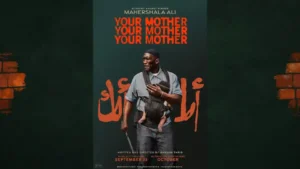
Your Mother Your Mother Your Mother
Where It Has the Edge
No clear scored advantage over the other product.

Scorata scores summarize analyzed review evidence on a 1–5 scale; they are not laboratory measurements or a simple average of customer star ratings. Feature scores summarize the reviews covering that feature. The overall score averages feature scores within each review, then combines review averages. When both expert and customer evidence are available, those two groups receive equal weight. Products can have different review coverage, so small score gaps do not establish a winner.
Recommendations prioritize important features for the category, with a score of at least 3.5, a gap of at least 0.25 points and at least two supporting reviews per product. Features with widely varying scores or broad connectivity contexts are excluded from recommendations. These safeguards do not establish statistical significance.
Quick verdict
The available evidence supports the recommendation below, but does not establish an overall winner. Check the remaining features against your priorities.
There is not enough comparable review evidence to recommend Your Mother Your Mother Your Mother over the other product.
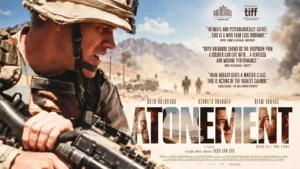
Choose Atonement for drama quality and chemistry between characters.
No clear scored advantage over the other product.
Scores are out of 5. Missing scores mean missing review evidence, not a missing feature.
The editing is singled out as fluid and supportive of the film’s momentum. It keeps the action readable rather than reducing fights to a blur of cuts.
The chaptered middle can feel overextended and less propulsive. A tighter structure and less time on the journalist subplot would sharpen the film.
The many religious, family, criminal, and satirical threads do not always connect cleanly. Some reviewers admire how details pay off, while others describe the narrative as scattered, tenuous, or not fully coherent.
Even during the chaotic firefight, the geography and converging characters remain easy to follow.
The familiar retiring-hitman premise is substantially complicated by family drama and an unusually serious examination of Islamic faith. Reviewers praise that combination as a fresh hybrid.
The shift from battlefield action to long-tail guilt and reconciliation feels fresher than standard Iraq War formulas, although the soldier-PTSD storyline can fall back on familiar beats.
The screenplay is praised for turning a practical parenting crisis into a vehicle for questions about faith, violence, and grace. Some reviewers note clunkier or scattered material, but the writing is generally seen as ambitious and purposeful.
The script is strongest when it trusts silence, parallel perspectives, and moral ambiguity. Its main weakness is an overextended journalist strand and occasional tendency to underline themes.
The violence is graphic and bloody, but several reviewers appreciate that it carries consequence rather than functioning as empty spectacle. One critic found the graphic intensity distracting enough to slow the story.
The war violence is intense but deliberately unsensationalized, keeping attention on victims and consequences rather than spectacle.
The film is praised for centering Black Muslim and Pakistani-American perspectives with specificity rather than treating faith as decoration. Its Muslim family life feels ordinary, textured, and unusually prominent for a studio action film.
The Iraqi-Armenian perspective is unusually central for an American Iraq War drama, especially in the opening. The main fault line is whether the later focus on Lou still sidelines the family too much.
Reviewers repeatedly call the film fresh, singular, or unlike other studio action movies, especially for building a hitman story around breast milk, Muslim faith, and fatherhood. The familiar one-last-job framework is made strange in productive ways.
The aftermath-centered angle and Iraqi civilian perspective refresh a well-worn war-film setup. The soldier-PTSD thread and parts of the opening can still feel familiar.
The family drama gives the action story its emotional center, particularly grief, parenthood, and strained faith. Reviewers generally find those domestic stakes more involving than a conventional hitman setup.
The film is a sensitive, moving character drama whose strongest material comes from the difficult reunion rather than battlefield spectacle.
The father-daughter relationship is the clearest chemistry highlight, especially the push-and-pull between Latif and Fatiha. Other family and comic pairings also help the film feel lived-in.
The restrained face-to-face tension between Lou and Mariam makes silences and small gestures feel charged. Their quiet sparring is one of the film’s strongest dramatic elements.
The film builds strong tension through both violent threats and family stakes. Its most effective stretches are described as gripping, nail-biting, or edge-of-your-seat.
The combat opening builds clear, escalating tension, while the later reunion creates a quieter kind of suspense through anticipation and silence.
Pacing is mixed: some praise the swift narrative economy, while others find the first half deliberately slow or the overall rhythm sluggish. Its contemplative approach is likely to work better for patient viewers.
The deliberate rhythm suits the quiet moral drama for some viewers, but the middle can drag, especially around Michael’s subplot and Lou’s extended postwar spiral.
Latif’s progression from rigid provider and killer toward a more vulnerable father is widely viewed as compelling. His inner journey often matters more than the external hitman plot.
Lou, Mariam, and Michael gain layered guilt, grief, and moral ambiguity, though the Iraqi family gets less interior space than some of the material seems to promise.
Dialogue is praised as purposeful, with lines tied closely to character, faith, and payoff. The film’s conversations often carry as much weight as its fights.
The quiet, restrained exchanges avoid tidy speeches and let silence carry meaning, though some conversations feel overly deliberate about the themes.
Bassam Tariq earns strong praise for balancing intimate family drama, religious reflection, humor, and violent action without losing a distinct point of view. Even critics of the film’s messier passages tend to admire his ambition and visual command.
Reed Van Dyk’s debut earns broad praise for controlled staging, sensitivity, and performance direction. The main criticism is structural, with the middle and expanded journalist material feeling less focused.
Even with heightened villains and genre flourishes, the family dynamics and emotional pressure are often described as grounded and lived-in. The action also benefits from a sense of physical consequence.
The film favors naturalistic performance, grounded environments, and unsensationalized violence. Its strongest scenes feel lived-in rather than theatrically engineered.
The film often succeeds at balancing brutality, grief, comedy, and spirituality, but this is also a source of disagreement. Some praise the tonal control; others find certain jokes, caricatures, or antagonist shifts jarring.
The restrained, unassuming tone generally keeps melodrama in check and treats violence seriously. The pivot from familiar combat to quieter drama can feel slightly too deliberate.
As an action-thriller, the film stands out for mixing hitman conventions with faith, grief, and parenthood. Genre fans who accept the introspective emphasis generally find the result fresh and rewarding.
As an Iraq War drama, it stands out by focusing on aftermath, guilt, and moral injury instead of sustained combat. Its restraint and performances give familiar genre material unusual weight.
The conclusion is one of the clearest points of disagreement: some call it daring, audacious, or powerful, while others find it divisive, too convenient, or insufficiently satisfying. Its spiritual resolution works best for viewers already invested in the film’s themes.
The restrained closing image often works because it avoids easy catharsis and lingers afterward. The main reservation is that it can feel too resolved for the pain that precedes it.
Faith, grief, violence, hypocrisy, mercy, and parental duty are treated as intertwined rather than separate topics. Reviewers generally find the spiritual questions unusually serious for an action film, even when some themes get lost in the chaos.
Guilt, grief, responsibility, moral injury, forgiveness, and the unequal costs of war are explored with substantial nuance. The strongest material refuses to turn reconciliation into a simple cure.
The core story is praised as involving and emotionally grounded, especially when focused on Latif’s everyday struggle to care for his children. Its more eccentric criminal threads draw somewhat more mixed reactions.
The core true-story drama is humane, morally difficult, and emotionally compelling. Its biggest fault line is whose perspective gets priority after the opening.
The film’s ideas about mercy, grace, faith, responsibility, and being present for family resonate strongly. Its moral argument avoids reducing redemption to one heroic act.
The film asks who bears the cost of war, what forgiveness can mean, and whether absolution can repair irreversible loss. Its refusal of easy answers is a strength, even when the perspective feels too narrow.
Grief, family pressure, and spiritual doubt give the film a strong emotional pull. Several reviewers describe the final stretch and father-daughter material as especially affecting.
The film lands hard through the opening tragedy, accumulated grief, and quiet reunion. Its most powerful moments are wrenching, devastating, and difficult to shake.
The humid, saturated imagery and intimate close-ups earn strong praise, with several reviewers calling the film gorgeous or among the year’s best-looking. The camera gives both family scenes and violence a tactile presence.
Face-focused framing and progressively stripped-back compositions keep attention on expression and silence, giving both combat and domestic rooms strong emotional presence.
The action is usually praised as sharp, physical, and unusually legible, with sword fights that carry emotional consequence. A minority found the set pieces too brief or sparse for the way the film was marketed.
The Baghdad firefight is tense, spatially clear, immersive, and emotionally brutal. A few reactions find the setup familiar, but the staging and immediacy remain major strengths.
Early critical response is described as exceptionally enthusiastic, including a perfect initial aggregate score cited by one source. The supplied reviews themselves are overwhelmingly favorable despite recurring caveats.
Early critical and festival attention has been positive around the writing and performances, with Boyd Holbrook in particular drawing notice.
The film is seen as a strong theatrical proposition for viewers open to an action movie with spiritual and family concerns. Its unusual mix may be less immediate for audiences expecting nonstop combat.
The film prompted unusually attentive festival reactions and looks especially suited to viewers seeking serious war-aftermath drama rather than battlefield spectacle.
The sound work receives a direct positive mention for adding noticeably to the film. It supports the intensity of the action and atmosphere.
The opening firefight uses deafening gunfire to heighten confusion and danger, making sound one of the sequence’s standout craft elements.
Houston is rendered as an immersive collision of Muslim, evangelical, Mormon, criminal, and working-class communities. The detailed social environment makes the heightened premise feel unusually specific.
Baghdad and the later California homes feel inhabited and specific, with street textures and domestic details grounding the story in recognizable lived environments.
The saturated color, sweaty close-ups, neon, shadow, and stylized religious imagery give the film a distinctive look. Reviewers frequently describe it as beautiful, rich, or visually immaculate.
The film moves from chaotic, immersive war staging to spare domestic compositions, using faces, rooms, and environmental detail to carry emotion.
The film’s wealthy compounds, worship spaces, strip-club environments, and other heightened locations are praised for looking colorful and spectacular. Those spaces help the action feel specific rather than generic.
Baghdad’s streets and later domestic spaces feel textured and specific, with environmental detail grounding both the combat and the quieter character work.
Performances are a major strength, with repeated praise for the cast’s control, vulnerability, menace, and comic timing. Even more mixed reactions to the film rarely fault the acting.
The ensemble is a major strength, with Boyd Holbrook and Hiam Abbass drawing the heaviest praise and Kenneth Branagh generally valued for restraint. Even harsher takes on the story still find the performances compelling.
The ensemble is widely praised, with the younger cast and colorful antagonists giving the film warmth, humor, and tension around Ali’s central performance.
Hiam Abbass and Kenneth Branagh provide strong support around Holbrook, while Gheed makes a vivid impression despite limited screen time.
Mahershala Ali’s performance is the strongest point of consensus, praised for physical authority, restraint, grief, warmth, and quiet shame. Multiple reviewers call it among his best work or among the year’s best performances.
The central acting is a standout, with Holbrook’s shattered veteran and Abbass’s controlled grief carrying much of the film’s power.
Despite its meditative stretches, the film is repeatedly described as entertaining, funny, and gripping. Its appeal comes from the contrast between domestic urgency and bursts of heightened action.
The adaptation drops some of the source article’s more probing material about the Iraqi women’s post-attack experience and broader institutional failures, narrowing part of its moral inquiry.
The film’s most distinctive emotional thread is Latif learning that providing and protecting are not enough; he has to become present, nurturing, and vulnerable. Reviewers repeatedly praise that treatment of fatherhood as the story’s heart.
The humor is a consistent surprise, ranging from awkward parenting to eccentric side characters and darkly comic violence. Most reviewers find it effective levity, though a few note tonal clashes.
Lou’s trauma feels physically and emotionally credible at its best, especially through Holbrook’s jittery, exhausted performance. The arc is effective but not always seen as groundbreaking.
The length is felt most in the middle, where detours around Lou and Michael slow momentum before the final reunion.
Hwan’s menace works because it is controlled rather than purely theatrical. Reviewers describe him as genuinely scary, frightening, unpredictable, and effectively menacing.
Son Lux’s electronic score receives emphatic praise, with several reviewers calling it incredible, wonderful, or among the year’s best. It adds propulsion while reinforcing the film’s spiritual and cultural texture.
The real-world material is recreated with close attention to participants’ subjective experiences and a grounded, lived-in sense of place.
One review directly argues that the action-heavy promotion misrepresents a film that is far more meditative and family-focused. Viewers expecting a nonstop samurai-style action movie may be surprised by how sparse the combat is.

Best for pristine archival footage, immersive sound, and a surprisingly tense look at Disneyland’s construction. Skip it if you want a comprehensive, deeply critical history; several reviewers found the 78–79-minute...
Pros: plot clarity, realism
Cons: plot originality, runtime
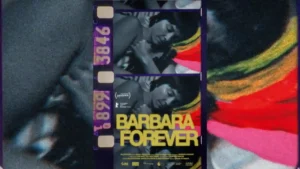
Best for an intimate, inventive archival portrait with strong emotional and cultural impact. Skip it if substantial nudity or an occasionally wandering biographical structure will frustrate you.
Pros: chemistry between characters, emotional impact
Cons: runtime, plot clarity
Best for an audacious, text-driven conspiracy thriller with gorgeous 16mm atmosphere and mounting dread. Skip it if long stretches of reading, deliberate repetition, and an intentionally austere narrative sound more...
Pros: story quality, plot clarity
Cons: chemistry between characters, sound design

Best for slow-burn suspense, iconic synth music, and shadow-soaked filmmaking that still feels influential. Skip it if you need fast pacing, polished sound, consistently natural dialogue, or modern gore-heavy kills.
Pros: chemistry between characters, directing quality
Cons: sound design, dialogue quality