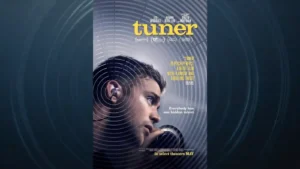
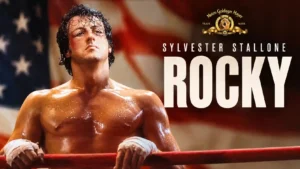
Tuner
Where It Has the Edge
- emotional impact is 5.0 vs 4.7. The mentor bond and Niki’s struggle to return to music give the ending a strong emotional pull for...

Scorata scores summarize analyzed review evidence on a 1–5 scale; they are not laboratory measurements or a simple average of customer star ratings. Feature scores summarize the reviews covering that feature. The overall score averages feature scores within each review, then combines review averages. When both expert and customer evidence are available, those two groups receive equal weight. Products can have different review coverage, so small score gaps do not establish a winner.
Recommendations prioritize important features for the category, with a score of at least 3.5, a gap of at least 0.25 points and at least two supporting reviews per product. Features with widely varying scores or broad connectivity contexts are excluded from recommendations. These safeguards do not establish statistical significance.
Quick verdict
The review evidence points to a tradeoff: emotional impact versus entertainment value. Choose according to which strengths matter more to you; the overall score alone does not settle that choice.
Choose Tuner for emotional impact.
Choose Rocky for entertainment value.
Scores are out of 5. Missing scores mean missing review evidence, not a missing feature.
Close views of keys, strings, and locks bring tactile detail, although a few viewers find the photography less distinctive than the sound.
Grimy Philadelphia streets, expressive compositions and moving training shots lend the film a distinct physical world. Some critics find the camera work uneven indoors.
Brisk editing and short montages keep the story moving for most; a few feel the middle or late stretch drags.
The film spends much of its running time on small conversations and relationships before the major fight. Admirers value that patience, while others find the early stretches slow.
Reactions to the final act split: some find its musical payoff moving, while others object to coincidences, abruptness, or unresolved threads.
The final fight makes endurance and love more important than the championship result, producing a powerful emotional finish. Some viewers find the conclusion abrupt or overly engineered.
The script balances family loyalty, romance, and crime with deft setups, but its convenient final act is the most common complaint.
Stallone’s script makes awkward conversations and small acts of kindness as consequential as the championship fight. Some find its old-fashioned plotting blunt or overly generous to its lead.
The jazzy score supports the film’s rhythm and musical setting, though a few find the cues intrusive.
Bill Conti’s stirring brass and melancholy piano give the training and intimate scenes their emotional shape.
The film connects talent, disability, and the pressure to earn a living, giving its light caper a thoughtful undertone.
Its clearest triumph is the idea that effort, self-respect and love can matter more than winning a title.
The hearing driven safecracking idea stands out, while the overall criminal arc often follows recognizable patterns.
The underdog formula and familiar twists are hardly new, yet the characters and lived-in details give the familiar story its identity.
Quick cuts and rhythmic montages make piano tuning and safecracking lively. A few find the technique busy or intrusive.
The training and final-bout editing make physical effort feel cumulative and stirring, although some dramatic cuts are conspicuously uneven.
The film’s New York Jewish and immigrant milieu adds texture for some viewers; a few question how fully it develops those cultural threads.
Apollo’s racial framing and the film’s period politics draw some discomfort even when his character is allowed nuance.
The light romantic opening shifts toward violent crime; some praise the balance and others feel the turn jars.
Tonal consistency is a notable strength, adding texture and conviction to the drama.
Roher’s first narrative feature is admired for its assured blend of intimate drama and sensory suspense. Some find his later plotting or tonal shifts less controlled.
Avildsen balances the intimate neighborhood scenes with a stirring boxing climax and strong use of location. A minority fault his cramped interiors or workmanlike staging.
Details of piano tuning feel convincing, though some viewers question the ease of the heists and late coincidences.
The ordinary conversations and shabby surroundings feel unusually lived-in despite the unlikely championship premise. A dissenting critic finds the whole affair unconvincing.
The mentor bond and Niki’s struggle to return to music give the ending a strong emotional pull for many viewers.
Its emotional payoff goes beyond the boxing result, with viewers responding strongly to Rocky’s search for dignity and Adrian’s affection. A minority find its sentiment manipulative or less moving.
The film favors tightly staged break-ins over large action set pieces; some enjoy that scale, while others want more excitement.
The climactic bout feels exciting and hard-won, making a limited amount of boxing count. A few observers notice sparse staging or uneven technical execution.
The quick banter between Niki and Harry provides many of the early laughs, while occasional lines in the crime plot strike some as forced.
Rocky’s halting jokes and half-formed declarations give the relationships warmth and individuality. Some find the exchanges stilted, but others see that awkwardness as the point.
Niki’s lost musical ambitions and loyalty to Harry give the story a human center. Some find the supporting criminals too thinly drawn.
Rocky’s effort to believe in himself and Adrian’s gradual emergence give the film its momentum. A few critics wish Paulie and the other supporting characters had fuller arcs.
Niki and Ruthie’s shared musical passion makes their romance the heart of the film for many; a few find it rushed or thin.
The awkward, tender bond between Rocky and Adrian is one of the film’s biggest surprises. A few viewers find the early courtship pushy or the relationship insufficiently developed.
Harry’s banter and the contrast between the two tuners add welcome levity, though the laughs fade as the crime plot darkens.
Awkward jokes and small character reactions provide humor amid the hardship without turning the film into a broad comedy.
The film’s strongest ideas concern lost vocation, found family, and the costs of using a gift for money.
Perseverance, working-class dignity and the need for connection give the familiar boxing premise emotional depth.
Critical praise centers on the performances and immersive sound, with repeated reservations about familiar plotting.
The strongest praise centers on the film’s emotional honesty, while skeptical critics question its sentimental manipulation and conventional plotting.
The sound mix moves from muffled quiet to painful noise to put viewers inside Niki’s hearing. This immersive craft is one of the clearest strengths.
Impactful punches strengthen the brutal finale, although one critic reports uneven sound editing.
New York’s pianos, conservatory, wealthy homes, and street noise give the story a distinctive setting.
The worn, functional gym and modest living spaces give the surroundings a believable texture.
Mechanical close ups and brisk city montages lend energy, although a few find the style too fussy.
The rough, unpolished look generally suits the working-class material, though it can seem uneven in some versions.
Most call it a charming, absorbing watch built around an unusual skill. A smaller group finds the familiar caper too dull or contrived.
Most viewers leave moved, excited and impressed, particularly by the unexpected balance of romance and physical competition.
Hoffman and Liu draw especially strong support around Woodall, while some reviewers want more for the smaller roles.
The supporting players bring warmth, resentment, humor and frailty to the gym and neighborhood. A few performances feel broader or less developed than the leads.
Woodall’s quiet, physically expressive lead turn wins broad praise for conveying skill and pain without much dialogue. A few find him too blank or miscast.
Stallone’s mumbling, vulnerable, unexpectedly gentle Rocky is central to the film’s appeal. A sharp dissent regards his mannerisms as acting rather than a believable character.
The cast is widely praised for making the modest crime story engaging, though a few voices find the lead or supporting roles thinner than the premise deserves.
The cast generally earns enthusiastic praise for making tough, damaged people sympathetic, although a few critics question particular performances.
The rough streets, modest gyms and everyday conversations firmly situate the drama in the struggling urban world of the 1970s.
The chance to rise from obscurity draws on American-dream optimism while acknowledging the working-class hardship and commercial spectacle around the fight.
Street grime and gym sweat sit alongside unexpected warmth, giving the underdog tale a convincing blue-collar mood.
Woodall and Liu are often credited with natural romantic chemistry, and Woodall’s rapport with Hoffman gives the mentor bond warmth. A minority find the romance unconvincing.
The performers fit the battered, ordinary people they portray, making the unlikely boxing fairytale feel grounded.
The film portrays bruised, overlooked workers with compassion, although some critics detect patronizing attitudes toward its blue-collar characters.
The early romance is affecting for many, but Rocky’s persistence and the treatment of Adrian can feel uncomfortable through a modern lens.
Its training imagery and underdog storytelling remain touchstones for later sports movies and popular culture.
Some dialogue, particularly Stallone’s muffled speech during the bout, can be hard to follow; subtitles may help.
The personal stakes around Harry’s illness and Niki’s abandoned music career deepen the caper, though some prefer the gentler first half.
The easy affection between Niki and Harry is a recurring highlight, making Niki’s risky attempt to help him emotionally credible.
Its blend of romance, character drama, and heist suspense appeals to many, while viewers seeking a harder edged crime film may find the genre mix uneven.
The film conveys the pain and isolation of hypersensitive hearing through its sound, making Niki’s condition central to the experience.
The distinctive lighting and restrained look strengthen the film’s unpolished, everyday quality.
Philadelphia feels worn, cold and unmistakably lived in, from its neighborhood blocks to the art-museum steps.
Bruises, swelling and damaged faces make the championship fight look punishing and physically credible.
The training run, art-museum steps, exchanges with Adrian and final embrace have become remarkably enduring images.
The safecracking premise is easy to follow, but late coincidences and plot turns test plausibility for many.
Adrian gains emotional independence, but the surrounding male characters sometimes treat women possessively and demeaningly.
Its roughly two hour length moves smoothly for many viewers, though some think scenes could have been trimmed.
Many embrace the unabashedly heartwarming resolution; a vocal minority feel the film works too hard to direct their emotions.
The simple chance-at-a-title premise becomes a surprisingly affecting story about a man trying to matter. A few detractors find the fairy-tale setup contrived, but most are drawn in by the intimate character drama.
Clicks inside locks, sudden alarms, and escalating criminal pressure create suspense without constant action.
The running, gym work and famous museum steps transform repetitive effort into a soaring moment of self-belief.
Villain quality is a notable strength, adding texture and conviction to the drama.
The final bout’s blood, swelling and repeated punches can feel distressingly graphic, especially the eye injury.
This contribution earns a clear favorable response.
The audio description is usable, but its quality is judged only functional.
Jazz and piano music enrich the setting, though specific song choices and original pieces draw occasional reservations.
Rocky wins affection for the decency beneath his rough manner; even prickly supporting characters feel worth following.
The shoestring production usually feels resourceful and cinematic, although sparse crowds and occasional stock footage show its limits.
The character details, music and familiar moments reward repeat visits; some viewers return to this installment more than its sequels.

A deeply human coming-of-age drama carried by remarkable performances and an honest portrayal of grief. Its gentle optimism moves most viewers, though some find the final stretch hurried or overly...
Pros: Grief portrayal, acting performance
Cons: pacing

Billie Jean King’s magnetic first-person storytelling makes this an exhilarating portrait of athletic courage and social change. The filmmaking follows a familiar documentary structure, and her full tennis résumé gets...
Pros: entertainment value, Biographical coverage
Cons: Narrative structure

Choose this inventive, unsettling documentary for fearless questioning, dark humor, and unpredictable storytelling. Skip it if you want a short, straightforward exposé with definitive answers.
Pros: originality, humor

A singular voice, powerful piano playing and intimate film photography make this concert absorbing for receptive listeners. Its uninterrupted, often similar-sounding songs and lack of background context are an acquired...
Pros: directing quality, cinematography
Cons: pacing, Song variety