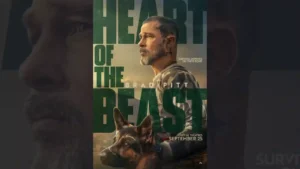
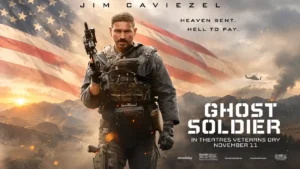
Heart of the Beast
Where It Has the Edge
- emotional impact is 4.6 vs 1.5. The loyal bond and final stretch leave many viewers in tears. A few find the sentiment pushed too...

Scorata scores summarize analyzed review evidence on a 1–5 scale; they are not laboratory measurements or a simple average of customer star ratings. Feature scores summarize the reviews covering that feature. The overall score averages feature scores within each review, then combines review averages. When both expert and customer evidence are available, those two groups receive equal weight. Products can have different review coverage, so small score gaps do not establish a winner.
Recommendations prioritize important features for the category, with a score of at least 3.5, a gap of at least 0.25 points and at least two supporting reviews per product. Features with widely varying scores or broad connectivity contexts are excluded from recommendations. These safeguards do not establish statistical significance.
Quick verdict
The available evidence supports the recommendation below, but does not establish an overall winner. Check the remaining features against your priorities.
Choose Heart of the Beast for emotional impact.
There is not enough comparable review evidence to recommend Ghost Soldier over the other product.
No clear scored advantage over the other product.
Scores are out of 5. Missing scores mean missing review evidence, not a missing feature.
The loyal bond and final stretch leave many viewers in tears. A few find the sentiment pushed too hard or do not share the same catharsis.
The threatened family and soldier’s sense of obligation offer an emotional entry point, but stiff characterization and a heavily armed, nearly invincible hero limit empathy for many.
River crossings, predators, and worsening injuries keep many viewers tense despite the opening reassurance about Odin. Predictability reduces tension for some.
With a hero equipped to defeat virtually everyone, danger can seem remote even before the story’s inevitable final battle.
The clear goal of reaching the road makes the journey easy to follow.
The battle over land and water establishes a straightforward good-versus-evil conflict. Later logistics, convenient interventions and rushed action can nevertheless undermine coherence.
The simple script focuses on shared survival and affection. Praise for its emotional clarity sits beside criticism of convenient devices and repeated calamities.
Chris Papasadero builds an accessible conflict around property rights and corporate intimidation, but familiar one-man-army beats, thin exposition and stock dialogue weigh down the screenplay.
David Ayer handles the stripped down survival story with skill, though the ending and familiar plot leave a few viewers wanting more restraint.
William Eubank supplies energetic flourishes and appealing action imagery for some, while others find the blocking pedestrian or the narrative too incoherent to build excitement.
The digital wildlife creates danger but can also make the encounters feel less immediate than the practical action.
One climactic gadget is undermined by unconvincing effects and dubious physical logistics.
The compact length keeps the journey moving for viewers who value a focused story.
At roughly 90 minutes, the film feels lean and efficient to supporters. Several others say that the same brevity shortchanges characters or makes the last act too compressed.
The crash, river crossing, and wildlife encounters give the trek visceral stakes. A few viewers wanted less peril or found the largest set pieces overdone.
The gunplay and gadget-driven showdowns work for fans of old-school action. Other reactions fault choppy editing, short fights and a climax with less clarity or excitement than promised.
The direct survival plot makes room for the bond at its center. Familiar beats and a relentless series of setbacks are its main limits.
A former soldier protecting neighbors from a ruthless corporate land grab is an easy premise to grasp. For many, the thin revenge storyline and predictable escalation offer too little beyond that setup.
The finale often lands as moving and bittersweet, though its predictability and explanatory coda blunt the effect for some.
An extended assault gives action devotees a payoff, and some find the ending satisfying. Others call it chaotic, preposterous or compressed into an unconvincing timetable.
Digital bears and wolves are the most common visual complaint: several find them conspicuous beside the natural locations and real dog. A minority find the effects convincing enough.
The final assault and digital effects look rushed or unconvincing to several critics, including complaints about synthetic-looking images and compositing.
One critic feels the Inuit music functions as atmosphere without enough substance.
The film’s foreign financiers and mercenaries are criticized as reductive symbols used to make a simplistic patriotic conflict.
James earns empathy through stoicism and devotion to Odin, but some find his life outside the military thinly drawn.
Fitz rarely gains depth beyond his military skill, moral certitude and bond with young Jack. Critics also regret that most allies and enemies are little more than targets or spectators.
Preparedness and practical locations ground much of the trek. Stacked injuries and certain predator encounters strain belief for others.
The small-town land dispute aims for plausibility, but the all-powerful hero, cartoonish corporation and near-magical weapons routinely strain credibility.
The score can heighten the scale and tenderness with restraint, but a few hear it as syrupy or emotionally insistent.
Music gives a cinematic sweep in one assessment, but another finds the background score too conventional to rescue the action.
The man-and-dog reactions and brisk passages work well for some. Combat flashbacks, a revealing opening, and a minor continuity slip draw recurring criticism.
Quick cuts and tight close-ups frequently make fights difficult to follow. A few appreciate the kinetic style and slow-motion emphasis, especially around the experimental weaponry.
Sparse dialogue suits the isolated trek for some, while awkward one-sided lines or long silences leave others detached.
Religious one-liners and action-hero declarations can be amusing in a pulpy context. More frequently they come across as hackneyed, overly earnest or simply hard to take seriously.
The succession of survival hazards rarely surprises, yet several viewers still find its conventional structure satisfying.
The retired commando defending a rural community follows a conspicuously familiar formula. Only the unusual military prototypes and AI-data-center angle provide much novelty.
The dog’s survival is reassuring, but graphic injury and sustained animal peril can be difficult for younger or sensitive viewers.
Several perspectives explicitly discourage family viewing because of strong combat and profanity, although one more favorable response sees it as more accessible than rougher action films.
Simmons supplies a brief, welcome bit of levity before the trek turns grim.
The swaggering one-liners and ludicrous gadgets can be amusing in the right mood, sometimes unintentionally. Other critics regard the same broad comedy as forgettable or awkwardly serious.
Wide wilderness views show both the beauty and danger of the journey. The locations and camera work are among the most consistently praised elements.
Broad landscapes, forests and lively stunt photography provide a striking visual scale. A few responses object to generic drone footage or overactive camera movement.
The bone injuries and bloody survival scenes are painful viewing, though their brutality reinforces the danger.
The movie features frequent armed combat, stabbings and deaths, but its PG-13 restraint frustrates viewers hoping for more graphic payoffs. Content-conscious families also find the combat too intense.
Many praise the steady 101 minute pace, while others find the opening or quiet walking scenes slow and the obstacle rhythm repetitive.
The short running time keeps the film moving for some, with a brisk start and fast escalation. Others find the middle section uneven or the final mission improbably rushed.
The tribute to veterans and military dogs resonates with many. Others find the patriotic voiceover and text coda too explicit or wish the spiritual message went further.
Standing up to predatory corporations and protecting neighbors is a straightforward moral appeal. Reactions split over whether the film develops that idea or lets politics overwhelm it.
A few find the mix of scenic calm, harsh peril, and sentiment uneven; others admire its controlled treatment of standard material.
The heightened old-fashioned action template can feel fresh in moments but becomes awkward when the earnest drama and invincible hero collide.
Natural looking color and restrained framing help the film balance scenic beauty with isolation.
The film alternates between striking outdoor photography and glossy action presentation. Confusing overlays and functional or overly restless imagery keep it from feeling consistently distinctive.
Worn outdoor clothing helps sell James’s competence and the rough conditions of the trek.
The wardrobe serves its military and contemporary settings competently without drawing particular attention.
Woodland ambience and sharp injury sounds draw viewers into the setting and make the physical danger felt.
Explosions and gunshots were particularly enjoyable in a premium cinema sound mix for one viewer. Another critic found some spoken lines murky.
Broken bones, bloody injuries, combat memories, and danger to the dog make this more suitable for teens than young children.
Repeated gun battles, injuries and coarse language make the film a poor fit for young viewers.
The real dog performers draw repeated praise for expressive reactions and convincing training. Some scenes also depend on editing to make Odin feel fully aware of the story.
The ensemble contains recognizable performers and some engaging supporting turns. Acting reactions are otherwise polarized, with particular complaints about stiff delivery and underused talent.
Pitt’s vulnerable, physically demanding lead turn is a major reason the simple story holds attention.
Jim Caviezel makes a credible, imposing lone soldier to supporters, but his severe restraint often reads as monotone, smugness or lack of emotional range to critics.
Anna Lambe’s brief appearance brings welcome tenderness to a story carried mostly by a man and his dog.
Beau Knapp, Michael Ironside and other recognizable faces bring intermittent personality and menace. Many talented supporting actors have little screen time or meaningful material.
Most find an engaging, accessible survival film with a strong canine lead. A smaller group finds the repeated hardships and walking stretches dull.
For viewers in the mood for uncomplicated, pulpy action, the gadgets and one-liners can be a good time. Others find the familiar story so lifeless that even the shootouts cannot rescue it.
Visible AI-assisted lip replacement is criticized as an artificial and distracting production shortcut.
The threatened conversion of a Wyoming water source into AI data-center infrastructure creates a topical antagonist. The issue is rarely explored beyond the villain’s motivation, and reactions to its treatment differ.
James and Odin’s mutual care is the film’s clearest strength. Their quiet exchanges and repeated rescues make the relationship feel lived in.
Familiar character actors give this modestly scaled action film a promising roster. The cast often exceeds the dramatic opportunities the script provides.
Soft, gruff line readings and muffled action-hero quips can make dialogue difficult to catch, particularly amid rapid scene changes.
The shared trauma and survival ordeal give the drama emotional force beyond its simple premise.
The water demands of AI data centers frame a timely critique of corporate environmental priorities.
Fitz’s protective connection with Jack and the threatened Hernandez family provides the film’s human stakes. Several responses wish the relationship had been developed or carried through the finale.
The soldier’s gentle mentorship of a boy who lost his father offers an affectionate counterpoint to the violence.
A former Green Beret writer and weapons training contribute some convincing military detail, while fanciful firearms and tactics undercut strict plausibility.
Curving bullets, cloaking gear and other experimental weapons are the clearest point of interest. Some enjoy the imaginative hardware; others say its extreme power makes every confrontation too easy or illogical.
It gives dog lovers and survival fans the familiar thrills and emotional payoff they came for without substantially changing the genre.
The final vengeance feels more like retribution than meaningful justice to a critic who finds the payoff emotionally hollow.
Repeated profanity and rough speech are flagged as a concern for content-sensitive viewers.
The wide fields and forested areas evoke rural Wyoming effectively for some. Other reactions point to geographic oddities and missed opportunities to use the terrain in fights.
Visible wounds and practical makeup give James’s injuries a painful physical presence.
The familiar warrior archetype and recycled action beats do little to create a lasting impression despite the high-tech hooks.
The threatened ranch families and impending land seizure provide a straightforward countdown that motivates the action.
The movie foregrounds military sacrifice, national loyalty and defiance of corruption. Those commitments inspire some viewers but strike others as heavy-handed or politically loaded.
Corporate greed and AI water usage give the conflict timely relevance, while faith and patriotism supply its perspective. Some welcome the unapologetic message; others call its ideological treatment blunt, inconsistent or simplistic.
The bloody practical injury work gives the wilderness dangers tangible weight.
Prayer, St. Michael references and explicitly Christian ideas are central to Fitz’s sense of duty. Some value the moral framing while others find the declarations insistent or incongruous with the violence.
The dangerous encounters and visible injuries make audiences squirm, giving the ordeal a frightening edge.
The material often treats cartoon villains and near-magical weapons with complete sincerity, a choice that some find unintentionally hilarious and others simply grating.
Tactical gunplay and the more elaborate weapons-based exchanges draw praise. Close-cut hand-to-hand scenes and implausible final confrontations are more divisive.
Shared combat trauma gives the companionship a deeper purpose, with survival reflecting the characters’ search for peace.
AI infrastructure’s water demands and corporate pressure on rural landowners give the film a recognizable contemporary conflict, though the plot barely explores it.
The tribute to military service is intended to celebrate duty but has been criticized for substituting superheroic killing for lived soldierly experience.
The land-grabbing executives and foreign mercenaries make it easy to root against the opposition, and Knapp provides memorable menace for some. Others see cartoon villains who never seem able to threaten Fitz.
The soldier and dog premise connects strongly with pet owners and viewers drawn to straightforward survival stories, even when the plot follows familiar beats.
Fitz’s overwhelming competence appeals to some viewers seeking an old-school protector, but others find his distant, superior manner difficult to like.
Early critical coverage is strongly favorable, with praise clustering around the emotional bond and tense survival scenes.
One reviewer finds that the film delivers exactly the straightforward dog-and-survival story it promises.
Soft folk music helps the scenic third act land gently after the harsher survival scenes.
The film looks more expensive than its budget to some, particularly in its weaponry and landscapes. Critics of the effects and thin staging see a less convincing production.
One viewer expects to revisit the film; another appreciates its craft but has no wish to experience the ordeal again.
One critic considers the modestly scaled wilderness adventure money well spent.
A vivid sense of the wilderness draws viewers into the trip and makes the environment feel central to the story.

Choose this inventive, unsettling documentary for fearless questioning, dark humor, and unpredictable storytelling. Skip it if you want a short, straightforward exposé with definitive answers.
Pros: originality, humor

Extraordinary performances and richly observed relationships make this a rewarding, emotionally forceful drama. Its nearly three-hour length and slow opening demand patience and undivided attention.
Pros: class commentary, character development

Best for a hypnotic, bookish mystery with tactile visuals and cerebral chills. Skip it if reading-heavy, attention-demanding storytelling sounds more exhausting than exciting.
Pros: Atmosphere, cinematography
Cons: audience appeal

Best for an intimate, searching documentary that rewards focused attention and invites discussion. Skip it when devastating grief, addiction footage, and unresolved family tensions would be too much.
Pros: emotional impact, theme depth