Compare Bose QuietComfort (2nd Gen) vs Beats 360

Bose QuietComfort (2nd Gen)

Bose QuietComfort (2nd Gen)

Overall score 4.0 / 5

Based on 30 scored reviews

vs
Beats 360

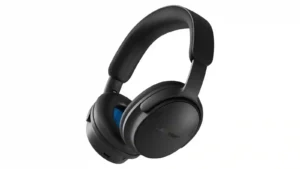
Beats 360

Overall score 4.1 / 5

Based on 42 scored reviews

How we score

Scorata scores summarize analyzed review evidence on a 1–5 scale; they are not laboratory measurements or a simple average of customer star ratings. Feature scores summarize the reviews covering that feature. The overall score averages feature scores within each review, then combines review averages. When both expert and customer evidence are available, those two groups receive equal weight. Products can have different review coverage, so small score gaps do not establish a winner.

Recommendations prioritize important features for the category, with a score of at least 3.5, a gap of at least 0.25 points and at least two supporting reviews per product. Features with widely varying scores or broad connectivity contexts are excluded from recommendations. These safeguards do not establish statistical significance.

Quick verdict

What each product is best for

The review evidence points to a tradeoff: Built-in DAC and hi-res playback and USB-C versus Water/sweat resistance rating and Build quality. Choose according to which strengths matter more to you; the overall score alone does not settle that choice.

Choose Bose QuietComfort (2nd Gen) for Built-in DAC and hi-res playback and USB-C.

Choose Beats 360 for Water/sweat resistance rating and Build quality.

Why these recommendations?

Bose QuietComfort (2nd Gen)

Where It Has the Edge

  • Built-in DAC and hi-res playback is 4.8 vs 1.1. Wired high-resolution playback is a major strength. Reviewers consistently heard or valued the cleaner, more detailed lossless USB-C...
  • USB-C is 4.9 vs 1.7. USB-C is one of the most praised upgrades, adding lossless wired playback, charging while listening, and broader laptop/phone...
  • Portability/foldability is 4.8 vs 2.8. Foldability and portability are excellent. The headphones collapse into a small footprint that fits easily in backpacks and...

Beats 360

Where It Has the Edge

  • Water/sweat resistance rating is 5.0 vs 1.3. IPX4 sweat and water resistance is a defining strength, making the 360 unusually suitable for workouts and light...
  • Build quality is 4.9 vs 2.4. Build quality is consistently viewed as solid and more premium than older Beats models, with sturdy sliders and...
  • Microphone quality for calls is 4.2 vs 2.8. Call quality is generally very strong, with clear speech in difficult environments, but some tests heard noticeable processing...
Bose QuietComfort (2nd Gen) 4.0 overall score
Beats 360 4.1 overall score

Compare features

Scores are out of 5. Missing scores mean missing review evidence, not a missing feature.

Scored on both products

Performance

Sound quality
Bose QuietComfort (2nd Gen)
4.6

Sound quality is a major success for this generation. Reviewers consistently call it good to excellent, with more balanced tuning and better detail than earlier standard QuietComfort models, though Ultra-level refinement remains slightly ahead.

Beats 360
4.5

Sound quality is one of the 360’s clearest strengths, with most testing describing clean, energetic and balanced playback. A minority view found the tuning thin and grating, especially without Spatial Audio.

Idle static noise
Bose QuietComfort (2nd Gen)
5.0

A previous-generation ANC hiss was not noticeable to the CNET reviewer on this model, suggesting a clean idle noise floor in that test.

Beats 360
2.0

A faint idle whoosh has been reported in quiet ANC use, so the electronics are not completely silent for every listener.

ANC effect on sound quality
Bose QuietComfort (2nd Gen)
1.5

With ANC switched off, one test found bass became boomy and masked other detail, so the cleaner sound depends on leaving noise control engaged.

Beats 360
4.0

ANC changes the sound slightly, with one test preferring the tonal balance when noise cancellation was switched off, though the difference was not large.

ANC background noise level
Bose QuietComfort (2nd Gen)
3.8

ANC noise artifacts are mostly well controlled, with one reviewer reporting brief static during sudden spikes while another found the system stayed composed without pumping or hiss.

Beats 360
2.0

A faint hiss or whooshing noise can be audible with ANC in otherwise quiet conditions, though it is generally described as a minor issue.

Microphone noise reduction
Bose QuietComfort (2nd Gen)
2.9

Microphone noise reduction is inconsistent. Background and wind noise can leak through badly outdoors, though some tests found the newer processing improved voice isolation over the previous model.

Beats 360
4.6

Background-noise suppression is a standout microphone strength, often keeping street, gym and environmental noise remarkably quiet behind the speaker’s voice.

Frequency response accuracy
Bose QuietComfort (2nd Gen)
4.9

Factory tuning is one of the generation's biggest audio improvements. Reviewers repeatedly describe it as balanced, refined, and more tonally honest than earlier QuietComfort models.

Beats 360
3.6

The tuning is far more balanced than old-school Beats, but it still leans neutral-bright rather than truly reference-flat. That balance works for many listeners but not all.

Dynamic performance
Bose QuietComfort (2nd Gen)
3.3

Dynamics receive mixed feedback. One review found the presentation compressed and managed, while another thought the headphones sounded convincingly lively and dynamic.

Beats 360
4.5

Dynamic performance is strong, with wide swings and energetic playback holding together well; UltraPlush can improve perceived punch further.

Immersive audio quality
Bose QuietComfort (2nd Gen)
3.8

Immersive Audio is the most polarizing feature. Some reviewers love the wider, speaker-like presentation for movies, while others find it flattening, distracting, or not worth the battery hit.

Beats 360
5.0

Movies and music can sound convincingly enveloping, with head-filling presentation and strong spatial effects when the material suits them.

Spatial audio
Bose QuietComfort (2nd Gen)
5.0

Spatial audio works especially well for movies, shows, and gaming according to one detailed comparison, adding an engaging sense of space.

Beats 360
4.0

Spatial Audio can be highly immersive for movies and compatible music, especially with head tracking. Some listeners leave it off because it can alter bass or add an artificial echo.

Wind noise handling
Bose QuietComfort (2nd Gen)
5.0

Wind handling was excellent in one outdoor test, where the built-in wind mode kept feedback minimal even on a breezy day.

Beats 360
4.0

Wind handling is good enough for outdoor calls, with only faint static reported in windier conditions rather than intrusive noise.

Bass performance
Bose QuietComfort (2nd Gen)
4.4

Bass is usually described as punchy, satisfying, and controlled rather than muddy. A few reviewers found it either slightly too strong or too restrained, but most liked the balance.

Beats 360
3.9

Bass is punchy and controlled for many listeners, but opinions vary sharply by cushion, track and listening mode. Some found it lean for workouts, while others heard plenty of weight or even occasional boom.

Sound detail and resolution
Bose QuietComfort (2nd Gen)
4.2

Detail retrieval is generally strong, with reviewers hearing fine textures, vocals, and instrumental cues clearly. More revealing flagship models can still expose finer microdetail.

Beats 360
4.7

Detail retrieval is a consistent strength, with small textures and layered elements remaining easy to pick out despite the consumer-friendly tuning.

Noise isolation (passive)
Bose QuietComfort (2nd Gen)
4.7

Passive isolation benefits from the tighter oval seal and plush cushions. Reviewers say the design meaningfully quiets the outside world even before ANC starts.

Beats 360
4.3

Passive isolation benefits from the deep cushions and seal, especially with UltraPlush; the more porous Knit pads trade some isolation for breathability.

Soundstage width
Bose QuietComfort (2nd Gen)
4.3

Soundstage is generally spacious for a closed-back headphone and can widen further with Cinema or Immersive modes. The Ultra still sounds a little more open in direct comparisons.

Beats 360
4.6

The soundstage is consistently spacious for a closed wireless headphone, with good width and room around instruments.

Active noise cancellation
Bose QuietComfort (2nd Gen)
4.8

Noise cancellation is the clearest strength. Most reviewers place it near flagship level, praising how well it suppresses travel rumble, office noise, and city ambience, though a few rivals can still edge it out.

Beats 360
4.6

ANC is a major upgrade and repeatedly lands near the top of the premium class for steady noise, travel and gym use. Bose, Sony and Apple flagships can still do better in some situations, especially voices.

Other features

Water/sweat resistance rating
Bose QuietComfort (2nd Gen)
1.3

With no water or sweat resistance rating, reviewers advise against rain, gym use, or workouts. These are clearly travel, commute, and desk headphones instead.

Beats 360
5.0

IPX4 sweat and water resistance is a defining strength, making the 360 unusually suitable for workouts and light rain among premium over-ear headphones.

Built-in DAC and hi-res playback
Bose QuietComfort (2nd Gen)
4.8

Wired high-resolution playback is a major strength. Reviewers consistently heard or valued the cleaner, more detailed lossless USB-C path, even when the improvement over Bluetooth was modest.

Beats 360
1.1

Hi-res and lossless playback are major limitations: there is no wired lossless path and no high-resolution Bluetooth codec support.

USB-C
Bose QuietComfort (2nd Gen)
4.9

USB-C is one of the most praised upgrades, adding lossless wired playback, charging while listening, and broader laptop/phone usefulness. Reviewers repeatedly wish this were standard on more headphones.

Beats 360
1.7

USB-C is primarily a charging connection rather than a dependable wired-audio option, a recurring frustration for travelers and lossless-audio users.

Volume output
Bose QuietComfort (2nd Gen)
2.0

One reviewer found overall output volume too low even though the tonal balance and Cinema mode were otherwise strong.

Beats 360
5.0

The 360 plays notably loud, with several comparisons highlighting its roughly 12 dB higher output versus Studio Pro.

Travel friendliness
Bose QuietComfort (2nd Gen)
5.0

Travel is a natural fit for these headphones: strong ANC, low weight, compact folding, a small case, and USB-C/airplane-cable support repeatedly earn praise.

Beats 360
2.9

Travel performance is split: comfort, ANC and long battery life are excellent on the move, but no wired seatback connection and limited foldability are meaningful drawbacks for frequent flyers.

Premium feel
Bose QuietComfort (2nd Gen)
2.8

Premium feel is inconsistent. Some reviewers like the softer padding and refined finish, but many say the plastic chassis feels cheaper than a $359 product should.

Beats 360
4.9

Although the construction uses plenty of plastic, the 360 generally feels more premium in hand than earlier Beats models and several similarly priced rivals.

Portability/foldability
Bose QuietComfort (2nd Gen)
4.8

Foldability and portability are excellent. The headphones collapse into a small footprint that fits easily in backpacks and carry-ons, a recurring advantage for travelers.

Beats 360
2.8

Portability is only average: the cups swivel flat, but the frame does not collapse, so it takes more bag space than folding Sony or Bose rivals.

3.5mm analog input availability
Bose QuietComfort (2nd Gen)
3.2

There is no native 3.5mm jack, which some reviewers consider a real loss, though the included USB-C-to-3.5mm cable softens the drawback for flights and analog sources.

Beats 360
1.3

The lack of a 3.5mm analog path is a major recurring complaint, especially for airplane entertainment, consoles and battery-independent playback.

Included accessories
Bose QuietComfort (2nd Gen)
4.4

The two included cables are useful and travel-friendly, especially for USB-C and in-flight analog sources. The main accessory complaint is the lack of a wall charger.

Beats 360
2.5

The included pouch is useful, but the absence of a charging cable or charger disappoints some buyers at this price; others are happy not to receive another USB-C cable.

Ear cup swivel/rotation range
Bose QuietComfort (2nd Gen)
2.5

Earcup rotation is a minor ergonomic weakness. Multiple reviewers dislike that the cups do not naturally lie flat in the preferred direction when worn around the neck.

Beats 360
4.0

The earcups rotate flat for storage, a useful compromise even though the headphones do not collapse inward.

Glasses and hat compatibility
Bose QuietComfort (2nd Gen)
4.9

Glasses compatibility is excellent. Reviewers wearing glasses generally found the redesigned seal and ANC compensation preserved noise cancellation with little or no noticeable penalty.

Beats 360
3.5

Glasses compatibility is mixed: the softer clamp can avoid painful temple pressure, but thick arms may break the seal and reduce ANC.

Features at launch
Bose QuietComfort (2nd Gen)
3.3

Feature breadth draws split reactions: the second generation adds meaningful capabilities, but one reviewer still found the overall feature set too light for a premium-priced model.

Beats 360
2.0

At launch, the 360 feels short on expected premium conveniences, particularly wear detection, wired audio and broader software personalization.

Headband adjustability
Bose QuietComfort (2nd Gen)
3.9

Headband adjustment is secure but somewhat divisive. Some like the smooth, precise slider, while others find it stiff or miss the repeatability of the older notched design.

Beats 360
5.0

The metal adjustment system provides enough extension to accommodate different head sizes and line the cups up comfortably.

Midrange clarity
Bose QuietComfort (2nd Gen)
4.2

Midrange performance is usually clean and natural, especially for vocals, but some reviewers find mids slightly recessed or lacking the presence of the bass and treble.

Beats 360
3.1

The midrange is generally clearer than older Beats tuning, though not uniformly so. Some listening found vocals full and prominent, while other testing heard recessed or thin mids.

Connectivity options
Bose QuietComfort (2nd Gen)
2.8

Wired flexibility has a meaningful catch: there is no passive playback, so the headphones still need power even when cabled. That weakens the cable as a true dead-battery fallback.

Beats 360
2.0

Connectivity is flexible across Apple and Android wirelessly, but Bluetooth-only audio removes the wired fallback that many premium competitors retain.

Fingerprint and smudge resistance
Bose QuietComfort (2nd Gen)
1.3

Dark finishes show fingerprints and hand oils easily, so reviewers who care about appearance may find themselves wiping the headphones down often.

Beats 360
2.0

The soft-touch silicone finish looks good but can attract hair and small particles, requiring occasional wiping.

LDAC
Bose QuietComfort (2nd Gen)
1.3

LDAC is absent, and reviewers who care about high-resolution wireless playback see that as a meaningful competitive disadvantage.

Beats 360
2.0

LDAC is absent, which matters most to Android listeners who want higher-bitrate Bluetooth audio.

Treble clarity
Bose QuietComfort (2nd Gen)
4.3

Treble is generally crisp, smooth, and detailed without harshness. A few reviewers hear softened top-end air or slight recession, but the overall response is positive.

Beats 360
3.7

Treble often comes across detailed and crisp, but the brighter tuning can become stilted, sibilant or fatiguing on certain tracks.

Stability
Bose QuietComfort (2nd Gen)
5.0

The lightweight fit remained secure while walking around the city in testing, without requiring an overly tight clamp.

Beats 360
4.4

The secure fit works well for cycling, lifting and most workouts, but sprints, sit-ups and bench movements can expose some movement depending on head size.

Instrument separation
Bose QuietComfort (2nd Gen)
4.7

Separation is a strong point, with guitars, keys, vocals, and layered parts generally easy to distinguish. USB-C listening can sharpen separation further.

Beats 360
4.1

Instrument separation is usually strong, helping busy arrangements stay distinct, though heavy bass can introduce some congestion.

Maximum volume clarity
Bose QuietComfort (2nd Gen)
5.0

High-volume playback stayed controlled in one detailed test, with crisp highs that did not become shrill even when played loudly.

Beats 360
4.5

Even at high volume, distortion stays impressively low and clarity holds up well.

AptX
Bose QuietComfort (2nd Gen)
1.6

aptX support is absent, which several reviewers see as a disappointing limitation for a premium wireless headphone, especially beside the Ultra's higher-resolution codec options.

Beats 360
2.0

There is no aptX Lossless support, limiting high-resolution wireless playback options.

Wear detection and auto-pause
Bose QuietComfort (2nd Gen)
1.0

Automatic pause on removal is missing, and the omission feels out of place on a premium-priced modern headphone.

Beats 360
1.4

Automatic pause is absent, so music keeps playing when the headphones come off unless the user stops it manually.

Overall recommendation
Bose QuietComfort (2nd Gen)
4.2

Most reviewers recommend the QuietComfort 2nd Gen, especially for comfort, ANC, travel, and simple daily use. The main hesitation is paying full launch price when discounted alternatives or the Ultra are close.

Beats 360
4.6

The overall recommendation is strongly positive, especially for active users wanting one over-ear pair for gym and daily life. A notable dissent centers on the tuning, wired omissions and premium price.

Android compatibility
Bose QuietComfort (2nd Gen)
5.0

Android setup was quick and painless in testing, with Google Fast Pair connecting to an Android device in only a few seconds.

Beats 360
4.7

Android support is unusually complete for an Apple-owned product, with Fast Pair, Find Hub, Audio Switch and app-based controls repeatedly praised.

Transparency mode quality
Bose QuietComfort (2nd Gen)
4.2

Transparency/Aware mode is usually rated good to very good, with clear voices and useful environmental awareness. Apple remains the common benchmark for a more natural outside-world sound.

Beats 360
4.5

Transparency mode is widely praised for sounding natural and usable for conversation, though a few tests found it less immediate or polished than Apple’s best implementations.

Ear cup padding quality
Bose QuietComfort (2nd Gen)
4.4

Earpad comfort is mostly praised for soft, plush cushioning and a good seal, but a few reviewers found the pads thinner or less plush than expected at this price.

Beats 360
4.6

Both cushion styles are well received: Performance Knit is breathable and workout-friendly, while UltraPlush is softer and often preferred for long listening. Knit can feel slightly rougher to some users.

Headband padding quality
Bose QuietComfort (2nd Gen)
4.8

Headband padding is consistently praised as soft, plush, and well distributed, helping the lightweight chassis remain comfortable over long sessions.

Beats 360
5.0

Headband padding reduces top-of-head pressure effectively and contributes strongly to the 360’s long-session comfort.

Carry case quality
Bose QuietComfort (2nd Gen)
4.5

The hard case is compact and highly travel-friendly, with several reviewers calling its small footprint a major advantage. One reviewer wished it had an easier carry tab.

Beats 360
4.4

The soft magnetic pouch is light, breathable and convenient for gym bags, but travelers wanting impact protection may prefer a hard-shell case.

Overall satisfaction
Bose QuietComfort (2nd Gen)
4.7

Overall satisfaction is high, with many reviewers calling the headphones an easy daily driver or personal favorite. Negative reactions center mostly on price, materials, and battery life rather than the core listening experience.

Beats 360
4.7

Overall satisfaction is high across most hands-on testing, driven by the combination of workout versatility, comfort, ANC, sound and modularity.

Award recognition
Bose QuietComfort (2nd Gen)
5.0

Mashable gave the headphones its Choice Award treatment, placing them among products it describes as the best it has tested and loved.

Beats 360
5.0

The 360 earned explicit Editors’ Choice recognition for its combination of modular design, water resistance and performance upgrades.

Sustainability and repairability
Bose QuietComfort (2nd Gen)
5.0

Replaceable cushions give the headphones a practical repairability advantage, letting owners renew the first wear item instead of retiring the whole product.

Beats 360
5.0

Replaceable cushions, simpler construction and available battery-service paths make the 360 notably more repairable and maintainable than many sealed premium headphones.

Comfort and build

Hinge durability
Bose QuietComfort (2nd Gen)
2.0

One test unit had hinges that felt overly loose and wobbly, reducing confidence when carrying the headphones without their case.

Beats 360
5.0

Dropping the traditional folding hinge simplifies a common wear point and is viewed as a durability advantage over older Beats designs.

Build quality
Bose QuietComfort (2nd Gen)
2.4

Build quality is a recurring concern: the lightweight plastic helps comfort, but many reviewers say it feels cheap, loose, or insufficiently premium for the price. A few units nevertheless held up well in use.

Beats 360
4.9

Build quality is consistently viewed as solid and more premium than older Beats models, with sturdy sliders and little sense of flimsy plastic.

Ear heat and sweat buildup
Bose QuietComfort (2nd Gen)
2.5

One reviewer noted sweaty earcups in warm conditions, a manageable but noticeable downside common to sealed over-ear designs.

Beats 360
3.7

Performance Knit can noticeably reduce sweat and heat versus leather-style pads, but over-ear coverage still gets warm during longer workouts and listening sessions.

Durability over time
Bose QuietComfort (2nd Gen)
4.5

One reviewer subjected the headphones to rough bag and pocket use without seeing wear, suggesting encouraging early durability despite the plastic construction.

Beats 360
5.0

The simpler structure and replaceable wear surfaces give the 360 unusually good long-term ownership potential, with cushions easy to refresh as they age.

Weight comfort
Bose QuietComfort (2nd Gen)
5.0

Low weight is nearly universally praised and is a major reason the headphones disappear during long sessions. Reviewers consistently see it as a comfort advantage over heavier flagships.

Beats 360
4.6

Despite weighing around 294–295 g, the 360 usually feels lighter than the number suggests because its weight is distributed into the earcups and cushions.

Design and aesthetics
Bose QuietComfort (2nd Gen)
4.7

The refreshed design is widely liked for its clean shape and colorful finishes. Reviewers often call it modern and attractive, even when they criticize the plastic materials.

Beats 360
4.8

The redesign is widely praised as modern, sleek and distinctly customizable, with swappable colors giving the 360 more personality than most premium ANC headphones.

Clamping force comfort
Bose QuietComfort (2nd Gen)
3.8

Clamp comfort varies by head shape. Several reviewers found the pressure ideal for sealing without fatigue, while others reported noticeable pressure after longer sessions.

Beats 360
3.8

Clamp force is a tradeoff rather than a universal win. It helps keep the headphones secure for exercise, but head size can determine whether that feels reassuring or uncomfortable.

Comfort during long use
Bose QuietComfort (2nd Gen)
4.8

Comfort is one of the strongest areas overall. Most reviewers could wear the headphones for hours or full workdays, although a minority reported pressure or jaw fatigue from the firmer fit.

Beats 360
4.7

Long-session comfort is one of the strongest themes, helped by soft cushions, good weight distribution and a lighter-feeling headband. Larger heads may still notice clamp pressure.

Ownership and support

Multipoint connectivity reliability
Bose QuietComfort (2nd Gen)
5.0

Multipoint reliability is excellent in the tests that covered it. Laptop-to-phone switching was fast and seamless, including incoming-call handoffs.

Beats 360
3.0

Automatic switching can work well inside supported ecosystems, but there is no true simultaneous Android-and-iPhone multipoint connection.

Value for money
Bose QuietComfort (2nd Gen)
3.5

Value is highly price-dependent. Many reviewers think the full $359 launch price is awkward, but the package becomes very compelling around $299 or when compared with substantially pricier flagships.

Beats 360
4.3

Value is generally considered good for a $350 premium workout-focused headphone, especially against AirPods Max, but full-price cushion kits and rival discounts can weaken the equation.

Codec support
Bose QuietComfort (2nd Gen)
1.9

Wireless codec support is a clear limitation for enthusiasts: AAC and SBC are considered basic at this price, especially when rivals offer higher-resolution options.

Beats 360
2.0

Codec support is a weak point: the 360 relies on standard Bluetooth codecs and lacks the higher-resolution options offered by several rivals.

Earpad replaceability and replacement ease
Bose QuietComfort (2nd Gen)
5.0

Replaceable ear cushions are strongly valued because worn pads can be swapped instead of forcing replacement of the whole headphone.

Beats 360
5.0

The earpads are exceptionally easy to remove and replace, making worn, sweaty or dirty contact surfaces simple to refresh.

Battery and charging

Battery
Bose QuietComfort (2nd Gen)
2.7

Battery life is the most repeated practical weakness. Around 24 hours is enough for ordinary use, but many reviewers consider it short for 2026, especially against 30- to 60-hour competitors.

Beats 360
4.6

Battery life is a strong point at around 32 hours with ANC, and real-world tests often supported that claim. One unit showed unusually high standby drain, and Transparency can shorten endurance.

Charging
Bose QuietComfort (2nd Gen)
4.6

Charging behavior is practical, especially quick top-ups and the ability to listen while charging. Full charging is not especially fast, but the convenience features are well received.

Beats 360
4.7

Fast Fuel charging is consistently useful, providing about an hour of playback from a five-minute charge.

Controls and connectivity

Microphone quality for calls
Bose QuietComfort (2nd Gen)
2.8

Call quality is serviceable rather than class-leading. Quiet-room calls usually sound fine, but several reviewers report compressed voices, low volume, or mediocre intelligibility in noisy environments.

Beats 360
4.2

Call quality is generally very strong, with clear speech in difficult environments, but some tests heard noticeable processing and stopped short of recommending it for important conferencing.

Voice prompts/feedback
Bose QuietComfort (2nd Gen)
5.0

The power-on audio feedback drew an unusually enthusiastic response, with the reviewer describing the sound cue as satisfying.

Beats 360
4.0

The cushion-recognition chime provides helpful confirmation that a replacement earcup is seated and detected correctly.

Button control usability
Bose QuietComfort (2nd Gen)
5.0

The physical buttons are an across-the-board success. Reviewers repeatedly prefer their tactile, predictable operation to touch controls and find them easy to use without looking.

Beats 360
4.3

Physical buttons are usually preferred for sweaty workouts and reliable control, though several users found the similarly shaped or flush buttons harder to identify by touch.

Software/setup simplicity
Bose QuietComfort (2nd Gen)
4.7

Setup is generally very easy, with fast pairing and a straightforward app. The main usability wrinkle is that a few settings, such as fully disabling ANC, are more buried than expected.

Beats 360
4.0

Initial pairing and everyday setup are generally simple, though deeper software customization is more limited than some premium rivals.

Equalizer customization
Bose QuietComfort (2nd Gen)
3.0

The three-band EQ is easy to understand but too limited for serious tuning. Casual users often find it sufficient, while enthusiasts repeatedly ask for more bands and finer control.

Beats 360
2.5

Manual EQ is one of the most repeated software complaints. Adaptive tuning is automatic, but users cannot freely shape bass, mids and treble to preference.

Advanced software features
Bose QuietComfort (2nd Gen)
2.0

Software depth is a weak spot for the price. Several reviewers wanted richer features and more advanced customization than the relatively basic Bose experience provides.

Beats 360
2.4

The feature set feels incomplete for the price because wear detection, wired playback and several H2-era AirPods conveniences are missing.

App
Bose QuietComfort (2nd Gen)
4.3

The Bose app is generally praised for being clean, simple, and approachable, though one review criticized its limited depth compared with cheaper rivals.

Beats 360
4.6

The Beats app is useful and straightforward on Android, providing firmware, button and device controls that keep the experience close to iOS.

Bluetooth version
Bose QuietComfort (2nd Gen)
4.0

Bluetooth 5.4 drew a positive reaction in the preview coverage, though reviewers focused more on multipoint behavior than the version number itself.

Beats 360
4.0

Bluetooth 5.3 is considered fully adequate here, with little practical benefit expected from moving to Bluetooth 6 for this use case.

Evidence available for one product

Other features

AI translation
Bose QuietComfort (2nd Gen)No score yet
Beats 360
1.0

Live Translation is missing because the 360 does not use the newer H2 feature stack.

Detachable cable convenience
Bose QuietComfort (2nd Gen)No score yet
Beats 360
1.0

Because the 360 has no wired playback path, there is no detachable audio-cable convenience to fall back on.

Ecosystem integration
Bose QuietComfort (2nd Gen)No score yet
Beats 360
5.0

Ecosystem integration is a major strength: iPhone users get AirPods-like pairing and switching, while Android still receives Fast Pair, Find Hub and useful native controls.

Find My
Bose QuietComfort (2nd Gen)No score yet
Beats 360
3.5

Find My and Find Hub add useful tracking, though one test linked always-on Find My behavior to noticeable standby drain.

Hearing protection mode
Bose QuietComfort (2nd Gen)
4.7

ActiveSense is well regarded for softening sudden loud sounds while Aware mode remains usable. Reviewers found it helpful with train screeches, streetcars, and other sharp noise spikes.

Beats 360No score yet
Imaging precision
Bose QuietComfort (2nd Gen)No score yet
Beats 360
5.0

Stereo imaging is precise, placing instruments and effects in distinct positions across the wide soundstage.

Integrated microphone
Bose QuietComfort (2nd Gen)No score yet
Beats 360
5.0

The integrated microphone system is capable of excellent voice pickup, supporting the 360’s strong call performance.

Multi-platform compatibility
Bose QuietComfort (2nd Gen)No score yet
Beats 360
4.9

Cross-platform compatibility is one of the 360’s best practical advantages, delivering a near-first-class experience on both iOS and Android.

Preset EQ profile quality
Bose QuietComfort (2nd Gen)
3.0

The Bass Boost preset is useful but not perfectly balanced; one reviewer needed to raise the mids afterward to get the desired sound.

Beats 360No score yet
Replaceable pads/headband
Bose QuietComfort (2nd Gen)No score yet
Beats 360
4.9

The modular cushion and headband system is the signature feature: parts swap quickly, support workout-to-office use and make both style changes and wear replacement unusually easy.

Sensors
Bose QuietComfort (2nd Gen)No score yet
Beats 360
4.7

Cushion-recognition sensors automatically retune the headphones for Knit or UltraPlush pads, a clever feature that helps preserve tuning across different seals.

Sidetone adjustment quality
Bose QuietComfort (2nd Gen)
4.5

The adjustable Self Voice sidetone control is appreciated for letting callers choose how clearly they hear their own voice.

Beats 360No score yet
Streaming service integration
Bose QuietComfort (2nd Gen)
4.5

Spotify shortcut support was viewed as a useful convenience, giving quick one-button access to playback from the headphones.

Beats 360No score yet

Controls and connectivity

Apple H2 chip support
Bose QuietComfort (2nd Gen)No score yet
Beats 360
2.0

Using Beats’ own chip instead of Apple’s H2 preserves cross-platform flexibility but leaves out several newer AirPods software features.

Bluetooth
Bose QuietComfort (2nd Gen)No score yet
Beats 360
5.0

Bluetooth connectivity proved trouble-free in the direct cross-phone test, including switching between Android and iPhone.

Smart listening features
Bose QuietComfort (2nd Gen)No score yet
Beats 360
2.0

The custom Beats platform omits some smarter AirPods-style features such as Adaptive Audio, Conversation Awareness and Personalized Volume.

Voice assistant integration
Bose QuietComfort (2nd Gen)No score yet
Beats 360
4.0

Voice-assistant access works well across platforms, with hands-free Siri on Apple devices and Android assistant access through the controls.

Performance

Audio-video sync accuracy
Bose QuietComfort (2nd Gen)No score yet
Beats 360
2.5

Wireless playback is usable for video, but the lack of a wired path means true zero-latency operation is unavailable.

Gaming performance
Bose QuietComfort (2nd Gen)No score yet
Beats 360
2.0

Gaming flexibility is limited by Bluetooth-only audio, which rules out straightforward wired use with many consoles.

Ownership and support

Auto on/off reliability
Bose QuietComfort (2nd Gen)No score yet
Beats 360
2.0

Automatic power management is weak because the headphones do not reliably sleep when removed, creating avoidable battery-drain risk if left on.

Tracking and training

Dolby Atmos with head tracking
Bose QuietComfort (2nd Gen)No score yet
Beats 360
5.0

Dolby Atmos with head tracking can create a convincing theater-like presentation, especially for compatible movies and spatial mixes.

Comfort and build

Sustainability materials
Bose QuietComfort (2nd Gen)No score yet
Beats 360
4.0

The use of 80% recycled plastic across key components is a meaningful sustainability benefit for the construction.

Other Top Over-Ear Headphones to Consider

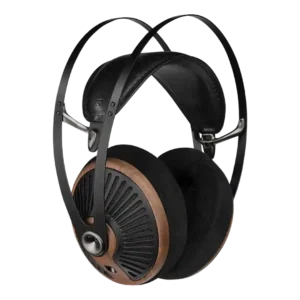
#1 Meze Audio 105 Silva Headphones
4.5

Choose the 105 Silva for beautiful, repairable construction, superb comfort, easy driveability, and an engaging spacious sound. Skip it if you need isolation, balanced connectivity, heavy sub-bass, or consistently smooth...

Pros: Design and Aesthetics, Overall recommendation

Cons: Noise isolation (passive), Connectivity options

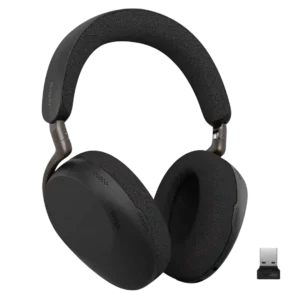
#2 Jabra Evolve3 85
4.5

Choose it if your workday revolves around calls and you want exceptional mic isolation, huge battery life, all-day comfort, and a slim travel-friendly design. Skip it if music fidelity, class-leading...

Pros: Battery, Charging

Cons: Value for money, Codec support

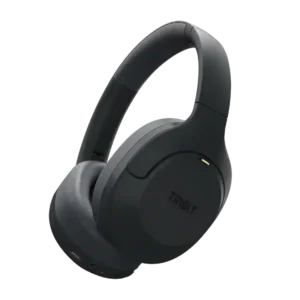
#3 Tribit QuietPlus 81
4.4

Best for exceptional battery life, useful ANC, flexible EQ, and strong budget value. Skip it if refined, detailed sound or polished controls matter more than price.

Pros: Value for money, Sound quality

Cons: Button control usability, App

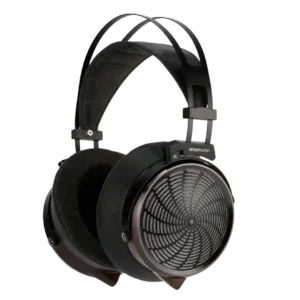
#4 Sendy Audio Apollo Pro
4.4

Best for spacious, detailed home listening, excellent comfort, and premium construction. Skip it for commuting, private shared-space use, built-in voice chat, or subwoofer-like bass impact.

Pros: Build quality, Comfort during long use