Scorata scores summarize analyzed review evidence on a 1–5 scale; they are not laboratory measurements or a simple average of customer star ratings. Feature scores summarize the reviews covering that feature. The overall score averages feature scores within each review, then combines review averages. When both expert and customer evidence are available, those two groups receive equal weight. Products can have different review coverage, so small score gaps do not establish a winner.
Recommendations prioritize important features for the category, with a score of at least 3.5, a gap of at least 0.25 points and at least two supporting reviews per product. Features with widely varying scores or broad connectivity contexts are excluded from recommendations. These safeguards do not establish statistical significance.
Quick verdict
What each product is best for
The available evidence supports the recommendation below, but does not establish an overall winner. Check the remaining features against your priorities.
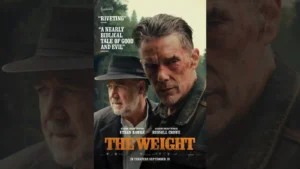
Choose The Weight for historical accuracy and dialogue quality.
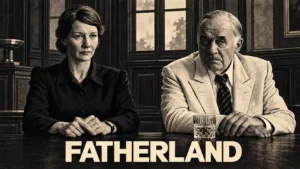
There is not enough comparable review evidence to recommend Fatherland over the other product.
Why these recommendations?
The Weight
Where It Has the Edge
historical accuracy is 4.7 vs 2.4. The period setting is largely praised for researched detail, convincing production texture, and Depression-era context. A few critics...
dialogue quality is 4.8 vs 4.2. The dialogue is generally praised as sharp and purposeful, with several reviewers singling out the writing enough to...
costume design is 4.8 vs 4.5. Period clothing, especially the worn workwear and denim, is repeatedly credited with helping the 1933 setting feel lived-in...
Fatherland
Where It Has the Edge
No clear scored advantage over the other product.
The Weight4.1 overall score
Fatherland4.3 overall score
Compare features
Scores are out of 5. Missing scores mean missing review evidence, not a missing feature.
Scored on both products
Performance
Soundtrack quality
The Weight
2.3
The music choices outside the score are much more divisive, especially the anachronistic rock needle drop near the ending. A few viewers enjoy that choice, while several critics call it jarring or tonally wrong.
Fatherland
4.8
Jazz, choral music, and classical selections establish opposing political worlds and deepen the drama. Bach’s final appearance is especially valued for expressing grief that words cannot release.
Historical accuracy
The Weight
4.7
The period setting is largely praised for researched detail, convincing production texture, and Depression-era context. A few critics question specific historical or geographic choices, including how convincingly the Pacific Northwest is represented.
Fatherland
2.4
The film changes who accompanied Mann and shifts the timing of family tragedy. Some accept these choices as useful dramatic liberties; others see a misleading simplification of history.
Acting performance
The Weight
4.7
The cast is widely praised for giving the rugged material credibility, with the strongest notices going to Ethan Hawke and several supporting players. Even more reserved assessments still describe the ensemble as solid.
Fatherland
4.9
The cast is a major strength, led by performances that communicate thought and grief through glances, posture, and brief emotional eruptions. Even several less enthusiastic assessments admire the acting.
Supporting cast performance
The Weight
4.5
Russell Crowe, Julia Jones, Avi Nash, Austin Amelio, and the broader ensemble receive frequent praise for adding menace, warmth, or personality around Hawke. Even reviews critical of the characters often distinguish the performances as strong.
Fatherland
4.6
Brief supporting work can leave a lasting impression, especially August Diehl’s despairing opening scene. Hanns Zischler also receives awards-level praise in an assessment that treats his work as supporting.
Lead performance
The Weight
4.8
Ethan Hawke's restrained, gravel-voiced turn is the clearest point of consensus, repeatedly described as the film's anchor and among his strongest recent work. The main reservation is that a few critics find him less convincing in full action-hero mode.
Fatherland
4.8
Sandra Hüller supplies the film’s emotional center through controlled anger, fatigue, and grief. Her small changes of expression are frequently praised as much as the occasional outbursts.
Other features
Tonal consistency
The Weight
2.0
The film's tone is a repeated concern, especially when its grim, punishing journey gives way to a sunnier resolution or an anachronistic musical flourish. Reviewers who raise the issue generally find those shifts mismatched.
Fatherland
4.0
The consistent handling of the film’s viewpoints helps its political and personal concerns hold together. Some scenes land more strongly than others, but the overall construction remains assured in this assessment.
Runtime
The Weight
2.4
The nearly two-hour length is a recurring drawback, with several reviewers arguing that tighter cuts would improve the film. One more positive assessment considers the 113-minute ride an uncomplicated, worthwhile use of time.
Fatherland
4.4
The 82-minute running time impresses many with its emotional and thematic concentration. Others wish the film gave its characters and side stories more room before stopping.
Plot clarity
The Weight
2.1
Several reviewers report moments of confusion, especially during fast-cut action or late-story developments. The underlying mission remains simple, but visual and narrative transitions sometimes make execution harder to follow.
Fatherland
3.1
Some find the brief context-setting scenes sufficient; others struggle with unexplained history and dense literary references. Background knowledge can make the journey easier to follow.
Ending satisfaction
The Weight
3.4
The finale divides opinion. Some find the hard-won resolution entertaining and emotionally earned, while others think its cheerful turn clashes with the story's darker themes or arrives too neatly.
Fatherland
4.3
The final church scene is widely admired for turning withheld grief into a powerful wordless release. A smaller group finds the resolution abrupt, sentimental, or too easy.
Editing quality
The Weight
3.3
Editing is a major point of disagreement: some critics call it sharp, intentional, or even stunning, while others say fast cuts and disjointed transitions make climactic action rushed or hard to follow.
Fatherland
4.0
The cutting has a stark, deliberate precision that suits the carefully composed images. That same formality contributes to the impression of a highly controlled art object.
Pacing
The Weight
3.2
Pacing is one of the most divided attributes. Positive reviews praise sustained momentum and a confident clip, while critics of the film point to a long setup, a sagging middle, or an overlong runtime.
Fatherland
3.9
Admirers value the crisp economy and graceful movement between encounters. For others, the measured tempo and repeated receptions feel sleepy or slow.
Dialogue quality
The Weight
4.8
The dialogue is generally praised as sharp and purposeful, with several reviewers singling out the writing enough to want every line to land clearly. Even positive accounts note that some delivery can be very quiet.
Fatherland
4.2
Restrained exchanges and cultured barbs carry much of the drama. The dialogue can be devastatingly economical, with Erika receiving some especially strong lines.
Emotional impact
The Weight
4.5
Murphy's separation from his daughter gives the film a strong emotional anchor, and several critics find the opening or quieter character beats genuinely affecting. Others feel the movie pushes the pathos too hard or leaves emotional potential underdeveloped.
Fatherland
3.9
Responses divide over the emotional restraint: many find deep feeling beneath the stillness, culminating in a devastating release. Others remain distant from the characters despite admiring the craft.
Directing quality
The Weight
4.1
Padraic McKinley's debut is frequently praised for confidence, atmosphere, and physical staging, especially in the survival set pieces. Dissenting reviews fault uneven visual choices, limited suspense, or action coverage that sacrifices clarity.
Fatherland
4.6
Pawlikowski’s precise staging and ability to concentrate meaning earn extensive praise. The strongest objections concern an overcontrolled approach that can suppress spontaneity and emotional access.
Originality
The Weight
3.3
Some viewers enjoy the story's surprises and resistance to cookie-cutter plotting, but others see predictable bones and familiar turns beneath the polished execution.
Fatherland
3.8
The intimate perspective and immediate postwar setting feel fresh to several viewers. A dissenting assessment instead finds the meanings and moods too predetermined.
Theme depth
The Weight
4.2
Many critics appreciate the survival story's deeper interest in class, labor, greed, solidarity, fatherhood, and institutional cruelty. Others find those ideas blunt, shallow, or insufficiently explored.
Fatherland
4.6
The film connects belonging, family wounds, political compromise, and the power of art within a very small canvas. Its density is a strength for many, though some find ideas insufficiently tied to emotional development.
Writing quality
The Weight
3.6
The script earns praise for its premise, momentum, character relationships, and class themes, but reactions are uneven. Critics of it point to contrivances, thin secondary characters, forced beats, and shortcuts in the final act.
Fatherland
3.9
The script intertwines family conflict, historical politics, and cultural ideas with remarkable economy for its admirers. Others feel the compression leaves gaps, thin characterization, and unrealized dramatic possibilities.
Character development
The Weight
3.2
Some reviews find the travelers distinct, sympathetic, and well-defined enough for their changing dynamics to matter. Others see thin archetypes, an over-idealized protagonist, and underwritten supporting characters.
Fatherland
3.5
The leads can feel richly human through tiny gestures, contrasting public poise with private distress. Critics of the approach find their inner lives insufficiently explored and Klaus particularly underdeveloped.
Message quality
The Weight
4.9
Reviewers respond strongly to the film's ideas about labor, class, institutional power, greed, and solidarity. Even when the politics are called direct or blunt, the social message is generally seen as meaningful rather than disposable.
Fatherland
4.7
The film’s questions about art, responsibility, and political denial are valued for avoiding easy reassurance. Its ideas are most effective when they emerge through people rather than overt instruction.
Humor
The Weight
4.5
Humor is used sparingly but effectively, with reviewers noticing both subtle comic touches in the script and lighter moments that relieve the otherwise grim trek.
Fatherland
4.3
Dry put-downs, awkward receptions, and ideological absurdities provide flashes of bitter humor. Much of the comedy comes through precise reactions rather than broad jokes.
Cinematography
The Weight
4.7
The wilderness photography is one of the most consistently praised crafts, with reviewers admiring its foreboding landscapes, period texture, and composed imagery. A few object to murky lighting, shallow focus, or claustrophobic framing.
Fatherland
4.8
Luminous monochrome, evocative shadows, and meticulously composed images are among the most consistently praised strengths. Even viewers left cold by the drama usually admire its visual beauty.
Cast chemistry
The Weight
4.7
The strongest relationship work comes from the believable camaraderie and friction within the group and the understated connection between Murphy and Anna. A few reviews find some alliances too thinly developed.
Fatherland
4.8
Hüller and Zischler complement one another through contrasting physical presences and tightly controlled interactions. Their shared scenes make the relationship legible even when little is said.
Story quality
The Weight
3.9
The core premise—a desperate father leading a dangerous gold transport—is often called a strong, well-told yarn with clear stakes. Less enthusiastic critics find the execution saggy, familiar, or weaker than the setup.
Fatherland
3.9
The intimate road trip becomes a compelling study of a family and country in ruins for many viewers. Dissenters find the narrative slight or feel it follows the less interesting family member.
Realism
The Weight
4.3
The grounded locations, practical texture, and believable problem-solving often make the danger feel immediate. However, a few major set-piece choices—especially the bridge solution—are criticized as forced or implausible.
Fatherland
4.3
Period spaces, clothing, cars, and political rituals often make the journey feel convincingly lived in. One sharp dissent finds the refinement too artificial to preserve history’s messiness.
Ownership and support
Rewatch value
The Weight
2.8
Rewatch interest is mixed and sparsely discussed: one critic predicts a long afterlife as a comfort-watch 'dad movie,' while others expect it to be remembered pleasantly rather than revisited often.
Fatherland
4.1
Several viewers expect the historical and emotional layers to deepen on repeat watches. One less engaged viewer feels little pull to return despite appreciating the craft.
Entertainment value
The Weight
3.9
For many reviewers, the straightforward adventure delivers sturdy, old-school entertainment with enough peril and character interplay to stay engaging. More negative critics find it merely agreeable or weighed down by sluggish stretches.
Fatherland
3.3
The drama is gripping and rewarding for receptive viewers, but its subdued energy leaves others bored. Visual beauty alone does not make it absorbing for everyone.
Comfort and build
Sound design
The Weight
4.6
Creaking forests, environmental texture, and impact-heavy action sound are frequently praised for increasing immersion and tension. One notable complaint is a dialogue mix so quiet that lines become difficult to hear.
Fatherland
4.0
Rain is singled out as a sound motif that gains importance beyond the opening scene. Its recurrence contributes to the film’s expressive design.
Costume design
The Weight
4.8
Period clothing, especially the worn workwear and denim, is repeatedly credited with helping the 1933 setting feel lived-in and authentic.
Fatherland
4.5
Sharp suits and carefully recreated period clothing help distinguish the historical world. The costume work is admired for bringing the era to life.
Production design
The Weight
4.9
Sets, period vehicles, worn environments, and other production details are consistently credited with making the Depression-era world believable and textured.
Fatherland
4.6
Ruined buildings, detailed interiors, cars, and carefully chosen props make the postwar setting vivid. The physical world often carries as much expressive weight as the dialogue.
Visual style
The Weight
4.3
The weathered 1970s throwback look, natural environments, and period imagery are frequently admired. Critics who dissent complain about overly murky images, shallow focus, or stylized framing that distracts from the action.
Fatherland
4.5
The austere black-and-white style gives the ruined landscape a painterly, haunted presence. Most admire its elegance, although a few find the refinement clinical or mannered.
Evidence available for one product
Other features
Action sequence quality
The Weight
4.0
The physical set pieces—especially the rope bridge, river crossing, and later confrontations—are often tense, tactile highlights. A minority find some action confusingly cut, implausible, or less exciting than the setup promises.
FatherlandNo score yet
Art and propaganda
The WeightNo score yet
Fatherland
4.3
The film questions whether culture can resist political power or merely lend it prestige. Admirers find that inquiry lucid and timely, while one critic thinks its most urgent thread is sidelined.
Atmosphere
The WeightNo score yet
Fatherland
4.0
The ruined landscape and constrained interiors create a somber, haunted mood. Admirers find the atmosphere expressive; detractors experience it as muffled or overly sealed off.
Biographical coverage
The WeightNo score yet
Fatherland
3.3
This is a selective portrait of a few days rather than a full account of Mann’s life. The narrow scope works for some but leaves others wanting basic background and a fuller sense of the people.
Biographical fairness
The WeightNo score yet
Fatherland
1.5
A strongly dissenting assessment finds Mann reduced to a vain bore without enough explanation for the film’s hostility. The concern is an unbalanced portrait rather than the character’s likability alone.
Casting quality
The WeightNo score yet
Fatherland
4.5
Giving Hüller a central role is welcomed as a strong casting choice. Her ability to command a scene through a look makes the altered family setup rewarding.
Celebrity cameos
The WeightNo score yet
Fatherland
4.3
Joanna Kulig’s brief appearance as a singer is welcomed as a delightful connection to Pawlikowski’s earlier work. The cameo is especially rewarding for familiar viewers.
Character screen time
The WeightNo score yet
Fatherland
2.2
Klaus’s limited presence is a recurring frustration: his significance can feel greater than his allotted development. Several assessments want the family and side relationships to receive more time.
Cultural representation
The Weight
2.3
Anna's assimilation history gives the film some meaningful cultural texture, but multiple reviewers criticize the Native character's narrative function or say the racial politics are too bluntly handled.
FatherlandNo score yet
Drama quality
The Weight
5.0
The drama is strongest when the performances keep the human stakes grounded between bursts of action. Reviewers who mention these quieter scenes often find them among the film's best material.
FatherlandNo score yet
Exile and belonging
The WeightNo score yet
Fatherland
4.4
The return home becomes a painful encounter with a country and identity that no longer feel available. The strongest responses value how displacement connects national division with family wounds.
Family dynamics
The WeightNo score yet
Fatherland
4.2
Devotion, resentment, and unequal emotional obligations give the family journey much of its force. Critics of the film want more time and openness within that relationship.
Family relationships
The WeightNo score yet
Fatherland
4.5
The central relationship conveys a complicated mix of professional duty and private attachment. Actions and silence often communicate its ambiguity more effectively than explanation.
Fatherhood portrayal
The WeightNo score yet
Fatherland
4.5
The father is compelling as both an imposing public figure and a damaged, isolated man. That duality adds interest to the father-daughter relationship.
Film framing
The WeightNo score yet
Fatherland
4.6
The nearly square frame uses negative space, geometric placement, and confinement to express isolation and historical pressure. Its rigor is widely admired, though one critic finds the figures too tightly controlled.
Genre satisfaction
The Weight
4.4
The film is widely seen as a satisfying throwback survival thriller, with its 1970s-style grit and character-driven adventure earning repeated praise. Even mixed reviews generally recognize the appeal of its old-fashioned genre approach.
FatherlandNo score yet
Grief portrayal
The WeightNo score yet
Fatherland
4.6
The different ways a father and daughter carry loss give the film much of its emotional power. Shared listening finally offers a release that their words and public roles have withheld.
Historical depth
The WeightNo score yet
Fatherland
4.0
The film often makes a divided postwar Germany feel immediate and morally complicated. Dissenters argue that its elegant compression flattens the period or leaves connections too superficial.
LGBTQ+ representation
The WeightNo score yet
Fatherland
3.0
Queer identities emerge through looks, gestures, and implication rather than exposition. Some appreciate the subtlety, while others feel important sources of character tension are left unexplored.
Lighting quality
The WeightNo score yet
Fatherland
5.0
Expressive shadows and carefully controlled light give the images depth and psychological force. The lighting is praised as an integral part of the compositions.
Literary references
The WeightNo score yet
Fatherland
4.5
References to literature, art, and music enrich the script’s cultural fabric. The strongest praise concerns how those allusions interweave with the themes rather than decorate them.
Memorability
The WeightNo score yet
Fatherland
3.8
Hüller’s quietly grand performance makes the film lasting for some viewers. Others find that excellent acting and imagery cannot make the whole drama stick.
Multilingual storytelling
The WeightNo score yet
Fatherland
4.3
The shifts among languages support the international setting and showcase Hüller’s fluency. One assessment also finds that the changing spoken language adds intensity.
Opening sequence quality
The WeightNo score yet
Fatherland
4.7
The opening telephone conversation is frequently singled out for its expressive staging and concentrated despair. It establishes an absence that continues to shape the journey.
Political perspective balance
The WeightNo score yet
Fatherland
4.6
The most positive assessments value the attention to contradictions on both sides of the border. Political ideas remain entangled with compromise and personal responsibility.
Political satire
The WeightNo score yet
Fatherland
4.5
Political pageantry and cultivated evasions become sources of bitter, absurd comedy. The satire is sharpest when grand cultural claims meet banal or sinister behavior.
Practical effects quality
The Weight
5.0
Real locations and tactile, practical filmmaking are praised for giving the danger physical credibility and a rugged texture that more polished studio action can lack.
FatherlandNo score yet
Romance quality
The Weight
3.4
The quiet connection between Murphy and Anna works best when treated as mutual respect and tenderness rather than a conventional romance. Several critics, however, find the romantic thread unnecessary, thin, or underdeveloped.
FatherlandNo score yet
Score quality
The Weight
4.2
The metallic, propulsive score is often praised for adding dread, momentum, and scale to the journey. Some critics find it distracting, overbearing, or stylistically out of place.
FatherlandNo score yet
Suspense
The Weight
4.2
The bridge and river sequences generate the strongest agreement, with many reviewers describing them as gripping or nerve-racking. Still, a substantial minority feel the film never sustains the white-knuckle tension its premise suggests.
FatherlandNo score yet
Topical relevance
The WeightNo score yet
Fatherland
4.6
Many find the depiction of political denial, authoritarianism, and cultural appropriation urgently relevant beyond 1949. The historical setting becomes a warning about recurring habits.
Violence level
The Weight
4.0
One reviewer approves of the rough, unglamorized handling of violence because it carries emotional impact rather than feeling like polished action spectacle.
FatherlandNo score yet
Controls and connectivity
Audience appeal
The Weight
4.3
Several critics describe the film as crowd-pleasing, theater-worthy adult entertainment, particularly for viewers who miss old-fashioned survival adventures. Others think its slow stretches make streaming a better fit.
FatherlandNo score yet
Title appeal
The WeightNo score yet
Fatherland
4.5
The title’s double meaning neatly joins the German homeland with the father-daughter story. That verbal compression suits the film’s dense design.
Ownership and support
Value for money
The Weight
4.8
Most direct recommendations say the film is worth seeking out, and several specifically encourage seeing its physical set pieces on a big screen. More qualified praise still frames it as worthwhile genre entertainment.
FatherlandNo score yet
Comfort and build
World-building
The Weight
4.8
The 1933 wilderness and labor-camp setting are often described as immersive, lived-in, and carefully developed, giving the heist real social and physical context.
Choose this inventive, unsettling documentary for fearless questioning, dark humor, and unpredictable storytelling. Skip it if you want a short, straightforward exposé with definitive answers.
Extraordinary performances and richly observed relationships make this a rewarding, emotionally forceful drama. Its nearly three-hour length and slow opening demand patience and undivided attention.
Best for a hypnotic, bookish mystery with tactile visuals and cerebral chills. Skip it if reading-heavy, attention-demanding storytelling sounds more exhausting than exciting.
Best for an intimate, searching documentary that rewards focused attention and invites discussion. Skip it when devastating grief, addiction footage, and unresolved family tensions would be too much.