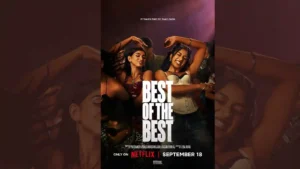
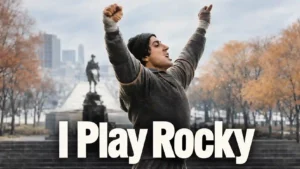
Best of the Best
Where It Has the Edge
- soundtrack quality is 4.9 vs 4.5. The soundtrack is repeatedly praised for strong needle drops, varied Indian music, and crowd-pleasing songs that add momentum...

Scorata scores summarize analyzed review evidence on a 1–5 scale; they are not laboratory measurements or a simple average of customer star ratings. Feature scores summarize the reviews covering that feature. The overall score averages feature scores within each review, then combines review averages. When both expert and customer evidence are available, those two groups receive equal weight. Products can have different review coverage, so small score gaps do not establish a winner.
Recommendations prioritize important features for the category, with a score of at least 3.5, a gap of at least 0.25 points and at least two supporting reviews per product. Features with widely varying scores or broad connectivity contexts are excluded from recommendations. These safeguards do not establish statistical significance.
Quick verdict
The review evidence points to a tradeoff: soundtrack quality versus romance quality and supporting cast performance. Choose according to which strengths matter more to you; the overall score alone does not settle that choice.
Choose Best of the Best for soundtrack quality.
Choose I Play Rocky for romance quality and supporting cast performance.
Scores are out of 5. Missing scores mean missing review evidence, not a missing feature.
Reviewers respond well to its messages about friendship, self-definition, living fully in the present, and choosing a life on your own terms.
Self-belief and staying true to a creative vision come across clearly and often inspiringly, even when the moral is delivered with little subtlety.
The recurring friendship theme is designed to connect emotional scenes and, according to the composer, gives the score cohesion without competing with the many songs.
The soundtrack has lovely passages but can press too hard on tender moments, distracting from the drama rather than deepening it.
Maya and Anjali are generally viewed as rounded, relatable leads with believable inner conflicts. Several critics say the supporting characters and male arcs are thinner or less reflective.
The central determination is easy to follow, but some relationships and supporting characters lose nuance as the filmmaking plot accelerates. A few feel too schematic or shortchanged.
The film is described as wholesome and, despite a small amount of mature reference, suitable for a family movie night.
The sweetened story is broadly accessible, although its adult-life context and rough language still make it a better fit for older audiences.
The romance is secondary to the friendship. Some reviewers find the love interests useful to the leads’ growth, while others reject one pairing as formulaic or unappealing.
romance quality receives generally favorable responses, with the film’s strengths and compromises both affecting the experience.
The photography is praised for warm campus imagery and colorful staging that gives the dance numbers visual lift.
The 1970s recreation has appealing details, but the movie’s own photography can look flat, overlit or more suitable to streaming than a cinema screen.
The dialogue draws both praise and criticism: one review finds it natural and current without trying too hard, while another says English-language exchanges can feel noticeably removed from real speech.
The show-business sparring produces several funny lines, although some pronouncements about dreams and filmmaking feel overly calculated.
Most reactions to the ending are positive, especially the final dance and reconciliation, though a few critics find the climax abrupt or the resolution too convenient.
Many enjoy the victorious payoff and audience-cheering finish. Others think the closing moments arrive abruptly or fail to reach the emotional peak the film promises.
The near-two-hour length divides critics: some are entertained enough to want even more, while another says the second-half conflict noticeably bloats the runtime.
The roughly two-hour story often feels brisk, though a few sections stretch or repeat familiar backstage hurdles.
The screenplay earns frequent praise for structure, wit, cultural specificity, and ensemble balance, but critics also point to contrivances, thin supporting characters, and derivative plotting.
Peter Gamble’s screenplay supplies sharp studio banter and a clear underdog spine, but critics are divided over shortcuts, scripted sentiment and familiar dramatic beats.
Editing gets sharply split reactions. Some praise clean, generous cutting, while another critic says frequent cuts prevent viewers from fully appreciating the choreography.
The film’s confident cutting helps the emotional high points land and the backstage action feel propulsive.
The film gets strong marks for friendship, identity, and sisterhood, but one critic argues that deeper cultural pressures on South Asian women are raised without being fully explored.
The connection between artistic determination and Rocky’s own themes adds meaning, but the treatment can remain light or oversimplified.
Predictability is the most consistent story complaint, with several reviewers saying the film follows familiar college and dance-movie beats almost exactly.
The movie knowingly follows a tried-and-true underdog template, which feels joyful and reassuring to some but overly safe and predictable to others.
The friendship story frequently lands with real feeling, from painful arguments to a finale that several reviewers found genuinely moving or uplifting.
The movie regularly earns cheers through determination, sacrifice and the recreation of a hard-won filmmaking triumph. Some find the climaxes engineered rather than genuinely moving.
The friendship-centered story is widely seen as warm, relatable, and effective even when simple. The biggest weakness is that several reviewers find the formula too familiar or the later conflict too simplified.
Stallone’s insistence on starring in his own screenplay makes for a naturally engaging underdog narrative. The biggest reservation is that the material is polished into a predictable Hollywood fable.
Dance-movie fans are the core audience: many reviewers see it as a welcome, highly enjoyable throwback, while a few feel its familiar formula keeps it from becoming memorable.
The Hollywood making-of drama works as a feel-good biopic, although its formula may frustrate those seeking a more challenging take on the story.
Lena Khan is repeatedly praised for energetic, clear direction that lets performers and dance routines breathe while keeping the tone buoyant.
Peter Farrelly brings comic timing, speed and a gift for encouraging warmth from his actors. Admirers call it a return to form; detractors find the approach safe and overly eager to please.
Pacing ranges from top-notch and rhythmically satisfying to noticeably slower once repeated friendship conflict dominates the second half.
The brisk momentum and amusing negotiations keep most engaged, though the balance between early struggles and later production anecdotes divides opinion. A few find the second half episodic or the ending too sudden.
The comedy is a major strength for most reviewers, with quick banter and culturally specific jokes landing often. A smaller number note that some jokes fall flat.
Studio negotiations, impatient executives and on-set workarounds generate some of the biggest laughs. The humor mostly complements the inspirational tone, though occasional jokes are heavy-handed.
Maitreyi Ramakrishnan and Priyanka Kedia are consistently praised for making Maya and Anjali feel like longtime friends, with natural banter, warmth, irritation, and emotional history.
The affectionate exchanges between Stallone and Sasha give the rise-to-fame story a human center, while the producing duo brings lively banter and comic rhythm.
The best dance set pieces and cinematography are described as colorful, theatrical, and visually striking, though one reviewer says the overall direct-to-streaming look can feel cheap outside the showcase numbers.
The movie frequently prioritizes recognizable Rocky imagery over a distinctive visual language, with several critics objecting to its glossy, televisual finish.
The UCLA setting is praised for feeling like a real social ecosystem rather than a generic campus backdrop.
Period costumes and recreated sets evoke the cramped, inventive production of the 1976 film. The polished surfaces sometimes undercut the grittiness of its New York and Philadelphia settings.
The ensemble is generally seen as lively and memorable, with several comic standouts. One negative review says many supporting players fade into the background because they are underdeveloped.
AnnaSophia Robb, Tracy Letts, P.J. Byrne, Toby Kebbell and Jay Duplass provide warmth and broad comic spark. Some parts are thinly sketched, but the performers often make them memorable.
The soundtrack is repeatedly praised for strong needle drops, varied Indian music, and crowd-pleasing songs that add momentum to the dance sequences.
Familiar notes of the Rocky theme supply a nostalgic surge, although some newer music is considered too sugary for intimate scenes.
The cast is widely praised for lively, committed work, especially in the dance-heavy material. The main dissent says some exchanges can feel less natural than intended.
The performances give the affectionate, familiar premise its life, with Ippolito in particular delivering an unusually persuasive portrayal. Several supporting actors also receive enthusiastic notices.
The two leads are one of the strongest points of agreement, with Priyanka Kedia and Maitreyi Ramakrishnan repeatedly praised for charisma, energy, and emotional credibility.
Anthony Ippolito’s uncanny physicality, vocal imitation and vulnerable underdog energy are the film’s biggest strengths. Even cooler responses generally concede the resemblance, though some find the portrayal too close to impersonation.
Several reviewers see it as an easy comfort rewatch, helped by the friendship, music, dance routines, and upbeat spirit.
The affectionate humor and familiar story invite repeat viewing, especially for those who enjoy returning to Rocky and its making.
Most reviewers find the movie funny, joyous, and easy to watch. Lower scores come from critics who feel the derivative story or slower second half drains too much energy.
A lively, often funny crowd-pleaser wins over many viewers even though its outcome is familiar. The minority who dislike the film find it an empty or recycled celebration.
Ippolito’s low growl, slurred cadence and Stallone mannerisms are widely convincing, often making the imitation disappear into a real character. A few find the voice exaggerated or object to an overly broad supporting accent.
Butkus adds an affectionate, grounding presence; the dog’s scenes are among the warmest and most memorable.
The narrow focus on Stallone’s early breakthrough keeps the story moving, but leaves little room for complexity or revelations beyond familiar lore.
Biographical fairness receives mixed responses, with the film’s strengths and compromises both affecting the experience.
An exceptionally close physical match for young Stallone anchors the movie, and the supporting character lookalikes add to the pleasure of revisiting Rocky history.
Carl Weathers, Talia Shire and Sasha are among the figures whose stories feel reduced or dropped just when they become interesting.
The Steadicam, tight shooting schedule, location decisions and on-set compromises make the process of bringing Rocky to life fascinating. Longtime fans may already know most of the anecdotes.
The movie appreciates Rocky’s landmark success, but sometimes skips over why the original became such a defining national phenomenon.
Most reviewers celebrate the specific South Asian-American setting, dance traditions, and female friendship at the center. A minority argue that parts of the writing feel out of touch or would benefit from deeper female authorship.
Choreography is the clearest consensus strength: reviewers call the routines electric, inventive, culturally varied, and exciting enough to carry even the most familiar story beats.
The central friendship conflict often lands emotionally, but one review finds the second-half escalation repetitive and lower-energy.
A short addition after the credits gives attentive moviegoers a satisfying extra reason to stay in their seats.
The story echoes the resilience and tenderness of the original Rocky, occasionally recreating its most iconic images. Some enjoy that mirroring more than others.
Sasha’s warmth and the father-son strain help explain Stallone’s emotional resolve, but the family relationships are sometimes reduced to shorthand.
The clash between an unknown actor and exasperated studio executives turns negotiations into an entertaining comedy of Hollywood egos and compromises.
franchise commercialization receives mixed responses, with the film’s strengths and compromises both affecting the experience.
Recreated training runs, the meat locker and familiar Rocky moments evoke the original with impressive care. For some viewers the accuracy is affectionate; for others it borders on visual karaoke.
The film is enjoyable in the moment, though its safe construction may leave less of a lasting impression.
The story is generally easy to follow and its many threads come together cleanly, even when the structure is simple.
Sasha is praised as spirited and important to Stallone’s success, yet other critics feel she becomes little more than a supportive helpmate and disappears too soon.
Production labor practices receives mixed responses, with the film’s strengths and compromises both affecting the experience.
Its open-hearted optimism is a major draw, yet some of the scoring, family material and triumphal beats strike critics as syrupy or aggressively manipulative.
A reviewer notes some mention of sex but still considers the movie a comfortable family watch, indicating approval of the relatively restrained level.
The movie is praised for keeping its satire, emotion, songs, and coming-of-age comedy cohesive rather than letting the music-heavy format overwhelm the story.
One reviewer calls it a fun family watch and sees little in the content that should worry families.
The cultural specificity is repeatedly described as a strength rather than a barrier, with reviewers expecting the film to connect beyond South Asian audiences and especially with younger dance fans.
The young Stallone is an approachable, stubborn, occasionally comic dreamer worth rooting for, although the idealized portrait can seem too good to be true.
The iconic run, music and behind-the-scenes anecdotes provide a powerful nostalgic lift for Rocky admirers. For skeptical viewers, the repeated callbacks can feel like an easy substitute for fresh drama.
Costumes are singled out as part of the film’s vibrant identity, helping both the campus world and performance sequences feel distinctive.
The campus and South Asian dance community feel specific and lived-in, with tradition and experimentation presented as parts of the same evolving culture.
The dramatization freely reshapes events and blends several executives into one antagonist. The recreation is often entertaining, but it is not treated as a definitive factual history.
One critic says the movie is less of the raucous comedy promised by its synopsis, especially once the more dramatic second half takes over.
The recreations and cast carry the picture despite an occasionally ordinary, streaming-like finish.

Choose this inventive, unsettling documentary for fearless questioning, dark humor, and unpredictable storytelling. Skip it if you want a short, straightforward exposé with definitive answers.
Pros: originality, humor

Extraordinary performances and richly observed relationships make this a rewarding, emotionally forceful drama. Its nearly three-hour length and slow opening demand patience and undivided attention.
Pros: class commentary, character development

Best for a hypnotic, bookish mystery with tactile visuals and cerebral chills. Skip it if reading-heavy, attention-demanding storytelling sounds more exhausting than exciting.
Pros: Atmosphere, cinematography
Cons: audience appeal

Best for an intimate, searching documentary that rewards focused attention and invites discussion. Skip it when devastating grief, addiction footage, and unresolved family tensions would be too much.
Pros: emotional impact, theme depth