Compare Crimson Moon vs Planted!

Crimson Moon

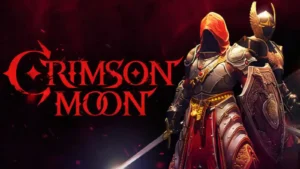
Crimson Moon

Overall score 3.4 / 5

Based on 34 scored reviews

vs
Planted!

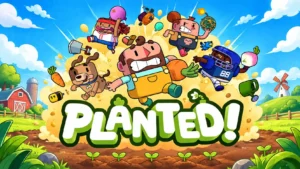
Planted!

Overall score 3.1 / 5

Based on 10 scored reviews

How we score

Scorata scores summarize analyzed review evidence on a 1–5 scale; they are not laboratory measurements or a simple average of customer star ratings. Feature scores summarize the reviews covering that feature. The overall score averages feature scores within each review, then combines review averages. When both expert and customer evidence are available, those two groups receive equal weight. Products can have different review coverage, so small score gaps do not establish a winner.

Recommendations prioritize important features for the category, with a score of at least 3.5, a gap of at least 0.25 points and at least two supporting reviews per product. Features with widely varying scores or broad connectivity contexts are excluded from recommendations. These safeguards do not establish statistical significance.

Quick verdict

What each product is best for

The available evidence supports the recommendation below, but does not establish an overall winner. Check the remaining features against your priorities.

Choose Crimson Moon for environmental detail and soundtrack quality.

There is not enough comparable review evidence to recommend Planted! over the other product.

Why these recommendations?

Crimson Moon

Where It Has the Edge

  • environmental detail is 5.0 vs 4.0. Cathedrals, ruined streets, caverns, and interior spaces are richly detailed, giving the game a stronger visual sense of...
  • soundtrack quality is 4.5 vs 3.6. The metal-heavy score works especially well in boss fights, adding energy without overwhelming the action.
  • sound design is 4.8 vs 4.0. Weapon impacts, parries, executions, environmental cues, and ability sounds are consistently praised for giving combat extra weight and...

Planted!

Where It Has the Edge

No clear scored advantage over the other product.

Crimson Moon 3.4 overall score
Planted! 3.1 overall score

Compare features

Scores are out of 5. Missing scores mean missing review evidence, not a missing feature.

Scored on both products

Other features

Online stability
Crimson Moon
1.0

Connectivity can undermine co-op with desyncs, failed mission starts, and other session problems even when cross-play itself works.

Planted!
4.5

Private online sessions work smoothly in the Xbox test, with a friend able to join quickly. This positive result concerns arranged matches rather than populated public matchmaking.

Movement feel
Crimson Moon
5.0

Movement feels immediately comfortable and responsive, helping the game’s familiar Soulslike fundamentals click quickly.

Planted!
1.6

Slippery movement and jumps that travel farther than expected make accurate positioning difficult. Campaign obstacles expose these problems especially clearly.

Pacing
Crimson Moon
5.0

Short runs and quick progression beats make the game easy to fit into limited play windows without requiring long uninterrupted sessions.

Planted!
1.9

Holding a button to harvest interrupts the intended snap of matches, while extended teaching slows the campaign introduction. At the other extreme, the busiest rounds could benefit from a slower pace.

Economy and resource balance
Crimson Moon
1.0

Gold costs can rise quickly, making higher-tier gear upgrades feel disproportionately expensive relative to mission earnings.

Planted!
4.0

Changing delivery bonuses and harvest choices encourage adaptation rather than one fixed growing routine. The best moments turn crop value and time allocation into useful tactical decisions.

Co-op experience
Crimson Moon
4.4

Two-player co-op is widely viewed as one of the game’s best fits, adding energy, shared decision-making, and more fun to repeated runs. Technical issues can still get in the way.

Planted!
1.5

Teaming up does not necessarily make computer matches enjoyable. One account finds a human team unable to keep pace even against the lowest-level bots.

Dialogue quality
Crimson Moon
2.0

Dialogue rarely carries the narrative, and the climactic exposition can lean on familiar villain-monologue conventions rather than sharper character writing.

Planted!
4.5

Silly character exchanges give the game charm and personality. The dialogue helps make its exaggerated gardening world enjoyable to spend time in.

Progression system
Crimson Moon
4.3

Permanent gear, levels, upgrades, and run-based boons usually make attempts feel worthwhile even after failure. The system is approachable and often satisfying, though later grind and reset behavior can weaken it.

Planted!
2.5

Being allowed to finish levels after losing challenges prevents complete blockage. It also weakens the satisfaction of succeeding and makes campaign progression feel inconsistent.

Onboarding experience
Crimson Moon
1.0

Important systems are not always communicated clearly, forcing players to discover loadout restrictions and meta-progression rules after they become relevant.

Planted!
2.5

First-time entry is divisive: one friend joined quickly with little explanation, while other accounts found essential teaching buried in a long campaign. Jumping directly into multiplayer can leave important mechanics unclear.

Core gameplay loop
Crimson Moon
4.7

The run-loot-upgrade-repeat loop is a major strength, with several players describing it as addictive or easy to return to. Its appeal depends on tolerance for repeated spaces and missions.

Planted!
3.3

Sow, grow, and throw is a clear, appealing foundation. Repeated routines and constant interruptions can drain its momentum, particularly in the campaign.

Game length
Crimson Moon
4.6

The compact structure works well for short sessions, and many players liked the roughly 10–15 hour scale at the price. One player finished much faster and felt the replay requirement exposed the thin content.

Planted!
3.3

Campaign-length impressions differ: one account calls it substantial, while another finds each biome quick to finish. Its size alone is not a dependable reason to buy.

Fun factor
Crimson Moon
4.2

Despite its rough edges, the game is frequently described as fun, especially when experimenting with builds or playing with a friend. Enjoyment tends to decline for players more sensitive to repetition and jank.

Planted!
3.2

Human multiplayer can be funny, lively, and mischievous. Aggressive AI, overwhelming chaos, repetitive tasks, and technical trouble make enjoyment much less consistent across the full game.

Crash stability
Crimson Moon
1.0

PC crashes can be severe, including cases where a crash erased progress or stripped a run of accumulated advantages.

Planted!
2.0

Repeated PS5 crashes can block campaign progress. An Xbox account reports earlier crashes resolved by updates and a later complete campaign run without a crash, so results vary by build and platform.

Environmental detail
Crimson Moon
5.0

Cathedrals, ruined streets, caverns, and interior spaces are richly detailed, giving the game a stronger visual sense of scale than its budget suggests.

Planted!
4.0

Different environments have enough personality to keep the scenery fresh and distinguish the arenas. Visual variation helps support the campaign and competitive matches.

Innovation
Crimson Moon
5.0

The combination of roguelike runs, action-RPG loot, Soulslike combat, and co-op feels fresh enough to stand out even though each individual ingredient is familiar.

Planted!
4.0

Turning gardening into hectic competition is a clever adaptation of the party-game formula. The concept fits naturally even where execution receives a more qualified response.

Weapon balance
Crimson Moon
1.0

A few dominant abilities can carry entire runs, reducing the incentive to experiment and making some gear choices feel disproportionately powerful.

Planted!
2.0

Turrets can dominate particular routes and effectively lock opponents out of scoring. The reported island encounter makes this defensive advantage feel excessive.

Bug frequency
Crimson Moon
1.8

Bugs range from occasional mission interruptions to more serious technical failures, and several playthroughs encountered glitches significant enough to disrupt progress.

Planted!
1.0

The PS5 account describes pervasive glitches and bugs that repeatedly disrupt play. Technical trouble becomes a major obstacle to enjoying the underlying game.

Content variety
Crimson Moon
2.8

Builds can change meaningfully through boons, gear effects, and elemental setups, but limited weapon classes, repeated enemies, and familiar spaces keep variety from matching the strongest roguelites.

Planted!
3.6

Distinct arenas and power-ups bring welcome variety, with some accounts enthusiastic about the selection. Others find eight biomes insufficient for repeated sessions.

Difficulty balance
Crimson Moon
2.4

Difficulty is inconsistent: multiple lives and angel form can make bosses too easy, while tight parry windows, aggressive elites, and awkward hit reactions can make other fights feel unfair.

Planted!
1.7

Computer opponents repeatedly feel too strong, including at low settings in several accounts. Precise demands, overlapping tasks, and unreliable controls can make the challenge feel punishing rather than fair.

Mission variety
Crimson Moon
3.0

Different locations and objective types add some variety, but regular encounters can still settle into a repetitive rhythm across longer play sessions.

Planted!
3.7

Extra challenges, performance medals, and coin goals offer useful breaks from routine gardening. They add reasons to revisit stages even when the broader campaign remains repetitive.

Atmosphere
Crimson Moon
5.0

Gildenarch’s ruined castles, caverns, cathedrals, and angelic imagery create a dark, mythic atmosphere that gives the game a distinctive sense of place.

Planted!
4.4

Cheerful environments and exaggerated cartoon styling keep the mood playful. That charm softens the tone of all the stealing and sabotage.

Narrative quality
Crimson Moon
2.4

The premise and lore are stronger than the active storytelling. The plot is usually simple, sparse, or pushed into the background, which suits action-first players more than story-focused ones.

Planted!
1.8

The campaign premise has some personality, but the story itself is thin and rarely compelling. It mainly serves to connect instructional challenges.

Originality
Crimson Moon
4.7

The genre mix gives the game a distinct identity, and several players see it as more than just another Soulslike despite familiar influences.

Planted!
4.1

Competitive gardening gives the game a recognizable identity beyond familiar party-game activities. The unusual mix of crops, territory, and sabotage is regularly praised.

AI behavior
Crimson Moon
2.0

Basic enemies can behave predictably, with some charging straight in rather than showing much tactical awareness.

Planted!
1.5

Computer opponents are repeatedly criticized for excessive precision, speed, and aggression. Several accounts find even early encounters or easy bots frustratingly one-sided.

HUD clarity
Crimson Moon
2.0

Some interface elements are oversized enough to distract from play, making the HUD feel less tidy than it should.

Planted!
1.5

Crop-demand notifications can get lost in the chaos. More prominent signals would make it easier to recognize which vegetable currently earns the bonus.

Art direction
Crimson Moon
4.8

The Gothic, religious-fantasy art direction is one of the clearest strengths, with ornate cathedrals, striking armor, and a strong visual identity that often looks above its budget.

Planted!
4.4

Bright cartoon styling is one of the most consistent strengths. Exaggerated gardeners and oversized vegetables suit the playful competitive premise.

Writing quality
Crimson Moon
2.0

The writing rarely elevates the simple plot, and character development is too thin to make the narrative as compelling as the setting.

Planted!
2.4

The campaign story is repeatedly criticized for thin substance and weak motivation. Silly dialogue is a brighter spot, adding charm even when the broader narrative fails to engage.

Graphics quality
Crimson Moon
4.4

Visual quality is frequently praised, from lighting and armor to environments that can look surprisingly high-end. A few players find the presentation dated or too visually repetitive.

Planted!
4.1

Vibrant colors and expressive produce make the game attractive and cheerful. One account finds the presentation less impressive over longer play despite that immediate appeal.

Accessibility options
Crimson Moon
1.5

Control customization was a launch weakness, with missing remapping and limited input options making the game harder to tailor to individual needs.

Planted!
1.8

Controller remapping is missing in one account, leaving an awkward layout difficult to fix. Another finds the campaign challenge cannot be adjusted, limiting ways to make it more manageable.

Polish
Crimson Moon
1.6

Lack of polish is the dominant weakness after the camera. Technical bugs, rough UI, inconsistent combat behavior, and launch-state jank repeatedly make the game feel less finished than its core deserves.

Planted!
1.8

Rigid lobby behavior, mechanical roughness, and serious technical failures weaken the finish. Multiple accounts see a promising concept that needed more refinement.

Tutorial quality
Crimson Moon
2.7

Tutorial quality is inconsistent: one player found the basics clearly explained, while others felt important progression and stat systems were omitted or poorly communicated.

Planted!
2.9

The campaign can teach useful farming and defensive skills, but its instruction often drags on. Some challenges expect near mastery before players have enough practice.

Learning curve
Crimson Moon
3.5

The game becomes understandable fairly quickly, though inventory and build systems can be confusing at first before the run structure clicks.

Planted!
3.6

The basic loop is intuitive, and some newcomers grasp the controls quickly. Throw timing and demanding early challenges can still create a steep adjustment period.

Combat system
Crimson Moon
3.8

Combat lands well for many players thanks to responsive attacks, weighty hits, parries, dodges, finishers, and build-driven skills. Others find it shallow or inconsistent, especially when camera and hitbox problems interfere.

Planted!
3.8

Hurling vegetables and disrupting rivals produces lively slapstick battles. Inconsistent throws and unreliable interruptions can make combat frustrating in the less favorable accounts.

Comfort and build

World-building
Crimson Moon
5.0

Gildenarch feels more fleshed out than the main plot suggests, with optional lore and environmental storytelling giving the setting extra depth.

Planted!
3.0

World-building impressions differ: one account finds little beyond the federation premise, while another likes the constructive contrast of restoring community gardens. The setting has charm but limited narrative substance.

Mission design
Crimson Moon
3.0

The mission structure is functional but not universally compelling; repeated objectives and spaces can make later runs feel more routine than fresh.

Planted!
2.0

Some obstacle courses demand too much precision and punish mistakes with extensive repetition. Recovering can feel almost as harsh as the original error.

Sound design
Crimson Moon
4.8

Weapon impacts, parries, executions, environmental cues, and ability sounds are consistently praised for giving combat extra weight and readability.

Planted!
4.0

Vegetable impacts and action effects reinforce the slapstick and provide useful feedback. Reactions range from perfect comic accompaniment to competent sound that rarely stands out.

User interface design
Crimson Moon
1.3

The interface needs refinement, particularly on PC and high-resolution displays. UI sizing, unclear stat information, and awkward presentation are recurring complaints.

Planted!
2.0

Changing crop requests are not communicated prominently enough in one account. Important updates can disappear amid the action and leave players pursuing the wrong harvest.

Level design
Crimson Moon
4.0

Level design is often praised for atmosphere, verticality, and readable routes, but some maps are linear or mechanically straightforward despite looking impressive.

Planted!
4.0

Distinct biomes bring varied hazards, layouts, and delivery goals, making the arenas a recurring strength. Ambitious multi-part stages can also wipe out hard work or punish recovery too severely.

Performance

Performance optimization
Crimson Moon
3.0

PC performance is inconsistent across systems: some players report smooth play, while others encounter severe drops, crashes, or optimization problems.

Planted!
4.5

The Xbox Series X|S test reports solid performance during busy action. Colorful arenas remain manageable even as power-ups and projectiles fill the screen.

Soundtrack quality
Crimson Moon
4.5

The metal-heavy score works especially well in boss fights, adding energy without overwhelming the action.

Planted!
3.6

Upbeat music generally fits the energetic cartoon action. Some praise its energy, while others find it pleasant but unmemorable.

Ownership and support

Save system reliability
Crimson Moon
2.6

Between-level saving can make long runs manageable, but crashes and progress-loss bugs create serious reliability concerns. Save-and-quit flexibility also varies by situation.

Planted!
1.3

One account loses an entire campaign session, while another reports lost progress during repeated crashes. Saving and recovery are serious concerns in those tested versions.

Cross-play support
Crimson Moon
5.0

Cross-play is praised for letting PC and console friends play together without platform barriers when the online session itself is stable.

Planted!
4.0

Cross-play is viewed as a practical advantage for arranging games with friends on different platforms. It broadens the ways a group can play together.

Replay value
Crimson Moon
2.6

Replay value is divisive. Build experimentation and meta-progression can keep runs appealing, but static environments, limited enemy variety, and repeated objectives wear down the experience for others.

Planted!
3.1

Medals, rivalries, and tactical choices give some players reasons to return. Others find the repeated farming loop and limited arena selection lose their appeal quickly, especially alone.

Live-service support
Crimson Moon
4.7

Post-launch response has been quick, with the team adding requested input options and publicly targeting camera, co-op, and quality-of-life fixes. That responsiveness improves confidence in ongoing support.

Planted!
4.5

Responsive support and frequent stability updates improved the Xbox review experience substantially. A later campaign run completed without the crashes seen in the early build.

Controls and connectivity

Controls responsiveness
Crimson Moon
3.2

Basic attack and movement inputs often feel responsive, but control customization was rough at launch and some layouts or PC bindings were frustrating until patches arrived.

Planted!
1.9

Several accounts describe loose or imprecise inputs that struggle to support fast reactions. Demanding obstacles and busy fights make those shortcomings harder to ignore.

Menu usability
Crimson Moon
1.3

Inventory, loadout, and storage management are recurring pain points, with confusing organization and restrictions that make build experimentation less smooth.

Planted!
2.0

An unskippable arena-selection countdown adds needless waiting when arranging an incomplete group. The lobby flow lacks the convenience expected of a quick party game.

Evidence available for one product

Other features

Ease of use
Crimson MoonNo score yet
Planted!
4.0

The growing and scoring premise is easy to understand, and some groups can join quickly. That initial simplicity does not always translate into comfortable play at the game’s busiest pace.

Aiming precision
Crimson MoonNo score yet
Planted!
2.0

Throwing is often hard to judge, with inaccurate trajectories and no clear distance indicator. Practice helps establish timing, but precision remains a recurring complaint.

Animation quality
Crimson Moon
2.0

Combat animation quality is uneven: bosses can read well, but some elite and player motions feel abrupt or janky.

Planted!No score yet
Camera behavior
Crimson Moon
1.4

The camera is the most consistent complaint. Lock-on can swing, collide with geometry, or lose important targets, making difficult fights frustrating for the wrong reasons.

Planted!No score yet
Character development
Crimson Moon
1.0

Most supporting characters receive very little screen time or development, leaving the cast thin compared with the world around them.

Planted!No score yet
Checkpoint system
Crimson MoonNo score yet
Planted!
2.0

Some campaign mistakes force players to repeat large sections of a challenge. That recovery structure compounds frustration with the imprecise jumps.

Collectibles
Crimson Moon
5.0

Weapons, skills, throwables, and lore pickups give runs a strong collecting hook, and at least one player found the chase highly addictive.

Planted!No score yet
Combat readability
Crimson MoonNo score yet
Planted!
3.5

Readability depends on the account: Xbox action remains easy to follow in one test, while another flags crowded four-player scenes as a potential problem. Busy projectiles and power-ups are the dividing factor.

Competitive balance
Crimson MoonNo score yet
Planted!
2.1

Theft, randomness, and powerful defensive positions can undermine balanced competition. Computer advantages make the sense of unfairness especially pronounced in some accounts.

Cutscene visual quality
Crimson MoonNo score yet
Planted!
4.5

Illustrated storyboards and expressive character cut-outs give brief story scenes attractive cartoon personality. The simple presentation is more appealing than the thin narrative itself.

Endgame content
Crimson Moon
1.0

Higher difficulties do not always add enough new rewards or gear to justify repeating the campaign, leaving the endgame feeling grindier than meaningfully expanded.

Planted!No score yet
Enemy variety
Crimson Moon
2.2

Enemy variety is a recurring weakness. Familiar mobs and variants become predictable across repeated runs even when individual enemy types are readable.

Planted!No score yet
Exploration quality
Crimson Moon
4.2

Exploration is generally enjoyable, with vertical spaces, side paths, secrets, and lore pickups rewarding curiosity. Some larger areas can still feel sparse.

Planted!No score yet
Family friendliness
Crimson MoonNo score yet
Planted!
4.5

A playful cartoon tone and simple social competition make it appealing for family game nights in the positive Xbox account. This praise centers on shared fun rather than a detailed content assessment.

Farming system
Crimson MoonNo score yet
Planted!
3.3

Growing oversized vegetables creates an approachable foundation with useful harvest decisions. Repeated routines and stolen crops can also make tending a garden feel stale or unrewarding.

Frame rate stability
Crimson Moon
1.0

Performance can collapse badly on some PC setups, with severe frame-rate drops making certain sections difficult to play comfortably.

Planted!No score yet
Gameplay mechanics
Crimson MoonNo score yet
Planted!
3.6

Changing crop requests, power-ups, and sabotage give gardening an inventive competitive twist. These systems can also feel repetitive or too crowded to manage comfortably.

Grind level
Crimson Moon
3.0

Early progression avoids heavy XP grinding, but later difficulty tiers can shift more time toward farming gold and repeating content rather than discovering new material.

Planted!No score yet
Hit detection quality
Crimson MoonNo score yet
Planted!
1.5

Some thrown objects appear to hit opponents without interrupting them. That inconsistency makes defensive attacks hard to trust.

Humor
Crimson MoonNo score yet
Planted!
4.3

Oversized vegetables, silly dialogue, and unpredictable sabotage create effective slapstick. The comic personality is a strength even in otherwise critical accounts.

Loot system
Crimson Moon
3.3

Loot is a strong motivator when new gear changes builds or creates elemental synergies, but shared drops, storage restrictions, and lost boons can make the system feel more cumbersome than it should.

Planted!No score yet
Lore depth
Crimson Moon
4.0

The active story is light, but collectible lore gives the world more depth and provides extra context for players who want to dig into Gildenarch’s history.

Planted!No score yet
Matchmaking quality
Crimson MoonNo score yet
Planted!
1.5

Quick Play produced empty lobbies throughout the reported test period. Public matchmaking may offer little value when there are no available opponents.

Minigame quality
Crimson MoonNo score yet
Planted!
3.5

Mini-games offer some enjoyable, silly diversions. Their quality is inconsistent when awkward controls and harsh challenge design get in the way.

Monetization fairness
Crimson Moon
5.0

The low upfront price and absence of battle passes or live-service monetization are treated as meaningful positives.

Planted!No score yet
Overall quality
Crimson MoonNo score yet
Planted!
2.5

The overall recommendation is divided between an entertaining social battler and an unfinished, frustrating package. Controls, campaign difficulty, and technical reliability account for the strongest reservations.

Pause functionality
Crimson Moon
1.0

The lack of a true pause during solo play is a clear quality-of-life drawback for anyone who needs to step away mid-run.

Planted!No score yet
Platforming precision
Crimson MoonNo score yet
Planted!
1.6

Platforming asks for accurate jumps and rapid reactions that the movement frequently fails to support. Small overshoots and repeated hazards turn some courses into frustrating tests of patience.

Side character depth
Crimson Moon
1.0

Supporting NPCs tend to be one-dimensional and brief, so they add flavor without much emotional or narrative depth.

Planted!No score yet
Social features
Crimson MoonNo score yet
Planted!
4.5

Private lobbies are easy to organize with simple join codes. Inviting a friend works quickly and avoids a cumbersome setup process.

Solo play quality
Crimson MoonNo score yet
Planted!
2.1

Solo play is a frequent weak point, with aggressive AI, repetition, and uneven challenges limiting enjoyment. Serious crashes or save problems worsen the experience in some tested versions.

Split-screen quality
Crimson MoonNo score yet
Planted!
4.0

Split-screen contributes useful flexibility to the multiplayer package. It supports the social appeal of playing and reacting together on the sofa.

Strategic depth
Crimson MoonNo score yet
Planted!
3.6

Growing valuable crops while deciding when to steal, defend, or disrupt can create satisfying tactical choices. The busiest rounds can overwhelm planning and leave little room for strategy.

Upgrade system
Crimson Moon
5.0

Persistent gear upgrades are satisfying because improving an item can strengthen future versions of that gear and make later runs feel more rewarding.

Planted!No score yet
Violence level
Crimson Moon
5.0

The bloody finishers and aggressive combat presentation are a positive for players who enjoy the game’s gory dark-fantasy tone.

Planted!No score yet
Visual effects quality
Crimson Moon
2.0

Heavy on-screen effects can hurt combat readability, especially when status effects obscure attack cues during busy fights.

Planted!No score yet

Comfort and build

Boss design
Crimson Moon
4.0

Bosses are generally seen as fair and visually memorable, with readable attacks in the better fights. A few encounters drag or feel less engaging than the surrounding combat.

Planted!No score yet
Control input comfort
Crimson MoonNo score yet
Planted!
2.8

Button-layout reactions vary sharply: some find the controls accessible, while others struggle with unfamiliar jump placement and separate pickup and throw inputs. The awkward arrangement can add friction during frantic action.

Map and navigation design
Crimson Moon
1.0

Large areas can become frustrating to clear because there is no proper map and locating the last remaining enemy can turn into aimless searching.

Planted!No score yet
Multiplayer design
Crimson MoonNo score yet
Planted!
3.7

Competitive multiplayer is usually the main attraction, especially when human rivals create unpredictable sabotage. Opinions still range from enthusiastic praise to disappointment with repetition and awkward lobby design.

Quest design
Crimson Moon
2.0

NPC quests are described as simple and bland, doing little to deepen the otherwise interesting setting.

Planted!No score yet

Controls and connectivity

Character customization
Crimson Moon
5.0

Gear visuals and planned transmog give players appealing cosmetic freedom, letting builds look intentional even when mixed equipment would otherwise clash.

Planted!No score yet
Voice acting
Crimson Moon
4.0

Voice acting is solid and unobtrusive, with no major complaints in the playthrough that directly discussed it.

Planted!No score yet

Ownership and support

Value for money
Crimson Moon
4.3

The $20 price is one of the strongest points of agreement. Even many critical players feel the compact campaign, co-op, combat, and build systems make the package easier to justify at that price.

Planted!No score yet

Other Top Video Games to Consider

#1 Well Dweller
4.7

Best for fluid traversal, rewarding exploration, striking art, and forgiving quality-of-life features. Skip it if you want deep combat, radical genre innovation, or consistently demanding bosses.

Pros: difficulty balance, boss design

Cons: innovation, sandbox freedom

#2 Hades II

4.5

Best for superb combat, inventive builds, and richly voiced characters. Skip it if repeated runs, resource gathering, or visually busy battles outweigh the appeal of steady progress.

Pros: overall quality, combat system

Cons: pacing, grind level

#3 Valheim

4.5

Good if you want a beautiful, demanding survival sandbox built around exploration, building, progression, and memorable co-op. Skip it if long resource runs, harsh death recovery, and deliberate pacing sound...

Pros: town-building system, exploration quality

Cons: grind level, fast travel convenience

#4 Clair Obscur: Expedition 33
4.5

Choose Clair Obscur if you want a story-rich RPG with thrilling timed combat, gorgeous art, and standout music. Skip it if poor maps, tight parry timing, or occasional bugs and...

Pros: narrative quality, combat system

Cons: map and navigation design, menu usability