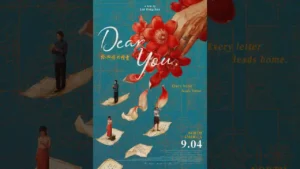

Dear You
Where It Has the Edge
- cultural representation is 4.9 vs 2.0. The Teochew dialogue, foodways and immigrant experiences give the film a distinctive cultural identity. Its focus is widely...

Scorata scores summarize analyzed review evidence on a 1–5 scale; they are not laboratory measurements or a simple average of customer star ratings. Feature scores summarize the reviews covering that feature. The overall score averages feature scores within each review, then combines review averages. When both expert and customer evidence are available, those two groups receive equal weight. Products can have different review coverage, so small score gaps do not establish a winner.
Recommendations prioritize important features for the category, with a score of at least 3.5, a gap of at least 0.25 points and at least two supporting reviews per product. Features with widely varying scores or broad connectivity contexts are excluded from recommendations. These safeguards do not establish statistical significance.
Quick verdict
The review evidence points to a tradeoff: cultural representation versus humor and genre satisfaction. Choose according to which strengths matter more to you; the overall score alone does not settle that choice.
Choose Dear You for cultural representation.
Choose SCTV: The Greatest Show You’ve Never Heard Of for humor and genre satisfaction.
Scores are out of 5. Missing scores mean missing review evidence, not a missing feature.
The Teochew dialogue, foodways and immigrant experiences give the film a distinctive cultural identity. Its focus is widely admired, although one critique finds Thai and Indian perspectives flattened by the nationalist framing.
Critics praise the film’s Canadian comedy history but object to its strong dependence on Americans to establish the show’s significance.
The intertwined timelines mostly transition smoothly, allowing old revelations to reframe the present. Some abrupt leaps and a shifting protagonist leave other stretches less satisfying.
Explanatory commentary sometimes interrupts sketches just as their comic timing is developing, although the emotional reunion scenes are more carefully handled.
The largely unstarry ensemble feels cohesive and sincere, although the principal actresses are noticeably stronger than some smaller parts.
Some fans are disappointed that important contributors from the original troupe are left out of the historical account.
Early humor makes the dense historical story approachable. Its lighthearted opening occasionally clashes with the more serious period drama.
Old sketches still deliver strong laughs, and the performers’ recollections often have comic timing of their own.
The patient approach lets the family history develop and often makes the final act more powerful. Early rushes through important relationships and a meandering modern-day setup produce an uneven rhythm.
A brisk 88-minute tour keeps the show accessible, but several critics say important creative and historical developments move by too quickly.
The co-written script uses several intertwined lives to address migration and identity with considerable subtlety.
The documentary lovingly explores decades of friendship while also raising tensions over the McKenzie brothers’ success and uneven recognition.
The grandson’s contemporary hunt for an inheritance is an accessible entry point, but he largely disappears when the stronger historical narrative takes over.
The historical emphasis on recognition in the United States can leave the Canadian series’ later history feeling incomplete.
At nearly two hours, the picture has room for slowly developing bonds and an earned finale. Some stretches linger longer than they need to.
The concise length gives the documentary energy and makes it easy to sample, but there is disagreement about whether 88 minutes can do justice to the subject.
As a family melodrama it delivers abundant warmth, loyalty and sorrow. Its conventional emotional beats can feel overly sweet to viewers wanting sharper realism.
The documentary delivers a cheerful, funny celebration of a formative sketch-comedy series, with a little backstage conflict.
A family mystery built from decades of remittance letters culminates in deeply affecting reunions and revelations. Some moments are pushed by the music, but the emotional payoff remains a standout.
The aging cast watches its younger selves with tenderness, humor, and grief; Catherine O’Hara’s presence makes those scenes especially poignant.
Lan Hongchun combines gentle observation with vivid emotional payoffs, drawing strong performances from an inexperienced cast. His restraint is admired even if some sentimental beats are heavy-handed.
Jason Hehir gives the performers room to tell their story and captures a poignant reunion, although the historical coverage can feel overcompressed.
Den and Lamgi build a tender, distinctly platonic bond through shared difficulty and concern for others. The broader neighborhood solidarity makes the story feel welcoming.
The documentary sees the troupe’s friendships as its heart, and reunions decades later make those bonds unexpectedly moving.
The film brings qiaopi letters and overlooked Teochew migrant lives back into public memory. Its historical notes and regional language have also encouraged reflection on preserving family heritage.
By gathering surviving participants and presenting classic footage, the documentary becomes a particularly affecting record of a comedic generation.
Spouses, friends and adopted family members all register as convincing relationships. The emotional dynamics remain believable despite the unusual setup.
The comedians’ old connection remains visible in how naturally they watch, tease, and laugh with one another.
A modest Teochew-language film became a box-office phenomenon and a major talking point across Chinese and diaspora communities. Its reach has fueled conversation about dialect filmmaking and ancestral identity.
The film highlights how this cult Canadian sketch show inspired generations of better-known American comic performers.
The atmosphere and qiaopi traditions feel rooted in recognizable immigrant history. The limited treatment of major political events and convenient plot devices leave its account selective rather than comprehensive.
Omitting the final season and stopping the story at NBC’s cancellation distorts the account of SCTV’s full run.
Despite its small scale and historical focus, the film is consistently described as charming and rewarding. Its appeal comes from quiet human connections rather than spectacle.
A lively, affectionate tour of the comedy troupe combines big laughs with memorable personal reflections. Even critics who want a fuller documentary find much to enjoy.
The mostly nonprofessional cast gives the drama a welcome naturalness and emotional credibility. Some small roles are less assured, but the leads routinely rise above the modest production.
Li Sitong and the actresses portraying Sogriu give the drama quiet intensity. Subtle shifts in emotion make the central relationships and reunion land strongly.
One conspicuously anachronistic song distracts from the otherwise carefully established period setting.
Neighborhood characters and the wider ensemble often feel authentic and warmly observed. A few minor roles are comparatively uneven.
Great SCTV sketches and older footage showcase the show’s oddball originality. Some wish the jokes were allowed to play for longer without interruptions.
A gentle nostalgic mood blends hope, grief and generosity. The film’s lived-in period spaces keep its sentimental themes grounded.
Candid memories about budgets, networks, pay, and cast friction reveal the improvisational pressure behind the show’s inventive comedy.
Performers who speak Teochew make the intimate scenes feel authentic rather than polished into generic melodrama. The largely inexperienced ensemble is a notable strength.
The warm, funny reunion is widely considered the best part, capturing real affection and shared comic instincts across decades.
Den and the two central women become more compelling as their hidden histories surface. Opinions split over whether their extreme goodness and the hurried grandson subplot leave them underwritten.
Warm golden lighting, attractive compositions and bright period color distinguish past from present. The images lend unexpected visual richness to the small production.
The interviews carry their own quick humor, but commentary cutting into sketches can interrupt the jokes.
Stories of turning budget constraints into jokes, designing character impersonations, and working as an ensemble are fascinating; some critics want more detail.
The older Lamgi’s failing memory increases the sadness of the final meeting. The moment can be tear-jerking, though the device strikes some as overly melodramatic.
The affectionate tribute can feel one-sided, especially when celebrity praise crowds out harder questions and Canadian perspectives.
The biggest recurring objection is incomplete coverage: the film skips important participants, gives some conflicts little time, and even omits the final season.
The sacrifices and late reunions deliver potent drama. Some find the third act oversweetened or too eager to wring tears.
Drinking and smoking complicate the film’s nostalgic view of the period, reminding viewers that these lives were not uniformly idyllic.
The long-awaited reunion and truth behind the letters bring a bittersweet, deeply moving resolution. The finale favors compassionate recognition over a neat, happy ending.
The famous fans bring genuine enthusiasm and occasional sharp observations about why SCTV mattered.
Devotion between spouses, grandmothers, children and chosen family binds the separate timelines. The sacrifices are moving, even when the characters seem idealized.
The family-centered story has an approachable, wholesome tone, although its violence and mature themes still make age suitability a separate consideration.
The film outlines the show’s origins, budget limitations, network struggles, and breakthrough, though later years and departures are more hurried.
Cast interviews supply wit and firsthand history; celebrity fans bring enthusiasm but can crowd out the comedy or Canadian perspectives.
Generosity, loyalty and care across generations give the drama a compassionate heart. Most find the moral message deeply resonant, while a few object to saintly heroes or overt nationalism.
Questions about missing qiaopi letters and a seemingly abandoned family provide the strongest dramatic puzzle. The answer shifts attention from inheritance toward sacrifice.
Some sketches and anecdotes have also appeared in recent documentaries about the same comedy circle, creating a sense of familiarity.
The chronological framing is straightforward, but ending the history around NBC’s cancellation without covering the final season weakens its accuracy.
The family-search premise feels familiar, but the decision to avoid a love triangle and focus on the letter-writing friendship lends it freshness.
Revelations gradually reframe the family’s history, but the leap from a comic grandson subplot to extensive flashbacks can be jarring. The central mystery is understandable once the time shifts settle.
Sogriu’s resilience and Lamgi’s self-directed kindness give the women real narrative weight. A dissenting perspective finds their lifelong sacrifices more saintly than psychologically complete.
Details of everyday immigrant life feel tangible, but the saintliness of several characters and a convenient lost-letter coincidence test belief.
The marriage stretched across a sea becomes an affecting account of longing and loyalty. It draws tears without turning Den and Lamgi’s friendship into a love triangle.
Swelling, sentimental cues repeatedly tell viewers how to feel, sometimes intruding on scenes that already work on their own. A few find the music fitting, but this is the most persistent criticism.
The classic bits are funny, but some reviewers complain that snippets are too short or overrun by celebrity reactions.
The search for an allegedly wealthy grandfather opens into an engrossing account of misplaced letters, migration and loyalty. The historical story proves much richer than its familiar opening suggests.
The mystery of Den’s letters builds compelling tension without conventional thrills. A mistaken photo and unanswered correspondence sustain interest in the family’s past.
Migration, belonging, women’s mutual care and the limits of knowing family history run beneath the melodrama. The quiet importance of words sent across oceans gives the film lasting meaning.
The playful opening and earnest historical drama do not always fit comfortably together, giving the first act a slightly mismatched tone.
The correspondence mystery and family loyalties create an unusually humane story. Its tendency toward simplification, saintly protagonists and politically cautious choices draws criticism.
The family-sacrifice theme connected strongly with Chinese and Southeast Asian audiences, especially people with migration stories in their families. Its specificity and nationalist elements may limit appeal for others.
Lamgi’s independence and Den’s devotion make the central figures easy to root for. Their selflessness is attractive, although it can sometimes border on implausible.
The film attracted acclaim at international festivals, adding critical recognition to its unusual commercial success.
For anyone who grew up with SCTV, the old clips and affectionate reunion offer an unusually rewarding return to a formative comedy institution.
Multiple viewers dislike the implication that SCTV was unknown, calling the subtitle misleading or patronizing.
The modestly funded boarding houses, classrooms and Bangkok streets feel richly inhabited. Period details make ordinary immigrant lives tangible.
Golden light and warm, restrained colors make the past feel dreamlike and lived-in. The accessible, gently lyrical imagery is polished beyond the film’s budget.
A second viewing can reveal more of the film’s subtle historical details and emotional distance, making its quiet sensitivity more apparent.

Choose this inventive, unsettling documentary for fearless questioning, dark humor, and unpredictable storytelling. Skip it if you want a short, straightforward exposé with definitive answers.
Pros: originality, humor

Extraordinary performances and richly observed relationships make this a rewarding, emotionally forceful drama. Its nearly three-hour length and slow opening demand patience and undivided attention.
Pros: class commentary, character development

Best for a hypnotic, bookish mystery with tactile visuals and cerebral chills. Skip it if reading-heavy, attention-demanding storytelling sounds more exhausting than exciting.
Pros: Atmosphere, cinematography
Cons: audience appeal

Best for an intimate, searching documentary that rewards focused attention and invites discussion. Skip it when devastating grief, addiction footage, and unresolved family tensions would be too much.
Pros: emotional impact, theme depth