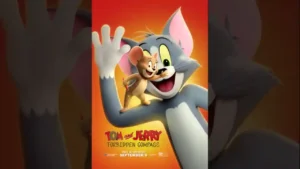
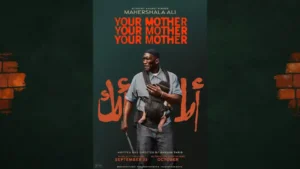
Tom and Jerry: Forbidden Compass
Where It Has the Edge
No clear scored advantage over the other product.

Scorata scores summarize analyzed review evidence on a 1–5 scale; they are not laboratory measurements or a simple average of customer star ratings. Feature scores summarize the reviews covering that feature. The overall score averages feature scores within each review, then combines review averages. When both expert and customer evidence are available, those two groups receive equal weight. Products can have different review coverage, so small score gaps do not establish a winner.
Recommendations prioritize important features for the category, with a score of at least 3.5, a gap of at least 0.25 points and at least two supporting reviews per product. Features with widely varying scores or broad connectivity contexts are excluded from recommendations. These safeguards do not establish statistical significance.
Quick verdict
The available evidence supports the recommendation below, but does not establish an overall winner. Check the remaining features against your priorities.
There is not enough comparable review evidence to recommend Tom and Jerry: Forbidden Compass over the other product.
Choose Your Mother Your Mother Your Mother for directing quality and cultural representation.
No clear scored advantage over the other product.
Scores are out of 5. Missing scores mean missing review evidence, not a missing feature.
Critical reception is exceptionally poor, repeatedly characterized as scathing, nearly unanimous condemnation, and a franchise low. The 0% Rotten Tomatoes figure is a recurring sign of just how badly it landed with critics.
Early critical response is described as exceptionally enthusiastic, including a perfect initial aggregate score cited by one source. The supplied reviews themselves are overwhelmingly favorable despite recurring caveats.
Broader audience response is weak, with low audience scores and multiple reactions expecting both kids and adults to disengage. A minority view sees strong kid appeal in the fast action and colorful presentation.
The film is seen as a strong theatrical proposition for viewers open to an action movie with spiritual and family concerns. Its unusual mix may be less immediate for audiences expecting nonstop combat.
Editing is frequently blamed for the movie’s breathless, disorienting flow. Cuts and structural trimming can make scenes feel rushed, butchered, or hard to process, though one mixed reaction mainly wanted the edit slowed down.
The editing is singled out as fluid and supportive of the film’s momentum. It keeps the action readable rather than reducing fights to a blur of cuts.
Direction is criticized for failing to organize the story, pace the spectacle, or frame the action clearly. Even visually promising material often feels weakened by a lack of control.
Bassam Tariq earns strong praise for balancing intimate family drama, religious reflection, humor, and violent action without losing a distinct point of view. Even critics of the film’s messier passages tend to admire his ambition and visual command.
The Chinese setting and mythology are central to the movie, but some reactions find the cultural framing heavy-handed, stereotyped, or awkwardly grafted onto American IP. Those concerns make the localization feel less natural than intended.
The film is praised for centering Black Muslim and Pakistani-American perspectives with specificity rather than treating faith as decoration. Its Muslim family life feels ordinary, textured, and unusually prominent for a studio action film.
The new mythology characters are repeatedly described as thin, flat, confusing, or underdeveloped, and Tom and Jerry often lose agency as the story shifts away from them. This makes emotional investment difficult.
Latif’s progression from rigid provider and killer toward a more vulnerable father is widely viewed as compelling. His inner journey often matters more than the external hitman plot.
The large action scenes fail to build much tension. Even the biggest threats can feel stiff and emotionally weightless.
The film builds strong tension through both violent threats and family stakes. Its most effective stretches are described as gripping, nail-biting, or edge-of-your-seat.
The film has difficulty creating attachment to its new characters, leaving major events emotionally flat. The friendship material between Tom and Jerry offers a small exception, but it is not enough to carry the movie.
Grief, family pressure, and spiritual doubt give the film a strong emotional pull. Several reviewers describe the final stretch and father-daughter material as especially affecting.
The dramatic material struggles to create emotional engagement. Character stakes and relationships are present, but they rarely generate meaningful feeling.
The family drama gives the action story its emotional center, particularly grief, parenthood, and strained faith. Reviewers generally find those domestic stakes more involving than a conventional hitman setup.
The English-language dialogue suffers from weak translation and exposition that can sound mechanical or overly literal. The result adds to the feeling that the dub lacks natural comic rhythm.
Dialogue is praised as purposeful, with lines tied closely to character, faith, and payoff. The film’s conversations often carry as much weight as its fights.
Some viewer accounts found the movie frightening for young children. In a film aimed at families, that darker edge is treated as a drawback rather than an enjoyable scare factor.
Hwan’s menace works because it is controlled rather than purely theatrical. Reviewers describe him as genuinely scary, frightening, unpredictable, and effectively menacing.
The plot is criticized as predictable and built from familiar clichés despite the unusual setting. The mythology backdrop adds novelty, but the underlying story beats feel conventional.
The familiar retiring-hitman premise is substantially complicated by family drama and an unusually serious examination of Islamic faith. Reviewers praise that combination as a fresh hybrid.
The screenplay is mostly criticized as weak, badly structured, unclear, or lacking compelling story logic. One mixed reaction does find some clever writing in the slapstick and narrative callbacks.
The screenplay is praised for turning a practical parenting crisis into a vehicle for questions about faith, violence, and grace. Some reviewers note clunkier or scattered material, but the writing is generally seen as ambitious and purposeful.
The movie’s tone is repeatedly called confused, overloaded, or inconsistent, with abrupt character shifts and clashing styles. Its constant energy rarely settles into a coherent rhythm.
The film often succeeds at balancing brutality, grief, comedy, and spirituality, but this is also a source of disagreement. Some praise the tonal control; others find certain jokes, caricatures, or antagonist shifts jarring.
As an animated franchise feature, the movie generally disappoints and is often described as a low point for Tom and Jerry. A couple of reactions land closer to average or mildly positive, but they are clear outliers.
As an action-thriller, the film stands out for mixing hitman conventions with faith, grief, and parenthood. Genre fans who accept the introspective emphasis generally find the result fresh and rewarding.
Storytelling is the movie’s biggest weakness: the mythology-heavy plot is frequently called muddled, directionless, thin, or barely functional. A small minority sees a decent or clever framework, but most reactions find the narrative unable to support the spectacle.
The core story is praised as involving and emotionally grounded, especially when focused on Latif’s everyday struggle to care for his children. Its more eccentric criminal threads draw somewhat more mixed reactions.
The ending is widely weakened by repeated false climaxes, an overextended final battle, and a finale that further sidelines Tom and Jerry. The spectacle grows while satisfaction drops.
The conclusion is one of the clearest points of disagreement: some call it daring, audacious, or powerful, while others find it divisive, too convenient, or insufficiently satisfying. Its spiritual resolution works best for viewers already invested in the film’s themes.
Themes of enlightenment, honesty, and authenticity are visible, but they do not develop enough emotional weight to resonate. The ideas are clearer than their dramatic impact.
Faith, grief, violence, hypocrisy, mercy, and parental duty are treated as intertwined rather than separate topics. Reviewers generally find the spiritual questions unusually serious for an action film, even when some themes get lost in the chaos.
Pacing is one of the most consistent problems: the movie races forward with little breathing room, yet can still feel long and tiring. One positive reaction loves the nonstop momentum, but most find it chaotic or exhausting.
Pacing is mixed: some praise the swift narrative economy, while others find the first half deliberately slow or the overall rhythm sluggish. Its contemplative approach is likely to work better for patient viewers.
The opening and isolated Tom-and-Jerry gags can still be funny, especially when they resemble classic slapstick. Once the mythology plot takes over, the comedy is often described as poorly timed, repetitive, or dull.
The humor is a consistent surprise, ranging from awkward parenting to eccentric side characters and darkly comic violence. Most reviewers find it effective levity, though a few note tonal clashes.
The softened cartoon violence disappoints at least one longtime fan because it reduces the impact of the physical comedy. The safer approach makes the slapstick feel less like classic Tom and Jerry.
The violence is graphic and bloody, but several reviewers appreciate that it carries consequence rather than functioning as empty spectacle. One critic found the graphic intensity distracting enough to slow the story.
The story is repeatedly described as incoherent, convoluted, overloaded, or difficult to follow. Rapid introductions, shifting goals, and unclear rules around the compass make the confusion worse.
The many religious, family, criminal, and satirical threads do not always connect cleanly. Some reviewers admire how details pay off, while others describe the narrative as scattered, tenuous, or not fully coherent.
Action is one of the most divided areas: some reactions enjoy the colorful scale and nonstop energy, while others find the set pieces stiff, overlong, or exhausting. The busiest climaxes often amplify the movie’s pacing problems.
The action is usually praised as sharp, physical, and unusually legible, with sword fights that carry emotional consequence. A minority found the set pieces too brief or sparse for the way the film was marketed.
The movie does contain ideas about friendship, honesty, authenticity, and enlightenment. The Tom-and-Jerry friendship theme earns some praise, but the broader messages are often judged too weakly dramatized to land.
The film’s ideas about mercy, grace, faith, responsibility, and being present for family resonate strongly. Its moral argument avoids reducing redemption to one heroic act.
The action photography gets more ambitious when characters start flying and the spectacle expands. The energized camerawork is one of the stronger parts of the larger set pieces.
The humid, saturated imagery and intimate close-ups earn strong praise, with several reviewers calling the film gorgeous or among the year’s best-looking. The camera gives both family scenes and violence a tactile presence.
The musical score receives some of the warmer audio feedback, especially when it echoes classic Tom and Jerry music or keeps an energetic rhythm. Those nostalgic touches help the movie feel closer to the franchise.
Son Lux’s electronic score receives emphatic praise, with several reviewers calling it incredible, wonderful, or among the year’s best. It adds propulsion while reinforcing the film’s spiritual and cultural texture.
Some locations achieve a surprisingly realistic look despite the stylized fantasy setting. That environmental detail stands out within an otherwise highly cartoony presentation.
Even with heightened villains and genre flourishes, the family dynamics and emotional pressure are often described as grounded and lived-in. The action also benefits from a sense of physical consequence.
Tom and Jerry’s familiar back-and-forth still has flashes of the old charm. Their best moments come when the film simply lets the duo bicker, chase, and play off each other.
The father-daughter relationship is the clearest chemistry highlight, especially the push-and-pull between Latif and Fatiha. Other family and comic pairings also help the film feel lived-in.
Sound is often too busy, with music, effects, and constant vocal noise competing for attention and sometimes burying dialogue. Nostalgic Tom and Jerry sound effects provide a welcome counterpoint in the more faithful moments.
The sound work receives a direct positive mention for adding noticeably to the film. It supports the intensity of the action and atmosphere.
The visuals split opinion more than the story does. Bright colors, elaborate locations, and occasional striking sequences earn praise, but many find the art direction inconsistent, plasticky, dated, or excessively busy.
The saturated color, sweaty close-ups, neon, shadow, and stylized religious imagery give the film a distinctive look. Reviewers frequently describe it as beautiful, rich, or visually immaculate.
The ancient-China-inspired world has appealing ideas and enough detail to feel promising. The problem is that the movie rarely slows down or structures the story well enough to let that setting become immersive.
Houston is rendered as an immersive collision of Muslim, evangelical, Mormon, criminal, and working-class communities. The detailed social environment makes the heightened premise feel unusually specific.
Gold City and several fantasy locations show real visual craft, with strong scale, detail, color, and occasionally convincing realism. The environments are among the movie’s most consistently appealing elements.
The film’s wealthy compounds, worship spaces, strip-club environments, and other heightened locations are praised for looking colorful and spectacular. Those spaces help the action feel specific rather than generic.
Most reactions find the movie exhausting, boring, irritating, or simply bad despite scattered fun. A small minority enjoys the relentless action and colorful chaos, but the overall experience trends strongly negative.
Despite its meditative stretches, the film is repeatedly described as entertaining, funny, and gripping. Its appeal comes from the contrast between domestic urgency and bursts of heightened action.
The English dub is a recurring weak spot, with voices described as rough, overacted, forgettable, or noticeably off. One more positive reaction found the dubbing only mildly distracting rather than disastrous.
Performances are a major strength, with repeated praise for the cast’s control, vulnerability, menace, and comic timing. Even more mixed reactions to the film rarely fault the acting.
The English supporting voices are generally weak, with performances described as disconnected, overacted, and lacking charm. The dub rarely gives the new characters enough personality to overcome the writing.
The ensemble is widely praised, with the younger cast and colorful antagonists giving the film warmth, humor, and tension around Ali’s central performance.
The central vocal work gets a mixed reaction: Tom’s voice is considered fine, while Jerry’s sound is distracting enough to invite comparison to Donald Duck.
Mahershala Ali’s performance is the strongest point of consensus, praised for physical authority, restraint, grief, warmth, and quiet shame. Multiple reviewers call it among his best work or among the year’s best performances.
Several reactions feel the presentation sells a more conventional Tom and Jerry movie than the one delivered. Complaints include the duo being sidelined, a darker-than-expected tone, and trailers or promotion that obscure how mythology-heavy the film becomes.
One review directly argues that the action-heavy promotion misrepresents a film that is far more meditative and family-focused. Viewers expecting a nonstop samurai-style action movie may be surprised by how sparse the combat is.
Several reactions question the fit for young children because the movie can be bewildering, frightening, or overstimulating. One notably positive take strongly recommends it for kids and views the nonstop action as a feature.
Animation is the clearest visual bright spot, but opinions vary sharply. Some praise vibrant colors, attractive environments, and solid CG craft, while others call the movement stiff, plasticky, dated, or poorly suited to Tom and Jerry’s physical comedy.
The fully CG presentation is usually criticized as plasticky, dated, or visually mismatched. Even when the craft is serviceable, the digital look rarely captures the weight and elasticity associated with classic Tom and Jerry.
The dominant complaint is that this barely feels like a Tom and Jerry movie once the opening ends. Classic slapstick and chemistry appear in bursts, but the mythology plot and new characters repeatedly push the title duo to the sidelines.
Family appeal is highly uneven. Many reactions warn that children may be bored, confused, frightened, or overwhelmed, while one enthusiastic take considers the action-packed movie a very good choice for kids.
The film’s most distinctive emotional thread is Latif learning that providing and protecting are not enough; he has to become present, nurturing, and vulnerable. Reviewers repeatedly praise that treatment of fatherhood as the story’s heart.
Tom’s romantic subplot with Jade is barely developed, and Jade is criticized for existing mainly as a love interest. The romance adds little depth to either character.
The movie often feels much longer than it is because of relentless pacing and repeated climaxes. Several reactions call the runtime excessive for the target age group or simply exhausting.
The magical effects and deity powers are among the better-looking parts of the action. They add visual energy even when the surrounding story fails to make the spectacle matter.
Rewatch interest is very low. Multiple reactions explicitly reject sitting through the movie again, while even a more positive viewer says a revisit is unlikely in the near future.
Theatrical value is poor for most reactions, with explicit complaints about wasted money and recommendations to wait for a cheap rental or skip it. The limited Tom-and-Jerry focus makes the ticket feel especially hard to justify.
The music can become overbearing, with the score described as relentless or constantly pounding. Rather than supporting the action, it sometimes intensifies the sensory overload.

A deeply human coming-of-age drama carried by remarkable performances and an honest portrayal of grief. Its gentle optimism moves most viewers, though some find the final stretch hurried or overly...
Pros: Grief portrayal, acting performance
Cons: pacing

Billie Jean King’s magnetic first-person storytelling makes this an exhilarating portrait of athletic courage and social change. The filmmaking follows a familiar documentary structure, and her full tennis résumé gets...
Pros: entertainment value, Biographical coverage
Cons: Narrative structure

Choose this inventive, unsettling documentary for fearless questioning, dark humor, and unpredictable storytelling. Skip it if you want a short, straightforward exposé with definitive answers.
Pros: originality, humor

A singular voice, powerful piano playing and intimate film photography make this concert absorbing for receptive listeners. Its uninterrupted, often similar-sounding songs and lack of background context are an acquired...
Pros: directing quality, cinematography
Cons: pacing, Song variety