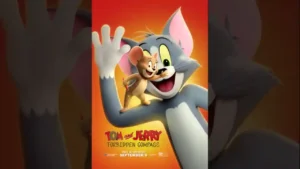
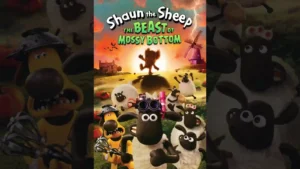
Tom and Jerry: Forbidden Compass
Where It Has the Edge
No clear scored advantage over the other product.

Scorata scores summarize analyzed review evidence on a 1–5 scale; they are not laboratory measurements or a simple average of customer star ratings. Feature scores summarize the reviews covering that feature. The overall score averages feature scores within each review, then combines review averages. When both expert and customer evidence are available, those two groups receive equal weight. Products can have different review coverage, so small score gaps do not establish a winner.
Recommendations prioritize important features for the category, with a score of at least 3.5, a gap of at least 0.25 points and at least two supporting reviews per product. Features with widely varying scores or broad connectivity contexts are excluded from recommendations. These safeguards do not establish statistical significance.
Quick verdict
The available evidence supports the recommendation below, but does not establish an overall winner. Check the remaining features against your priorities.
There is not enough comparable review evidence to recommend Tom and Jerry: Forbidden Compass over the other product.
Choose Shaun the Sheep: The Beast of Mossy Bottom for critic appeal and plot clarity.
No clear scored advantage over the other product.
Scores are out of 5. Missing scores mean missing review evidence, not a missing feature.
The large action scenes fail to build much tension. Even the biggest threats can feel stiff and emotionally weightless.
Monster pursuits and home-invasion-style sequences create real excitement and child-safe tension without turning harsh.
The story is repeatedly described as incoherent, convoluted, overloaded, or difficult to follow. Rapid introductions, shifting goals, and unclear rules around the compass make the confusion worse.
The simple chain of cause and effect is easy for young viewers to follow even without spoken explanation.
The Chinese setting and mythology are central to the movie, but some reactions find the cultural framing heavy-handed, stereotyped, or awkwardly grafted onto American IP. Those concerns make the localization feel less natural than intended.
Its casually inclusive portrait of modern British life is praised for feeling cheerful and natural rather than self-conscious.
Editing is frequently blamed for the movie’s breathless, disorienting flow. Cuts and structural trimming can make scenes feel rushed, butchered, or hard to process, though one mixed reaction mainly wanted the edit slowed down.
Crisp editing keeps complicated visual gags readable and builds infectious momentum without rushing past background jokes.
The movie’s tone is repeatedly called confused, overloaded, or inconsistent, with abrupt character shifts and clashing styles. Its constant energy rarely settles into a coherent rhythm.
Spooky lighting and suspense repeatedly pivot into slapstick, maintaining a controlled balance between Halloween atmosphere and lighthearted charm.
Some viewer accounts found the movie frightening for young children. In a film aimed at families, that darker edge is treated as a drawback rather than an enjoyable scare factor.
The scares are deliberately mild: shadows and transformations create brief tension, but silly reveals, cute creature design, and known identities keep young viewers comfortable.
Family appeal is highly uneven. Many reactions warn that children may be bored, confused, frightened, or overwhelmed, while one enthusiastic take considers the action-packed movie a very good choice for kids.
Reviewers repeatedly recommend it as family viewing: the scares stay gentle, children get the slapstick, and adults receive richer genre jokes.
The English-language dialogue suffers from weak translation and exposition that can sound mechanical or overly literal. The result adds to the feeling that the dub lacks natural comic rhythm.
The almost dialogue-free storytelling remains remarkably clear, using pantomime, expressions, sounds, and sequencing to communicate plot and emotion across languages.
Tom’s romantic subplot with Jade is barely developed, and Jade is criticized for existing mainly as a love interest. The romance adds little depth to either character.
The shy Farmer-Vet romance is consistently called sweet and endearing, adding gentle feeling behind the monster-movie plot.
As an animated franchise feature, the movie generally disappoints and is often described as a low point for Tom and Jerry. A couple of reactions land closer to average or mildly positive, but they are clear outliers.
Its loving monster-movie homages, cozy autumn mood, and spooky-not-scary approach make it a particularly satisfying Halloween gateway film.
The new mythology characters are repeatedly described as thin, flat, confusing, or underdeveloped, and Tom and Jerry often lose agency as the story shifts away from them. This makes emotional investment difficult.
Most reviewers admire how distinct personalities and relationships emerge without speech, though a few find Shaun's characterization or newer characters thinner than usual.
Direction is criticized for failing to organize the story, pace the spectacle, or frame the action clearly. Even visually promising material often feels weakened by a lack of control.
The feature direction is mostly praised for warmth and clarity, though one critic detects hesitation compared with earlier Aardman films.
The movie often feels much longer than it is because of relentless pacing and repeated climaxes. Several reactions call the runtime excessive for the target age group or simply exhausting.
At roughly 80 minutes, the film is usually considered breezy and well-sized, though one critic thinks the slight premise still feels stretched.
Animation is the clearest visual bright spot, but opinions vary sharply. Some praise vibrant colors, attractive environments, and solid CG craft, while others call the movement stiff, plasticky, dated, or poorly suited to Tom and Jerry’s physical comedy.
The handcrafted stop-motion is the clearest consensus strength: tactile, meticulously detailed, expressive, and technically ambitious, especially in its animated hair and elaborate sets.
The screenplay is mostly criticized as weak, badly structured, unclear, or lacking compelling story logic. One mixed reaction does find some clever writing in the slapstick and narrative callbacks.
The screenplay's escalation, visual construction, and generational jokes earn strong praise, though a few critics view the feature as padded or repetitive.
The opening and isolated Tom-and-Jerry gags can still be funny, especially when they resemble classic slapstick. Once the mythology plot takes over, the comedy is often described as poorly timed, repetitive, or dull.
Visual gags, slapstick, facial reactions, and horror riffs generate a very high laugh rate, although a few critics find some jokes stretched or less sharp than earlier outings.
Storytelling is the movie’s biggest weakness: the mythology-heavy plot is frequently called muddled, directionless, thin, or barely functional. A small minority sees a decent or clever framework, but most reactions find the narrative unable to support the spectacle.
The clear, warm story works well as a vehicle for gags, though its simplicity and familiar structure keep it below Aardman's most acclaimed features for some critics.
Themes of enlightenment, honesty, and authenticity are visible, but they do not develop enough emotional weight to resonate. The ideas are clearer than their dramatic impact.
The film lightly explores self-acceptance, appearances, impulsive choices, and fear of the misunderstood without weighing down the comedy.
The film has difficulty creating attachment to its new characters, leaving major events emotionally flat. The friendship material between Tom and Jerry offers a small exception, but it is not enough to carry the movie.
Tender affection for the Farmer and a few heartfelt moments add warmth, but some critics wish the familiar story had a stronger emotional hook.
Pacing is one of the most consistent problems: the movie races forward with little breathing room, yet can still feel long and tiring. One positive reaction loves the nonstop momentum, but most find it chaotic or exhausting.
Most find the 80-minute film brisk, but some notice a slow setup, repetitive stretches, or energy that occasionally becomes overwhelming.
Action is one of the most divided areas: some reactions enjoy the colorful scale and nonstop energy, while others find the set pieces stiff, overlong, or exhausting. The busiest climaxes often amplify the movie’s pacing problems.
Chases, escalating mishaps, and the giant-pumpkin climax provide energetic spectacle while preserving clear visual comedy.
The movie does contain ideas about friendship, honesty, authenticity, and enlightenment. The Tom-and-Jerry friendship theme earns some praise, but the broader messages are often judged too weakly dramatized to land.
The story's messages about self-acceptance, loyalty, accountability, and avoiding snap judgments are warmly received without becoming heavy-handed.
The ending is widely weakened by repeated false climaxes, an overextended final battle, and a finale that further sidelines Tom and Jerry. The spectacle grows while satisfaction drops.
The climax delivers scale and movement, though a few reviewers feel its extended chase loses steam or becomes briefly generic.
The plot is criticized as predictable and built from familiar clichés despite the unusual setting. The mythology backdrop adds novelty, but the underlying story beats feel conventional.
The main recurring criticism is that the creature-transformation plot closely echoes earlier Shaun and Wallace & Gromit stories.
The action photography gets more ambitious when characters start flying and the spectacle expands. The energized camerawork is one of the stronger parts of the larger set pieces.
Careful framing, lighting, shadow, and visual invention make the miniature environments feel cinematic and support both suspense and comedy.
The musical score receives some of the warmer audio feedback, especially when it echoes classic Tom and Jerry music or keeps an energetic rhythm. Those nostalgic touches help the movie feel closer to the franchise.
Natalie Holt's lively, expressive score does crucial emotional and comic work, with horror textures that reinforce the seasonal atmosphere.
Tom and Jerry’s familiar back-and-forth still has flashes of the old charm. Their best moments come when the film simply lets the duo bicker, chase, and play off each other.
Affection among Shaun, the flock, Bitzer, and the Farmer comes through clearly in their actions, giving the comic chaos a warm emotional center.
Critical reception is exceptionally poor, repeatedly characterized as scathing, nearly unanimous condemnation, and a franchise low. The 0% Rotten Tomatoes figure is a recurring sign of just how badly it landed with critics.
The film's near-perfect aggregate scores and glowing critical notices show unusually strong critic appeal.
Broader audience response is weak, with low audience scores and multiple reactions expecting both kids and adults to disengage. A minority view sees strong kid appeal in the fast action and colorful presentation.
The film reaches children through slapstick and simple plotting while giving adults horror references and background jokes, although one critic finds it too mild for broad crossover appeal.
Several reactions question the fit for young children because the movie can be bewildering, frightening, or overstimulating. One notably positive take strongly recommends it for kids and views the nonstop action as a feature.
Reviewers consistently see this as suitable for young children, though one family guide recommends parental guidance for the mild Halloween imagery.
Sound is often too busy, with music, effects, and constant vocal noise competing for attention and sometimes burying dialogue. Nostalgic Tom and Jerry sound effects provide a welcome counterpoint in the more faithful moments.
Inventive effects, vocal noises, and precisely timed cues strengthen both atmosphere and punchlines in a film that cannot lean on dialogue.
The visuals split opinion more than the story does. Bright colors, elaborate locations, and occasional striking sequences earn praise, but many find the art direction inconsistent, plasticky, dated, or excessively busy.
Rich autumn colors, neon laboratory light, expressive shadows, and lovingly built sets give this entry a vibrant Halloween identity.
The ancient-China-inspired world has appealing ideas and enough detail to feel promising. The problem is that the movie rarely slows down or structures the story well enough to let that setting become immersive.
Expanded locations beyond the farm make Mossingham feel larger, though one critic finds some of the world-building plodding and underdeveloped.
Gold City and several fantasy locations show real visual craft, with strong scale, detail, color, and occasionally convincing realism. The environments are among the movie’s most consistently appealing elements.
Pumpkin patches, windmill laboratories, autumn streets, forests, and docks are packed with tactile detail, strong color, and clever background business.
Rewatch interest is very low. Multiple reactions explicitly reject sitting through the movie again, while even a more positive viewer says a revisit is unlikely in the near future.
Several reviewers expect the film to become an annual Halloween watch that parents will not mind revisiting with children.
Most reactions find the movie exhausting, boring, irritating, or simply bad despite scattered fun. A small minority enjoys the relentless action and colorful chaos, but the overall experience trends strongly negative.
The overwhelming verdict is delightful, joyful entertainment, with even cooler reviews still finding it charming and enjoyable.
The English supporting voices are generally weak, with performances described as disconnected, overacted, and lacking charm. The dub rarely gives the new characters enough personality to overcome the writing.
Nina Sosanya's limited-vocabulary supporting performance stands out for bringing confidence and personality to the Vet.
The English dub is a recurring weak spot, with voices described as rough, overacted, forgettable, or noticeably off. One more positive reaction found the dubbing only mildly distracting rather than disastrous.
The nearly wordless vocal work gives the characters lively personalities through grunts, sighs, bleats, and perfectly timed reactions.
The central vocal work gets a mixed reaction: Tom’s voice is considered fine, while Jerry’s sound is distracting enough to invite comparison to Donald Duck.
The Farmer's nonverbal performance is singled out as brilliant, turning grunts and physical reactions into a comic lead turn.
The music can become overbearing, with the score described as relentless or constantly pounding. Rather than supporting the action, it sometimes intensifies the sensory overload.
Musical selections delight some reviewers, but others find the pop-song needledrops jarring or unnecessary beside the orchestral score.
Several reactions feel the presentation sells a more conventional Tom and Jerry movie than the one delivered. Complaints include the duo being sidelined, a darker-than-expected tone, and trailers or promotion that obscure how mythology-heavy the film becomes.
One review finds the trailer misleading because the horror emphasis largely fades after the opening act, even though parents may welcome the gentler result.
The fully CG presentation is usually criticized as plasticky, dated, or visually mismatched. Even when the craft is serviceable, the digital look rarely captures the weight and elasticity associated with classic Tom and Jerry.
The dramatic material struggles to create emotional engagement. Character stakes and relationships are present, but they rarely generate meaningful feeling.
The dominant complaint is that this barely feels like a Tom and Jerry movie once the opening ends. Classic slapstick and chemistry appear in bursts, but the mythology plot and new characters repeatedly push the title duo to the sidelines.
The only coarse language noted is assessed as very mild, supporting the film's broad family suitability.
Some locations achieve a surprisingly realistic look despite the stylized fantasy setting. That environmental detail stands out within an otherwise highly cartoony presentation.
The magical effects and deity powers are among the better-looking parts of the action. They add visual energy even when the surrounding story fails to make the spectacle matter.
The softened cartoon violence disappoints at least one longtime fan because it reduces the impact of the physical comedy. The safer approach makes the slapstick feel less like classic Tom and Jerry.
Theatrical value is poor for most reactions, with explicit complaints about wasted money and recommendations to wait for a cheap rental or skip it. The limited Tom-and-Jerry focus makes the ticket feel especially hard to justify.

A deeply human coming-of-age drama carried by remarkable performances and an honest portrayal of grief. Its gentle optimism moves most viewers, though some find the final stretch hurried or overly...
Pros: Grief portrayal, acting performance
Cons: pacing

Billie Jean King’s magnetic first-person storytelling makes this an exhilarating portrait of athletic courage and social change. The filmmaking follows a familiar documentary structure, and her full tennis résumé gets...
Pros: entertainment value, Biographical coverage
Cons: Narrative structure

Choose this inventive, unsettling documentary for fearless questioning, dark humor, and unpredictable storytelling. Skip it if you want a short, straightforward exposé with definitive answers.
Pros: originality, humor

A singular voice, powerful piano playing and intimate film photography make this concert absorbing for receptive listeners. Its uninterrupted, often similar-sounding songs and lack of background context are an acquired...
Pros: directing quality, cinematography
Cons: pacing, Song variety