

Chronovisor
Where It Has the Edge
No clear scored advantage over the other product.

Scorata scores summarize analyzed review evidence on a 1–5 scale; they are not laboratory measurements or a simple average of customer star ratings. Feature scores summarize the reviews covering that feature. The overall score averages feature scores within each review, then combines review averages. When both expert and customer evidence are available, those two groups receive equal weight. Products can have different review coverage, so small score gaps do not establish a winner.
Recommendations prioritize important features for the category, with a score of at least 3.5, a gap of at least 0.25 points and at least two supporting reviews per product. Features with widely varying scores or broad connectivity contexts are excluded from recommendations. These safeguards do not establish statistical significance.
Quick verdict
The available evidence supports the recommendation below, but does not establish an overall winner. Check the remaining features against your priorities.
There is not enough comparable review evidence to recommend Chronovisor over the other product.
Choose You Can See Everything for cast chemistry and audience appeal.
No clear scored advantage over the other product.
Scores are out of 5. Missing scores mean missing review evidence, not a missing feature.
Conversations with colleagues rarely develop personal chemistry. That emotional distance supports the protagonist’s isolation but can make those scenes feel inert.
The uneasy standoff between Fielder’s dry skepticism and Holmes’s composed, evasive answers makes their conversations mesmerizing to watch.
A sly sense of humor tempers the scholarly seriousness. The protagonist’s invented academic awards and the film’s tongue-in-cheek handling of its lore provide comic relief.
Fielder’s deadpan disbelief collides with baffling answers and surreal situations to generate frequent, uncomfortable laughter. The humor stays active even as the subject turns dark.
The orchestral music lends reading and thinking an unexpectedly dramatic weight. Swells and crescendos work closely with the reveals and the timing of text sequences.
Ari Balouzian’s music shifts between soothing, sly, and menacing moods, helping domestic scenes turn disquieting without losing their strange humor.
The blend of academic mystery, science fiction, and cerebral horror is generally considered compelling. Its austere techniques still require an appetite for unconventional genre storytelling.
Its blend of documentary, constructed scenes, comedy, and psychological drama is exhilarating for most; a dissenting critic finds it too self-conscious to comfortably count as nonfiction.
The investigation’s ideas can feel dizzying beyond the library walls. The lead’s emotional grounding also helps draw viewers into the protagonist’s obsession.
Disbelief, tension, cringing, unease, and astonished laughter often arrive close together. The film is repeatedly described as difficult to shake off afterward.
The obscure device and its conspiracy history form an absorbing investigative rabbit hole. Discovery is the main attraction, although one assessment finds some strands less compelling than others.
The real question becomes not just what Holmes did, but what anyone in the room understands and who is controlling the story. Major pivots keep the outcome hard to predict.
Warm reading lamps, dark libraries, analog media, and a ghostly nighttime city create a seductive atmosphere. Low-key dread persists even when the action is simply reading a page.
Claustrophobic close-ups and deliberate pacing produce an unnerving, watchful intimacy, balancing ominous tension with playful absurdity.
The directors’ trust in their cinematographer produced the atmospheric images they wanted. The collaboration is described with clear appreciation for his handling of exposure and lighting.
The directors’ different readings of everyday interactions became an engine for the film. Their partnership gives its increasingly wild structure a strong sense of purpose.
Successive documents and revelations generate remarkable tension from apparently mundane research. The sustained uncertainty and creeping dread make turning a page feel consequential.
Despite its nonfiction premise, the constant reversals and unsettling exchanges create genuine suspense.
Grainy 16mm photography gives paper, lamps, and shadowy academic rooms a striking tactile beauty. Economical camera movements make moments of thought feel like discoveries.
Intimate close-ups, watchful angles, and restrained lighting make tiny changes of expression compelling. The visual approach creates a powerful sense of being trapped inside the home.
Carefully timed text, images, and musical cues give the research sequences accumulating momentum. The editing controls each discovery without making static pages feel lifeless.
Sharp reaction shots and increasingly layered reconstructions turn a sprawling, confusing experience into an engaging narrative. The deliberate selectivity of editing also becomes part of the subject.
An improbable time-viewing device becomes the basis for a fascinating, book-driven conspiracy story. The journey is widely considered gripping, even when research occasionally feels exhausting.
What starts as a domestic portrait evolves into a much stranger inquiry, with unexpected shifts and reenactments that transform the meaning of earlier scenes.
The obscure story of a machine said to capture the past is celebrated as an extraordinary starting point. Its mystery offers a distinctive alternative to familiar thriller premises.
Reality-TV intimacy, staged recreations, and daring shifts of perspective turn a familiar scandal into something strikingly new. The film repeatedly changes what kind of story it is telling.
Many find the investigation lean, propulsive, and expertly paced despite its static images. Others note repetition, occasional exhaustion, or the patience needed to settle into its rhythms.
Most find the narrative absorbing, particularly once the second half changes direction. A dissenting critic finds stretches of the first half repetitive.
The directors turn libraries, documents, and a modest budget into an unusually gripping thriller. Their restraint and inventive handling of text draw repeated praise.
Fielder and Oppenheim make bold structural choices while maintaining attention on their subjects and the limits of documentary truth. Their unusual collaboration is widely celebrated as an ambitious leap for nonfiction.
Ideas about memory, obsession, historical truth, institutional power, and screen-mediated identity give the small-scale story expansive reach. The intellectual ambition is repeatedly praised for connecting the occult premise to contemporary life.
Beyond the Theranos scandal, the film wrestles with deception, performance, personal mythmaking, power, and the inability of any camera to record an entirely objective truth.
This is a rewarding but decidedly niche proposition. The very techniques that enthrall some viewers can feel repetitive, austere, or alienating to others.
Festival screenings produced excitement and intense reactions, but its discomforting, cerebral approach is not necessarily designed for mass-market tastes.
The lead is praised for restrained intelligence, believable academic speech, and convincing tenacity. Small changes in expression and demeanor carry much of the descent into obsession.
Fielder’s onscreen reactions and comic persona remain entertaining, although a critic questions how deeply his questions penetrate Holmes’s defenses.
The central performance makes dense terminology and multilingual exchanges feel credible. Subtle behavioral shifts convey obsession without relying on exaggerated reactions.
Amanda Seyfried’s self-aware participation and unnerving reenactments are particular highlights, bringing more psychological depth to a story about the limits of portrayal.
The unresolved questions leave a desire to revisit individual frames and search for hidden meaning. Its secrets can linger beyond a first viewing.
Its shifting meanings and ambiguous interactions leave questions that could reward a second viewing, especially after the big structural turns become familiar.
Reading, listening, and following clues prove unexpectedly addictive and spellbinding. The cerebral form delivers a rush of discovery and, for many, a gripping payoff.
A strangely absorbing mix of probing interviews, comic reactions, and major surprises makes the long film feel like an event. Even a skeptical critic finds it highly entertaining.
Translated passages glow directly over photographed pages, pulling viewers into the protagonist’s reading process. This inventive visual approach is widely admired, and the filmmakers report that its meaning survives additional subtitles.
An Academy-ratio image, oppressive facial close-ups, creeping zooms, and warm limited-light interiors give everyday interactions an unsettling cinematic intensity.
The integration of researched archival media is admired for making the conspiracy feel tangible and surprising. Documents and recordings become lively components of the mystery rather than inert background material.
Extensive access reveals Holmes’s home life and contradictions far beyond polished public appearances. Some still feel the film uncovers more about her partner than about her underlying motives.
The film can make Holmes seem vulnerable in her domestic life while remaining skeptical of her denial of wrongdoing. It also openly raises questions about the filmmakers’ own biases.
Casting an actual academic is repeatedly judged a smart choice. Her comfort with languages and specialized terminology gives the intellectual exchanges unusual credibility.
The protagonist’s obsession emerges through subtle changes, revealing habits, and increasing loss of identity. Her limited conventional backstory can preserve interpretive room rather than reduce her to a blank surrogate.
Its challenge to documentary conventions prompts predictions of a lasting influence on nonfiction filmmaking and conversations about how images establish credibility.
Lecture jargon and multilingual academic exchanges often sound convincing. The conversations outside the research can nevertheless feel deliberately deadening or dramatically empty.
The few scenes outside the central investigation can feel deadening and dramatically unmotivated. Their deliberate emptiness underscores the protagonist’s urge to return to research.
Most praise an eerie, revealing, or boldly unsettling conclusion that pushes beyond the libraries. One dissent finds the ending too literal and expected, while another notes a somewhat conventional final act.
The filmmakers catch interruptions, arguments, and disturbing controlling behavior within the household. Those moments deepen the personal portrait without excusing Holmes’s past misconduct.
Rather than claiming neutrality, the documentary exposes how access, camera placement, reenactments, and editing shape perceptions of its subject. The self-scrutiny is one of its major strengths.
The commitment to physical historical materials is praised as a principled response to their disappearance into digital systems. Books and archives carry meaning beyond their nostalgic appearance.
Fielder asks blunt, persistent questions that more traditional interviews might avoid. The evasive replies are often revealing even when they fail to deliver factual closure.
The celebration of books and physical knowledge is a major strength. Its reflections on historical control and cinema’s power to deceive add substance to the mystery.
The plotting is considered solid beneath the unusual technique. Repeated clues connect into a structured investigation rather than a loose collection of research fragments.
The archival foundation and academic lead lend an improbable premise surprising credibility. The filmmakers also acknowledge deliberately unrealistic details of library life and research.
Most find the nearly three-hour running time surprisingly easy to sit through, crediting the suspense and constant reinvention. One dissenting view argues it needed substantial tightening.
The chills arise from uncanny suggestion and an unsettling climax rather than spectacle. Several assessments single out the finale as particularly frightening or spine-tingling.
An explicit shower shot is described as gratuitous, making its nudity feel needlessly intrusive to at least one critic.
Superimposed text is praised for fitting elegantly into the photographed pages. Editing tricks help the overlays share the texture of the 16mm footage.
Silliness, menace, nostalgia, and speculative mystery are woven together with a playful touch. The many influences are judged to complement rather than overwhelm the whole.
Interconnected setups and payoffs provide a sturdy foundation for the experimental presentation. The unfolding clues are praised for keeping the investigation moving.
Early critic reception is reported as exceptionally enthusiastic, echoing widespread praise for the film’s bold form and originality.
Dark wood, green reading lamps, and secluded academic interiors make scholarship look seductive. The carefully presented library spaces contribute strongly to the analog atmosphere.
The opening restaurant mix can make dialogue difficult to hear. The filmmakers explain that the obscured words were intentional, reflecting the sound of a busy restaurant.
The film builds a convincing world suspended between everyday scholarship and supernatural possibility. Its analog spaces make uncertainty about the invention feel unusually tangible.
Holst’s music and Gregorian chants enrich the academic world with grandeur, foreboding, and Gothic color. The selections help bind the film’s varied forms and genres together.
Seyfried’s appearance gives the later sections a compelling new perspective, combining an eerie portrayal of Holmes with candid inquiry into the material.

Best for an intimate, searching documentary that rewards focused attention and invites discussion. Skip it when devastating grief, addiction footage, and unresolved family tensions would be too much.
Pros: emotional impact, theme depth

Best for patient suspense, an unforgettable score, and an unsettling masked killer. Skip it for very young children or if you want to avoid intense scares; its restrained kills also...
Pros: directing quality, score quality
Cons: message quality

Best for vivid Disneyland history, hands-on craftsmanship, and immersive archival filmmaking. Skip it if you want an exhaustive timeline, a Walt-centered biography, or a conventional documentary with modern interviews.
Pros: entertainment value, archival footage quality
Cons: theme depth, runtime
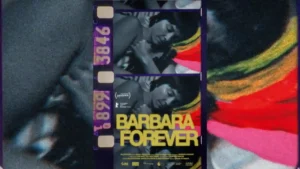
Best for an intimate, visually rich introduction to Barbara Hammer or a fresh look at an artist you already admire. Skip it if you need a consistently focused biography or...
Pros: directing quality, archival footage quality
Cons: Biographical coverage