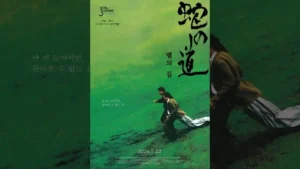
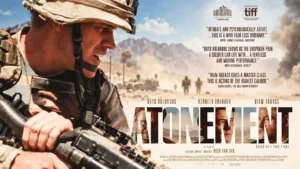
Serpent’s Path
Where It Has the Edge
- supporting cast performance is 5.0 vs 4.5. Mathieu Amalric brings a sharp, weaselly comic edge, while Hidetoshi Nishijima is singled out as especially compelling in...

Scorata scores summarize analyzed review evidence on a 1–5 scale; they are not laboratory measurements or a simple average of customer star ratings. Feature scores summarize the reviews covering that feature. The overall score averages feature scores within each review, then combines review averages. When both expert and customer evidence are available, those two groups receive equal weight. Products can have different review coverage, so small score gaps do not establish a winner.
Recommendations prioritize important features for the category, with a score of at least 3.5, a gap of at least 0.25 points and at least two supporting reviews per product. Features with widely varying scores or broad connectivity contexts are excluded from recommendations. These safeguards do not establish statistical significance.
Quick verdict
The review evidence points to a tradeoff: supporting cast performance versus action sequence quality and realism. Choose according to which strengths matter more to you; the overall score alone does not settle that choice.
Choose Serpent’s Path for supporting cast performance.
Choose Atonement for action sequence quality and realism.
Scores are out of 5. Missing scores mean missing review evidence, not a missing feature.
The Circle’s conspiracy is a weak point: its organ-harvesting scheme is described as barely coherent and prone to changing details.
Baghdad and the later California homes feel inhabited and specific, with street textures and domestic details grounding the story in recognizable lived environments.
Bare factories, toxic warehouses, and utilitarian Parisian spaces give the film a stark post-industrial identity. Their uncanny geometry becomes a major source of atmosphere.
Baghdad’s streets and later domestic spaces feel textured and specific, with environmental detail grounding both the combat and the quieter character work.
Deep shadows, alienating wides, stark industrial interiors, and precise lighting give the remake a strong visual identity. Even skeptical takes praise the handling of space.
The film moves from chaotic, immersive war staging to spare domestic compositions, using faces, rooms, and environmental detail to carry emotion.
The climactic gunplay is a weak point: the factory shootout is described as anticlimactic and less intricately choreographed than Cloud.
The Baghdad firefight is tense, spatially clear, immersive, and emotionally brutal. A few reactions find the setup familiar, but the staging and immediacy remain major strengths.
The dialogue is intentionally stripped down, but that detachment can feel perfunctory rather than chilling.
The quiet, restrained exchanges avoid tidy speeches and let silence carry meaning, though some conversations feel overly deliberate about the themes.
The conspiracy remains deliberately slippery, but its shifting details can cross from intriguing ambiguity into confusion. One subplot also creates more questions than clarity.
Even during the chaotic firefight, the geography and converging characters remain easy to follow.
Some plot mechanics strain plausibility, particularly the improbably easy kidnapping and the conspiracy’s shifting explanation.
The film favors naturalistic performance, grounded environments, and unsensationalized violence. Its strongest scenes feel lived-in rather than theatrically engineered.
The film largely avoids graphic visual depiction of its ugliest violence. That restraint keeps it cerebral, but one critic felt the lack of explicitness contributed to a sedate effect.
The war violence is intense but deliberately unsensationalized, keeping attention on victims and consequences rather than spectacle.
The Paris/Japan cultural-dislocation thread feels underdeveloped, with Sayoko’s alienation introduced more explicitly than it is meaningfully explored.
The Iraqi-Armenian perspective is unusually central for an American Iraq War drama, especially in the opening. The main fault line is whether the later focus on Lou still sidelines the family too much.
It preserves many of the 1998 film’s story beats while changing setting, gender, and psychology. Those changes feel invigorating to some and awkwardly caught between too faithful and too different to others.
The adaptation drops some of the source article’s more probing material about the Iraqi women’s post-attack experience and broader institutional failures, narrowing part of its moral inquiry.
The revenge drama carries pathos, but its emotional and ethical turns can stumble rather than fully land.
The film is a sensitive, moving character drama whose strongest material comes from the difficult reunion rather than battlefield spectacle.
At its best, the grim psychology leaves a lingering, almost contaminating effect. At its weakest, the deliberate emotional detachment turns chilly rather than moving.
The film lands hard through the opening tragedy, accumulated grief, and quiet reunion. Its most powerful moments are wrenching, devastating, and difficult to shake.
Its length feels brisk to one critic, but another finds the repeated interrogation pattern stretched at a leisurely pace.
The length is felt most in the middle, where detours around Lou and Michael slow momentum before the final reunion.
The finale is sharply divisive: one take calls it a stunning payoff to mounting dread, while others find the shootout anticlimactic, predictable, or unsatisfying.
The restrained closing image often works because it avoids easy catharsis and lingers afterward. The main reservation is that it can feel too resolved for the pain that precedes it.
The film is often brisk and controlled, with strong momentum early on, but the repeated interrogation structure can feel leisurely and repetitive.
The deliberate rhythm suits the quiet moral drama for some viewers, but the middle can drag, especially around Michael’s subplot and Lou’s extended postwar spiral.
The movie can build sustained psychological tension through ambiguity, menace, and an urgent score. Still, some feel the remake loses part of the original’s austere threat.
The combat opening builds clear, escalating tension, while the later reunion creates a quieter kind of suspense through anticipation and silence.
As a cerebral revenge thriller it works better than as a hard-hitting horror showcase. The dread and menace satisfy some, while horror-focused viewers may find it too muted.
As an Iraq War drama, it stands out by focusing on aftermath, guilt, and moral injury instead of sustained combat. Its restraint and performances give familiar genre material unusual weight.
Its chilly, dispassionate tone is often controlled and effective, but that same detachment can tip into tedium rather than menace.
The restrained, unassuming tone generally keeps melodrama in check and treats violence seriously. The pivot from familiar combat to quieter drama can feel slightly too deliberate.
Revenge, manipulation, moral compromise, and modern brutality give the film plenty to chew on. The ethical dimension is potent for some, though one critic thinks it remains too far at the margins.
Guilt, grief, responsibility, moral injury, forgiveness, and the unequal costs of war are explored with substantial nuance. The strongest material refuses to turn reconciliation into a simple cure.
Sayoko’s cool efficiency plays sharply against Albert’s escalating mania, giving their partnership a tense, complementary dynamic.
The restrained face-to-face tension between Lou and Mariam makes silences and small gestures feel charged. Their quiet sparring is one of the film’s strongest dramatic elements.
Gender changes and added psychology freshen familiar beats for some viewers, yet several critics feel the core plot remains too close to the predecessor and its changes lack consequence.
The shift from battlefield action to long-tail guilt and reconciliation feels fresher than standard Iraq War formulas, although the soldier-PTSD storyline can fall back on familiar beats.
The revenge story remains potent for admirers of its ambiguity and grim psychology, but critics of the remake find it overextended, less mysterious, or insufficiently imaginative.
The core true-story drama is humane, morally difficult, and emotionally compelling. Its biggest fault line is whose perspective gets priority after the opening.
The remake gives its characters more room, and Albert’s unraveling works well. Sayoko’s opacity is more divisive, with some finding her intriguing and others wanting greater psychological depth.
Lou, Mariam, and Michael gain layered guilt, grief, and moral ambiguity, though the Iraqi family gets less interior space than some of the material seems to promise.
Deep shadows, wide framing, and careful lighting make the stripped-down spaces feel ominous rather than flat. The visual control is one of the film’s clearest strengths.
Face-focused framing and progressively stripped-back compositions keep attention on expression and silence, giving both combat and domestic rooms strong emotional presence.
Kurosawa’s control of dread, space, and restraint earns strong praise, though the remake choices divide opinion. The craft stays assured even when the new material feels unnecessary.
Reed Van Dyk’s debut earns broad praise for controlled staging, sensitivity, and performance direction. The main criticism is structural, with the middle and expanded journalist material feeling less focused.
The writing is divisive: its ambiguity and unpredictable turns can be compelling, but shifting conspiracy logic, thin psychology, and perfunctory dialogue frustrate others.
The script is strongest when it trusts silence, parallel perspectives, and moral ambiguity. Its main weakness is an overextended journalist strand and occasional tendency to underline themes.
The film’s sharpest idea is that revenge is not an archaic impulse but something fully compatible with modern life, while also implicating audiences in the pleasure of watching it.
The film asks who bears the cost of war, what forgiveness can mean, and whether absolution can repair irreversible loss. Its refusal of easy answers is a strength, even when the perspective feels too narrow.
Its muted, cerebral approach is more likely to reward Kurosawa devotees than hard-core horror fans looking for aggressive shocks.
The film prompted unusually attentive festival reactions and looks especially suited to viewers seeking serious war-aftermath drama rather than battlefield spectacle.
Mathieu Amalric brings a sharp, weaselly comic edge, while Hidetoshi Nishijima is singled out as especially compelling in a smaller role.
Hiam Abbass and Kenneth Branagh provide strong support around Holbrook, while Gheed makes a vivid impression despite limited screen time.
Performances are a consistent strength, especially Ko Shibasaki’s controlled menace, with Mathieu Amalric and Hidetoshi Nishijima adding memorable supporting work.
The ensemble is a major strength, with Boyd Holbrook and Hiam Abbass drawing the heaviest praise and Kenneth Branagh generally valued for restraint. Even harsher takes on the story still find the performances compelling.
Ko Shibasaki is the clear standout, with a poker-faced, tightly controlled performance that blends menace, mystery, and simmering rage.
The central acting is a standout, with Holbrook’s shattered veteran and Abbass’s controlled grief carrying much of the film’s power.
Early critical and festival attention has been positive around the writing and performances, with Boyd Holbrook in particular drawing notice.
The chaptered middle can feel overextended and less propulsive. A tighter structure and less time on the journalist subplot would sharpen the film.
Dry, eccentric humor surfaces in small details and in Amalric’s gently comic performance, giving the bleak material a sly edge.
Lou’s trauma feels physically and emotionally credible at its best, especially through Holbrook’s jittery, exhausted performance. The arc is effective but not always seen as groundbreaking.
Fear comes from dread, menace, and oppressive spaces rather than explicit horror imagery. That restraint is effective for some and too muted for hard-core horror tastes.
Nicolas Errèra’s urgent music effectively raises the pressure during the captivity scenes and sharpens the sense of survival.
The film can be an absorbing, stylish psychological exercise, but its sedate stretches and chilly detachment reduce the fun for viewers seeking more visceral momentum.
The real-world material is recreated with close attention to participants’ subjective experiences and a grounded, lived-in sense of place.
The opening firefight uses deafening gunfire to heighten confusion and danger, making sound one of the sequence’s standout craft elements.

Choose this inventive, unsettling documentary for fearless questioning, dark humor, and unpredictable storytelling. Skip it if you want a short, straightforward exposé with definitive answers.
Pros: originality, humor

Extraordinary performances and richly observed relationships make this a rewarding, emotionally forceful drama. Its nearly three-hour length and slow opening demand patience and undivided attention.
Pros: class commentary, character development

Best for a hypnotic, bookish mystery with tactile visuals and cerebral chills. Skip it if reading-heavy, attention-demanding storytelling sounds more exhausting than exciting.
Pros: Atmosphere, cinematography
Cons: audience appeal

Best for an intimate, searching documentary that rewards focused attention and invites discussion. Skip it when devastating grief, addiction footage, and unresolved family tensions would be too much.
Pros: emotional impact, theme depth