Scorata scores summarize analyzed review evidence on a 1–5 scale; they are not laboratory measurements or a simple average of customer star ratings. Feature scores summarize the reviews covering that feature. The overall score averages feature scores within each review, then combines review averages. When both expert and customer evidence are available, those two groups receive equal weight. Products can have different review coverage, so small score gaps do not establish a winner.
Recommendations prioritize important features for the category, with a score of at least 3.5, a gap of at least 0.25 points and at least two supporting reviews per product. Features with widely varying scores or broad connectivity contexts are excluded from recommendations. These safeguards do not establish statistical significance.
Quick verdict
What each product is best for
The available evidence supports the recommendation below, but does not establish an overall winner. Check the remaining features against your priorities.
Choose Runner for plot clarity and critic appeal.
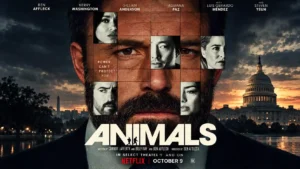
There is not enough comparable review evidence to recommend Animals over the other product.
Why these recommendations?
Runner
Where It Has the Edge
plot clarity is 4.8 vs 1.6. The central mission is simple and easy to follow, which several critics see as a strength. It gives...
critic appeal is 4.0 vs 1.8. Critical reception lands on the positive side overall, with reported Rotten Tomatoes scores in the upper-60s to 70%...
Animals
Where It Has the Edge
No clear scored advantage over the other product.
Runner3.6 overall score
Animals2.5 overall score
Compare features
Scores are out of 5. Missing scores mean missing review evidence, not a missing feature.
Scored on both products
Other features
Ending satisfaction
Runner
5.0
The conclusion earns a strong positive note for tying Hank’s personal grief into the mission and landing an emotional payoff.
Animals
1.7
The finale is a frequent sticking point, with confused choreography, unanswered motives, and an unconvincing cleanup. Its cynical coda delights some viewers but leaves others irritated or unmoved.
Plot clarity
Runner
4.8
The central mission is simple and easy to follow, which several critics see as a strength. It gives the action a clear engine without requiring a complicated setup.
Animals
1.6
Murky motives, improbable decisions, and unresolved connections repeatedly make the plot hard to accept or understand. Even a strongly positive assessment wants more explanation of the kidnapping scheme.
Action sequence quality
Runner
4.4
The fights, chases, crashes, and stunt-heavy mayhem are the movie’s clearest strength for most critics. A minority dislike the shaky presentation or feel the PG-13 staging pulls its punches.
Animals
1.8
The ransom handoff and final shootout draw repeated complaints about muddled staging, implausible turns, and awkward slow motion. A few find the action exciting enough to sustain the ride.
Message quality
Runner
4.1
Themes of kindness, sacrifice, redemption, family, and doing the right thing are usually seen as sincere without becoming overly preachy. One take finds some hospital material sanctimonious.
Animals
1.9
The political and moral message often feels blunt, evasive, or clumsily delivered. Its apparent reward for dishonesty particularly alienates the faith-based assessment.
Language level
Runner
3.0
Assessments of the language differ: one calls the film mostly free of foul language, while another warns that foul language runs throughout. Family suitability is therefore treated cautiously.
Animals
1.0
The profanity is criticized as so excessive that it makes an otherwise well-crafted thriller unwatchable.
Special effects quality
Runner
3.0
Visual-effects quality is mixed. Some effects are considered good overall, but moving vehicle backgrounds are singled out as needing another pass.
Animals
1.0
The rescue effect and other VFX draw unusually blunt criticism for looking embarrassing or laughably poor.
Emotional impact
Runner
4.3
For a straightforward action movie, the story lands more heart than many expected, especially around grief, sacrifice, and the child awaiting the organ. A few emotional beats are judged forced or unearned.
Animals
2.3
Many find too little reason to care about the couple or the endangered child. Admirers instead see the marriage as an effective emotional center.
Directing quality
Runner
4.1
Scott Waugh earns strong marks for physical action staging and keeping a modest thriller lively. The main criticism is that some sequences become choppy or the broader structure loses momentum.
Animals
2.5
Affleck’s direction divides sharply between confident, propulsive handling of pressure and a confused, lifeless treatment of promising material. Camera motion often draws criticism for replacing tension rather than building it.
Character development
Runner
3.8
Character work is better than the simple premise suggests in several takes, especially Hank’s grief, Ben’s growth, and the villain’s motivation. Others find key subplots thin, undercooked, or too familiar.
Animals
2.3
Thin supporting roles and poorly explained kidnappers frustrate many viewers. More enthusiastic reactions find credible flaws and moral ambiguity in the central couple.
Theme depth
Runner
4.0
Redemption, selflessness, courage, sacrifice, and family give the film more thematic weight than its action setup suggests. One critic finds the redemption arc too bluntly inserted.
Animals
2.6
Questions of privilege, political ambition, and compromised morality intrigue many viewers. Repeated complaints say those ideas remain half-formed or are reduced to a blunt closing statement.
Pacing
Runner
3.9
The brisk chase structure and ticking clock keep the movie moving for most viewers, and the roughly 90–100 minute length often helps. Hospital cutaways and extended chatter are the main momentum killers.
Animals
2.7
Fast momentum works for viewers who enjoy relentless complications, but others find it frantic enough to prevent character investment. The middle stretch also attracts complaints about sagging urgency.
Writing quality
Runner
3.2
The script is one of the most divisive areas: some praise smart twists, emotional depth, and surprise, while others call it thin, generic, undercooked, or poorly written.
Animals
2.2
Overloaded subplots, contrivances, and weak exposition dominate the complaints. Supporters praise a tight succession of dilemmas and twists that keep the story moving.
Editing quality
Runner
3.0
Editing quality is uneven. Precise, readable action earns praise in some places, but choppy cutting and shaky presentation are recurring complaints elsewhere.
Animals
4.0
The brisk cutting and campaign montages receive specific praise. The opening and closing montages can be more effective than the dramatic scenes between them.
Score quality
Runner
1.0
The musical score draws a severe complaint for sounding generic and cheaply assembled rather than distinctive or cinematic.
Animals
2.0
The grandiose campaign music is treated as a heavy-handed attempt to establish the protagonist’s decency.
Drama quality
Runner
2.5
The dramatic material divides sharply. Some find genuine sadness and emotional weight, while others see the hospital drama as manufactured and unbelievable.
Animals
1.6
The marital confrontations are frequently dismissed as forced melodrama, with supposed emotional peaks provoking laughter. The domestic material struggles to complement the kidnapping story.
Cinematography
Runner
3.3
The action photography can be immersive and stylish, especially when wide lenses and mobile cameras keep viewers close to the stunts. Shaky camera work also draws complaints when it obscures the choreography.
Animals
2.3
Restless revolving shots and bland imagery are common complaints. A smaller group finds the same movement immersive and the overall finish expensive-looking.
Cast chemistry
Runner
4.1
Ritchson and Wilson’s odd-couple pairing is one of the most praised elements, with many finding their contrasting styles charming and fun. A few critics see only serviceable chemistry or no spark at all.
Animals
3.2
Affleck and Washington convince some viewers as a strained married couple and give the story emotional weight. Others find little heat between them or sharply mismatched acting styles.
Story quality
Runner
3.1
The simple organ-delivery premise works as a clear action engine, but opinions split on how well the story supports it. Stronger takes enjoy the heart and twists; weaker ones see thin logic and generic construction.
Animals
2.2
The moral kidnapping setup has clear appeal, but many find the finished story cluttered, thin, or carelessly resolved. A positive minority enjoys its shift into a layered study of compromised principles.
Genre satisfaction
Runner
3.9
As a throwback buddy-action thriller, it generally delivers the chases, fights, banter, and pace fans expect. Its formulaic writing and uneven presentation keep it from winning over everyone.
Animals
3.1
Admirers find a polished, gripping thriller that complicates its kidnapping premise. Detractors find little of the suspense or depth the setup promises.
Humor
Runner
3.5
The comedy works best when Wilson’s lighter persona bounces off Ritchson’s seriousness. Reactions range from genuinely funny to forced or underpowered, so the laughs are not equally reliable throughout.
Animals
2.8
The satirical coda earns praise for its political bite in one assessment. Another finds the film lacks the wit needed to make its extremes work.
Suspense
Runner
3.4
The ticking clock and pursuit create strong tension for some viewers, especially once the stakes are established. Others feel the stop-start structure and toothless villains drain urgency.
Animals
2.7
The tension is intensely divisive: admirers describe mounting pressure and a pulse-pounding ride, while critics find little genuine danger. The handoff is exciting for some and inert for others.
Family friendliness
Runner
1.5
Despite the distributor’s family-friendly reputation, this is not treated as a strong kids’ pick. The violence, deaths, child peril, and language push it toward older teens and adults.
Animals
1.0
Strong language, disturbing violence, and rewarded dishonesty lead to an explicit recommendation against family viewing.
Violence level
Runner
2.5
The brutality is highly divisive. Some action fans enjoy the crunchy, surprisingly hard PG-13 mayhem, while others find it excessive, off-putting, or too intense for younger viewers.
Animals
2.0
The shootings are concerning for their disturbing impact even with limited gore. The violence warrants caution rather than praise for intensity.
Realism
Runner
2.2
Realism is a weak point overall. Grounded character moments and some convincing action help, but implausible collisions, geography, injuries, and plot logic repeatedly break believability.
Animals
1.8
The film’s contrivances, unlikely actions, and final cleanup strain credibility for many. A more forgiving response accepts some heightened styling as part of the fun.
Tonal consistency
Runner
2.3
Tone is one of the movie’s biggest weaknesses. The mix of brutal action, goofy comedy, melodrama, and sincerity works for some as camp, but often feels uneven or poorly blended.
Animals
1.9
The marital drama, political commentary, and pulpy kidnapping plot often pull in different directions. Some enjoy the resulting extremes, but others find the mismatches undermine credibility.
Runtime
Runner
4.0
The roughly 90–98 minute runtime is usually considered efficient, brisk, and well judged. One negative take says it feels noticeably longer than its actual length.
Animals
4.3
Positive reactions find the roughly feature-length commitment brisk and worthwhile. The time passes quickly when the tension and acting connect.
Originality
Runner
2.5
The plot is widely considered formulaic, predictable, and built from familiar buddy-action tropes. Better notices still credit a few twists and surprising character choices with keeping it from feeling completely stale.
Animals
2.3
The major turn is compelling and surprising for some viewers, but conspicuously telegraphed for others. Repeated comparisons with earlier kidnapping films amplify concerns about familiar plotting.
Dialogue quality
Runner
2.0
Dialogue is a recurring weak spot. It is variously called merely fine, exposition-heavy, not great, or cringey, with banter sometimes becoming too chatty.
Animals
1.9
Clichéd speeches, repetitive arguments, and pretentious exposition are recurring irritants. A positive minority finds the dialogue fast, intelligent, and emotionally charged.
Controls and connectivity
Critic appeal
Runner
4.0
Critical reception lands on the positive side overall, with reported Rotten Tomatoes scores in the upper-60s to 70% range. The enthusiasm is real but not unanimous.
Animals
1.8
The supplied reception reports describe predominantly negative critical reactions, with accusations of shallow direction and disappointing execution.
Audience appeal
Runner
4.0
The film is framed as a crowd-pleasing action vehicle, with its brisk runtime, familiar star personas, and absurd mayhem seen as accessible strengths.
Animals
2.0
The reported audience response is weak overall, with a notably poor approval score accompanying divided reactions to the moral story.
Age appropriateness
Runner
1.5
This skews older than a typical family action movie. Violence, deaths, child peril, and some language led family-focused assessments to steer younger kids away.
Animals
1.5
The explicit adults-only assessment reflects frequent strong profanity, shootings, and morally troubling behavior. This is a poor choice for younger viewers.
Comfort and build
Visual style
Runner
4.0
Australia’s sunny coastal locations and action environments are often attractive, with some praise for how the camera uses them. One critic feels the locations could have been showcased far more effectively.
Animals
2.6
Polished imagery and heightened styling appeal to a minority. More frequent complaints describe anonymous visuals, soulless drone shots, and restless movement that drains intensity.
Ownership and support
Entertainment value
Runner
3.8
Most reactions find it fun, watchable, or easy to enjoy despite obvious flaws. The harshest takes call it generic, mildly entertaining, or simply a miss.
Animals
2.5
Animals ranges from a gripping, morally complicated diversion to an experience viewers would gladly abandon. Several middle-ground reactions call it watchable for one evening but quickly forgettable.
Rewatch value
Runner
2.0
Rewatch interest is limited. Several takes describe it as forgettable, a one-time watch, or something worth revisiting only casually with someone who has not seen it.
Animals
2.0
Even moderately positive reactions tend to see this as a single-watch film. Its characters and revelations often leave little lasting pull.
Performance
Lead performance
Runner
4.4
Alan Ritchson is widely seen as the movie’s anchor, bringing physical credibility, likability, and dry humor to a familiar action-hero role. Even several mixed reviews say he carries weak material.
Animals
3.3
Affleck’s distressed politician and Washington’s troubled wife draw both strong praise and sharp criticism. Convincing emotional layers compete with complaints about false tears and exaggerated outbursts.
Acting performance
Runner
4.3
The cast is usually a strength, with the leads often praised for carrying familiar material through charisma, physicality, and comic timing. Even some negative takes credit the performers more than the script.
Animals
3.3
The ensemble is a major draw, with some finding the performances skilled and emotionally convincing. Others hear too much shouting and see talented actors trapped in thin roles.
Supporting cast performance
Runner
4.2
The supporting players generally help the movie, with Leila George and Owen Wilson receiving particular praise in different takes. A few critics argue Wilson is underused despite his charm.
Animals
3.5
Anderson is the most frequent highlight, although some find her out of step with the film. Yeun, Paz, and Méndez receive praise from some viewers and complaints about wasted talent from others.
Evidence available for one product
Other features
AI-assisted production
RunnerNo score yet
Animals
1.8
Known AI use draws objections because it casts doubt on the images and reinforces perceptions of artificiality and insufficient care.
Atmosphere
RunnerNo score yet
Animals
4.5
The anxious, confined atmosphere earns praise for making the characters’ confusion feel immediate and immersive.
Casting quality
RunnerNo score yet
Animals
4.1
Recognizable, accomplished actors make the cast an immediate selling point. Even disappointed viewers often approve of the talent assembled.
CGI quality
Runner
3.0
CGI impressions are split. One take found no obvious cheap CGI or blue-screen work, while another singled out a car-chase moment as distractingly game-like.
AnimalsNo score yet
Creative collaboration
RunnerNo score yet
Animals
1.3
The collaborative screenplay is criticized for feeling disjointed, as though its contributors never unified the story’s competing priorities.
Cultural representation
RunnerNo score yet
Animals
2.0
Several assessments find the Mexican characters stereotyped or shortchanged and the racial questions poorly developed. The Spanish-language element earns a separate positive response for fitting the setting.
Ethical handling of deaths
RunnerNo score yet
Animals
1.5
The lack of remorse for murder raises a strong objection to how the story treats lethal actions and their consequences.
Family dynamics
RunnerNo score yet
Animals
2.6
The marriage can expose useful tensions between public unity and private mistrust. Many find its arguments repetitive or distracting, while a few value the emotional stakes and pro-marriage thread.
Makeup quality
RunnerNo score yet
Animals
3.0
The fixer’s hair styling is divisive: one appraisal calls it fabulous, while another finds it the only unwelcome part of her formidable appearance.
Mystery quality
RunnerNo score yet
Animals
2.4
The identity questions keep some viewers guessing. Others are frustrated that the kidnappers remain anonymous and their motives are never adequately explained.
Portrayal of women
RunnerNo score yet
Animals
1.5
Abigail is repeatedly criticized as a shallow, unsympathetic wife whose affair dominates her characterization. One assessment objects that the subplot flatters her husband while making her look terrible.
Practical effects quality
Runner
5.0
The physical stunt work stands out as a major production strength, with one assessment calling it a cut above.
AnimalsNo score yet
Production labor practices
RunnerNo score yet
Animals
4.0
The effort to improve streaming compensation for the film’s workers earns qualified approval, despite the account’s acknowledged uncertainty about the exact deal.
Romance quality
RunnerNo score yet
Animals
2.0
The affair subplot is judged tepid and insufficiently developed, with little payoff to justify its place in the thriller.
Comfort and build
Costume design
RunnerNo score yet
Animals
4.0
The fixer’s white suit and Affleck’s tailored clothes are appealing visual touches. The heightened styling is often enjoyed even when its practicality is doubtful.
Production design
RunnerNo score yet
Animals
2.7
The expensive home can effectively express the couple’s uneasy relationship with status. Other reactions find its rooms dull and the production overly confined.
Performance
Soundtrack quality
Runner
2.0
Music choices are more often criticized than praised. Covers, soundalikes, out-of-place needle drops, and a Christian-rock closing song all attract complaints of varying severity.
AnimalsNo score yet
Controls and connectivity
Title appeal
RunnerNo score yet
Animals
4.0
The title earns praise for connecting the characters’ instincts and moral choices to its view of human nature.
Voiceover effectiveness
RunnerNo score yet
Animals
2.0
The closing narration is criticized for relegating the social argument to a ham-fisted epilogue rather than integrating it into the drama.
Ownership and support
Value for money
Runner
2.0
Several critics say the movie is more comfortable as a home or streaming watch than a must-see theatrical event. Its entertainment is solid, but the premium big-screen value is questioned.
Choose this inventive, unsettling documentary for fearless questioning, dark humor, and unpredictable storytelling. Skip it if you want a short, straightforward exposé with definitive answers.
Best for a hypnotic, bookish mystery with tactile visuals and cerebral chills. Skip it if reading-heavy, attention-demanding storytelling sounds more exhausting than exciting.
Best for an intimate, searching documentary that rewards focused attention and invites discussion. Skip it when devastating grief, addiction footage, and unresolved family tensions would be too much.
Best for patient suspense, an unforgettable score, and an unsettling masked killer. Skip it for very young children or if you want to avoid intense scares; its restrained kills also...