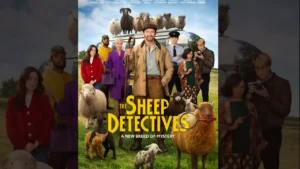
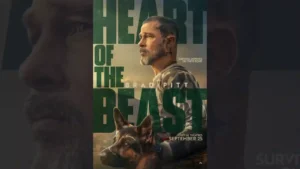
The Sheep Detectives
Where It Has the Edge
- originality is 4.5 vs 2.0. The sheep-detective conceit and willingness to combine a cozy mystery with grief and existential ideas make the film...

Scorata scores summarize analyzed review evidence on a 1–5 scale; they are not laboratory measurements or a simple average of customer star ratings. Feature scores summarize the reviews covering that feature. The overall score averages feature scores within each review, then combines review averages. When both expert and customer evidence are available, those two groups receive equal weight. Products can have different review coverage, so small score gaps do not establish a winner.
Recommendations prioritize important features for the category, with a score of at least 3.5, a gap of at least 0.25 points and at least two supporting reviews per product. Features with widely varying scores or broad connectivity contexts are excluded from recommendations. These safeguards do not establish statistical significance.
Quick verdict
The review evidence points to a tradeoff: originality versus acting performance and theme depth. Choose according to which strengths matter more to you; the overall score alone does not settle that choice.
Choose The Sheep Detectives for originality.
Choose Heart of the Beast for acting performance and theme depth.
Scores are out of 5. Missing scores mean missing review evidence, not a missing feature.
The film is repeatedly praised as a true family movie that respects both children and adults. Its emotional maturity is a strength, though parents of very young children should be prepared for death and frightening material.
The dog’s survival is reassuring, but graphic injury and sustained animal peril can be difficult for younger or sensitive viewers.
The sheep-detective conceit and willingness to combine a cozy mystery with grief and existential ideas make the film feel fresh. Critics repeatedly describe it as a welcome break from formulaic modern family fare.
The man versus wilderness structure is familiar; the shared trauma and loyalty of a combat dog give it a distinct emotional angle.
The near-two-hour length is a recurring concern, particularly for younger viewers, with several calls for a tighter cut. One critic, however, felt the runtime passed effortlessly.
The compact length keeps the journey moving for viewers who value a focused story.
The film’s lessons about grief, remembering hard truths, accepting outsiders and thinking for yourself are among its most praised elements. Even when one subplot feels heavy-handed, the moral ideas are generally seen as sincere and unusually thoughtful for family entertainment.
The tribute to veterans and military dogs resonates with many. Others find the patriotic voiceover and text coda too explicit or wish the spiritual message went further.
The dialogue and witty character banter are mostly praised, though one critic thought some conversations ran too long. The sheep’s perspective supplies much of the verbal charm.
Sparse dialogue suits the isolated trek for some, while awkward one-sided lines or long silences leave others detached.
The flock receives unusually strong characterization for a family mystery, with Lily, Sebastian, Mopple and the winter lamb getting meaningful arcs. The human suspects are more uneven and are sometimes criticized as underdeveloped.
James earns empathy through stoicism and devotion to Odin, but some find his life outside the military thinly drawn.
The digital sheep are often called seamless, expressive and convincing, especially when moving through live-action spaces. Dissenters find them overly polished, uncanny or weakest when directly interacting with people.
Digital bears and wolves are the most common visual complaint: several find them conspicuous beside the natural locations and real dog. A minority find the effects convincing enough.
The basic setup is easy to follow and some critics find the clues click neatly into place. Others call the story convoluted, rushed at the reveal, or overloaded with competing ideas.
The clear goal of reaching the road makes the journey easy to follow.
Most critics feel the sheep have convincing weight, movement and integration despite talking like people. Negative reactions focus on uncanny faces, glossy rendering and moments where the animals interact less naturally with humans.
Preparedness and practical locations ground much of the trek. Stacked injuries and certain predator encounters strain belief for others.
Kyle Balda is often credited with balancing live action, CG characters and unusually mature themes with confidence. A few detractors criticize framing, integration and the move from animation to live action.
David Ayer handles the stripped down survival story with skill, though the ending and familiar plot leave a few viewers wanting more restraint.
The darker material is handled without graphic gore, but the murder and animal danger can still be unsettling for children. Critics differ on whether that restraint makes the content comfortably family-friendly.
The bone injuries and bloody survival scenes are painful viewing, though their brutality reinforces the danger.
The sheep relationships and several comic pairings are warmly received, including Lily with Sebastian and Mopple. The main exception is criticism of the intended connection between Nicholas Braun and Molly Gordon’s characters.
James and Odin’s mutual care is the film’s clearest strength. Their quiet exchanges and repeated rescues make the relationship feel lived in.
The bright countryside photography and picturesque setting earn praise, especially George Steel’s work. One critic objected to bland framing in effects-heavy scenes, so the visual composition is not universally admired.
Wide wilderness views show both the beauty and danger of the journey. The locations and camera work are among the most consistently praised elements.
The film has only a handful of frightening moments, but death and one especially scary sequence can hit young children hard. Other critics note that the violence is not especially brutal or graphic.
The dangerous encounters and visible injuries make audiences squirm, giving the ordeal a frightening edge.
Christophe Beck’s score is strongly praised for adding warmth, mystery and emotional ache at exactly the right moments.
The score can heighten the scale and tenderness with restraint, but a few hear it as syrupy or emotionally insistent.
The effects are generally regarded as seamless and technically impressive, especially in keeping the sheep believable. A few critics still find the digital work obvious, so the visual illusion does not convince everyone.
The digital wildlife creates danger but can also make the encounters feel less immediate than the practical action.
The combined work of puppeteers, animators and effects teams helps keep the sheep physically grounded and expressive within the live-action world.
The bloody practical injury work gives the wilderness dangers tangible weight.
As an entry-level cozy whodunit, the mystery is usually engaging and fun to follow. More experienced mystery fans are split, with recurring criticism that the culprit, clues or suspect pool can feel too simple, predictable or underdeveloped.
It gives dog lovers and survival fans the familiar thrills and emotional payoff they came for without substantially changing the genre.
The central sheep premise is inventive, but the murder plot itself often follows familiar cozy-mystery patterns. Many critics enjoy those conventions while still calling the whodunit formulaic or predictable.
The succession of survival hazards rarely surprises, yet several viewers still find its conventional structure satisfying.
Most critics admire how the film balances silliness, mystery and sadness without talking down to children. A meaningful minority experiences tonal whiplash or an identity crisis between cozy comedy and serious murder story.
A few find the mix of scenic calm, harsh peril, and sentiment uneven; others admire its controlled treatment of standard material.
The story is repeatedly praised as smart, compassionate and more substantial than a talking-animal premise suggests. Lower marks come from critics who find the human ensemble or mystery execution too thin.
The direct survival plot makes room for the bond at its center. Familiar beats and a relentless series of setbacks are its main limits.
The ending is one of the most divisive areas. Some find the resolution satisfying, but repeated complaints target a rushed, predictable or contrived clue reveal that weakens an otherwise strong experience.
The finale often lands as moving and bittersweet, though its predictability and explanatory coda blunt the effect for some.
The mystery keeps many critics guessing, with red herrings, twists and misdirection that work especially well for younger or newer whodunit viewers. Even critics who predict the culprit often find the investigation engaging.
River crossings, predators, and worsening injuries keep many viewers tense despite the opening reassurance about Odin. Predictability reduces tension for some.
The dramatic material lands far better than the premise suggests, particularly the grief, loss and winter-lamb storylines. The film’s emotional seriousness gives the comedy more weight.
The shared trauma and survival ordeal give the drama emotional force beyond its simple premise.
Grief, memory, mortality, prejudice, community and acceptance give the film far more depth than its premise implies. This thematic seriousness is one of the most consistently celebrated parts of the movie.
Shared combat trauma gives the companionship a deeper purpose, with survival reflecting the characters’ search for peace.
Pacing is notably mixed. Some enjoy the calm, storybook rhythm, while others find the opening, middle stretch or overall two-hour shape too slow, plodding or overstuffed.
Many praise the steady 101 minute pace, while others find the opening or quiet walking scenes slow and the obstacle rhythm repetitive.
The editing draws criticism where the film feels overextended or visually awkward. Several critics believe a tighter cut would improve the middle stretch and overall pacing.
The man-and-dog reactions and brisk passages work well for some. Combat flashbacks, a revealing opening, and a minor continuity slip draw recurring criticism.
Most critics find the sheep, wordplay and human-animal misunderstandings genuinely funny, with several standout gags. A smaller group thinks the film is too serious for long stretches or relies on broader comedy more than expected.
Simmons supplies a brief, welcome bit of levity before the trek turns grim.
The limited action is used effectively, especially the physical comedy and the sheep-versus-dogs sequence. It adds energy without turning the gentle mystery into an action-heavy film.
The crash, river crossing, and wildlife encounters give the trek visceral stakes. A few viewers wanted less peril or found the largest set pieces overdone.
Craig Mazin’s script is widely admired for intelligence, tonal control and respect for younger viewers. Criticism concentrates on the village-side plotting and a few weaker mystery mechanics rather than the film’s thematic writing.
The simple script focuses on shared survival and affection. Praise for its emotional clarity sits beside criticism of convenient devices and repeated calamities.
This is one of the film’s clearest strengths: many critics describe being surprised, choked up or moved to tears. Grief, memory, sacrifice and belonging give the talking-sheep premise genuine emotional force.
The loyal bond and final stretch leave many viewers in tears. A few find the sentiment pushed too hard or do not share the same catharsis.
The audio mix earns praise for atmospheric surround activity and precise movement of voices, but one critic found the human ADR noticeably distracting. The result is technically strong overall with a clear dissenting complaint.
Woodland ambience and sharp injury sounds draw viewers into the setting and make the physical danger felt.
The sunny countryside, saturated colors and picture-book warmth are frequently praised. Some critics find the look too glossy, artificially bright or processed, creating a small but noticeable divide.
Natural looking color and restrained framing help the film balance scenic beauty with isolation.
The knitwear gets a small but enthusiastic shout-out, with the film’s strong jumper game fitting its cozy, sheep-centered aesthetic.
Worn outdoor clothing helps sell James’s competence and the rough conditions of the trek.
The sheep society and small-town mystery setting are praised as well developed and engaging, helping the film’s absurd premise feel coherent and lived-in.
A vivid sense of the wilderness draws viewers into the trip and makes the environment feel central to the story.
Critical reception is exceptionally strong, with the film described as a major critics’ winner.
Early critical coverage is strongly favorable, with praise clustering around the emotional bond and tense survival scenes.
Its strongest audience advantage is how well it plays across generations, giving children an accessible mystery while adults get richer themes and character humor. A few critics think its unusual tone may split some viewers.
The soldier and dog premise connects strongly with pet owners and viewers drawn to straightforward survival stories, even when the plot follows familiar beats.
The film works well for school-age children and adults, but several critics caution that death, grief and a few scary moments may be too much for very young viewers. Suggestions cluster around roughly age seven or eight and up.
Broken bones, bloody injuries, combat memories, and danger to the dog make this more suitable for teens than young children.
The ensemble is widely praised for selling the film’s oddball premise with warmth and personality. A small minority found some performances flatter or less varied, but the cast is generally treated as a major strength.
The real dog performers draw repeated praise for expressive reactions and convincing training. Some scenes also depend on editing to make Odin feel fully aware of the story.
The closing use of “I’m Gonna Be (500 Miles)” is praised as an exuberant, well-judged musical choice that sends the film out on the right note.
Soft folk music helps the scenic third act land gently after the harsher survival scenes.
The supporting ensemble is usually viewed as strong, funny and well chosen, with several scene-stealing turns. One critique is that the human cast is underused, limiting how much the suspects can contribute to the mystery.
Anna Lambe’s brief appearance brings welcome tenderness to a story carried mostly by a man and his dog.
Julia Louis-Dreyfus is singled out as a natural fit for Lily, bringing intelligence, empathy and determination to the flock’s central detective.
Pitt’s vulnerable, physically demanding lead turn is a major reason the simple story holds attention.
The Blu-ray is explicitly considered worth buying as well as watching, giving the home release a clear value endorsement.
One critic considers the modestly scaled wilderness adventure money well spent.
The overwhelming response is that the film is charming, funny and far more entertaining than its premise or marketing suggests. Even more reserved critics generally find it watchable, while the most enthusiastic call it one of the year’s biggest surprises.
Most find an engaging, accessible survival film with a strong canine lead. A smaller group finds the repeated hardships and walking stretches dull.
Rewatch appeal ranges from plans for multiple return viewings to a more casual willingness to watch again on television.
One viewer expects to revisit the film; another appreciates its craft but has no wish to experience the ordeal again.
The sheep animation is usually praised for expressive faces, believable movement and distinct personalities. A few critics found the realistic facial animation stiff or artificial in spots.
One critic feels the Inuit music functions as atmosphere without enough substance.
The adaptation is intentionally lighter and more family-friendly than the novel. That change works for some critics, while a source-material fan feels it sands away too much of the book’s darker edge.
Visible wounds and practical makeup give James’s injuries a painful physical presence.
One reviewer finds that the film delivers exactly the straightforward dog-and-survival story it promises.
The village, meadows and farms create a cozy, inviting sense of place that supports both the family-film warmth and the murder-mystery atmosphere.

Best for pristine archival footage, immersive sound, and a surprisingly tense look at Disneyland’s construction. Skip it if you want a comprehensive, deeply critical history; several reviewers found the 78–79-minute...
Pros: plot clarity, realism
Cons: plot originality, runtime

Best for an intimate, inventive archival portrait with strong emotional and cultural impact. Skip it if substantial nudity or an occasionally wandering biographical structure will frustrate you.
Pros: chemistry between characters, emotional impact
Cons: runtime, plot clarity
Best for an audacious, text-driven conspiracy thriller with gorgeous 16mm atmosphere and mounting dread. Skip it if long stretches of reading, deliberate repetition, and an intentionally austere narrative sound more...
Pros: story quality, plot clarity
Cons: chemistry between characters, sound design

Best for slow-burn suspense, iconic synth music, and shadow-soaked filmmaking that still feels influential. Skip it if you need fast pacing, polished sound, consistently natural dialogue, or modern gore-heavy kills.
Pros: chemistry between characters, directing quality
Cons: sound design, dialogue quality