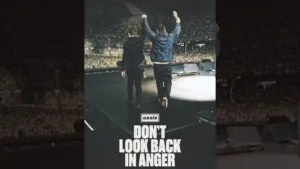

Oasis: Don’t Look Back in Anger
Where It Has the Edge
- originality is 4.5 vs 3.5. The structure is praised for misdirecting expectations away from a conventional backstage exposé and toward a broader story...

Scorata scores summarize analyzed review evidence on a 1–5 scale; they are not laboratory measurements or a simple average of customer star ratings. Feature scores summarize the reviews covering that feature. The overall score averages feature scores within each review, then combines review averages. When both expert and customer evidence are available, those two groups receive equal weight. Products can have different review coverage, so small score gaps do not establish a winner.
Recommendations prioritize important features for the category, with a score of at least 3.5, a gap of at least 0.25 points and at least two supporting reviews per product. Features with widely varying scores or broad connectivity contexts are excluded from recommendations. These safeguards do not establish statistical significance.
Quick verdict
The review evidence points to a tradeoff: originality versus archival footage quality and ending satisfaction. Choose according to which strengths matter more to you; the overall score alone does not settle that choice.
Choose Oasis: Don’t Look Back in Anger for originality.
Choose When a Witness Recants for archival footage quality and ending satisfaction.
Scores are out of 5. Missing scores mean missing review evidence, not a missing feature.
The central reunion and fan story is often praised as moving, redemptive, and well constructed, but this is also the film’s biggest recurring weakness: many reviewers wanted far more about the 2009 split, the years apart, and the mechanics of reconciliation.
A compelling, deeply upsetting account of the Harlem Park Three emerges from the records and firsthand testimony. Its familiar true-crime foundations are elevated by a confrontation that avoids a neat resolution.
The structure is praised for misdirecting expectations away from a conventional backstage exposé and toward a broader story about fandom, healing, and what the music means to people.
The documentary largely follows established true-crime methods, though the post-release confrontation brings a distinctive and hard-to-predict turn.
One recurring weakness is explanatory clarity: the film communicates the emotional result of the reunion far better than the practical reasons the brothers reconciled or the details of what changed.
The underlying case is generally easy to follow, but one critique finds the deliberate withholding of information creates an uneven impression of the events.
The first joint Liam-Noel interview in decades is frequently praised as funny, warm, candid, or moving. The recurring complaint is that the film does not push the brothers hard enough on how the feud ended or why the reunion happened.
The three exonerees speak with uncommon openness, alongside witness interviews and later legal depositions. This combination exposes both personal damage and institutional contradictions.
Will Lovelace and Dylan Southern are widely praised for translating the reunion tour into an immersive cinema experience while keeping the brothers’ reconciliation and fan stories emotionally legible.
Dawn Porter’s restrained attention to the exonerees earns acclaim, especially during the tense final meeting; a few find her direction conventional or overly manipulative.
Pacing is one of the more divided areas. Some find the film light, propulsive, and never boring, while others say repeated fan stories and post-Cardiff concert patterns make the middle and later sections drag.
The final confrontation has room to breathe, and pauses underline the cost of lost time. The earlier chronology can feel conventional, though it establishes vital context.
Archival material is used to bridge the 2009 breakup and the 2025 reunion, with reviewers praising the way old and new footage is blended into the film’s larger emotional timeline.
Vintage news footage and other historical material evoke 1980s Baltimore and contrast with later depositions. This texture helps the injustice feel grounded in a real community and time.
The closing stretch is generally satisfying because it leaves the brothers visibly closer and the audience on a high, although one reviewer would have preferred the title song as the final musical statement.
The refusal of an easy apology or emotional payoff gives the ending exceptional force. Its extended encounter continues the inquiry beyond the men’s legal exoneration.
The film’s message of forgiveness, reconciliation, collective joy, and music as a unifying force resonates strongly with most reviewers. A few find the religious framing and brotherly-love emphasis overly sentimental or too neatly packaged.
Its case for fairness and accountability comes through urgently without treating a financial settlement as an adequate remedy for lost years.
The rehearsal-room uncertainty and first Cardiff show retain real tension even though viewers know the tour succeeded, giving the early film an unusually strong sense of jeopardy for a concert documentary.
The unscripted climactic meeting creates intense anticipation because neither apology nor forgiveness is assured.
Emotional response is the clearest consensus strength: critics describe tears, goosebumps, catharsis, euphoria, and a powerful sense of communal release throughout the film.
The decades stolen from three men generate anger, grief and empathy, while their interactions with the witness bring the pain into sharp focus. The relentlessly difficult subject matter can be draining.
The film finds depth in music as community, escape, memory, healing, and intergenerational connection. Several reviewers see those ideas as more important than the mechanics of the Gallagher feud itself.
The film develops ideas of lost time, injustice and imperfect accountability, with its most probing moments refusing easy reconciliation.
Editing is often praised as subtle, snappy, and effective at moving between eras, cities, performers, and fans. Some reviewers push back when the cut leans too heavily on crying crowds or makes later concerts feel repetitive.
Cross-cutting past and present statements sharpens contradictions and consequences. Displayed court transcripts and other straightforward passages strike one critic as less visually imaginative.
Reviewers repeatedly praise the concert photography for balancing stadium scale with intimate faces, using close-ups and huge crowd shots to make the reunion feel both massive and personal.
Deliberate framing, shadow and stillness reinforce the lost years and oppressive atmosphere. Its precise compositions make absence and confinement feel palpable.
The documentary is praised for showing Oasis as a working-class Manchester phenomenon that now reaches across ages, nationalities, and generations, while also touching on the band’s Irish roots.
The Baltimore community is portrayed as a place of warmth as well as fear, giving the case context beyond damaging public stereotypes.
The visual approach favors large-format spectacle, expressive crowd imagery, and polished concert photography. Most reviewers love the scale, though one critic thinks the slickness sometimes tips into corporate polish.
The contrast between graphic black-and-white illustration and grainy historical footage has a strong expressive effect. Not everyone finds the documentary formally distinctive.
Stark black-and-white illustrations help reconstruct childhood experiences and fill gaps in the visual record. Some find the comic-book style intrusive or too sentimental, while others wish there were more of it.
Liam and Noel’s revived chemistry is a major pleasure: reviewers highlight their comic timing, mutual respect, and the sense that their old sibling rapport has returned in a gentler form.
The brothers’ gradual softening toward each other is one of the film’s most affecting arcs, moving from awkward rehearsals to visible affection and a joint interview.
The witness’s justifications are contrasted against the exonerated men’s demand for accountability, leading to an uncomfortable examination of responsibility.
The brothers’ revived banter is a highlight, with quick jokes and affectionate sparring giving the film much of its comic personality.
Its sympathetic approach to a pressured teen witness has moral complexity, but a critic questions whether it applies enough distance or institutional scrutiny.
The film looks beyond the original crime and conviction to community trust, the witnesses’ burdens and life after release. A minority view wishes its institutional and psychological examination went further.
The strongest dramatic material comes from the uncertainty around the brothers’ first rehearsals and opening show, where even a known outcome still feels tense and high-stakes.
Ta-Nehisi Coates offers personal recollections and larger historical context, though one account finds his contributions predictable and distracting.
The family testimony makes the emotional cost of imprisonment intimate and human.
The film chiefly centers the lives and perspectives of those wrongly imprisoned. Critics differ on whether certain framing choices redirect blame away from institutions.
The face-to-face encounter with Ron Bishop is the film’s most discussed sequence: raw, tense and unpredictable. Instead of easy forgiveness, it reveals how deep the injuries remain.
The closing meeting refuses the comforting reconciliation viewers may expect. That difficult honesty brings both moral nuance and an unsettling lack of closure.
As a concert film and rock documentary, the film earns very strong marks for spectacle, music, and feeling. The main genre-level criticism is that it sometimes behaves more like a celebratory tour film than a probing documentary.
The documentary regards the recanting witness’s guilt as ethically complicated, acknowledging the pressure placed on a child while testing the limits of adult responsibility.
Archive footage and personal recollection recreate a Baltimore community and a pivotal school shooting in the early 1980s.
Liam and Noel’s humor is a consistent strength, from caustic one-liners to Mick Jagger jokes and relaxed sibling banter that repeatedly breaks through the sentiment.
Accounts of missed relationships, lost decisions and ongoing adjustment vividly convey how imprisonment continues to affect everyday life.
Case records, conflicting testimony and filmed depositions make misconduct increasingly difficult to dismiss. A careful reconstruction helps viewers understand how the false convictions survived for decades.
The film makes the cost of the wrongful convictions unmistakable, insisting that exoneration and settlement money cannot restore the stolen decades. Some find the climactic personal confrontation pulls emphasis away from wider institutional responsibility.
One review explicitly treats the brothers’ heavy profanity as part of the fun, finding their foul-mouthed irreverence hilariously entertaining rather than distracting.
Historical news footage exposes how the original public narrative intensified fear and failed to question the accusations.
The extraordinary injustice and abrasive final meeting linger long after the credits.
The film shows lasting psychological wounds and the difficulty of readjustment. Some critics nevertheless want more attention to the witness’s own mental health.
The film allows fear, responsibility and anger to coexist rather than assigning everyone a simple role. The witness’s response is uncomfortable and provokes conflicting judgments.
The film moves between present interviews, historical material and a long closing confrontation. Some find the assembly skillful, while others regard its early stages as formulaic or too inclined to withhold known facts.
The film makes the police pressure, suppressed leads and evasive officials deeply infuriating, showing how institutional failures stole decades from three young men. Its familiar subject gains urgency through the people who lived with the consequences.
Its most powerful contextual passages connect one Baltimore case with systemic racism, class and misplaced institutional trust. A dissenting view finds some of that larger analysis sidelined in favor of interpersonal conflict.
The documentary looks beyond legal release to show how lost decades persist in personal habits, relationships and emotional wounds.
Hidden cameras, unobtrusive rehearsal coverage, and genuine sibling interactions give the film a strong sense of authenticity. Reviewers often respond to moments that feel unguarded rather than staged.
The two-hour length works for committed fans but draws criticism from casual viewers, especially when fan interviews repeat similar emotional beats. One reviewer felt the film could have been closer to 90 minutes.
A few viewers find the animation too sentimental for material better served by unadorned interviews and documents.
The film’s unusually soft, peace-and-love tone is a deliberate break from Oasis’s combative image. One critic finds that coziness a little strange, even while acknowledging the brothers’ familiar wit.
The written structure supports a clear forgiveness-and-reconciliation theme, but at least one critic finds the sermon material too scripted and heavy-handed.
The documentary forcefully reconstructs how three teenagers were falsely convicted and imprisoned for decades. It makes the systemic failure concrete through testimony and later case records.
The film lands most strongly with Oasis devotees and reunion-tour attendees, but several critics say its crowd energy can also win over agnostics. A minority warn that non-fans and casual listeners may tire of the sentiment, repetition, or long setlist.
Critical reception is presented as overwhelmingly positive, with the film repeatedly described as moving, nostalgic, and technically accomplished even when critics want more depth.
Most reviewers find the film highly entertaining, especially in a theater, thanks to the music, humor, scale, and crowd energy. Even several mixed reviews still describe it as exciting or enjoyable.
Fans are repeatedly told they will want to relive the reunion, and some expect superfans to return multiple times to catch details or re-experience the concert euphoria.
One reviewer goes as far as saying Liam’s comic Mick Jagger riff is worth the price of admission by itself.
The central onstage performances are praised as masterful, with the reunion shows retaining the authority, confidence, and scale fans hoped for.
The Oasis songs remain the film’s engine, repeatedly described as thrilling, thunderous, timeless, and powerful live. The only notable complaint is that one reviewer wanted more complete performances instead of abbreviated songs.
The wider band is praised as being in excellent form, helping the reunion sound polished and forceful rather than like a nostalgia exercise.
The sound is one of the film’s biggest technical strengths: reviewers praise the live mix, roaring guitars, stadium-scale impact, and IMAX/Dolby immersion. Even mixed reviews agree that a loud theater suits it.

A deeply human coming-of-age drama carried by remarkable performances and an honest portrayal of grief. Its gentle optimism moves most viewers, though some find the final stretch hurried or overly...
Pros: Grief portrayal, acting performance
Cons: pacing

Billie Jean King’s magnetic first-person storytelling makes this an exhilarating portrait of athletic courage and social change. The filmmaking follows a familiar documentary structure, and her full tennis résumé gets...
Pros: entertainment value, Biographical coverage
Cons: Narrative structure

Choose this inventive, unsettling documentary for fearless questioning, dark humor, and unpredictable storytelling. Skip it if you want a short, straightforward exposé with definitive answers.
Pros: originality, humor

A singular voice, powerful piano playing and intimate film photography make this concert absorbing for receptive listeners. Its uninterrupted, often similar-sounding songs and lack of background context are an acquired...
Pros: directing quality, cinematography
Cons: pacing, Song variety