Compare Valheim vs Welcome to Elderfield

Valheim

Valheim

Overall score 4.5 / 5

Based on 23 scored reviews

vs
Welcome to Elderfield

Welcome to Elderfield

Overall score 4.3 / 5

Based on 29 scored reviews

How we score

Scorata scores summarize analyzed review evidence on a 1–5 scale; they are not laboratory measurements or a simple average of customer star ratings. Feature scores summarize the reviews covering that feature. The overall score averages feature scores within each review, then combines review averages. When both expert and customer evidence are available, those two groups receive equal weight. Products can have different review coverage, so small score gaps do not establish a winner.

Recommendations prioritize important features for the category, with a score of at least 3.5, a gap of at least 0.25 points and at least two supporting reviews per product. Features with widely varying scores or broad connectivity contexts are excluded from recommendations. These safeguards do not establish statistical significance.

Quick verdict

What each product is best for

The review evidence points to a tradeoff: performance optimization and polish versus difficulty balance. Choose according to which strengths matter more to you; the overall score alone does not settle that choice.

Choose Valheim for performance optimization and polish.

Choose Welcome to Elderfield for difficulty balance.

Why these recommendations?

Valheim

Where It Has the Edge

  • performance optimization is 5.0 vs 2.5. Valheim runs impressively well on modest PCs and base PS5 hardware, with its stylized presentation helping it scale...
  • polish is 4.9 vs 3.8. Reviewers consistently see 1.0 as a finished, highly polished version of a game that already felt unusually complete...
  • crafting system is 4.3 vs 3.6. Crafting ties naturally into exploration and progression, though the requirement to carry materials directly can make the process...

Welcome to Elderfield

Where It Has the Edge

  • difficulty balance is 4.0 vs 3.7. Difficulty options are a major strength because Cozy mode can soften combat while harder settings preserve the punishing...
Valheim 4.5 overall score
Welcome to Elderfield 4.3 overall score

Compare features

Scores are out of 5. Missing scores mean missing review evidence, not a missing feature.

Scored on both products

Performance

Performance optimization
Valheim
5.0

Valheim runs impressively well on modest PCs and base PS5 hardware, with its stylized presentation helping it scale without losing its visual identity.

Welcome to Elderfield
2.5

Performance is playable but heavier than expected for a 2D pixel game. Steam Deck efficiency, power draw, and occasional stutter are the main concerns.

Soundtrack quality
Valheim
4.8

The music is a major mood-setter, from soothing biome themes to soaring sailing tracks, and remains pleasant even after long play sessions.

Welcome to Elderfield
4.6

The dark lo-fi soundtrack is a major atmospheric asset, blending relaxation, melancholy, and dread. Most players love it, though one long-session impression says repeated dungeon music can wear thin.

Other features

Co-op experience
Valheim
4.9

Co-op is one of Valheim's biggest strengths, turning resource work, exploration, disasters, and boss preparation into memorable shared stories.

Welcome to Elderfield
2.5

There is no co-op experience to judge directly, and one player specifically wishes a friend could join because the world is so rich to explore.

Upgrade system
Valheim
4.8

Equipment upgrades feel tangible, making formerly dangerous areas noticeably easier while keeping weapon choices varied across biome tiers.

Welcome to Elderfield
2.8

Equipment and stat upgrades can be rewarding and flexible, but tool progression is not always explained clearly. Later upgrades can also demand a lot of money and materials.

Weapon balance
Valheim
2.6

Weapon variety is broad, but bows and pierce damage can feel disadvantaged, while zero-stamina parries may swing too far in the opposite direction.

Welcome to Elderfield
4.5

Equipment supports distinct melee and magic approaches, with clear tradeoffs between efficiency, versatility, and fragility rather than one obvious best path.

Bug frequency
Valheim
5.0

The 1.0 release is described as the most bug-free version yet, reinforcing the sense that the long Early Access cycle produced a polished build.

Welcome to Elderfield
3.3

Technical experiences range from nearly bug-free to several disruptive glitches affecting money, time, quests, and progression. The launch build appears cleaner for some players than earlier or Steam Deck builds.

Tutorial quality
Valheim
2.8

Early tips are helpful, but later biomes and special mechanics can be poorly explained, leaving players to learn important survival rules through failure.

Welcome to Elderfield
4.5

Tutorials range from excellent, gradual teaching to intentionally vague guidance. Players who like learning through characters and discovery tend to enjoy the approach, while those wanting explicit step-by-step direction may struggle.

Progression system
Valheim
4.9

Progression is a standout: new foods, gear, crafting stations, biomes, and boss milestones steadily change what players can survive and accomplish.

Welcome to Elderfield
3.4

Progression can feel satisfying because upgrades, quests, exploration, gear, and farming all contribute, but clarity and late-game pacing are recurring concerns. Several players struggled to understand upgrade paths or felt gated by expensive resources and RNG.

Survival mechanics
Valheim
5.0

Food, stamina, shelter, preparation, environmental hazards, and biome escalation form a cohesive survival system that multiple reviewers treat as a genre high point.

Welcome to Elderfield
3.5

Sleep, baths, curses, healing food, enemy resets, and dice rolls create a constant risk-reward layer. Many players enjoy the planning, but the sleep system in particular can feel punishing or encourage reloading.

Handheld play suitability
Valheim
5.0

Valheim is described as exceptionally well suited to handheld play, with its scalable visuals and session-friendly sandbox structure fitting the format.

Welcome to Elderfield
3.8

Steam Deck play is broadly viable and often smooth, but experiences vary. Some players report clean handheld performance, while others note bugs, stutter, and higher-than-expected power use.

Polish
Valheim
4.9

Reviewers consistently see 1.0 as a finished, highly polished version of a game that already felt unusually complete years ago.

Welcome to Elderfield
3.8

The game feels confident and thoughtfully put together, but polish varies by build. Clean launch experiences sit alongside reports of bugs, progression roughness, and small interface friction.

Fast travel convenience
Valheim
3.3

Portals can make distant support practical, but metal restrictions create one of Valheim's biggest travel pain points; some reviewers appreciate the forced journeys while others find them tedious.

Welcome to Elderfield
4.3

Buses, warp options, sewers, and bicycles help a lot in the large world. Unlock requirements can still leave players facing long walks before a route becomes available.

Enemy variety
Valheim
4.0

Enemy variety is strong overall and improves in the Deep North, though some late-game creatures feel recycled rather than genuinely new.

Welcome to Elderfield
4.8

The game features many unusual monsters and distinctive enemy concepts, helping repeated exploration and combat retain a strong horror identity.

Movement feel
Valheim
5.0

Deep North traversal avoids artificial snow slowdown, making movement through the endgame biome feel more natural.

Welcome to Elderfield
4.3

The bicycle and other traversal tools make getting around much more pleasant, though the distance between home and farm can still feel inconvenient before travel options open up.

Crafting system
Valheim
4.3

Crafting ties naturally into exploration and progression, though the requirement to carry materials directly can make the process less fluid than it could be.

Welcome to Elderfield
3.6

Crafting ties farming, exploration, food, gear, and progression together well, but its interface and long-term usefulness are uneven. Some advanced recipes or equipment can feel less valuable when better items are found first.

Economy and resource balance
Valheim
2.0

Resource requirements are the game's biggest systemic drag; late-game equipment, armor molds, and building materials can demand long, repetitive gathering runs.

Welcome to Elderfield
2.6

Early taxes are manageable, but several players found key resources and later upgrades too expensive. Cleansing Balm and major progression costs can make the economy feel stingy before income ramps up.

Pacing
Valheim
3.9

Pacing is highly adjustable and can feel smooth in short sessions, but the default late-game route can slow dramatically under travel and resource demands.

Welcome to Elderfield
3.3

Pacing is divisive: some love the patient, self-directed rhythm, while others hit slow stretches, busywork, or progression stalls. Combat-heavy play and early farming can both move more slowly than genre veterans may expect.

Dialogue quality
Valheim
5.0

New dialogue tied to ravens and runestones gives the world stronger context and helps the long journey feel more profound.

Welcome to Elderfield
4.5

Dialogue is a notable strength, helping the town’s creepy-cute personality overcome some of the confusion created by its large spaces and systems.

Frame rate stability
Valheim
4.8

Performance is much more stable than in earlier builds, and PS5 performance mode delivers a smooth targeted 60fps in the tested sessions.

Welcome to Elderfield
4.3

Frame rate is generally smooth, but intensive lighting and environmental effects can cause occasional dips on handheld hardware.

Immersion
Valheim
5.0

The combination of Norse atmosphere, preparation, survival friction, and quiet home life creates a strong sense of inhabiting the world rather than merely clearing objectives.

Welcome to Elderfield
4.5

Lighting, weather, sound, and the oppressive world design make the 2D setting feel unusually immersive for a farming sim.

Narrative quality
Valheim
4.5

1.0 gives the survival grind a clearer narrative backbone through boss cutscenes and added story context without overwhelming the sandbox.

Welcome to Elderfield
4.0

The story and mystery work well for players drawn to Elderfield’s strange premise, but not everyone finds the underlying themes equally deep. One critic sees the horror pastiche as shallow, while others are hooked by the unfolding secrets.

Visual effects quality
Valheim
5.0

Lighting, fog, stars, weather, and environmental effects transform simple assets into striking scenes that still look excellent years later.

Welcome to Elderfield
4.5

Lighting and weather effects give the 2D world more atmosphere and visual depth, even if they can contribute to occasional performance dips.

Game length
Valheim
3.8

The game can occupy dozens or hundreds of hours; that depth is rewarding for committed players but intimidating for anyone with limited time or patience for travel.

Welcome to Elderfield
4.2

There is an enormous amount of content, with some players barely scratching the surface after 20–30 hours. For one long-play reviewer, though, more than 70 hours still left too much progression, turning size into fatigue.

Difficulty balance
Valheim
3.7

Valheim's harsh difficulty often makes success deeply satisfying, but stamina pressure, biome spikes, and punishing solo recovery can cross into frustration.

Welcome to Elderfield
4.0

Difficulty options are a major strength because Cozy mode can soften combat while harder settings preserve the punishing RPG side. Even so, normal difficulty can be much tougher than a typical farming sim, especially early on.

Learning curve
Valheim
3.1

The basics are approachable, but building tricks, hidden mechanics, and the broader hardcore survival demands take meaningful time to master.

Welcome to Elderfield
3.4

Elderfield takes time to understand, especially around combat, progression, and its many intertwined systems. Once the rules click, several players found it much easier and more rewarding.

Combat system
Valheim
4.7

Combat is generally praised for parries, dodges, varied weapons, and stronger late-game depth, though stamina pressure can make some encounters harsher than they need to be.

Welcome to Elderfield
4.4

Turn-based combat is one of the biggest surprises, with action points, builds, buffs, debuffs, and resource planning adding real strategy. It is often praised as deep and refreshing, though its punishing early balance can overwhelm players expecting a gentler farming sim.

Environmental detail
Valheim
5.0

Forests, weather, light, and environmental design give even procedurally generated spaces a handcrafted, storybook quality.

Welcome to Elderfield
4.8

Small visual and environmental touches are praised for making the town both more unsettling and more fun to explore.

Atmosphere
Valheim
5.0

Few areas earn more consistent praise than atmosphere: cozy homes, hostile storms, eerie biomes, dreamlike vistas, and shifting weather give Valheim a distinctive emotional texture.

Welcome to Elderfield
4.8

Atmosphere is the clearest consensus strength, blending cozy routine, melancholy, dark humor, and constant unease. Even a reviewer who disliked the oppressive mood acknowledged how deliberately and effectively it was crafted.

Exploration quality
Valheim
5.0

Exploration is one of Valheim's clearest strengths, with land, sea, procedural worlds, and distinct biomes constantly giving players reasons to push farther and return again.

Welcome to Elderfield
4.8

Exploration is a major strength, with secrets, resources, unusual encounters, and tangible rewards tucked across a surprisingly large town. Curiosity is consistently encouraged and usually pays off.

Loot system
Valheim
4.5

Dungeon loot is part of a rewarding mix of unique layouts and challenges that makes repeated delves feel worthwhile.

Welcome to Elderfield
4.7

Itemization supports distinct builds and gives combat meaningful rewards, with food, gear, and resources creating useful tradeoffs rather than disposable drops.

Writing quality
Valheim
5.0

Runestones, raven dialogue, and the broader story framing add meaning efficiently, turning what could feel disconnected into a more purposeful journey.

Welcome to Elderfield
4.8

Straight-faced humor, odd NPCs, and unsettling details give the writing a distinctive voice. Dialogue and quest writing often make the horror funnier and stranger without undercutting the atmosphere.

Fun factor
Valheim
4.9

Across both solo and group play, reviewers overwhelmingly find Valheim deeply enjoyable, with its exploration and progression strong enough to outweigh persistent friction.

Welcome to Elderfield
4.8

Most players find Elderfield compelling, addictive, or hard to put down, especially once its systems click. The main exception is a reviewer who admired the craft but personally disliked the oppressive experience.

Grind level
Valheim
3.1

The grind is the central tradeoff: preparation can feel deeply rewarding, but late-game resource hauling, rare drops, and long recovery trips often demand too much time.

Welcome to Elderfield
3.2

Grinding is highly taste-dependent: some players find the slow, punishing loop oppressive, while others call resource gathering and enemy farming surprisingly addictive. Long progression stalls are the biggest risk.

Lore depth
Valheim
4.8

The Norse premise now has more developed story context, and added lore helps connect the bosses, biomes, and endgame into a more coherent saga.

Welcome to Elderfield
4.6

Elderfield is packed with secrets, broadcasts, occult history, hidden areas, and unexplained events. Lore is one of the strongest reasons to keep exploring, though one critic finds parts of it more decorative than meaningful.

Core gameplay loop
Valheim
5.0

Gathering, building, fighting, and exploring fit together into an unusually absorbing loop that still feels good after hundreds of hours.

Welcome to Elderfield
4.9

Farming, gathering, crafting, exploration, and turn-based combat feed directly into one another instead of feeling like separate modes. The loop is widely praised for making cozy chores matter to survival and progression.

Accessibility options
Valheim
4.3

World modifiers do a great job of letting players tune combat, resources, death penalties, and portal rules, although PS5 still lacks button remapping.

Welcome to Elderfield
4.2

Accessibility impressions are mixed. Some players praise subtitles, color and contrast options, adjustable difficulty, and flexible pacing, while another found the overall suite somewhat limited and noted missing UI scaling.

Horror tension
Valheim
5.0

Dark journeys and the Deep North can be genuinely chilling, using uncertainty and hostile environments to create tension without losing the game's cozy contrast.

Welcome to Elderfield
4.9

The horror relies more on persistent unease, grotesque imagery, and normalized weirdness than nonstop jump scares. That restraint makes it unusually effective for many players while still being intense enough to unsettle sensitive cozy-game fans.

Art direction
Valheim
5.0

The deliberately low-fi, pixelated style is repeatedly called beautiful, distinctive, and timeless, helped by cohesive Norse imagery and strong lighting.

Welcome to Elderfield
4.8

Hand-drawn horror illustrations, muted pixel art, manga influences, and cozy visual cues combine into a distinctive identity. The contrast between cute routine and grotesque imagery is consistently praised.

Gameplay mechanics
Valheim
4.5

The core mechanics remain familiar in 1.0, but that familiarity is treated as a strength because the established systems already work well.

Welcome to Elderfield
4.4

The game’s dice rolls, risk-heavy daily actions, and quality-of-life touches make familiar farming systems feel less predictable. Some players enjoy that constant uncertainty, while others find the randomness intrusive.

Originality
Valheim
5.0

Even in a crowded survival genre, Valheim is described as singular because its Norse identity and sense of adventure feel difficult to replicate.

Welcome to Elderfield
4.9

The farming-horror combination feels genuinely distinctive rather than like a familiar sim with spooky decoration. The world, tone, and combat structure repeatedly stand out in a crowded genre.

Graphics quality
Valheim
4.9

Despite simple geometry and textures, Valheim is consistently described as gorgeous, especially when weather, vistas, and the Deep North come together.

Welcome to Elderfield
5.0

The dark pixel presentation and detailed horror visuals are praised for being striking, readable, and well matched to the game’s tone.

Content variety
Valheim
4.9

Nine-biome-scale progression, weapons, food, magic, building, dungeons, and new mechanics give 1.0 exceptional breadth without erasing the original game's identity.

Welcome to Elderfield
4.9

There is a huge amount to do, spanning farming, ranching, relationships, combat, mysteries, dungeons, crafting, fishing, seasonal systems, and exploration. The breadth is repeatedly described as one of the game’s biggest strengths.

Animation quality
Valheim
5.0

The new 2D story cutscenes are a standout addition, described as well animated, polished, and even TV-worthy.

Welcome to Elderfield
5.0

Despite the pixel presentation, animation is described as beautiful and well supported by the surrounding audiovisual design.

Crash stability
Valheim
5.0

A multi-hour PS5 test reported no crashes, stutters, noticeable lag, or meaningful frame-rate drops.

Welcome to Elderfield
5.0

Crash stability is strong in the impressions that address it, with multiple players reporting no crashes even when other bugs were present.

Innovation
Valheim
5.0

Its influence on later survival games is explicitly recognized, with Valheim treated as a genre-shaping example rather than merely another successful entry.

Welcome to Elderfield
5.0

The strongest innovation is making horror part of the farming routine itself rather than a separate mode. Dice rolls, survival tradeoffs, and unsettling domestic systems give familiar mechanics a fresh purpose.

Onboarding experience
Valheim
4.5

The basics are quick to understand and objectives provide direction without excessive handholding, making the early game approachable despite later complexity.

Welcome to Elderfield
4.5

The game often teaches mechanics as they become relevant, which can feel natural and immersive. Its intentionally light guidance may still frustrate players who want every system explained upfront.

Sandbox freedom
Valheim
5.0

Valheim gives players exceptional freedom to build, explore, prepare, or chase bosses at their own pace without forcing one correct way to play.

Welcome to Elderfield
5.0

Players can spend their time farming, fighting, socializing, or exploring at their own pace, with relatively little pressure to follow one rigid path.

World interactivity
Valheim
5.0

Terrain, weather, construction, mounts, grappling, and biome-specific interactions make the world feel inhabited rather than like scenery to pass through.

Welcome to Elderfield
5.0

Ordinary interactions can trigger dice rolls, risks, blessings, curses, or unexpected outcomes, making the world feel reactive and unpredictable.

Controls and connectivity

Controls responsiveness
Valheim
4.5

PS5 controller inputs feel responsive and workable once the unconventional layout becomes familiar.

Welcome to Elderfield
2.5

Basic interaction can feel fiddly in places, particularly when lining tools up with the correct tile.

Menu usability
Valheim
3.8

The redesigned build menu earns praise for sorting, favorites, and search, but controller navigation and building inputs on PS5 are less intuitive.

Welcome to Elderfield
4.7

Shared storage and equipment management are convenient, but some menus still feel more cumbersome than the best farming sims.

Comfort and build

Level design
Valheim
4.5

Randomized dungeons and distinct biomes are major strengths, but the Mistlands' fog and awkward terrain are a notable low point.

Welcome to Elderfield
4.0

Elderfield’s locked spaces, shifting interiors, mall, sewers, and other large areas create a strong sense of discovery. Some layouts can be confusing, but the gating often helps keep the amount of content manageable.

World-building
Valheim
5.0

The game makes its Norse afterlife feel like a place to live in, with visual themes, home-building, danger, and mythology reinforcing one another.

Welcome to Elderfield
4.7

The town’s greatest trick is making eldritch absurdity feel ordinary, from skeleton neighbors to haunted malls and strange local broadcasts. Most impressions find that world unusually cohesive, memorable, and rewarding to investigate.

Quest design
Valheim
5.0

Valheim's lack of a conventional quest log is treated as a strength, letting curiosity, bosses, and player motivation provide direction instead.

Welcome to Elderfield
4.8

Quests are usually rewarding because they unlock resources, areas, items, or strange bits of lore rather than feeling disposable. The best tasks lean into Elderfield’s bizarre residents and occult mysteries.

User interface design
Valheim
2.5

Inventory management remains a weak spot, with limited carrying capacity and item handling feeling behind the rest of the game.

Welcome to Elderfield
2.7

The interface is functional but uneven. Equipment screens can be useful, while inventory visibility, editor controls, and general UI clunkiness draw criticism.

Sound design
Valheim
4.7

Audio is consistently useful as well as atmospheric, with clear environmental and enemy cues helping players read confusing or dangerous situations.

Welcome to Elderfield
4.8

Footsteps, bells, ambient noises, and other small audio details make Elderfield feel more tactile and unsettling. Sound design is repeatedly called strong or excellent.

Map and navigation design
Valheim
2.3

Mistlands navigation is a repeated frustration because dense fog and awkward terrain make simply moving through the biome unpleasant.

Welcome to Elderfield
2.3

Navigation is one of the weaker areas. The in-game map can be inaccurate and task markers may not give enough detail to identify houses or quest destinations.

Ownership and support

Value for money
Valheim
5.0

At roughly $30 in the supplied reviews, the finished package is repeatedly described as an easy recommendation or outright steal for players who enjoy long survival sandboxes.

Welcome to Elderfield
4.9

The amount of content, long playtime, and relatively low price earn strong value praise. Multiple players explicitly consider the game worth full price despite its rough edges.

Replay value
Valheim
5.0

Procedural worlds, flexible goals, co-op stories, and the sheer breadth of 1.0 make Valheim a game reviewers repeatedly want to restart and revisit.

Welcome to Elderfield
5.0

The large number of mysteries, flexible play styles, and long-running progression give the game strong replay potential, with one impression explicitly describing it as long-lasting and replayable.

Save system reliability
Valheim
4.2

Frequent autosaves and manual saving are reassuring in some accounts, although another reviewer still criticized the game's save behavior as punishing.

Welcome to Elderfield
4.2

Being able to save without ending the day is a major convenience, but saves generally require returning home or to bed. That makes long expeditions more tense and less friendly to very short play sessions.

Evidence available for one product

Other features

AI behavior
Valheim
2.5

Boss AI and enemy pathing are recurring weak spots, sometimes struggling with varied arenas or feeling rigid enough to cause avoidable failures.

Welcome to ElderfieldNo score yet
Camera behavior
Valheim
3.0

PS5 camera settings are functional but limited because horizontal and vertical sensitivity cannot be tuned separately.

Welcome to ElderfieldNo score yet
Character development
ValheimNo score yet
Welcome to Elderfield
1.5

One major criticism is that romanceable characters do not evolve enough as relationships deepen, making long-term social progression feel flat.

Character diversity
ValheimNo score yet
Welcome to Elderfield
1.0

One critique says the human cast lacks racial diversity, despite the game offering skeletons, monsters, and other unusual romanceable residents.

Character roster
ValheimNo score yet
Welcome to Elderfield
5.0

The cast is praised as odd, creative, and memorable, with skeletons, talking animals, and eccentric townsfolk reinforcing the game’s identity.

Checkpoint system
Valheim
3.0

Bed-based respawns can shorten corpse runs, but deaths in hostile biomes can still spiral into long recovery loops, especially solo.

Welcome to ElderfieldNo score yet
Emotional impact
Valheim
5.0

Valheim's strongest memories often come from emergent moments—surviving a journey, returning home, or finishing the final offering—rather than scripted spectacle alone.

Welcome to ElderfieldNo score yet
Endgame content
Valheim
4.9

The Deep North is widely praised as a fitting, beautiful final destination with substantial new gear, dungeons, threats, and progression, even if not every element feels transformative.

Welcome to ElderfieldNo score yet
Fishing mechanics
ValheimNo score yet
Welcome to Elderfield
2.0

Fishing is generally part of the broader farming loop, but one player hit a glitch that blocked an important catch and related quest progress.

HUD clarity
Valheim
5.0

Updated mead icons are much easier to distinguish, improving at-a-glance readability during play.

Welcome to ElderfieldNo score yet
Load times
ValheimNo score yet
Welcome to Elderfield
3.0

Loading impressions vary sharply: one player found loading fast, while others complained about frequent screens between map sections that interrupt flow.

Mission variety
ValheimNo score yet
Welcome to Elderfield
5.0

Resident requests range from mundane errands to bizarre horror tasks, giving the mission mix a playful and unpredictable character.

Pause functionality
Valheim
5.0

A true solo pause is repeatedly singled out as a major quality-of-life win for players who need to step away at a moment's notice.

Welcome to ElderfieldNo score yet
Platforming precision
Valheim
2.5

Rigid platforming can turn traversal mistakes into costly setbacks, especially when a failed move leads to lost progress.

Welcome to ElderfieldNo score yet
Romance quality
ValheimNo score yet
Welcome to Elderfield
1.5

Romance is one of the harshest criticisms in the negative review, where partners are described as uninteresting and relationship growth as unrewarding.

Sailing mechanics
Valheim
4.3

Sailing is a memorable part of exploration: steering can feel clunky, but mastering ships, long voyages, and social downtime at sea is widely enjoyed.

Welcome to ElderfieldNo score yet
Seasonal content quality
ValheimNo score yet
Welcome to Elderfield
2.0

Seasonal content is a weak spot for some players. Holidays and events exist, but they can feel sparse or leave little lasting impact compared with the rest of the game’s dense systems.

Side character depth
ValheimNo score yet
Welcome to Elderfield
4.0

The cast is memorable and unusual, though emotional depth varies. Some characters become genuinely likable with investment, while others feel more strange than comforting.

Social features
ValheimNo score yet
Welcome to Elderfield
3.4

Relationships can become engaging once players invest in gifts and conversations, but the system is inconsistent. One critic finds the social links unrewarding and disconnected from related tasks.

Violence level
ValheimNo score yet
Welcome to Elderfield
4.5

The horror imagery can be grotesque, but one cozy-oriented player specifically appreciated that the monsters were not as gory or yucky as expected.

Comfort and build

Boss design
Valheim
4.6

Bosses usually work as memorable biome finales with distinct mechanics and satisfying preparation, but the final fight itself disappointed at least one longtime player.

Welcome to ElderfieldNo score yet
Mission design
ValheimNo score yet
Welcome to Elderfield
3.0

Daily news events add mystery and direction, but some announced occurrences can be frustratingly difficult to locate.

Multiplayer design
Valheim
5.0

Co-op works well because tasks and roles emerge naturally among players instead of being forced by rigid class assignments.

Welcome to ElderfieldNo score yet
Open-world design
Valheim
5.0

The huge procedural world feels cohesive rather than disposable, with enough scale and personality for players to form a real attachment to their own map.

Welcome to ElderfieldNo score yet
Town-building system
Valheim
4.7

Building is a defining strength, combining structural rules with huge creative range so homes feel mechanically useful and personally meaningful, though terrain setup can be fiddly.

Welcome to ElderfieldNo score yet

Controls and connectivity

Character customization
ValheimNo score yet
Welcome to Elderfield
2.0

Character creation is a weak point, with the editor criticized for offering fewer options than expected from the genre.

Ownership and support

Cross-play support
Valheim
5.0

Full cross-play is a major convenience, letting PC and console players share worlds without platform barriers.

Welcome to ElderfieldNo score yet
Live-service support
Valheim
3.5

The long Early Access run ultimately delivered substantial updates and a real finish line, but at least one reviewer felt the release cadence was far too slow.

Welcome to ElderfieldNo score yet
Mod support
Valheim
5.0

Mods can substantially customize the experience beyond the already-flexible world settings, which is especially useful for players tailoring grind or navigation.

Welcome to ElderfieldNo score yet
Platform-specific feature support
Valheim
4.5

Console context wheels and PS5 mouse-and-keyboard support translate Valheim well to new platforms, though some controller options remain limited.

Welcome to ElderfieldNo score yet

Performance

Marketing accuracy
ValheimNo score yet
Welcome to Elderfield
3.7

The core cozy-horror promise is largely fulfilled, but expectations depend heavily on difficulty. Some players feel the game is darker, more combat-heavy, and meaner than its cozy presentation initially suggests.

Other Top Video Games to Consider

#1 Hades II
4.6

Good if you want fast, tactical roguelite combat with huge progression depth, striking art, and standout music. Skip it if repetition, resource micromanagement, or a less emotionally satisfying sequel story...

Pros: skill tree depth, dialogue quality

Cons: emotional impact, economy and resource balance

#3 Donkey Kong Bananza
4.5

Best for joyful destruction, dense exploration, and a charming DK-Pauline adventure. Skip it if camera quirks, frame-rate dips, easy bosses, or premium Switch 2 pricing are dealbreakers.

Pros: gameplay mechanics, world interactivity

Cons: economy and resource balance, enemy variety

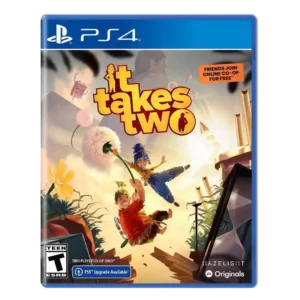
#4 It Takes Two
4.5

Best for joyful, inventive co-op with a partner, especially on couch. Skip it if divorce themes, uneven story tone, or Switch visual compromises would distract you.

Pros: core gameplay loop, movement feel

Cons: character development, dialogue quality

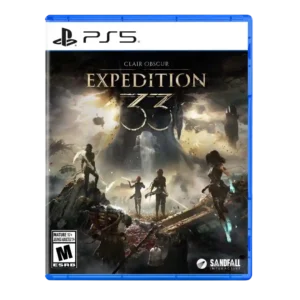
#5 Clair Obscur: Expedition 33
4.5

Choose Clair Obscur if you want a story-rich RPG with thrilling timed combat, gorgeous art, and standout music. Skip it if poor maps, tight parry timing, or occasional bugs and...

Pros: monetization fairness, microtransaction impact

Cons: platforming precision, menu usability