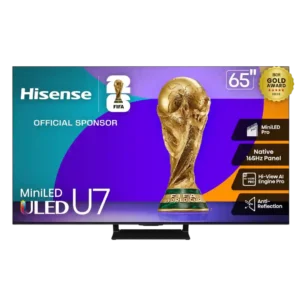
Compare Hisense U75QG vs Hisense U6SF

Hisense U75QG

Hisense U75QG

Overall score 4.0 / 5

Based on 285 scored reviews

vs
Hisense U6SF

Hisense U6SF

Overall score 4.3 / 5

Based on 9 scored reviews

How we score

Scorata scores summarize analyzed review evidence on a 1–5 scale; they are not laboratory measurements or a simple average of customer star ratings. Feature scores summarize the reviews covering that feature. The overall score averages feature scores within each review, then combines review averages. When both expert and customer evidence are available, those two groups receive equal weight. Products can have different review coverage, so small score gaps do not establish a winner.

Recommendations prioritize important features for the category, with a score of at least 3.5, a gap of at least 0.25 points and at least two supporting reviews per product. Features with widely varying scores or broad connectivity contexts are excluded from recommendations. These safeguards do not establish statistical significance.

Quick verdict

What each product is best for

The review evidence points to a tradeoff: HDR brightness and HDMI 2.1 port count versus input lag and glare resistance. Choose according to which strengths matter more to you; the overall score alone does not settle that choice.

Choose Hisense U75QG for HDR brightness and HDMI 2.1 port count.

Choose Hisense U6SF for input lag and glare resistance.

Why these recommendations?

Hisense U75QG

Where It Has the Edge

  • HDR brightness is 4.9 vs 2.6. HDR brightness is one of the TV’s defining strengths, with measured peaks above 3,000 nits in several tests...
  • HDMI 2.1 port count is 5.0 vs 3.0. Four HDMI 2.1 inputs are a major advantage for multi-console and PC setups and are repeatedly highlighted as...
  • bass performance is 4.3 vs 2.7. Bass is stronger than on most TVs and can have real weight, although a few reviewers found it...

Hisense U6SF

Where It Has the Edge

  • input lag is 4.7 vs 4.3. Game mode delivers quick responses that satisfy many players. A minority find control lag and smearing more noticeable...
  • glare resistance is 4.9 vs 2.3. The anti-glare finish is a standout: even direct lamps and windows create much less distracting reflection than on...
  • setup ease is 4.8 vs 4.1. The legs are quick to attach and Fire TV onboarding is manageable, although linking an Amazon account can...
Hisense U75QG 4.0 overall score
Hisense U6SF 4.3 overall score

Compare features

Scores are out of 5. Missing scores mean missing review evidence, not a missing feature.

Scored on both products

Performance

Picture quality
Hisense U75QG
4.6

Picture quality earns broad praise for its brightness, contrast, color, and 4K detail, with only a minority reporting poor tuning or defective panels.

Hisense U6SF
4.8

Natural colors, decent contrast and effective glare suppression create a pleasing everyday picture. Limits show up in difficult HDR and fast-motion scenes.

HDR brightness
Hisense U75QG
4.9

HDR brightness is one of the TV’s defining strengths, with measured peaks above 3,000 nits in several tests and very punchy highlights.

Hisense U6SF
2.6

HDR highlights are only moderately bright by premium-TV standards, limiting their sparkle despite acceptable overall scene brightness.

Audio passthrough
Hisense U75QG
3.3

Audio passthrough earns praise for broad format support, although one later firmware complaint involved trouble outputting Dolby Digital.

Hisense U6SF
5.0

eARC can pass major high-quality audio formats to a compatible receiver or soundbar without notable format restrictions.

Bass performance
Hisense U75QG
4.3

Bass is stronger than on most TVs and can have real weight, although a few reviewers found it boomy or muddy depending on content.

Hisense U6SF
2.7

Bass is the most disputed part of the sound system: several tests find weak low-frequency output, while some hands-on accounts are happier with its weight. Powerful movie bass still calls for external audio.

Overall image accuracy
Hisense U75QG
3.0

Image accuracy is mixed: SDR can be excellent, while HDR tracking, color temperature, and tone mapping can stray noticeably from reference.

Hisense U6SF
4.5

Default picture accuracy is good and further calibration can produce excellent results; minor coolness or tonal bias remains before adjustment.

Color accuracy
Hisense U75QG
3.3

SDR color can be impressively accurate, while HDR color accuracy is more variable and several users needed substantial adjustment to get a natural image.

Hisense U6SF
4.3

Colors often look natural out of the box and can become highly accurate after calibration, with some cool whites and overemphasized primaries at default settings.

Dark-room performance
Hisense U75QG
4.8

Dark-room performance is good head-on thanks to strong blacks, though blooming and near-black limitations are more visible in very dark conditions.

Hisense U6SF
3.8

Deep blacks make nighttime movies enjoyable, but bright subtitles can reveal blooming. A higher-tier LCD or OLED is the stronger choice for a fully dark theater.

White balance accuracy
Hisense U75QG
2.8

White balance is excellent in some SDR tests but inconsistent in HDR, where blue or yellow tints were noticeable to several reviewers.

Hisense U6SF
3.8

The default picture can lean a little cool, but white-balance errors are modest and improve with calibration.

Peak brightness
Hisense U75QG
4.5

Peak brightness is exceptional for the class and is one of the most consistently praised aspects of the U75QG.

Hisense U6SF
3.8

SDR is bright enough for many daytime rooms, but overall brightness has limits near the edges and in very bright HDR scenes.

Sound quality
Hisense U75QG
4.2

Built-in sound is better than average and often strong enough to skip a soundbar, but several owners report thin dialogue, weak refinement, or defective speakers.

Hisense U6SF
3.8

Audio is adequate or even impressive for some owners, but independent tests find tonal imbalance and limited bass. A soundbar remains useful for home theater.

Local dimming performance
Hisense U75QG
4.5

Local dimming is consistently strong for the price, producing deep blacks and effective highlight control across most real-world scenes.

Hisense U6SF
4.1

Mini-LED zones boost contrast and depth, but their size and slow transitions can cause glowing subtitles and artifacts as highlights move.

Daytime viewing performance
Hisense U75QG
4.5

This is one of the TV’s strongest use cases: extreme brightness lets the picture hold up very well in sunny or otherwise bright rooms.

Hisense U6SF
4.8

Sunlit-room viewing is one of the clearest advantages: SDR brightness and a low-reflection coating keep the picture visible with curtains open.

Noise reduction
Hisense U75QG
4.5

Noise-reduction and smoothing tools can clean up low-quality sources while preserving much of the fine detail.

Hisense U6SF
4.3

Compression smoothing makes low-bitrate streams more presentable, although it can sometimes remove a little fine texture.

HDR performance
Hisense U75QG
3.5

HDR can look spectacular because of the sheer brightness and contrast, but accuracy and tone mapping vary enough to keep the result from being consistently reference-like.

Hisense U6SF
3.7

HDR is more divisive than SDR: some movies gain pleasing punch and contrast, while other assessments find the brightness insufficient for genuinely dramatic highlights.

Contrast ratio
Hisense U75QG
4.4

Contrast is a standout strength once local dimming is active, giving bright highlights strong separation from dark backgrounds.

Hisense U6SF
4.5

Strong LCD contrast gives films and games depth, although the backlight cannot eliminate haloing around bright details.

Gaming performance
Hisense U75QG
4.2

Gaming is a major strength overall thanks to low lag, high refresh rates, and strong HDR impact, but motion smearing and VRR quirks divide reviewers.

Hisense U6SF
4.3

Gaming features and responsiveness exceed typical budget-TV expectations, but reports of fast-motion blur vary widely. It is a better casual than uncompromising competitive display.

Soundstage
Hisense U75QG
4.5

The 2.1.2 speaker layout creates a surprisingly broad, immersive stage for a TV, including usable height effects in some rooms.

Hisense U6SF
4.5

Virtual processing can lend movies and sports a pleasantly wide presentation despite the slim speakers.

Other features

Motion handling
Hisense U75QG
3.9

Motion handling is polarizing, ranging from very smooth sports and gaming reports to severe blur or lag complaints in fast-moving scenes.

Hisense U6SF
4.1

Motion is the most contested picture quality: several hands-on sessions find action smooth, while detailed testing flags smeary transitions, especially in dark scenes.

Input lag
Hisense U75QG
4.3

Input lag is usually excellent in Game Mode, with several measurements around 10ms and many gamers reporting a responsive feel.

Hisense U6SF
4.7

Game mode delivers quick responses that satisfy many players. A minority find control lag and smearing more noticeable in very fast titles.

Gaming mode quality
Hisense U75QG
1.0

Game Mode usually cuts lag effectively, but a few users found it unavailable or needed extra setup to get the expected behavior.

Hisense U6SF
4.5

Game mode is an important setting for responsive play, helping deliver the lowest lag without compromising HDR peak brightness.

Glare resistance
Hisense U75QG
2.3

Glare handling is one of the weaker picture traits; the extreme brightness helps compensate, but direct reflections remain distracting for some viewers.

Hisense U6SF
4.9

The anti-glare finish is a standout: even direct lamps and windows create much less distracting reflection than on a glossy screen.

Cable management
Hisense U75QG
4.0

The stand’s built-in cable management is a small but welcome practical touch.

Hisense U6SF
1.5

Port placement is awkward and the chassis offers little built-in wire management, so tidying a multi-device setup takes extra work.

Motion interpolation
Hisense U75QG
2.3

Motion interpolation can smooth video, but stronger settings may introduce artifacts, skipped frames, or an artificial look that some reviewers disliked intensely.

Hisense U6SF
4.8

Optional smoothing is effective in slow pans and can reduce visible stutter, though the separate strobing option is more conditional.

HDMI 2.1 port count
Hisense U75QG
5.0

Four HDMI 2.1 inputs are a major advantage for multi-console and PC setups and are repeatedly highlighted as unusually generous at this price.

Hisense U6SF
3.0

Only two of the four HDMI inputs support full high-refresh gaming bandwidth, although eARC is placed elsewhere so those inputs remain available.

Reflection handling
Hisense U75QG
3.1

Indirect reflections are handled reasonably well, but direct reflections can still be obvious in bright rooms.

Hisense U6SF
4.8

The matte-style screen substantially reduces room reflections without excessively washing out the picture.

Maximum volume
Hisense U75QG
1.5

The built-in system can get loud easily, though sheer volume does not always translate into the most refined balance.

Hisense U6SF
3.2

Speaker loudness gets mixed marks: one test finds limited headroom, while others consider it adequate for a reasonably quiet room.

Shadow detail
Hisense U75QG
3.0

Near-black and shadow performance is mixed: deep scenes can look impressive, but some reviewers find shadow information lost or hazy in difficult content.

Hisense U6SF
4.7

Many dark scenes retain attractive gradations and depth, helped by the Mini-LED backlight.

Portability and versatility
Hisense U75QG
3.2

Large sizes are heavy and awkward to handle, so wall mounting often requires two people even though the set remains manageable for its screen size.

Hisense U6SF
4.5

For a large television, the slim design and relatively manageable weight make moving and positioning it easier than expected.

Advertising intrusiveness
Hisense U75QG
3.2

The home screen can feel ad-heavy to some owners, including a complaint that there is no simple way to turn those promotions off.

Hisense U6SF
2.0

Fire TV shows ads even when personalized advertising is turned off. This may bother viewers who prefer a cleaner interface.

Gradient handling
Hisense U75QG
3.3

Gradient handling is mixed: some smoothing tools work well, yet darker gradients can still show visible banding.

Hisense U6SF
4.5

Subtle shaded transitions appear smooth in some tests, although separate testing reports visible darker-toned banding.

Wall-mount compatibility
Hisense U75QG
3.3

Wall mounting is possible and sometimes straightforward, but rear port placement, plug design, thickness, and large-screen weight can complicate installation.

Hisense U6SF
4.3

Standard VESA compatibility and accessible side inputs make mounting straightforward.

Dirty screen effect
Hisense U75QG
3.0

Dirty-screen effect varies by unit; a few testers saw mild panel dirtiness while others reported cleaner uniformity.

Hisense U6SF
2.0

Uneven patches across the panel can become especially conspicuous on a sports field or other broad, similarly colored scene.

Distortion control
Hisense U75QG
1.5

Audio stays reasonably clean at normal use levels, but there are reports of thin mids, distortion, and even speaker crackle on defective units.

Hisense U6SF
2.5

A faint buzz during bass-heavy music reveals a limitation of the integrated speakers.

PC text clarity
Hisense U75QG
3.5

Text remains very usable for PC work, though the sub-pixel layout causes a small loss of fine-edge crispness versus a true RGB layout.

Hisense U6SF
2.5

The BGR subpixel layout can affect fine desktop text even though video and games are not similarly affected.

Stutter handling
Hisense U75QG
5.0

At least one gamer reported smooth play with no shuddering or frame-rate drops, indicating good stutter behavior in that setup.

Hisense U6SF
4.0

Slow cinematic pans may show mild stutter, but it is usually manageable and optional smoothing can help.

Calibration options
Hisense U75QG
3.8

There are extensive picture controls and calibration options, but several reviewers needed them to tame color temperature, HDR, or brightness behavior.

Hisense U6SF
4.8

The picture can be dialed in very accurately, and the settings are reasonably approachable. Filmmaker Mode is a useful starting point.

Screen uniformity
Hisense U75QG
3.2

Uniformity is generally acceptable but panel-dependent, with mild corner darkening, clouding, or backlight irregularities on some units.

Hisense U6SF
2.3

Visible patches, darker edges, and corner shading can distract during sports and bright flat scenes.

Variable refresh rate
Hisense U75QG
3.6

VRR support is extensive and useful, but flicker, smearing, and frame-rate transition quirks prevent it from being flawless.

Hisense U6SF
4.5

VRR smooths compatible console and PC play and reduces tearing, adding practical value to the high-refresh panel.

Overall satisfaction
Hisense U75QG
3.9

Most buyers are very happy with the picture and value, but strong negative experiences with reliability, software, and support keep satisfaction from being universal.

Hisense U6SF
4.8

Most accounts find the U6SF a satisfying, feature-rich budget TV, although measured weaknesses in HDR, motion and audio hold back a universal recommendation.

Upscaling quality
Hisense U75QG
3.8

Upscaling is usually good and can make older material look cleaner and sharper, though weak streaming sources still expose processing limits.

Hisense U6SF
4.6

HD and even older low-resolution content scales with pleasing clarity and few obvious artifacts, although very demanding scenes can look a little soft.

Motion clarity
Hisense U75QG
2.9

Motion clarity is the biggest gaming caveat: multiple testers saw smearing, ghosting, trailing, or persistence blur, especially at certain refresh rates.

Hisense U6SF
3.7

Fast-moving objects look crisp to some viewers but create visible blur trails in more stringent testing. Sports and action-game sensitivity matters.

Color gamut
Hisense U75QG
2.8

Color gamut is respectable for the price but does not reach the wider coverage of premium OLED and higher-end Mini-LED sets.

Hisense U6SF
3.5

DCI-P3 content is handled reasonably well, but some reds and greens remain undersaturated.

Low-resolution content handling
Hisense U75QG
3.8

Lower-resolution content is watchable but inconsistent; some reviewers praise the cleanup while others find older or low-bitrate sources visibly rough.

Hisense U6SF
4.5

Older TV, DVDs, and compressed streams look cleaner than expected, making the screen versatile beyond pristine 4K material.

Response time
Hisense U75QG
3.4

Pixel response is a split point: some gaming tests call it excellent, while others see slower transitions and visible trailing at high refresh rates.

Hisense U6SF
2.8

Pixel-response assessments conflict: some measured transitions appear adequate, while others show long smearing trails that reduce clarity during fast action.

Account requirements
Hisense U75QG
2.7

Google account setup can be easy, but some owners strongly dislike being pushed into Google sign-in during initial setup.

Hisense U6SF
3.3

The TV can be used offline without completing network setup, but much of Fire TV's functionality then disappears. Signing into Amazon may add some initial setup time.

Auto low-latency mode
Hisense U75QG
5.0

ALLM is a practical gaming convenience, automatically switching into low-latency play without extra menu work.

Hisense U6SF
4.5

Compatible consoles can trigger the low-lag gaming mode automatically, avoiding manual menu changes.

Content recommendations
Hisense U75QG
4.0

Google TV’s recommendations are useful for surfacing content based on viewing habits, and reviewers generally liked the discovery experience.

Hisense U6SF
3.5

Fire TV makes discovering something to watch convenient, but the home screen strongly favors Amazon's services and suggestions.

Judder handling
Hisense U75QG
4.0

A reviewer using custom motion controls found a judder setting of 7 a good starting point and described motion as sharp afterward.

Hisense U6SF
4.5

Most film and TV cadence changes play without judder; a small issue with some 25p content is unlikely to matter to most people.

VRR range
Hisense U75QG
4.0

VRR can run smoothly across a wide range, but other testing found instability around certain frame-rate transitions.

Hisense U6SF
4.5

The 48Hz-to-144Hz range at 4K suits a wide spread of PC and console frame rates.

Blooming control
Hisense U75QG
3.2

Blooming is generally controlled well for the price but still appears around subtitles, bright objects, and off-angle dark scenes.

Hisense U6SF
3.5

Blooming opinions diverge: some find halos unobtrusive during everyday films, while more demanding tests expose obvious glow around subtitles and small bright objects.

Resolution
Hisense U75QG
4.2

4K content looks sharp and detailed, and several owners say even older material looks noticeably clearer after processing.

Hisense U6SF
4.5

4K content looks sharp and clear with strong perceived detail, even though gray gradations and text handling are not flawless.

Refresh rate
Hisense U75QG
4.5

The native high refresh rate is a major selling point, with 165Hz support giving PC gamers more headroom than typical 120Hz TVs.

Hisense U6SF
4.7

Native 144Hz is an unusually attractive specification at this price, especially with high-refresh console and PC support.

Remote layout
Hisense U75QG
3.7

The remote offers practical shortcut and settings buttons, but its long shape and some button choices are less convenient for certain users.

Hisense U6SF
3.5

Shortcut buttons are handy, but the lack of backlighting can make nighttime operation less convenient.

Stand width
Hisense U75QG
4.5

The centrally located feet or pedestal make the TV easier to fit on narrower furniture than widely spaced-leg designs.

Hisense U6SF
4.7

Adjustable wide and narrow foot positions accommodate more cabinets than a fixed-wide stand.

High-refresh-rate gaming
Hisense U75QG
4.3

High-refresh gaming is a headline strength, reaching 165Hz in several tests and making the set particularly appealing to PC gamers.

Hisense U6SF
4.4

The 144Hz panel makes games feel fluid and responsive for some, but slow pixel transitions can leave long trails behind moving objects.

Color volume
Hisense U75QG
4.4

Colors are usually described as vivid, punchy, and lively, with brightness helping saturated scenes stand out.

Hisense U6SF
4.4

Many scenes look vivid and richly colored; brighter HDR material and extreme saturation are harder for the screen to reproduce.

Black levels
Hisense U75QG
4.6

Black levels are a major strength for an LCD, with deep blacks and convincing dark scenes when local dimming is engaged.

Hisense U6SF
4.6

The Mini-LED backlight produces satisfyingly deep blacks, particularly for a budget LCD. The darkest scenes still expose the limits of large dimming zones.

Dialogue clarity
Hisense U75QG
4.2

Dialogue is usually clear, though some owners found bass-heavy tuning could make speech harder to hear.

Hisense U6SF
4.2

Speech quality divides opinion. Some find clear, forward voices even in busy scenes; others notice uneven dialogue from the speakers' imbalanced sound.

Banding control
Hisense U75QG
2.0

Banding can remain visible even with the smooth-gradation control raised, so gradient cleanup has limits.

Hisense U6SF
2.0

Darker gradients can show obvious bands, particularly in dim scenes. Not all picture tests agree on how visible the issue is.

Documentation quality
Hisense U75QG
1.5

Documentation is thin, with complaints about the lack of a useful model-specific manual and sparse setup guidance.

Hisense U6SF
1.5

Special picture-processing controls are poorly explained in the supplied guidance, making trial and error necessary.

Energy efficiency
Hisense U75QG
2.0

The default power-saving mode is easy to change, but reviewers criticized it for noticeably limiting brightness and accuracy out of the box.

Hisense U6SF
2.0

Power draw varies considerably with brightness and standby mode. Energy-conscious owners may want to adjust both settings.

Stand stability
Hisense U75QG
4.5

Stability is generally good, with reviewers describing the center-mounted base as sturdy or rock-solid.

Hisense U6SF
4.5

The two feet hold the panel securely, with a wider placement option for additional support.

Viewing angles
Hisense U75QG
2.5

Viewing angles are a consistent weakness on VA-panel sizes, with color and contrast dropping fairly quickly away from center.

Hisense U6SF
2.5

Side seats quickly lose color fidelity and contrast. This screen looks best from fairly close to center.

Ownership and support

Reliability
Hisense U75QG
1.6

Reliability is the clearest customer concern, with repeated reports of dead pixels, failed boards, lines, freezing, power issues, and connectivity faults.

Hisense U6SF
4.5

Panel-design risk factors are favorable, with little expected burn-in concern, although that does not establish real-world longevity.

Warranty
Hisense U75QG
2.5

The two-year warranty is better than average for the class, but owner confidence is weakened by complaints about claim handling and support.

Hisense U6SF
5.0

A stated two-year manufacturer warranty is longer than the common one-year coverage at this price.

EARC support
Hisense U75QG
2.8

eARC is useful when it works, but repeated owner reports of dropped ARC/eARC connections and required reboots make it a notable risk area.

Hisense U6SF
3.8

The audio return channel works with external sound systems and does not occupy one of the two full-bandwidth gaming inputs. Its lower-bandwidth location may still limit some hookups.

Setup ease
Hisense U75QG
4.1

Setup is usually straightforward and fast, though soundbar, account, or wall-mount scenarios can add friction.

Hisense U6SF
4.8

The legs are quick to attach and Fire TV onboarding is manageable, although linking an Amazon account can add a few minutes.

4K gaming support
Hisense U75QG
5.0

4K gaming looks sharp and responsive, and buyers frequently call the set a strong console or PC display for the money.

Hisense U6SF
4.5

Modern consoles connect with a wide range of display features. Actual fast-motion clarity falls short of the ambitious specifications.

HDMI 2.1 support
Hisense U75QG
5.0

HDMI 2.1 connectivity is a strong part of the gaming package, enabling high-refresh 4K play across multiple devices.

Hisense U6SF
4.5

The full-bandwidth gaming inputs are a valuable addition at this price, despite only being available on two sockets.

HDR format support
Hisense U75QG
5.0

The TV covers essentially every major HDR format reviewers cared about, making format compatibility a clear strength.

Hisense U6SF
4.5

Support for Dolby Vision and HDR10+ variants gives streaming viewers strong compatibility with popular HDR sources.

Dolby Atmos support
Hisense U75QG
4.8

The up-firing Atmos speakers are unusually effective for a TV, with reviewers describing convincing height effects and better-than-expected immersion.

Hisense U6SF
4.5

Atmos processing adds some welcome width and sense of height, but it does not recreate a dedicated surround-sound system.

FreeSync support
Hisense U75QG
4.7

FreeSync Premium support adds real gaming value, though broader VRR behavior is not flawless in every test.

Hisense U6SF
4.5

Variable-refresh compatibility complements the high-refresh panel and helps keep supported gaming displays free of tearing.

Dolby Vision support
Hisense U75QG
4.3

Dolby Vision is a meaningful strength, although picture modes can change brightness and color character enough that some viewers may want to experiment.

Hisense U6SF
4.5

Dolby Vision IQ helps adapt compatible movie content to room lighting, adding convenience for everyday viewing.

HDR10+ support
Hisense U75QG
4.7

HDR10+ playback is well supported, and reviewers found the dedicated HDR modes capable of delivering a strong image.

Hisense U6SF
4.5

Adaptive HDR10+ playback is part of the broad format selection, reducing compatibility worries across streaming services.

4K at 120 Hz support
Hisense U75QG
4.4

Console gaming at 4K/120 is consistently treated as a strong fit, with smooth play and low latency when the right game mode is active.

Hisense U6SF
4.5

Full 4K 120Hz compatibility with current consoles is a major strength, even though the panel's slow transitions can blur fast action.

Value for money
Hisense U75QG
4.4

Value is one of the strongest points, with both experts and owners repeatedly saying the U75QG competes with much more expensive TVs.

Hisense U6SF
4.5

Many premium-style features are included at a budget price; HDR brightness, motion blur and sound are the tradeoffs rather than the essentials.

4K at 144 Hz support
Hisense U75QG
4.5

PC-focused testing praises the ability to push 4K up to 144Hz, adding useful headroom beyond console frame rates.

Hisense U6SF
4.5

A 144Hz 4K mode gives PC players more headroom than typical inexpensive TVs; the refresh rate outpaces the panel's pixel response.

Controls and connectivity

Menu responsiveness
Hisense U75QG
2.7

Menu speed is generally good, but a few owners report very laggy navigation or irritating input-switching delays.

Hisense U6SF
4.8

Menus are generally quick and accessible, with brief delays mostly limited to occasional application changes.

Voice control accuracy
Hisense U75QG
3.1

Voice recognition is often accurate, but several owners report slow responses or Gemini activating when nobody intended to call it.

Hisense U6SF
4.5

Spoken requests can jump between apps, find content and perform common actions without lengthy button navigation.

Privacy controls
Hisense U75QG
2.0

Privacy is a concern for some owners because of Google sign-in, microphones, cameras on certain units, and data-sharing prompts during setup.

Hisense U6SF
3.0

Personalized ads can be disabled, but advertising remains visible and offline operation restricts most connected features.

Voice assistant support
Hisense U75QG
3.8

Google voice control is convenient for hands-free commands and search, though it is not completely trouble-free.

Hisense U6SF
4.5

Alexa offers convenient searches, app launching and connected-device controls through the remote.

Smart home integration
Hisense U75QG
5.0

Google Home integration is a real convenience for users who want to control lights, shades, and other connected devices from the TV.

Hisense U6SF
4.5

Alexa-connected cameras, doorbells and lights can be controlled from the TV, adding convenience without interrupting a program.

Streaming app support
Hisense U75QG
4.3

Major streaming services are well covered, but individual apps can still have compatibility or stability issues.

Hisense U6SF
4.8

Major services are available directly in Fire TV, so there is little need for an external streaming device.

App performance
Hisense U75QG
3.2

Apps usually open quickly, but there are notable reports of Disney+, Paramount+, Plex, Netflix, and HBO glitches, crashes, or loading problems.

Hisense U6SF
3.5

Application switching can involve brief pauses, but these delays are generally not frustrating.

App selection
Hisense U75QG
4.8

App availability is broad, with Google TV offering the major streaming services plus many niche options.

Hisense U6SF
4.8

Fire TV covers the major streaming services and makes apps easy to locate and install.

Operating system speed
Hisense U75QG
4.0

Google TV is usually described as snappy and responsive, although a minority of owners encounter lag, freezes, or delayed input switching.

Hisense U6SF
4.0

The Fire TV platform feels relatively quick for a budget model, with a few brief pauses on app changes.

Comfort and build

Build quality
Hisense U75QG
1.7

Build quality is a concern because numerous owners report dead pixels, lines, cracks, or other panel defects, despite some positive comments about the chassis and stand.

Hisense U6SF
3.5

Construction is acceptable with no glaring assembly problems, though most of the cabinet uses inexpensive plastic.

Size options
Hisense U75QG
5.0

At least one owner found the chosen screen size a perfect fit for a bedroom, reinforcing the lineup’s usefulness across different room sizes.

Hisense U6SF
4.5

Sizes from compact living-room models to very large screens offer flexibility across furniture and budgets.

Design and appearance
Hisense U75QG
4.1

The TV looks clean and modern, but the thicker chassis and plastic-heavy construction keep it from feeling as sleek as premium rivals.

Hisense U6SF
4.6

The minimal cabinet, slim profile, and thin borders look smarter than the price suggests.

Bezel size
Hisense U75QG
4.0

Thin borders help the screen feel larger and keep the front design clean.

Hisense U6SF
4.3

Slim screen borders give the U6SF a tidy, unobtrusive appearance.

Evidence available for one product

Other features

Ease of use
Hisense U75QGNo score yet
Hisense U6SF
4.8

Clear menus and straightforward Fire TV navigation keep everyday operation approachable, even with many adjustable picture settings.

Accessibility features
Hisense U75QG
1.0

Closed-caption controls are functional but cumbersome, with one owner frustrated by the number of steps needed to toggle captions.

Hisense U6SFNo score yet
AI scene optimization
Hisense U75QGNo score yet
Hisense U6SF
4.1

Automatic picture tools can provide clear, hands-off viewing, although aggressive default enhancement can overbrighten grays and highlights. Some prefer turning the processing off.

Ambient Experience
Hisense U75QG
5.0

The Google Photos screen-saver option adds a personal touch that one reviewer specifically loved for the TV’s idle display.

Hisense U6SFNo score yet
Antenna reception
Hisense U75QG
3.2

Over-the-air reception is inconsistent: one expert pulled in many channels with a basic antenna, while some owners report weak or choppy local-channel reception.

Hisense U6SFNo score yet
Backlight strobing
Hisense U75QGNo score yet
Hisense U6SF
2.5

The optional strobing feature can double images in certain 60Hz film-viewing configurations, making it a qualified option rather than a universal improvement.

Black uniformity
Hisense U75QGNo score yet
Hisense U6SF
3.5

Turning local dimming on improves corner glow and uneven dark areas. With the feature off, patches and flashlighting can be visible.

Ethernet connectivity
Hisense U75QG
2.3

Wired networking is useful for stable streaming, but the rear-facing Ethernet placement can complicate wall mounting and one app still misbehaved over Ethernet.

Hisense U6SFNo score yet
G-SYNC compatibility
Hisense U75QG
4.5

G-SYNC compatibility joins FreeSync and HDMI Forum VRR in a broad gaming feature set, though motion behavior can still limit the overall PC-gaming experience.

Hisense U6SFNo score yet
Gaming dashboard
Hisense U75QG
5.0

The Game Bar is genuinely useful for changing picture settings, checking frame rate and VRR status, and accessing gaming tools quickly.

Hisense U6SFNo score yet
HDMI port count
Hisense U75QG
4.5

The overall HDMI allotment is generous enough for multi-device gaming setups without constant cable swapping.

Hisense U6SFNo score yet
HDR highlight detail
Hisense U75QGNo score yet
Hisense U6SF
2.5

Small bright objects can be dimmed and the very brightest details may lose definition, especially in demanding HDR scenes.

Image processing
Hisense U75QG
3.7

Image processing has improved and AI controls can add depth and clarity, but results vary and some reviewers still prefer more expensive processors.

Hisense U6SFNo score yet
Included accessories
Hisense U75QGNo score yet
Hisense U6SF
2.5

Basic assembly parts are provided, but an HDMI cable must be purchased separately.

Integrated power supply
Hisense U75QGNo score yet
Hisense U6SF
4.5

The internal power supply avoids an external brick and accepts a common power cable.

Large-screen immersion
Hisense U75QGNo score yet
Hisense U6SF
4.7

The broad size range and lively image create a cinematic, monitor-like sense of scale without flagship pricing.

Packaging and unboxing
Hisense U75QGNo score yet
Hisense U6SF
4.5

Unboxing and attaching the feet can be completed easily without special preparation.

Panel type
Hisense U75QG
4.3

The VA panel is praised for deep contrast and strong HDR impact, with the usual tradeoff of narrower viewing angles.

Hisense U6SFNo score yet
Power cable replaceability
Hisense U75QGNo score yet
Hisense U6SF
4.5

A standard power cable can replace the supplied lead without needing a special proprietary adapter.

Remote control quality
Hisense U75QG
4.0

The backlit remote is generally well liked for its useful buttons and comfortable feel, though a few owners report pairing or durability problems.

Hisense U6SFNo score yet
Remote control usability
Hisense U75QGNo score yet
Hisense U6SF
4.3

The compact remote is easy to hold, offers voice commands, and works without precise pointing.

Remote responsiveness
Hisense U75QG
4.3

Remote behavior is inconsistent across owners: many find it responsive, while others report pairing failures or a remote that stopped working reliably.

Hisense U6SFNo score yet
Screen coating clarity
Hisense U75QGNo score yet
Hisense U6SF
4.5

The anti-reflection surface keeps the picture from looking washed out under daylight, preserving color while reducing mirror-like reflections.

Search quality
Hisense U75QG
5.0

Voice search makes it easy to find content quickly within Google TV.

Hisense U6SFNo score yet
Stand quality
Hisense U75QG
3.6

The center stand is practical and compact, though plastic construction and attachment feel receive mixed comments.

Hisense U6SFNo score yet
USB port count
Hisense U75QG
3.2

USB connectivity is adequate, but one owner reported a rear USB port that did not work, so the experience is not uniformly positive.

Hisense U6SFNo score yet
Video input versatility
Hisense U75QGNo score yet
Hisense U6SF
2.0

The TV offers several HDMI inputs but no USB-C or DisplayPort connection, limiting laptop-friendly hookups.

Ownership and support

AirPlay support
Hisense U75QG
4.6

AirPlay is especially appreciated by Apple users, with one owner calling the built-in implementation excellent for Macs and iPhones.

Hisense U6SFNo score yet
Casting support
Hisense U75QG
4.5

Google Cast is part of the TV’s well-equipped streaming package, giving viewers an easy built-in route for sending content to the screen.

Hisense U6SFNo score yet
Chromecast support
Hisense U75QG
4.5

Chromecast is integrated into a Google TV experience that reviewers generally found smooth and convenient to use.

Hisense U6SFNo score yet
Cloud gaming support
Hisense U75QG
4.5

One owner liked being able to install Steam and stream PC games to the TV around the house, especially with a wired connection.

Hisense U6SFNo score yet
Customer support
Hisense U75QG
1.7

Customer support is a recurring weakness, with many owners describing slow, unresponsive, or frustrating warranty and troubleshooting experiences.

Hisense U6SFNo score yet
DTS support
Hisense U75QG
5.0

Format passthrough gets enthusiastic approval, including DTS alongside Dolby formats.

Hisense U6SFNo score yet
Headphone support
Hisense U75QG
3.0

Headphones work for many setups, but simultaneous TV-speaker and Bluetooth-headphone use is inconsistent enough to frustrate some owners.

Hisense U6SFNo score yet
Tuner support
Hisense U75QG
4.6

The ATSC 3.0 tuner is a useful inclusion for NextGen TV and gives antenna users more future-proof broadcast support.

Hisense U6SFNo score yet

Performance

Audio/video sync
Hisense U75QG
4.5

Bluetooth lip-sync controls proved useful for keeping wireless headphones aligned with the picture.

Hisense U6SFNo score yet
Audio settings
Hisense U75QGNo score yet
Hisense U6SF
2.0

Picture and sound adjustments are easy to navigate, but advanced room correction is missing. The options work best if you are comfortable choosing your own settings.

Automatic brightness adjustment
Hisense U75QGNo score yet
Hisense U6SF
4.2

Automatic light sensing is convenient when a room changes from sunny to dim, although some find its automatic picture choices too aggressive.

Display technology
Hisense U75QG
4.8

The Mini-LED backlight is repeatedly credited with producing a brighter, higher-contrast image than basic LED sets at a relatively accessible price.

Hisense U6SFNo score yet
Optical audio output
Hisense U75QG
4.0

Optical output is a useful fallback when ARC/eARC is troublesome, and at least one owner solved an AVR issue by switching to digital optical audio.

Hisense U6SFNo score yet
Soundbar clearance
Hisense U75QGNo score yet
Hisense U6SF
2.0

The low stand leaves little space beneath the screen; many soundbars placed directly in front may block the picture.

Sustained brightness
Hisense U75QG
5.0

Brightness stays impressively strong across both highlights and larger bright areas, helping HDR retain impact beyond tiny test windows.

Hisense U6SFNo score yet

Controls and connectivity

Bluetooth audio support
Hisense U75QG
1.0

Bluetooth audio is useful, but experiences are mixed: some owners successfully combine headphones with TV speakers while another returned the set over simultaneous-output limitations.

Hisense U6SFNo score yet
Bluetooth connectivity
Hisense U75QG
4.3

Bluetooth 5.3 is praised for stable accessory connections, though one owner ran into remote-pairing limitations with external equipment.

Hisense U6SFNo score yet

Review contexts may differ, so use caution when interpreting the score gap.

HDR tone mapping accuracy
Hisense U75QGNo score yet
Hisense U6SF
4.0

HDR tracking is largely accurate, with only small midtone errors and a gentle rolloff near peak brightness.

Smart TV platform
Hisense U75QG
4.1

Google TV is broadly praised for app coverage, navigation, and integration, though some owners dislike its interface, account requirements, or occasional bugs.

Hisense U6SFNo score yet
Smart TV platform
Hisense U75QGNo score yet
Hisense U6SF
4.4

Fire TV offers a familiar interface and wide app support; the chief drawbacks are ads and an Amazon-heavy home screen.

Software updates
Hisense U75QG
1.9

Software updates are a pain point for some owners, with complaints that updates introduce bugs or fail to fix longstanding connectivity problems.

Hisense U6SFNo score yet
Tone mapping
Hisense U75QG
1.5

Tone mapping is a major accuracy caveat: some HDR scenes are over-brightened or tracked inconsistently even though the picture remains dramatic.

Hisense U6SFNo score yet
Wi-Fi performance
Hisense U75QG
3.1

Wi-Fi is one of the more inconsistent areas: some owners report very fast speeds, while others describe slow throughput, buffering, or repeated disconnects.

Hisense U6SFNo score yet

Comfort and build

Power cord design
Hisense U75QG
2.0

The power connection is a small ergonomic miss: one owner wanted a longer cord and another wished the plug sat flatter against the wall.

Hisense U6SFNo score yet

Other Top TVs to Consider

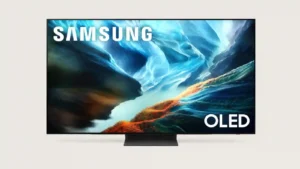
#1 Samsung S90H
4.5

Choose the S90H for bright-room OLED viewing, deep blacks and top-tier gaming without flagship pricing. Skip it if you want Dolby Vision, a glossy screen or the simplest smart-TV software.

Pros: glare resistance, black levels

Cons: Dolby Vision support, color gamut

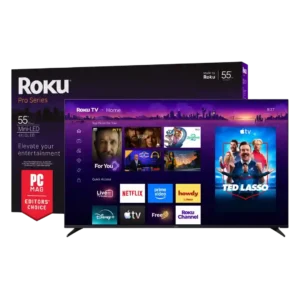
#2 Roku Pro Series (2025)
4.4

Best for bright Mini-LED picture, excellent built-in audio, easy Roku navigation, and responsive 4K/120 gaming. Skip it if you want ad-free menus, premium motion consistency, or stronger confidence in long-term...

Pros: overall satisfaction, picture quality

Cons: reliability, portability and versatility

#3 TCL QM8L
4.4

Choose the QM8L for a big, brilliantly bright TV with vivid HDR, deep mini-LED blacks, low input lag, and four HDMI 2.1 ports. Skip it if you need OLED-clean motion,...

Pros: picture quality, value for money

Cons: stand quality, judder handling

#4 LG G6
4.4

Choose the G6 for class-leading bright-room OLED picture, rich color, deep blacks and elite gaming. Skip it if you want strong built-in audio, polished launch firmware, no account sign-in, or...

Pros: picture quality, peak brightness

Cons: value for money, sound quality