Compare Hisense U65QF vs Sony Bravia 7 II

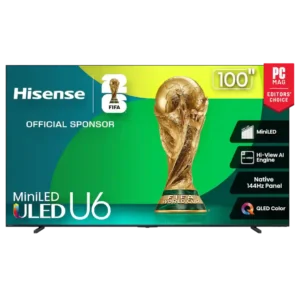
Hisense U65QF

Hisense U65QF

Overall score 4.2 / 5

Based on 17 scored reviews

vs
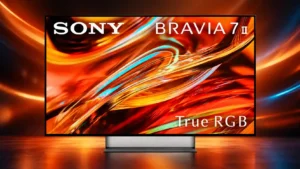
Sony Bravia 7 II

Sony Bravia 7 II

Overall score 4.2 / 5

Based on 41 scored reviews

How we score

Scorata scores summarize analyzed review evidence on a 1–5 scale; they are not laboratory measurements or a simple average of customer star ratings. Feature scores summarize the reviews covering that feature. The overall score averages feature scores within each review, then combines review averages. When both expert and customer evidence are available, those two groups receive equal weight. Products can have different review coverage, so small score gaps do not establish a winner.

Recommendations prioritize important features for the category, with a score of at least 3.5, a gap of at least 0.25 points and at least two supporting reviews per product. Features with widely varying scores or broad connectivity contexts are excluded from recommendations. These safeguards do not establish statistical significance.

Quick verdict

What each product is best for

The review evidence points to a tradeoff: setup ease and HDMI 2.1 port count versus input lag and gaming dashboard. Choose according to which strengths matter more to you; the overall score alone does not settle that choice.

Choose Hisense U65QF for setup ease and HDMI 2.1 port count.

Choose Sony Bravia 7 II for input lag and gaming dashboard.

Why these recommendations?

Hisense U65QF

Where It Has the Edge

  • setup ease is 5.0 vs 2.8. Setup is consistently easy, from attaching the feet to completing Fire TV initialization. Multiple reviewers describe the process...
  • HDMI 2.1 port count is 3.9 vs 1.9. Two HDMI 2.1 ports are often praised as unusually generous for the price, though some reviewers would prefer...
  • refresh rate is 5.0 vs 3.1. The high native refresh rate is praised for producing visibly smoother animation and gaming. At this price, 144Hz...

Sony Bravia 7 II

Where It Has the Edge

  • input lag is 4.8 vs 4.5. Input response is consistently fast, with measured lag around the low-10ms range at 60Hz and an even snappier...
  • gaming dashboard is 4.5 vs 1.8. The dedicated gaming bar makes it easy to reach game-specific settings without digging through the full TV menus.
  • content recommendations is 4.3 vs 2.2. Google TV and Gemini provide useful, personalized recommendations, with conversational discovery making it easier to find something to...
Hisense U65QF 4.2 overall score
Sony Bravia 7 II 4.2 overall score

Compare features

Scores are out of 5. Missing scores mean missing review evidence, not a missing feature.

Scored on both products

Performance

Picture quality
Hisense U65QF
4.7

Picture quality is the clearest strength: the U65QF is repeatedly described as unusually bright, colorful, crisp, and impressive for its price. Blooming, motion artifacts, and flatter depth versus pricier sets are the main qualifications.

Sony Bravia 7 II
4.7

Picture quality is the core attraction: vivid but controlled color, deep blacks, sharp detail and strong processing create a refined, dimensional image. A few critics prefer OLED or rival RGB models in tougher scenes.

Dark-room performance
Hisense U65QF
5.0

For dim-room movie viewing, one detailed account praises the combination of strong contrast and broad color coverage as especially well suited to film.

Sony Bravia 7 II
3.6

In a controlled room the TV can look cinematic, detailed and impressively close to OLED in many scenes. A few critical tests found some very dark material difficult to read without raising brightness and exposing other artifacts.

HDR performance
Hisense U65QF
4.0

HDR usually looks punchy and worthwhile, especially given the price, with bright highlights and strong contrast. A few sources are more reserved, calling it merely adequate or warning that entry-level HDR still trails higher-tier TVs.

Sony Bravia 7 II
5.0

HDR is a major strength, combining strong highlight detail, controlled blacks and excellent tone mapping without simply over-brightening dark scenes.

Daytime viewing performance
Hisense U65QF
4.5

Daytime viewing is generally strong because the TV gets bright enough to remain punchy in well-lit rooms. Reflection handling is less consistent, so window placement still matters.

Sony Bravia 7 II
3.8

The panel has enough brightness for sports and general daytime viewing, but direct windows and lamps can create distracting reflections. Bright rooms are its most context-dependent use case.

Soundstage
Hisense U65QF
4.5

The built-in speakers create a fuller and more spacious soundstage than expected for a budget flat-panel TV.

Sony Bravia 7 II
4.0

The TV can create a surprisingly wide, spacious stage, but some setups still make the sound feel tied to or behind the screen.

Gaming performance
Hisense U65QF
4.6

Gaming is a major strength across the set of reviews, with low lag, high refresh rates, strong HDR color, and responsive play repeatedly praised. Even the more cautious source still finds casual and cinematic gaming satisfying.

Sony Bravia 7 II
4.2

Gaming is fast, colorful and responsive for consoles, particularly PS5. Enthusiast PC gamers may be less satisfied by 120Hz, two HDMI 2.1 ports and slower pixel transitions.

Peak brightness
Hisense U65QF
4.9

Peak brightness is a standout strength, with several tests and hands-on accounts describing the set as exceptionally bright for a budget model. That brightness gives highlights and everyday viewing more punch.

Sony Bravia 7 II
4.5

Peak output is strong enough for impactful HDR and bright-room use, though measured results vary substantially by mode and some competing RGB sets are brighter.

Contrast ratio
Hisense U65QF
4.5

Contrast is a major strength, helped by mini-LED local dimming and bright highlights. Dark-versus-bright scenes often look punchy and dimensional for the price.

Sony Bravia 7 II
4.2

Contrast is generally strong, with bright highlights set against deep blacks, but OLED still produces cleaner absolute blacks and stronger pinpoint contrast in the toughest scenes.

Sound quality
Hisense U65QF
4.3

Built-in sound is better than expected in many reviews, often good enough for casual use without a cheap soundbar. Tom's Guide is less impressed and calls it merely passable, so demanding listeners may still want external audio.

Sony Bravia 7 II
3.9

Built-in sound is above average in several tests, with good clarity, bass and useful volume. Other tests find it contained, shouty or not worthy of the picture, so a soundbar remains sensible for movies.

Overall image accuracy
Hisense U65QF
4.3

Accurate picture modes can look very natural when selected carefully. Movie and Dolby Vision Dark modes receive the strongest comments for a balanced, reference-like image.

Sony Bravia 7 II
4.5

The TV can be exceptionally faithful to creative intent, with several tests calling its tuning reference-like. Accuracy depends on mode, and some factory presets show red or white-balance errors.

Display technology
Hisense U65QF
4.8

Mini-LED backlighting is widely treated as a major reason this budget set punches above its class, especially for contrast and local light control. One source credits it directly for the TV's strong value-oriented picture.

Sony Bravia 7 II
4.6

True RGB is treated as a meaningful step forward for LCD, especially for color volume and backlight control. It narrows several OLED advantages without eliminating every LCD limitation.

Bass performance
Hisense U65QF
3.9

Bass is surprisingly capable for a TV and the built-in subwoofer adds useful weight, but opinions vary on balance and cleanliness. One source finds the low end mediocre and distorted under stress.

Sony Bravia 7 II
3.8

Built-in bass is stronger than typical TV audio and can add convincing punch, but some listening tests found it hollow, thick or lacking control in demanding scenes.

HDR brightness
Hisense U65QF
4.4

HDR brightness is broadly praised and often measured near or above 1,000 nits, giving highlights real impact. A minority view is less enthusiastic, especially for smaller sizes or when comparing HDR output with stronger step-up models.

Sony Bravia 7 II
4.3

HDR is bright and impactful enough to make highlights pop and colors stay vivid. Measurements vary by mode and source, and several rivals can go brighter.

Local dimming performance
Hisense U65QF
4.8

Local dimming is one of the most praised picture features, producing strong contrast and impressive black control when viewed head-on. Haloing becomes more visible in some difficult scenes and off-axis positions.

Sony Bravia 7 II
4.9

Local dimming is exceptionally well controlled for an LCD, balancing deep blacks with bright highlights without obvious brightness pumping in most real content.

Color accuracy
Hisense U65QF
4.5

Color accuracy is consistently strong, with several measurements and viewing tests describing natural, balanced color. A small amount of oversaturation appears in a few modes or demos, but the overall color presentation is highly rated.

Sony Bravia 7 II
4.5

Color is the defining strength: it is usually rich, natural and highly accurate without looking cartoonish. A minority of tests found oversaturated reds, warm white balance or skin-tone errors in some modes.

Other features

Motion handling
Hisense U65QF
4.1

Motion is generally smooth in sports, games, and action scenes, but it is not flawless. Several sources mention ghosting or blur in fast motion, while others report excellent smoothness with no choppiness.

Sony Bravia 7 II
4.4

Motion is usually smooth, composed and artifact-free, continuing a traditional Sony strength. A few critical tests found less of an advantage over rivals than expected.

Input lag
Hisense U65QF
4.5

Input lag is consistently low, commonly around 13 ms at 4K/60 and lower at faster modes. Reviewers generally describe the delay as barely perceptible or comfortably within good-gaming territory.

Sony Bravia 7 II
4.8

Input response is consistently fast, with measured lag around the low-10ms range at 60Hz and an even snappier feel at 120Hz.

Response time
Hisense U65QF
5.0

Gaming response feels fast and fluid in the source that evaluates response time directly.

Sony Bravia 7 II
2.0

Pixel transitions in Game Mode can be slow enough to create visible motion blur in fast titles, despite otherwise low input lag.

Cable management
Hisense U65QF
2.0

Cable management is weak. Side-facing connections can leave cables visibly sticking out, which works against a clean, minimal installation.

Sony Bravia 7 II
4.9

The Mirage Stand’s cable-hiding trick is a consistent design highlight, making power and HDMI leads nearly disappear from the front.

Gaming dashboard
Hisense U65QF
1.8

The gaming dashboard is a clear weakness: multiple sources complain that there is no dedicated game bar or gaming settings menu.

Sony Bravia 7 II
4.5

The dedicated gaming bar makes it easy to reach game-specific settings without digging through the full TV menus.

Wall-mount compatibility
Hisense U65QF
4.5

Wall mounting is straightforward and can produce a relatively slim, tidy profile despite the TV's mini-LED depth.

Sony Bravia 7 II
2.2

The relatively thick chassis is a poor fit for buyers who want a flush, ultra-slim wall installation.

Content recommendations
Hisense U65QF
2.2

Content recommendations tend to lean heavily toward Amazon material, and multiple sources find that emphasis cluttered or overly ecosystem-driven.

Sony Bravia 7 II
4.3

Google TV and Gemini provide useful, personalized recommendations, with conversational discovery making it easier to find something to watch.

Stand width
Hisense U65QF
3.0

Stand width is a mild usability concern because the feet use one wide position; a narrower alternative would fit smaller furniture more easily.

Sony Bravia 7 II
5.0

The central pedestal lets the TV fit on narrower furniture more easily than widely spaced feet.

HDMI 2.1 port count
Hisense U65QF
3.9

Two HDMI 2.1 ports are often praised as unusually generous for the price, though some reviewers would prefer every HDMI input to support the full high-speed feature set.

Sony Bravia 7 II
1.9

Only two of the four HDMI inputs are full-bandwidth HDMI 2.1, and one doubles as eARC. This is the most repeated hardware complaint, especially for multi-console setups.

Refresh rate
Hisense U65QF
5.0

The high native refresh rate is praised for producing visibly smoother animation and gaming. At this price, 144Hz capability is repeatedly treated as a premium-level feature.

Sony Bravia 7 II
3.1

A native 120Hz panel is ideal for current consoles, but it looks conservative beside PC-focused rivals offering 144Hz, 165Hz or higher.

Dirty screen effect
Hisense U65QF
4.5

Dirty-screen performance is reported as solid, with only minor unevenness expected from time to time.

Sony Bravia 7 II
3.0

Fast gaming scenes can occasionally look muddied by a dirty-screen-like effect, but it does not appear constantly.

Low-resolution content handling
Hisense U65QF
4.3

Lower-resolution material holds up better than expected, especially with the TV's processing enabled. Minor artifacts can appear, but they are usually described as small rather than distracting.

Sony Bravia 7 II
3.0

Sony can make DVDs and weak sources look impressively clean, but not every source benefits; some tests found older video overprocessed or artificial.

Maximum volume
Hisense U65QF
3.5

Volume is adequate to room-filling in normal use, but high levels can introduce metallic harshness in one demanding audio test.

Sony Bravia 7 II
4.8

The speakers can play surprisingly loud for a TV without immediately falling apart, making them usable in more than just a small room.

Screen uniformity
Hisense U65QF
3.5

Screen uniformity is mixed: one source sees only minor corner vignetting and another reports clean brightness distribution, while a separate test calls black uniformity imperfect in fully dark scenes.

Sony Bravia 7 II
4.8

Uniformity is consistently strong, with clean dark fields and little cloudiness across the panel.

Blooming control
Hisense U65QF
3.4

Blooming control is mixed. Some testers saw very little haloing even in harsh bright-on-black tests, while others found visible bloom around highlights, subtitles, credits, or off-angle images.

Sony Bravia 7 II
4.4

Blooming control is one of the TV’s standout strengths, with halos often barely visible in normal head-on viewing. Blooming becomes easier to see off-axis, around subtitles or in stress-test patterns.

Glare resistance
Hisense U65QF
3.4

Glare resistance is similarly mixed. Several bright-room tests find it manageable or very good, but other sources warn that reflections can be obvious and may require more careful room lighting.

Sony Bravia 7 II
2.4

Glare control is a recurring weakness because the 7 II lacks the flagship’s anti-reflective coating. Some owners may find the semi-gloss screen acceptable, but direct light can be distracting.

Distortion control
Hisense U65QF
3.5

Distortion control is mixed: one source hears only slight musical harshness and another reports clean output as volume rises, while Tom's Guide finds obvious bass distortion at high stress.

Sony Bravia 7 II
4.5

The speakers stay impressively clean at high volume most of the time, though extreme bass can introduce a small amount of crackle.

Energy efficiency
Hisense U65QF
4.0

One source describes brightness and SDR output as balancing performance with energy efficiency, giving the TV a positive but limited efficiency assessment.

Sony Bravia 7 II
5.0

The native RGB backlight is praised for delivering very high brightness with unusually efficient light production and lower power waste.

Gradient handling
Hisense U65QF
4.0

Dolby Vision gradations are described as smooth and controlled, although HDR10 transitions can look more abrupt in demanding sequences.

Sony Bravia 7 II
5.0

Gradients are exceptionally smooth in most content, with difficult skies and color transitions showing very little banding.

Judder handling
Hisense U65QF
5.0

Movie and cable playback are described as smooth without obvious judder or jitter in the source that tests this behavior directly.

Sony Bravia 7 II
4.0

Film motion is mostly judder-free, and the small amount that can appear is easy to reduce with a modest MotionFlow adjustment.

Calibration options
Hisense U65QF
4.6

Calibration and picture adjustment options are strong, with granular controls, multiple presets, motion tuning, local-dimming adjustment, and tone-mapping flexibility available to enthusiasts.

Sony Bravia 7 II
3.7

Sony provides useful picture modes and calibrated presets, but the lack of a full color-management system frustrates enthusiasts. Some settings are also less intuitive than they should be.

Remote layout
Hisense U65QF
3.2

Remote layout divides opinion. One source praises the intuitive button arrangement, but others complain that the remote lacks a dedicated input/source button.

Sony Bravia 7 II
4.1

The remotes are generally easy to understand with useful direct-access buttons, though button placement and reduced controls do not please everyone.

Color volume
Hisense U65QF
4.0

Color volume gets sharply different reactions. Two hands-on reviewers praise vivid, rich color, while a buyer's guide warns that the wider color coverage is relatively weak compared with higher-end sets.

Sony Bravia 7 II
4.9

True RGB delivers exceptional color volume, preserving vivid reds, greens and blues even at high brightness instead of washing them toward white.

Motion clarity
Hisense U65QF
4.5

Fast sports motion is reported to retain sharpness well, helping moving subjects stay easy to follow.

Sony Bravia 7 II
3.6

Fast motion can look clean and well defined in films and sports, but gaming tests exposed blur from relatively slow pixel transitions.

Gaming mode quality
Hisense U65QF
4.0

Game Mode is described as looking very good and offering substantial picture customization, even though it lacks some step-up-model conveniences.

Sony Bravia 7 II
4.9

Game Mode keeps brightness high while minimizing latency, and PlayStation-specific automation makes the experience especially seamless.

Viewing angles
Hisense U65QF
3.2

Viewing angles are one of the biggest points of disagreement. PCMag and one sponsored review find them quite good, but most other hands-on sources warn that contrast, blacks, or color degrade noticeably away from center.

Sony Bravia 7 II
4.0

Off-axis performance is much better than conventional VA-based Mini-LED in many tests, preserving color surprisingly well. Other tests still see contrast loss, washout or extra blooming from the side.

Auto low-latency mode
Hisense U65QF
3.8

ALLM is praised as a useful HDMI 2.1 gaming feature where supported. One conflicting article says the TV lacks it, while other sources include it in the modern-console feature set.

Sony Bravia 7 II
4.5

ALLM is a useful part of the gaming package, automatically helping consoles get a low-latency presentation without manual mode switching.

Search quality
Hisense U65QF
5.0

The demonstrated content search is described as quick and easy, returning relevant entertainment choices without much effort.

Sony Bravia 7 II
4.4

Gemini’s conversational search is a useful upgrade, allowing natural-language discovery by topic, mood or follow-up request.

Banding control
Hisense U65QF
5.0

One detailed source reports streaming images without visible banding or artifacts, suggesting clean gradient reproduction in normal content.

Sony Bravia 7 II
4.4

True RGB and Sony’s processing usually produce exceptionally smooth gradients with little visible color banding. One test found distracting light banding from direct reflections, so lighting conditions can still expose artifacts.

Stand quality
Hisense U65QF
4.0

The stand feet are basic but functional, doing their job without adding much visual or mechanical sophistication.

Sony Bravia 7 II
4.5

The central Mirage Stand is sturdy, attractive and unusually practical, with its floating illusion earning repeated praise.

Variable refresh rate
Hisense U65QF
4.0

VRR is mostly viewed positively and contributes to smooth, tear-free play. One source says it is unavailable, and another finds it can be finicky depending on the HDMI input used.

Sony Bravia 7 II
4.5

VRR works reliably across console and PC use, with HDMI VRR and G-SYNC helping smooth frame-rate changes.

Image processing
Hisense U65QF
5.0

Image processing earns unusually strong praise, particularly for AI super-resolution, contrast enhancement, and its ability to keep bright presets from falling apart. The processing is treated as a meaningful advantage over ultra-budget sets.

Sony Bravia 7 II
4.6

Sony’s processing remains a major advantage for detail, motion, scaling and tonal control. A small number of critical tests found some enhancements ineffective or overaggressive.

Reflection handling
Hisense U65QF
3.3

Reflection handling varies substantially by source and size. Some testers find reflections well controlled or diffused, while another calls the glossy screen a reflection magnet.

Sony Bravia 7 II
2.9

Reflection handling is the clearest environmental weakness. The semi-gloss screen can show mirror-like windows and lamps, although some hands-on tests found it improved enough for ordinary rooms.

High-refresh-rate gaming
Hisense U65QF
4.3

High-refresh gaming is usually a standout strength, especially for PC use and 120Hz-capable consoles. One conflicting source describes a 60Hz ceiling, while another cautions that the full 144Hz benefit is mainly for PC gaming.

Sony Bravia 7 II
4.0

The TV is well suited to 120Hz console gaming, but its ceiling is less ambitious than newer 144Hz-and-higher competitors.

Shadow detail
Hisense U65QF
4.1

Shadow detail is usually preserved well, with dark scenes retaining texture instead of collapsing into gray or crushed blacks. Aggressive tone mapping in one account can still sacrifice some dark detail.

Sony Bravia 7 II
4.5

The TV usually preserves subtle near-black texture without lifting the whole image, a major reason dark films look detailed and cinematic. One critical test found some very dark scenes too difficult to read.

Advertising intrusiveness
Hisense U65QF
1.7

Advertising is the clearest smart-platform complaint. Fire TV is repeatedly described as heavy on promotions or unrelated product ads, and this is one of the strongest recurring negatives.

Sony Bravia 7 II
2.0

Google TV’s home screen is not ad-free, and large promotional banners can be distracting.

Overall satisfaction
Hisense U65QF
4.7

Overall satisfaction is very high: all 17 sources contain a positive product-level judgment, often describing the U65QF as an excellent value or standout budget TV. The strongest reservations center on Fire TV, off-angle viewing, blooming, and a few conflicting gaming/HDR claims.

Sony Bravia 7 II
4.4

The broad consensus is highly positive because the TV combines premium color, processing and black control at a lower cost than Sony’s flagship. The main dissent centers on reflections, HDMI limits and whether OLED or cheaper rivals offer better value.

Upscaling quality
Hisense U65QF
4.3

Upscaling is generally good, with 1080p and sub-1080p material gaining useful detail and staying watchable. One test calls it merely decent and notes minor artifacts.

Sony Bravia 7 II
4.1

Upscaling is generally a Sony strength and can rescue low-resolution or compressed sources impressively. A few tests found Reality Creation too aggressive on weaker material.

Motion interpolation
Hisense U65QF
3.3

Motion interpolation is highly adjustable, which some viewers will appreciate. One reviewer strongly dislikes the default soap-opera effect, while another praises the flexibility to tune judder and smoothness.

Sony Bravia 7 II
3.5

Sony’s interpolation can look exceptionally polished when tuned well, but the default processing can also introduce glitches or brief blur in difficult scenes.

Stand stability
Hisense U65QF
5.0

The stand is described as steady and grounded in the source that comments directly on stability.

Sony Bravia 7 II
4.8

The heavy metal base feels secure and rock-solid once assembled.

Black levels
Hisense U65QF
4.4

Black levels are generally strong for an LCD mini-LED TV, with several accounts describing deep or nearly black dark areas. A few sources still see grayish blacks or weaker depth in demanding conditions and off-axis viewing.

Sony Bravia 7 II
4.6

Head-on black levels are often described as deep, inky and unusually OLED-like for an LCD. OLED still retains the edge in the hardest dark scenes, and a few tests noted slightly raised or tinted near-blacks.

Remote control quality
Hisense U65QF
3.8

Remote quality is mixed: some reviewers like the ergonomic, simple design, while others miss the backlighting and see it as a downgrade from Hisense's higher models.

Sony Bravia 7 II
3.9

Remote impressions vary by package: some units get a premium backlit rechargeable design, while standard remotes can feel light, cheap or frustratingly unlit.

Color gamut
Hisense U65QF
4.7

Wide-gamut performance is generally strong for the price, with near-full cinema-gamut coverage reported in some measurements. It is not uniformly flagship-level, but the consensus is positive.

Sony Bravia 7 II
4.8

The TV reaches an unusually wide gamut for an LCD and keeps saturated colors strong in HDR. Its measured coverage is repeatedly competitive with premium OLED and RGB rivals.

Dialogue clarity
Hisense U65QF
4.3

Dialogue is generally clear and easy to follow, with voices staying articulate even at lower listening levels or in busy scenes.

Sony Bravia 7 II
4.3

Speech is usually crisp and easy to follow, and Sony’s dialogue tools can help further. Some tests found male voices a little thick or the overall tonal balance less natural than expected.

Resolution
Hisense U65QF
5.0

Native 4K presentation is described as consistently crisp, with fine detail holding up well across normal viewing distances.

Sony Bravia 7 II
5.0

4K material looks crisp and highly detailed, with games and movies gaining convincing depth and texture.

Stutter handling
Hisense U65QF
5.0

Sports playback can remain smooth and consistent without choppiness, indicating strong stutter control in that test.

Sony Bravia 7 II
5.0

120fps VRR gaming showed no noticeable micro-stutter in hands-on play.

Ownership and support

Casting support
Hisense U65QF
2.0

Casting support is a notable weakness for Android/Chrome users because several sources criticize the loss of Google Cast. Other mirroring methods remain available, but they do not erase that complaint.

Sony Bravia 7 II
5.0

Casting worked reliably in hands-on use and avoided glitches seen on at least one competing RGB TV.

FreeSync support
Hisense U65QF
5.0

FreeSync support is consistently treated as a strong gaming benefit, contributing to smooth and responsive variable-refresh play.

Sony Bravia 7 II
2.0

FreeSync is missing, which is a drawback for gamers who specifically rely on AMD’s branded VRR implementation.

HDR10+ support
Hisense U65QF
5.0

HDR10+ support contributes to the TV's unusually broad HDR compatibility, a feature set praised as excellent for the price.

Sony Bravia 7 II
2.0

HDR10+ is absent, and several sources call that omission disappointing on a premium-priced TV.

HDR format support
Hisense U65QF
5.0

HDR format support is a clear strength, with the major formats repeatedly praised as unusually complete for this price tier.

Sony Bravia 7 II
2.0

The format lineup is strong but incomplete because HDR10+ is missing, an omission that feels harder to justify at this price.

4K at 144 Hz support
Hisense U65QF
4.4

144Hz support is widely praised as exceptional at this price, particularly for PC gaming. One conflicting source describes a 60Hz limit, making the coverage unusually inconsistent across the supplied material.

Sony Bravia 7 II
2.0

The TV tops out at 120Hz at 4K, leaving PC gamers without the 144Hz-and-higher options available on several rivals.

Setup ease
Hisense U65QF
5.0

Setup is consistently easy, from attaching the feet to completing Fire TV initialization. Multiple reviewers describe the process as straightforward, quick, or exceptionally simple.

Sony Bravia 7 II
2.8

Basic setup is manageable, but stand assembly and account sign-in can add friction compared with simpler snap-in designs.

Value for money
Hisense U65QF
4.9

Value for money is the strongest consensus point. Nearly every source describes the U65QF as an exceptional bargain, especially when discounted, because it combines mini-LED brightness, gaming features, large sizes, and solid sound at budget-oriented prices.

Sony Bravia 7 II
3.6

Value depends heavily on sale price and what it is compared against. It looks compelling beside the far pricier Bravia 9 II, but OLED and cheaper RGB rivals make full retail pricing harder to defend.

4K gaming support
Hisense U65QF
4.6

4K gaming is generally praised for crisp detail, smooth response, and strong console compatibility. One source is more cautious about the highest-end gaming features, but still finds casual 4K play satisfying.

Sony Bravia 7 II
5.0

PS5 games look excellent in 4K, with rich color, crisp detail and responsive play.

4K at 120 Hz support
Hisense U65QF
4.3

Most gaming-focused sources present 4K/120 as ready for modern consoles and more than adequately supported. One conflicting article claims native 120Hz is absent, so this attribute is not unanimous.

Sony Bravia 7 II
4.6

4K/120Hz works well for current consoles and is repeatedly praised as enough for PS5 and Xbox gaming. The limitation is that only two HDMI inputs can carry the full signal.

Dolby Atmos support
Hisense U65QF
4.3

Dolby Atmos is a useful addition and can enhance the perceived height or spaciousness of sound, but built-in speakers do not replace a true Atmos speaker layout.

Sony Bravia 7 II
4.5

Dolby Atmos content benefits from the built-in speaker system’s power and spaciousness, making the format worthwhile even before adding external audio.

Controls and connectivity

App performance
Hisense U65QF
5.0

App switching is described as nearly lag-free in the source that measures platform performance directly.

Sony Bravia 7 II
3.3

Apps are generally usable and smooth, but occasional loading delays and stutters keep performance from feeling consistently premium.

Tone mapping
Hisense U65QF
3.2

Tone mapping is one of the more mixed areas. Some sources praise flexible controls and balanced highlight handling, while others report clipping or an aggressive approach that can lose texture and shadow detail.

Sony Bravia 7 II
4.9

Sony’s tone mapping is repeatedly praised for preserving highlight and shadow detail while respecting the intended overall brightness of the scene.

Voice assistant support
Hisense U65QF
3.0

Alexa is useful for voice search and smart-home control, but several sources dislike the lack of an onboard far-field microphone. Voice support is therefore functional but less hands-free than some competing TVs.

Sony Bravia 7 II
4.5

Gemini adds a capable conversational assistant layer to Google TV, especially for finding content and answering follow-up requests.

Smart TV platform
Hisense U65QF
3.1

The smart-TV platform is the most divisive part of the product. Several reviewers call Fire TV cluttered, ad-heavy, or a step down from Google TV, while others find it clean, familiar, smooth, and easy for non-technical users.

Sony Bravia 7 II
4.5

Google TV is broadly praised for app coverage, discoverability and familiar navigation. Ads and occasional performance hiccups are the main drawbacks.

Menu responsiveness
Hisense U65QF
5.0

Where menu responsiveness is tested directly, navigation and app switching feel quick and smooth.

Sony Bravia 7 II
4.3

Quick Settings and My Cinema make common adjustments easy to reach, although deeper picture controls can feel layered or confusing.

Smart home integration
Hisense U65QF
4.6

Alexa-based smart-home integration is consistently praised, especially for users already invested in Amazon devices. Reviewers like being able to control connected devices or access camera-related functions from the TV.

Sony Bravia 7 II
4.0

Google Home integration gives the TV useful control and visibility within a broader smart-home setup.

Software updates
Hisense U65QF
4.0

Software updates are described as routine and useful for app stability and system maintenance, though the cadence is said to be less aggressive than some rival platforms.

Sony Bravia 7 II
3.5

A firmware-related lip-sync issue was reported, but confidence was expressed that Sony would address it quickly.

Streaming app support
Hisense U65QF
4.6

Streaming-service coverage is broad and includes the major services most buyers expect, so an external streamer is not required for app availability alone.

Sony Bravia 7 II
5.0

Mainstream streaming coverage is excellent, with no meaningful gaps called out across the major services.

App selection
Hisense U65QF
4.6

App selection is a consistent strength, with major streaming services covered and some reviewers unable to identify any important missing app.

Sony Bravia 7 II
4.9

Google TV offers an exceptionally broad app catalog, with the major streaming services and plenty of downloadable options covered.

Operating system speed
Hisense U65QF
3.7

Operating-system speed is mixed by source. Some testers find Fire TV or the described smart platform fast and snappy, while others warn that Fire TV feels slower outside Amazon content and may worsen as the processor ages.

Sony Bravia 7 II
3.7

Google TV is generally smooth and polished once running, but occasional app stutters and slow cold starts keep it from feeling uniformly fast.

Comfort and build

Design and appearance
Hisense U65QF
4.1

Design is generally clean, simple, and appropriate for the price, with slim bezels and understated styling. It is not universally seen as premium, and stand placement limits flexibility for some furniture.

Sony Bravia 7 II
4.7

The floating Mirage Stand and restrained front design make the TV look distinctive and premium, even though the chassis itself is thicker than an OLED.

Bezel size
Hisense U65QF
4.7

Bezels are consistently praised as thin or nearly edge-free, helping the picture dominate the front of the TV.

Sony Bravia 7 II
4.5

The slim bezels reinforce the floating, screen-first look and help the set appear sleeker from the front.

Build quality
Hisense U65QF
4.0

Build quality ranges from merely adequate plastic construction to surprisingly good fit and finish. The common view is functional and solid rather than truly premium.

Sony Bravia 7 II
4.2

The chassis and metal stand feel solid and secure, although the TV is bulkier and deeper than many premium alternatives.

Size options
Hisense U65QF
4.9

Size choice is a major strength, with the lineup spanning mainstream screens through very large 85- and 100-inch options. Reviewers especially like the ability to buy a huge screen without moving into flagship pricing.

Sony Bravia 7 II
4.8

The unusually broad 50- to 98-inch range is a major advantage, especially for buyers who want premium RGB performance in smaller rooms.

Evidence available for one product

Ownership and support

Reliability
Hisense U65QF
2.0

A single dead-pixel report raises a quality-control caution, but there is not enough repeated durability discussion to establish a broader reliability pattern.

Sony Bravia 7 IINo score yet
Chromecast support
Hisense U65QFNo score yet
Sony Bravia 7 II
4.5

Built-in Chromecast adds convenient everyday casting to an already strong Google TV streaming experience.

Dolby Vision support
Hisense U65QF
5.0

Dolby Vision is particularly well regarded when the right preset is used. Dolby Vision Dark is favored for accuracy, while another account finds Dolby Vision smoother and more cinematic than HDR10 in difficult gradations.

Sony Bravia 7 IINo score yet
DTS support
Hisense U65QFNo score yet
Sony Bravia 7 II
4.5

DTS:X playback is handled well by the integrated audio system and contributes to a broader, more cinematic presentation.

EARC support
Hisense U65QF
4.5

ARC/eARC is described as working well with external soundbars and receivers, making it easy to expand beyond the built-in audio.

Sony Bravia 7 IINo score yet
HDMI 2.1 support
Hisense U65QF
4.3

HDMI 2.1 capability is a major source conflict: most hands-on reviews praise it for modern console and PC gaming, while one article says the TV lacks HDMI 2.1 entirely. Where present, it is treated as a strong value feature.

Sony Bravia 7 IINo score yet
Headphone support
Hisense U65QFNo score yet
Sony Bravia 7 II
4.5

Bluetooth headphones are a convenient option for private listening and work well for late-night viewing.

Tuner support
Hisense U65QF
3.5

Tuner support is unusually conflicted: one source praises an ATSC 3.0 tuner as rare at this price, while another says the built-in tuner is ATSC 1.0 and cannot deliver over-the-air 4K.

Sony Bravia 7 IINo score yet
Warranty
Hisense U65QFNo score yet
Sony Bravia 7 II
5.0

The optional Pro package’s three-year on-site replacement coverage adds meaningful peace of mind over the standard one-year warranty.

Other features

Account requirements
Hisense U65QFNo score yet
Sony Bravia 7 II
2.5

Google TV setup can require a Google account, and one installation hit enough sign-in friction to require manual email and password entry.

Ambient Experience
Hisense U65QF
4.3

Ambient Experience is viewed as a fun, distinctive extra that can turn the idle screen into art, widgets, or generated backgrounds. It is liked, but not considered essential to the buying decision.

Sony Bravia 7 IINo score yet
Color crosstalk
Hisense U65QFNo score yet
Sony Bravia 7 II
3.7

Sony’s True RGB implementation usually keeps adjacent colors clean with little contamination, though a few demanding scenes and settings can still trigger color bleeding or shifts.

G-SYNC compatibility
Hisense U65QFNo score yet
Sony Bravia 7 II
4.5

G-SYNC support broadens PC gaming compatibility and gives Nvidia users a useful variable-refresh option.

HDMI port count
Hisense U65QF
4.0

The overall port selection is considered solid, with four HDMI inputs providing enough connectivity for a typical console, streamer, and audio setup.

Sony Bravia 7 IINo score yet
Panel type
Hisense U65QFNo score yet
Sony Bravia 7 II
3.5

The LCD foundation delivers impressive brightness and near-OLED blacks, but it still cannot fully match self-emissive OLED for absolute black, off-axis consistency and pinpoint contrast.

Portability and versatility
Hisense U65QFNo score yet
Sony Bravia 7 II
2.5

The set is relatively thick and heavy for a premium TV, so it is less graceful to move or integrate than slimmer OLED models.

Screen mirroring
Hisense U65QF
4.5

Screen mirroring works smoothly for casual photos, presentations, and video in the source that evaluates it directly, though it is not intended for low-latency gaming.

Sony Bravia 7 IINo score yet

Performance

Audio/video sync
Hisense U65QFNo score yet
Sony Bravia 7 II
2.5

A firmware update was reported to introduce lip-sync issues, although the problem was not experienced consistently and was expected to be fixable in software.

Noise reduction
Hisense U65QF
5.0

Noise reduction is specifically praised for keeping bright, aggressive presets clean without introducing obvious artifacts.

Sony Bravia 7 IINo score yet
Sustained brightness
Hisense U65QFNo score yet
Sony Bravia 7 II
4.5

Full-screen brightness is strong for the class, though the 7 II gives up substantial sustained output to the Bravia 9 II.

White balance accuracy
Hisense U65QFNo score yet
Sony Bravia 7 II
5.0

White balance is notably stable, even when the panel is driven to high brightness.

Controls and connectivity

Bluetooth audio support
Hisense U65QFNo score yet
Sony Bravia 7 II
4.5

Bluetooth headphone use is a genuinely useful option for private late-night viewing.

Bluetooth connectivity
Hisense U65QFNo score yet
Sony Bravia 7 II
4.5

Bluetooth pairing worked smoothly with wireless headphones and proved useful for private listening.

Review contexts may differ, so use caution when interpreting the score gap.

Privacy controls
Hisense U65QFNo score yet
Sony Bravia 7 II
4.0

A physical microphone switch provides a useful hardware privacy control for users who do not want the TV listening for voice commands.

Voice control accuracy
Hisense U65QF
4.0

Voice recognition is reported to work effectively in quiet environments, though its natural-language depth is described as more limited than dedicated smart displays.

Sony Bravia 7 IINo score yet
Wi-Fi performance
Hisense U65QF
5.0

One detailed account reports stable Wi-Fi streaming of high-bitrate 4K HDR without noticeable buffering or quality loss.

Sony Bravia 7 IINo score yet

Other Top TVs to Consider

#1 Samsung S90H
4.5

Choose the S90H for bright-room OLED viewing, deep blacks and top-tier gaming without flagship pricing. Skip it if you want Dolby Vision, a glossy screen or the simplest smart-TV software.

Pros: glare resistance, black levels

Cons: Dolby Vision support, color gamut

#2 Roku Pro Series (2025)
4.4

Best for bright Mini-LED picture, excellent built-in audio, easy Roku navigation, and responsive 4K/120 gaming. Skip it if you want ad-free menus, premium motion consistency, or stronger confidence in long-term...

Pros: overall satisfaction, picture quality

Cons: reliability, portability and versatility

#3 TCL QM8L
4.4

Choose the QM8L for a big, brilliantly bright TV with vivid HDR, deep mini-LED blacks, low input lag, and four HDMI 2.1 ports. Skip it if you need OLED-clean motion,...

Pros: picture quality, value for money

Cons: stand quality, judder handling

#4 LG G6
4.4

Choose the G6 for class-leading bright-room OLED picture, rich color, deep blacks and elite gaming. Skip it if you want strong built-in audio, polished launch firmware, no account sign-in, or...

Pros: picture quality, peak brightness

Cons: value for money, sound quality