
The Housemaid
Where It Has the Edge
- score quality is 5.0 vs 2.3. The score is praised for carrying emotion and adapting smoothly to comedy, danger, and quieter tension.

Scorata scores summarize analyzed review evidence on a 1–5 scale; they are not laboratory measurements or a simple average of customer star ratings. Feature scores summarize the reviews covering that feature. The overall score averages feature scores within each review, then combines review averages. When both expert and customer evidence are available, those two groups receive equal weight. Products can have different review coverage, so small score gaps do not establish a winner.
Recommendations prioritize important features for the category, with a score of at least 3.5, a gap of at least 0.25 points and at least two supporting reviews per product. Features with widely varying scores or broad connectivity contexts are excluded from recommendations. These safeguards do not establish statistical significance.
Quick verdict
The available evidence supports the recommendation below, but does not establish an overall winner. Check the remaining features against your priorities.
Choose The Housemaid for score quality.
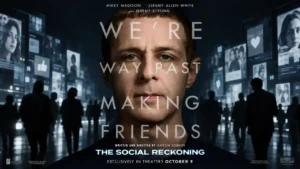
There is not enough comparable review evidence to recommend The Social Reckoning over the other product.
No clear scored advantage over the other product.
Scores are out of 5. Missing scores mean missing review evidence, not a missing feature.
The score is praised for carrying emotion and adapting smoothly to comedy, danger, and quieter tension.
The music occasionally earns praise for subtle momentum or orchestral support. More frequent complaints describe it as forgettable, distracting, tonally inconsistent or too insistent during the climactic testimony and riot scenes.
Most book-aware reviewers find the adaptation highly faithful, with selective changes that sharpen the cinematic climax; one dissenter feels Hollywood flattened the novel.
Critical responses question dramatic inventions and rearranged chronology when adapting real reporting. Those choices can undermine the film’s insistence on truth and accountability.
The late body-horror turn is welcomed by some for its cathartic punch, while others find the bloodshed excessive or disturbing.
The riot reenactment is criticized as distressing or dramatically mishandled. Its harsh emotional effect and narrow, melodramatic framing can make the sequence difficult to watch without making it more effective.
One critic argues that the storytelling undercuts the feminist viewpoint it appears to champion.
The warning about profit-driven algorithms and the value of journalism is widely considered important. Its force is disputed when obvious conclusions, political omissions or overly reassuring victories replace a convincing account of consequences.
Clean thriller lighting and gliding camera movement earn praise, although one critic calls the overall sheen dull and televisual.
A few responses admire arresting rehearsal-room images and contrasts with warmer private meetings. More often, the gray palette, static compositions and safe framing are criticized for lacking atmosphere and cinematic energy.
The steamier romantic material works for some viewers, even as other critics see little believable chemistry.
The quasi-romantic framing of confidential meetings and banter does not convince its critics. They find it distracting when the source-reporter relationship should carry the investigation on professional terms.
The violent, campy finish is often praised as satisfying and impactful, although a few critics find it messy or over-explained.
The climactic testimony and underdog triumph inspire some, but repeated complaints target the optimistic payoff and riot crosscutting. Facebook’s continuing power makes the promised reckoning feel incomplete or misleading.
Paul Feig earns praise for managing tension and camp, but harsher critics fault his restraint, visual control, and handling of serious themes.
Sorkin’s direction can keep the investigation engaging and give performers room to land the words. A common reservation is that flat staging, limited visual confidence and heavy-handed climactic choices do not match the writing’s potential.
The heightened dialogue fits the pulpy tone for some viewers, but awkward lines also draw unintended laughter.
Rapid exchanges, sharp analogies and accessible explanations remain major attractions for fans of Sorkin’s voice. Repeated speeches, unnatural sophistication and clumsy punchlines can turn that same verbal density into a burden.
The movie generates real edge-of-seat tension once it accelerates, though predictable foreshadowing weakens the mystery for experienced thriller fans.
Some feel tightly held by the investigation and the Burr–Zuckerberg confrontations. Many others never sense a credible threat to the whistleblower, and find the riot climax an artificial attempt to supply tension.
Editing is a weak spot in the harshest reactions, with choppy assembly and chaotic shot flow disrupting scenes.
The timeline and intercut investigations help some viewers track developments and retain attention. Others find the chronology distracting, the dialogue cutting sluggish, and the final riot/testimony crosscutting dramatically counterproductive.
The plot is tightly constructed enough for some, yet extended explanations, coincidences, and shaky logic make it feel convoluted to others.
Many appreciate how the film explains algorithms, data and a complicated reporting process in accessible terms. The onscreen timeline helps some follow the chronology, although others find the jumping structure labored or awkward.
It often succeeds as glossy, old-school thriller camp, though tonal uncertainty keeps a minority from fully embracing the genre ride.
The film works best for viewers drawn to old-fashioned investigative journalism stories and verbal confrontations. Those seeking a paranoid thriller may find its danger too theoretical and its procedural too generic.
The twists delighted viewers who went in cold, but many critics predicted the central reveal well before it arrived.
The investigative framework and final triumph can feel overly familiar, with predictable genre notes replacing surprising developments. Critics who want a fresh narrative find repeated explanations and well-worn procedural moves.
Reactions to the central chemistry range from completely unconvincing to strong enough to sell the story's wild turns.
The professional push and pull between Frances and Jeff is lively and convincing for some viewers, while others find little connection. Enjoyment depends on whether their heightened banter feels like growing trust or an imposed screwball dynamic.
Its ideas about abuse, misogyny, and female solidarity can be forceful, but some reviewers want more complexity and less pulpy simplification.
The strongest passages examine institutional responsibility, divided loyalties and social media’s mix of connection and harm. Critics want fuller context and resist reducing broad political radicalization to a single company’s algorithm.
The story is the main dividing line: admirers relish its pulpy escalation, while detractors call it contrived, superficial, or outright incoherent.
The source-reporter investigation offers a satisfying underdog story when its discoveries and divided loyalties take hold. Familiar revelations, repetitive meetings and an isolated Zuckerberg subplot leave others feeling that the narrative never gathers force.
The mix of serious abuse, satire, horror, and camp is the film's biggest gamble: exhilarating when it clicks and jarring when it does not.
The blend of comic banter, political alarm and triumphant uplift does not always hold together. Misplaced jokes and overbearing music can weaken the gravity of the ending.
Momentum improves sharply after the major turn, but the long setup and two-hour-plus length frequently test patience.
Some find the film brisk, lean and compulsively watchable, especially during verbal confrontations. Others experience a slog because repeated meetings, nonstop exposition or chaptered time shifts interrupt momentum.
The movie is consistently funny, but audiences disagree on how much of that laughter is intentional.
Dry teasing, newsroom exchanges and a few sharp zingers provide welcome relief from dense reporting. Forced jokes, repetitive wordplay and sexist retorts often fall flat or undermine serious moments.
At a little over two hours, the film is widely considered too long, though some viewers feel the busy plot largely earns the time.
The running time can feel gripping and efficient or unusually drawn out, depending on how well the dialogue works. One early reaction wants more development just as the film ends, while detractors feel its relatively compact length lasts far longer.
Several reviewers appreciate the characters' hidden layers, while others find Millie thin and supporting roles underused.
Frances’s crisis of conscience gives the film its most developed arc. Jeff, Zuckerberg and many supporting figures are frequently criticized as thinly drawn, with quirks or talking points standing in for an inner life.
The screenplay can feel fast, playful, and sharply constructed, yet exposition, thin psychology, and cheesy dialogue remain recurring complaints.
The script earns praise for translating technical reporting into readable, sometimes gripping drama. Its detractors object to repetitive exposition, self-importance and an optimistic structure that simplifies a complicated scandal.
The wardrobe's whites and creams convincingly capture the Winchesters' immaculate quiet-luxury facade.
Some story and costume choices distract from Madison’s otherwise strong performance. The wardrobe does not always help Frances feel like a fully realized person.
The polished mansion and updated interiors create an effective fun-house setting whose beauty also feels oppressive.
The hotel rooms and glass offices are criticized as anonymous spaces that add little atmosphere. The sterile locations reinforce a flat visual impression rather than making the corporate world vivid.
The best visual moments turn polished domestic beauty into oppressive unease, though close framing sometimes wastes the mansion's atmosphere.
The film’s glossy offices and muted settings often feel closer to television than a visually distinctive thriller. Even sympathetic responses tend to miss the atmosphere and stylistic confidence of its predecessor.
Enthusiasts want to revisit performance choices and continue with sequels, while one reviewer sees it as a disposable one-time watch.
One enthusiastic response considers the film worth keeping in a personal collection. Others expect little lasting resonance or reason to revisit it once the familiar information has been delivered.
Most viewers have fun with the film's deranged camp and crowd-pleasing turns, but the experience ranges from exhilarating to merely watchable.
Fans can find the investigation engrossing, witty and easy to watch despite its flaws. Others see a dull lecture with only scattered lively confrontations, making overall enjoyment sharply divided.
One reviewer sees it as better suited to an entertaining Netflix watch than the cost and commitment of a theater trip.
One detailed response finds the film a weak use of viewing time because it offers little that feels new or enlightening. Basic watchability does not make up for the missed potential.
One reviewer finds the music actively bad and tied to tedious, mundane sequences.
The musical accompaniment is criticized as standard and understated rather than distinctive. It does little to give the rigid journalism framework a richer atmosphere.
The bold central performance brings humor, fear, and sympathy to the film and is repeatedly singled out as a highlight.
Mikey Madison often earns praise for Frances’s nervous intelligence and conflicted loyalty, while Jeremy Allen White’s steady reporter divides opinion. Detractors find their performances stiff or lacking the charisma needed to animate the investigation.
Supporting players add precise menace and comic texture, though several roles feel sharply reduced from the book.
Jeremy Strong’s robotic Zuckerberg inspires both enthusiastic praise and sharp criticism for caricature. Bill Burr’s confrontations and the newsroom and PR supporting players often supply welcome energy, though Burr also draws one notably negative reaction.
The ensemble is widely seen as the movie's strongest asset, even as some critics find individual performances clumsy or mismatched.
The ensemble is a frequent source of praise, particularly in its precise delivery of dense dialogue. Some find the leads stiff or ill suited to the material, leaving even strong acting unable to rescue the drama.
Sorkin fans and viewers interested in patient investigative journalism may stay engaged by the performances and explanations. Dense statistics, familiar political concerns and a lecture-like approach can limit its reach.
The supplied discussion of critical reception portrays a respectable but divided response. Its prestige and enthusiasm fall short of the earlier film, with some praise for the script and competence.
Zuckerberg’s philosophy receives enough room to seem understandable or even relatively evenhanded to some viewers. Others see a one-note villain whose robotic mannerisms substitute for psychological understanding.
Madison and White are compelling underdogs for some viewers, but others consider their styles or Madison’s resemblance poor fits. Strong’s recasting can usefully distinguish the older Zuckerberg from the earlier film.
Supporters welcome a major film confronting social media’s power and believe its familiar reporting still deserves attention. Others see a late intervention that cannot reckon with developments beyond its 2019–2021 story.
For supporters, investigative journalism and the whistleblower’s divided loyalty provide involving drama. Critics find too little conflict or urgency, with the film falling short of the dramatic force its subject promises.
The film can provoke anger, sorrow and uncomfortable recognition of social media’s harms. Thin relationships and manipulative climactic choices leave other viewers emotionally detached.
The film approaches Facebook through whistleblowing and journalism rather than following Zuckerberg’s early rise. Most comparisons favor the original’s craft and depth, although some appreciate the different focus and recasting.
The intended growing friendship between Frances and Jeff lacks emotional life in one detailed critique. Their shared work does not fully become a felt human bond.
Frances is sometimes welcomed as a sympathetic, capable heroine with a meaningful internal conflict. Repeated objections concern sexualized disguise scenes, condescending male characters and the dismissal of mansplaining criticism.
The opening radicalization scene feels disturbingly plausible to some viewers. Artificial dialogue, compressed history and an optimistic account of lasting consequences make the larger dramatic world less convincing for others.
The horror-leaning violence gives mainstream crowds a jolt, while seasoned horror fans may find it relatively mild.
The erotic content splits opinion: some find the steam appropriate to the throwback thriller, while others call it ordinary or ludicrous.
The title’s promise of a reckoning repeatedly draws skepticism when the company remains powerful and largely unchanged. It can imply a degree of accountability that the film’s story cannot deliver.
Some praise researched detail and a matter-of-fact treatment of the period. Others object to condensed dates, invented incidents and selective political specificity in a film whose subject is misinformation.
Positioning the film as a sequel invites expectations that its more modest, didactic approach struggles to meet. The connection to a celebrated predecessor can make an otherwise watchable procedural feel disappointing.
The restrained sound design sits under the action and makes the film's biggest moments land harder.

A deeply human coming-of-age drama carried by remarkable performances and an honest portrayal of grief. Its gentle optimism moves most viewers, though some find the final stretch hurried or overly...
Pros: Grief portrayal, acting performance
Cons: pacing

Billie Jean King’s magnetic first-person storytelling makes this an exhilarating portrait of athletic courage and social change. The filmmaking follows a familiar documentary structure, and her full tennis résumé gets...
Pros: entertainment value, Biographical coverage
Cons: Narrative structure

Choose this inventive, unsettling documentary for fearless questioning, dark humor, and unpredictable storytelling. Skip it if you want a short, straightforward exposé with definitive answers.
Pros: originality, humor

A singular voice, powerful piano playing and intimate film photography make this concert absorbing for receptive listeners. Its uninterrupted, often similar-sounding songs and lack of background context are an acquired...
Pros: directing quality, cinematography
Cons: pacing, Song variety