
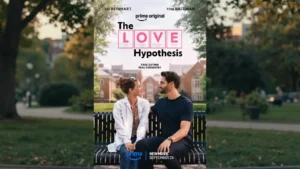
People We Meet on Vacation
Where It Has the Edge
- audience appeal is 4.8 vs 4.5. The film is widely framed as an easy recommendation for rom-com fans, book clubs, date nights, and viewers...

Scorata scores summarize analyzed review evidence on a 1–5 scale; they are not laboratory measurements or a simple average of customer star ratings. Feature scores summarize the reviews covering that feature. The overall score averages feature scores within each review, then combines review averages. When both expert and customer evidence are available, those two groups receive equal weight. Products can have different review coverage, so small score gaps do not establish a winner.
Recommendations prioritize important features for the category, with a score of at least 3.5, a gap of at least 0.25 points and at least two supporting reviews per product. Features with widely varying scores or broad connectivity contexts are excluded from recommendations. These safeguards do not establish statistical significance.
Quick verdict
The review evidence points to a tradeoff: audience appeal versus directing quality and lead performance. Choose according to which strengths matter more to you; the overall score alone does not settle that choice.
Choose People We Meet on Vacation for audience appeal.
Choose The Love Hypothesis for directing quality and lead performance.
Scores are out of 5. Missing scores mean missing review evidence, not a missing feature.
One critic called the film almost required viewing for young adults because its coming-of-age ideas about identity, relationships, and figuring out what you want felt especially relevant.
Sexual content and strong language make the film a poor fit for younger or sensitive viewers.
Critical response is portrayed as genuinely split, with strong raves sitting beside complaints about thin characterization, familiar plotting, and a watered-down adaptation.
Its strong early critic score suggests the film reaches much of its genre audience.
The film is widely framed as an easy recommendation for rom-com fans, book clubs, date nights, and viewers wanting light escapism. Even some mixed assessments expect its warmth and lead pairing to connect with its target audience.
Genre fans and book readers are the clearest audience, though expectations about heat and chemistry vary.
The profanity is described as stronger in places but not excessive, suggesting the language stays within a broadly manageable PG-13 range rather than becoming a major distraction.
Strong language stands out as a drawback for viewers seeking a gentler romance.
One critic praises the film’s slightly more serious tilt, saying it keeps the story from becoming overly cutesy while preserving the warmth expected from a rom-com.
A quick swing from comedy to career-threatening harassment jars some viewers, while others accept the change in stakes.
The photography splits opinion: several critics call the locations beautiful and big-screen-worthy, while harsher takes criticize bland framing, medium-shot-heavy coverage, or an overly generic streaming look.
Flat or uninspired camerawork is a recurring visual complaint.
Direction draws mixed-to-negative reactions. Some critics credit Brett Haley with sustaining romantic tension and keeping the film tidy and accessible, while others call the staging impersonal, visually flat, or a disappointing use of his strengths.
Scanlon’s feel for comic timing and tender moments earns praise, though a few critics find the direction too safe.
The near-two-hour length works for critics who enjoy the slow build, but many still wish the story had more room. Repeated suggestions that it should have been a limited series reflect how often the runtime is blamed for lost vacations, backstory, and emotional buildup.
The length gives room to the couple’s gradual connection for some, while others feel a two-hour romance drags or compresses key scenes.
The nonlinear structure is readable for some viewers, with past scenes adding useful context to the present, but others find the compressed storytelling and missing connective tissue muddy the characters’ motivations.
The fake-dating setup and academic stakes can feel convoluted when the film hurries to establish them.
The underlying friends-to-lovers story is appealing enough to carry many positive reactions, but execution divides critics. Some find the structure engaging and heartfelt; others see a thin, generic narrative weakened by omitted context and rushed connective tissue.
The friendship and academic ambitions enrich a familiar story, but thin motivations and late plot shortcuts draw criticism.
The film touches on loneliness, compromise, self-acceptance, home, and the difference between vacation selves and everyday life. Some critics find those ideas meaningful, while others think the adaptation strips away too much interiority for them to fully develop.
The film touches on grief, sexism and power in academia, but some wish those ideas had more space.
One critic strongly objects to the way destinations are treated as interchangeable romantic backdrops, arguing that local cultures—especially in New Orleans—receive little meaningful presence or specificity.
Naming Olive’s demisexuality is meaningful to some viewers; others question the treatment of Anh’s cultural identity or the trimmed gay romance.
The emotional payoff varies sharply by viewer. Admirers report tears, giddiness, warmth, and investment in the couple, while detractors say the missing depth leaves major declarations and late-film emotion feeling unearned.
Olive’s grief, ambitions and bond with Anh give the film heart beyond the central romance.
The nonlinear editing is contentious. Some viewers like how the flashbacks reveal the relationship piece by piece, but others say the repeated jumps disrupt emotional rhythm or make the present-day material feel choppy.
Some editing choices enliven Olive’s viewpoint, but choppy or low-energy cutting draws criticism.
The ending is sharply divisive. Some critics call the final reconciliation earned, dramatic, and even better than the book’s version, while others find the third act rushed, contrived, awkward, or emotionally underwhelming.
The romantic payoff pleases some, while others find the final conflict and its consequences resolved too quickly.
The movie’s ideas about home, compromise, self-acceptance, and choosing love resonate with some critics, but others find the themes underexplored or question the implications of Poppy reshaping her life around the relationship.
Friendship, consent and a woman’s right to pursue science on her own terms give the romance a clear point of view.
The adaptation preserves the core friends-to-lovers premise and many recognizable moments, but it substantially condenses and rearranges trips, backstory, and relationship beats. Book readers split between accepting those changes and feeling the lost detail weakens the characters and payoff.
Book readers appreciate key romantic beats and the friendship focus, while some miss characters, context or stronger yearning.
Most reviewers find the friends-to-lovers romance sweet, yearning, and easy to root for, with the leads making the slow burn work. A notable dissenting group says the heat never arrives, the bond feels insufficiently developed, or the final romance is unearned.
The romance is sweet and occasionally swoony, though its slow build and uneven spark do not convince everyone.
As a romantic comedy, the film generally satisfies: many reviewers welcome its sweetness, yearning, jokes, and familiar tropes as a return to classic rom-com comfort. Others see the same formula as derivative, bland, or too weak in romance and comedy to stand beside its influences.
The film embraces fake dating and familiar rom-com pleasures; whether that feels comforting or conventional depends on the viewer.
The film mixes relatable emotions with conspicuous rom-com contrivance. Supporters buy the flaws, compromises, and gradual friendship-to-love dynamic, while detractors question the characters’ connections, jobs, convenient encounters, and thinly developed lives outside vacations.
The leads’ awkwardness can feel grounded, yet the fake-dating setup and academic power dynamics test plausibility.
One detailed content-focused assessment describes the sex scenes as firmly PG-13 rather than especially explicit, while noting that some viewers may still find the amount of sexual material uncomfortable.
The intimate scene is tender or suitably steamy for some, while others find its heat lacking or its placement jarring.
Pacing is a recurring concern. The flashback structure can keep the story moving, but many reviewers say squeezing years of vacations and emotional history into roughly two hours makes later developments, character growth, and the ending feel rushed.
The opening moves briskly, but several reviews say the last act rushes through a serious conflict and resolution.
The screenplay is uneven: it can produce funny, breezy scenes and clear romantic beats, yet critics often fault it for thin characterization, clunky present-day dialogue, convenient plotting, and compressed emotional logic.
The script gives the fake-dating setup a playful rhythm, but some dialogue and the late harassment conflict feel underworked.
Originality is a consistent weakness. Critics repeatedly note the heavy debt to familiar rom-com templates—especially When Harry Met Sally—and many see the movie as predictable or generically Netflix, even when they enjoy its execution.
Its comfortable genre formula is easy to enjoy for some and short on novelty for others.
The comedy lands for many reviewers, especially the dance sequence, awkward family scenes, and Bader’s delivery. Others think the film is heavier on romance than laughs or lacks the wit of the classics it references.
Awkward encounters and friend-group reactions draw laughs, although a few viewers find the comedy muted.
Most critics see Emily Bader and Tom Blyth’s chemistry as the movie’s engine, praising the glances, banter, yearning, and believable shift from friendship to romance. A substantial minority, however, find the pairing low-heat or emotionally unconvincing.
Many feel the leads turn awkward banter into genuine attraction; others find the spark thin or Bateman’s reserve hard to warm to.
The dialogue earns both praise and criticism. Some reviewers enjoy its quippy, funny, Emily Henry-like voice and retained memorable lines, while others miss the book’s sharper exchanges or find the movie’s banter generic and underwritten.
Witty exchanges and awkward banter often land, though science jargon and a few clunky lines break the spell for some.
The central route from unlikely friends to lovers is widely seen as familiar and easy to predict, with little surprise in where the story is headed despite some appealing variations in the leads’ personalities.
The familiar fake-dating plot rarely surprises, even when its science setting and friendship give it a little freshness.
Character depth is one of the most divisive areas. Some critics find Poppy and Alex relatable and meaningfully changed by their years together, while many others say the compressed vacations, thin backstories, and underwritten side relationships flatten their growth.
Olive’s confidence and ambitions give her more substance than a stock romantic lead. Adam and several friends can feel underdeveloped.
The world beyond Poppy and Alex is frequently judged too thin. Critics point to underdeveloped families, careers, friendships, hometown life, and travel cultures, making the couple’s broader lives feel less convincing than the central vacation bubble.
The friends and campus details make Olive’s world feel larger than her romance.
The sunny travel aesthetic is a major pleasure for many critics, who praise the color, scenery, and romantic escapism. Others dislike the standardized Netflix gloss, bland framing, or lack of genuine geographic texture.
A few viewers find the look drab and washed out despite the film’s lively romantic premise.
Poppy’s colorful wardrobe is a standout for the critics who discuss it, with her outfits described as eye-catching, sensational, and among the movie’s most memorable visual pleasures.
Costumes offer small character details for some; others find the wardrobe generic or dated.
The production often sells a bright, romantic vacation fantasy through colorful destinations and polished interiors. One strong assessment specifically credits the design for matching the vibrant world associated with the source material.
The campus setting adds a fresh academic frame and lets Olive’s research matter to the story.
Music is consistently praised when discussed, with needle drops and the New Orleans dance sequence singled out for adding energy, emotion, and playful rom-com atmosphere.
Music and needle drops can add playfulness, but some find the soundtrack surprisingly weak or intrusive.
Supporting performers often make strong impressions in limited time—especially Molly Shannon and Alan Ruck—yet many critics also complain that the ensemble is underused or reduced to functional foils rather than full characters.
Rachel Marsh’s Anh often steals scenes, and the friend group brings welcome personality. Some supporting characters have too little room to develop.
The acting is one of the clearest strengths. Emily Bader and Tom Blyth are repeatedly praised for grounding the material, selling both comedy and vulnerability, and making the central relationship watchable even when the script falters.
Performances are a frequent bright spot, particularly Reinhart’s approachable Olive and the lively ensemble. A few critics find Bateman too stiff for the romance to fully ignite.
Emily Bader and Tom Blyth receive broad praise for carrying the movie. Bader is frequently credited with making Poppy charming rather than grating, while Blyth’s quieter performance gives Alex subtle emotion; even negative reviews often acknowledge their ability.
Reinhart’s warmth and comic timing draw steady praise, while Bateman’s reserved Adam divides opinion as he slowly softens.
Several enthusiastic critics describe it as highly rewatchable comfort viewing and openly plan repeat watches. More lukewarm takes find it pleasant but disposable, so its replay appeal depends heavily on affection for the central couple and genre.
Fans who find it comforting already want another watch; others see little reason to revisit it.
Most critics find it an easy, breezy, charming watch with enough humor, romance, and vacation fantasy to entertain for two hours. The harshest reviews still see it as polished but forgettable, with too little substance to linger.
For many, this is an easy, charming movie night watch. Detractors find the familiar path too dull to linger.
One critic found the occasional green-screen and CGI work noticeably jarring, even while praising the film’s otherwise attractive locations.
When the relationship turns serious, the dramatic beats often land: critics praise the fights, confessions, and emotional complications that give the breezy romance more weight.
Sex and strong language limit its appeal as a family movie.
Olive and Anh’s bond is widely praised as the film’s emotional center, giving their chosen family story a pull of its own.
The score’s fan-fiction nods amuse some, while others hear a pushy cueing of the romance.
The effects draw one clear reservation: visible CGI and green-screen work can look jarring against the otherwise attractive vacation imagery.
The will-they-won’t-they tension works well for some critics, with one praising the final act for preserving uncertainty despite the familiar formula. Others find the destination too predictable for the tension to become truly gripping.
A pushy score makes the soundscape feel cramped in one sharply negative assessment.

Best for pristine archival footage, immersive sound, and a surprisingly tense look at Disneyland’s construction. Skip it if you want a comprehensive, deeply critical history; several reviewers found the 78–79-minute...
Pros: plot clarity, realism
Cons: plot originality, runtime
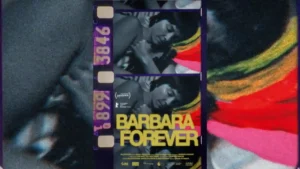
Best for an intimate, inventive archival portrait with strong emotional and cultural impact. Skip it if substantial nudity or an occasionally wandering biographical structure will frustrate you.
Pros: chemistry between characters, emotional impact
Cons: runtime, plot clarity
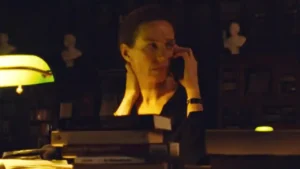
Best for an audacious, text-driven conspiracy thriller with gorgeous 16mm atmosphere and mounting dread. Skip it if long stretches of reading, deliberate repetition, and an intentionally austere narrative sound more...
Pros: story quality, plot clarity
Cons: chemistry between characters, sound design

Best for slow-burn suspense, iconic synth music, and shadow-soaked filmmaking that still feels influential. Skip it if you need fast pacing, polished sound, consistently natural dialogue, or modern gore-heavy kills.
Pros: chemistry between characters, directing quality
Cons: sound design, dialogue quality