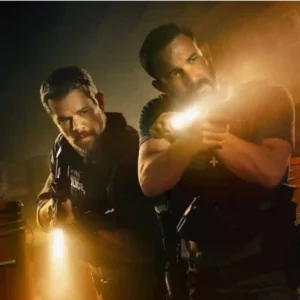

The Rip
Where It Has the Edge
No clear scored advantage over the other product.

Scorata scores summarize analyzed review evidence on a 1–5 scale; they are not laboratory measurements or a simple average of customer star ratings. Feature scores summarize the reviews covering that feature. The overall score averages feature scores within each review, then combines review averages. When both expert and customer evidence are available, those two groups receive equal weight. Products can have different review coverage, so small score gaps do not establish a winner.
Recommendations prioritize important features for the category, with a score of at least 3.5, a gap of at least 0.25 points and at least two supporting reviews per product. Features with widely varying scores or broad connectivity contexts are excluded from recommendations. These safeguards do not establish statistical significance.
Quick verdict
The available evidence supports the recommendation below, but does not establish an overall winner. Check the remaining features against your priorities.
There is not enough comparable review evidence to recommend The Rip over the other product.
Choose Runner for plot clarity.
No clear scored advantage over the other product.
Scores are out of 5. Missing scores mean missing review evidence, not a missing feature.
Its firmly adult crime-thriller sensibility is part of the appeal for viewers who want a grown-up, hard-edged genre movie.
This skews older than a typical family action movie. Violence, deaths, child peril, and some language led family-focused assessments to steer younger kids away.
The movie plays best as a Friday-night, macho crime-thriller watch rather than a broad crowd-pleaser. Viewers already drawn to Damon, Affleck, and old-school cop movies are the clearest fit.
The film is framed as a crowd-pleasing action vehicle, with its brisk runtime, familiar star personas, and absurd mayhem seen as accessible strengths.
Some of the early critical enthusiasm is seen as justified, especially around the darker style and stronger-than-usual Netflix craft. That praise does not erase complaints about generic plotting and thin characters.
Critical reception lands on the positive side overall, with reported Rotten Tomatoes scores in the upper-60s to 70% range. The enthusiasm is real but not unanimous.
The pulsing, glowering score is a consistent technical strength, amplifying dread and keeping momentum alive through quieter stretches. Even a more skeptical review still finds it propulsive.
The musical score draws a severe complaint for sounding generic and cheaply assembled rather than distinctive or cinematic.
The strongest dramatic scenes are the face-offs between Damon and Affleck, where their friendship and mutual distrust give the macho posturing real emotional intensity.
The dramatic material divides sharply. Some find genuine sadness and emotional weight, while others see the hospital drama as manufactured and unbelievable.
The layered double-crosses and hidden motives are often harder to follow than they need to be. Some enjoy that density, but several reviewers call the plotting muddy, convoluted, or logically inconsistent.
The central mission is simple and easy to follow, which several critics see as a strength. It gives the action a clear engine without requiring a complicated setup.
The ending is sharply divisive. Several critics love the final reveal and resolution, while others think the film keeps going too long, turns generic, or closes on an overly sentimental note.
The conclusion earns a strong positive note for tying Hank’s personal grief into the mission and landing an emotional payoff.
The film’s moral framing of cops and corruption splits opinion. Some appreciate its search for imperfect heroes, while others see the good-cop message as simplistic, too pointed, or close to copaganda.
Themes of kindness, sacrifice, redemption, family, and doing the right thing are usually seen as sincere without becoming overly preachy. One take finds some hospital material sanctimonious.
Character depth is the most consistent weakness. Damon and Affleck get the most usable material, while several supporting officers are repeatedly described as underdeveloped, thin, or introduced too late.
Character work is better than the simple premise suggests in several takes, especially Hank’s grief, Ben’s growth, and the villain’s motivation. Others find key subplots thin, undercooked, or too familiar.
The cop lingo, worn-down behavior, and grounded production often create convincing authenticity. That realism is weakened by implausible decisions, continuity errors, and plot mechanics that some reviewers could not buy.
Realism is a weak point overall. Grounded character moments and some convincing action help, but implausible collisions, geography, injuries, and plot logic repeatedly break believability.
The action is divisive: some praise the clear gunfights, chases, and physical impact, while others find it too sparse, generic, or overbearing late in the film. The suspense often lands better than the spectacle.
The fights, chases, crashes, and stunt-heavy mayhem are the movie’s clearest strength for most critics. A minority dislike the shaky presentation or feel the PG-13 staging pulls its punches.
Suspense is the movie’s most dependable craft strength. The money, ticking clock, uncertain loyalties, and Damon-Affleck distrust create sustained pressure even when the eventual action or reveals disappoint.
The ticking clock and pursuit create strong tension for some viewers, especially once the stakes are established. Others feel the stop-start structure and toothless villains drain urgency.
The moody, low-light cinematography often gives the film a gritty theatrical look and turns confined spaces into pressure cookers. The main drawback is that the final act becomes too murky for at least one critic.
The action photography can be immersive and stylish, especially when wide lenses and mobile cameras keep viewers close to the stunts. Shaky camera work also draws complaints when it obscures the choreography.
The central friendship and weary-cop humanity give the movie real emotional weight for some viewers. Others find late grief beats or sentimental touches unearned, leaving the emotional payoff uneven.
For a straightforward action movie, the story lands more heart than many expected, especially around grief, sacrifice, and the child awaiting the organ. A few emotional beats are judged forced or unearned.
The contained, grounded pressure-cooker tone works very well at its best. The trouble comes when the movie shifts into shouty action, relentless dourness, or sentimental closure that feels like a different film.
Tone is one of the movie’s biggest weaknesses. The mix of brutal action, goofy comedy, melodrama, and sincerity works for some as camp, but often feels uneven or poorly blended.
Damon and Affleck’s chemistry is the clearest consensus strength. Their long friendship gives the trust, suspicion, banter, and confrontations a lived-in weight the script could not easily manufacture.
Ritchson and Wilson’s odd-couple pairing is one of the most praised elements, with many finding their contrasting styles charming and fun. A few critics see only serviceable chemistry or no spark at all.
The twists are the most polarizing part of the plot: some land as clever surprises, while others are spotted early or feel mandated by the genre. The structure works better than its actual novelty.
The plot is widely considered formulaic, predictable, and built from familiar buddy-action tropes. Better notices still credit a few twists and surprising character choices with keeping it from feeling completely stale.
As an old-school cop and crime thriller, the movie generally delivers what genre fans want: stars, paranoia, moral murk, and escalating danger. Even lukewarm reviews often concede that it functions as a solid throwback.
As a throwback buddy-action thriller, it generally delivers the chases, fights, banter, and pace fans expect. Its formulaic writing and uneven presentation keep it from winning over everyone.
The constant tough-cop profanity can become grating rather than immersive, especially when paired with the film’s sourer stretches.
Assessments of the language differ: one calls the film mostly free of foul language, while another warns that foul language runs throughout. Family suitability is therefore treated cautiously.
The dialogue draws frequent criticism for exposition, tough-guy clichés, and repetitive profanity. A smaller group likes the natural banter and hard-boiled rhythm when the actors can make it feel lived in.
Dialogue is a recurring weak spot. It is variously called merely fine, exposition-heavy, not great, or cringey, with banter sometimes becoming too chatty.
The screenplay earns praise for its contained premise, suspicion engine, and satisfying reveal structure. Its weaker side is exposition, thin secondary characterization, and logic that becomes patchy under the weight of the twists.
The script is one of the most divisive areas: some praise smart twists, emotional depth, and surprise, while others call it thin, generic, undercooked, or poorly written.
The best version of the story is a compact pressure cooker about trust, greed, and corruption. The weaker version becomes generic or muddled once its thin characterization and pileup of twists start showing.
The simple organ-delivery premise works as a clear action engine, but opinions split on how well the story supports it. Stronger takes enjoy the heart and twists; weaker ones see thin logic and generic construction.
Joe Carnahan is widely praised for controlling suspicion, pressure, and contained action with confident genre instincts. A minority find the filmmaking inert, overly blunt, or chaotic once the final act erupts.
Scott Waugh earns strong marks for physical action staging and keeping a modest thriller lively. The main criticism is that some sequences become choppy or the broader structure loses momentum.
The quieter money-counting and interrogation scenes benefit from deliberate cuts that let tension breathe. Action editing is less consistent, with some complaints about choppiness and a chaotic final stretch.
Editing quality is uneven. Precise, readable action earns praise in some places, but choppy cutting and shaky presentation are recurring complaints elsewhere.
The moral ambiguity around greed, loyalty, corruption, and who counts as a good cop gives the thriller more substance than a simple shootout movie. Some critics still wish those ideas were sharper or less simplistic.
Redemption, selflessness, courage, sacrifice, and family give the film more thematic weight than its action setup suggests. One critic finds the redemption arc too bluntly inserted.
Once suspicion takes hold, the film can move with excellent momentum and make its length feel light. The main complaints are a slow first act, a long setup, and finales that sometimes run past the natural stopping point.
The brisk chase structure and ticking clock keep the movie moving for most viewers, and the roughly 90–100 minute length often helps. Hospital cutaways and extended chatter are the main momentum killers.
The humor is light and mostly carried by banter, attitude, and the Damon-Affleck dynamic. Some viewers think that amount is just right, while others wish the grim tone had more levity.
The comedy works best when Wilson’s lighter persona bounces off Ritchson’s seriousness. Reactions range from genuinely funny to forced or underpowered, so the laughs are not equally reliable throughout.
The film usually moves well enough that its near-two-hour length is not a major problem. The most common runtime complaint is that the wrap-up or finale could lose several minutes.
The roughly 90–98 minute runtime is usually considered efficient, brisk, and well judged. One negative take says it feels noticeably longer than its actual length.
The late surge of gunfire and chases can feel excessive when it starts crowding out the intrigue that made the earlier sections work.
The brutality is highly divisive. Some action fans enjoy the crunchy, surprisingly hard PG-13 mayhem, while others find it excessive, off-putting, or too intense for younger viewers.
One enthusiastic reviewer felt the movie offered enough star power and old-school excitement to justify paying for the experience rather than only streaming it.
Several critics say the movie is more comfortable as a home or streaming watch than a must-see theatrical event. Its entertainment is solid, but the premium big-screen value is questioned.
The mystery can reward a second viewing, and some viewers are eager to revisit how the clues fit together. Others expect the movie to fade quickly once the twists are known.
Rewatch interest is limited. Several takes describe it as forgettable, a one-time watch, or something worth revisiting only casually with someone who has not seen it.
Most reactions land on enjoyable to very entertaining, especially when the movie leans into suspicion and star chemistry. The dissenters see it as disposable, generic streaming fare that is easy to forget.
Most reactions find it fun, watchable, or easy to enjoy despite obvious flaws. The harshest takes call it generic, mildly entertaining, or simply a miss.
The film’s dark neo-noir lighting and gritty sheen often create a convincing, cinematic mood. The same darkness is also a recurring complaint, with several viewers finding later scenes murky, ugly, or generically Netflix-polished.
Australia’s sunny coastal locations and action environments are often attractive, with some praise for how the camera uses them. One critic feels the locations could have been showcased far more effectively.
The supporting cast is frequently praised, especially Steven Yeun and Sasha Calle, and several reviews call the ensemble unusually strong. The frustration is that Taylor, Moreno, and others are not always given enough to do.
The supporting players generally help the movie, with Leila George and Owen Wilson receiving particular praise in different takes. A few critics argue Wilson is underused despite his charm.
Damon and Affleck repeatedly elevate the material, with Damon often singled out for the more controlled, layered work. Their performances remain compelling even when the script gives them familiar archetypes.
Alan Ritchson is widely seen as the movie’s anchor, bringing physical credibility, likability, and dry humor to a familiar action-hero role. Even several mixed reviews say he carries weak material.
The ensemble is one of the movie’s biggest strengths, with the cast repeatedly credited for lifting routine material. Even harsher takes usually blame the script more than the performers.
The cast is usually a strength, with the leads often praised for carrying familiar material through charisma, physicality, and comic timing. Even some negative takes credit the performers more than the script.
CGI impressions are split. One take found no obvious cheap CGI or blue-screen work, while another singled out a car-chase moment as distractingly game-like.
Despite the distributor’s family-friendly reputation, this is not treated as a strong kids’ pick. The violence, deaths, child peril, and language push it toward older teens and adults.
The physical stunt work stands out as a major production strength, with one assessment calling it a cut above.
Visual-effects quality is mixed. Some effects are considered good overall, but moving vehicle backgrounds are singled out as needing another pass.
The ordinary cul-de-sac and stash house are transformed into threatening, enclosed spaces, making the modest location feel tense rather than cheap.
The sound can make gunfire and physical hits feel forceful on a good setup, but the mix is inconsistent. One review specifically notes dialogue being swallowed by ambient noise.
The stash house itself can feel lived-in and threatening, but the broader Miami setting is underused. Several critics wanted more local texture and a stronger sense that the story truly belonged to that city.
Music choices are more often criticized than praised. Covers, soundalikes, out-of-place needle drops, and a Christian-rock closing song all attract complaints of varying severity.

Choose this inventive, unsettling documentary for fearless questioning, dark humor, and unpredictable storytelling. Skip it if you want a short, straightforward exposé with definitive answers.
Pros: originality, humor

Best for a hypnotic, bookish mystery with tactile visuals and cerebral chills. Skip it if reading-heavy, attention-demanding storytelling sounds more exhausting than exciting.
Pros: Atmosphere, cinematography
Cons: audience appeal

Best for an intimate, searching documentary that rewards focused attention and invites discussion. Skip it when devastating grief, addiction footage, and unresolved family tensions would be too much.
Pros: emotional impact, theme depth

Best for patient suspense, an unforgettable score, and an unsettling masked killer. Skip it for very young children or if you want to avoid intense scares; its restrained kills also...
Pros: directing quality, score quality
Cons: message quality