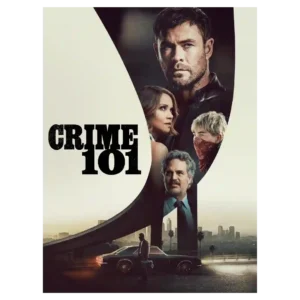
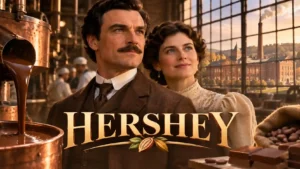
Scorata scores summarize analyzed review evidence on a 1–5 scale; they are not laboratory measurements or a simple average of customer star ratings. Feature scores summarize the reviews covering that feature. The overall score averages feature scores within each review, then combines review averages. When both expert and customer evidence are available, those two groups receive equal weight. Products can have different review coverage, so small score gaps do not establish a winner.
Recommendations prioritize important features for the category, with a score of at least 3.5, a gap of at least 0.25 points and at least two supporting reviews per product. Features with widely varying scores or broad connectivity contexts are excluded from recommendations. These safeguards do not establish statistical significance.
Quick verdict
What each product is best for
The review evidence points to a tradeoff: suspense and directing quality versus family friendliness and language level. Choose according to which strengths matter more to you; the overall score alone does not settle that choice.
Choose Crime 101 for suspense and directing quality.
Choose Hershey for family friendliness and language level.
Why these recommendations?
Crime 101
Where It Has the Edge
suspense is 4.7 vs 1.5. Slow-burn tension is one of the film’s strongest qualities, with the Mike-Ormon friction, police pursuit, and major heist...
directing quality is 5.0 vs 2.1. Bart Layton’s controlled direction is a major strength, particularly in the car chases, slow-burn tension, Los Angeles atmosphere,...
humor is 4.8 vs 3.0. Dry jokes and understated comedy work well against the movie’s serious tone, giving viewers brief releases from the...
Hershey
Where It Has the Edge
family friendliness is 4.8 vs 1.0. Its gentle tone, restrained language and positive moral values make it particularly appealing for families.
language level is 4.7 vs 1.0. Language is notably restrained, with only a brief mild obscenity described.
age appropriateness is 4.2 vs 1.0. Its non-graphic content is broadly accessible, although illness, grief and complicated business history are better suited to older...
Crime 1014.0 overall score
Hershey3.1 overall score
Compare features
Scores are out of 5. Missing scores mean missing review evidence, not a missing feature.
Scored on both products
Other features
Family friendliness
Crime 101
1.0
Family-oriented assessments strongly advise against it because of profanity, violence, sexual content, nudity, and a morally permissive ending.
Hershey
4.8
Its gentle tone, restrained language and positive moral values make it particularly appealing for families.
Language level
Crime 101
1.0
The profanity is judged excessive by the family-focused sources, including repeated f-words that make the dialogue unsuitable for viewers avoiding strong language.
Hershey
4.7
Language is notably restrained, with only a brief mild obscenity described.
CGI quality
Crime 101
5.0
Digital effects are intentionally unobtrusive, with nighttime composites and touch-ups blending into the frame rather than calling attention to themselves.
Hershey
1.5
The opening CGI chocolate shot is criticized for looking suspiciously artificial rather than appetizing.
Suspense
Crime 101
4.7
Slow-burn tension is one of the film’s strongest qualities, with the Mike-Ormon friction, police pursuit, and major heist keeping many viewers locked in. A few critics feel the tension never rises enough or is isolated mainly to the action scenes.
Hershey
1.5
The familiar outcome and quickly resolved obstacles leave little dramatic tension.
Sexual content level
Crime 101
1.0
Family-content assessments criticize the sexual material and nudity as frequent or unwelcome, making the movie a poor fit for viewers seeking restrained adult content.
Hershey
4.0
The marital flirtation is relatively tame, though it includes mildly suggestive moments.
Directing quality
Crime 101
5.0
Bart Layton’s controlled direction is a major strength, particularly in the car chases, slow-burn tension, Los Angeles atmosphere, and clear staging. Even detractors generally concede the film is polished and competently made.
Hershey
2.1
The direction is gentle and accessible but often lacks energy, moving through milestones without giving the drama room to breathe.
Score quality
Crime 101
5.0
The synth-heavy Blanck Mass score is a standout, repeatedly praised for pulsing tension, melancholy, and late-night heist energy without overpowering the images.
Hershey
2.5
The jaunty period score enchants some viewers but grates on others who find it excessively sugary.
Theme depth
Crime 101
3.9
Class inequality, workplace exploitation, personal codes, corruption, control, and moral compromise give the thriller more to chew on than its heist mechanics alone. Opinions split on whether those ideas are deeply explored or only gestured toward.
Hershey
2.0
The film celebrates generosity and perseverance, but its simple treatment rarely explores their underlying motivations or contradictions.
Writing quality
Crime 101
4.3
The script gets strong marks for subtext, character motivation, intelligent dialogue, and letting viewers infer rather than overexplaining. Its weaknesses are familiar templates, too many subplots, and occasional contrivance.
Hershey
2.4
The script covers major milestones clearly, but much of its dialogue, characterization and conflict feel formulaic or overly earnest.
Drama quality
Crime 101
4.9
The character-first crime drama is often more compelling than the mechanics of the heist itself. The moral pressure on Mike, Lou, and Sharon gives the thriller more emotional weight than a simple cops-and-robbers setup.
Hershey
3.0
Its charitable themes and romance can be touching, but conveniently resolved setbacks make the drama feel lightweight.
Cinematography
Crime 101
4.9
Los Angeles is photographed with polished night imagery, freeway geography, and a strong sense of place; the look is one of the most consistently praised elements. Only a few critics found some night scenes too dark or derivative of Michael Mann.
Hershey
3.0
The photography ranges from beautiful period scenery and appealing candy close-ups to gray or overly bright imagery.
Dialogue quality
Crime 101
4.3
The dialogue is often praised as intelligent, efficient, and witty, especially when it lets character subtext do the work. One notably negative take found the conversations flat and unengaging.
Hershey
2.5
Some lines sound forced and overly earnest, although the restraint of the dialogue and use of visual storytelling also earn praise.
Humor
Crime 101
4.8
Dry jokes and understated comedy work well against the movie’s serious tone, giving viewers brief releases from the tension without turning the film into a comedy.
Hershey
3.0
There are a handful of laughs, although some come from the film’s unintentionally absurd earnestness.
Realism
Crime 101
2.8
The grounded cars, physical action, and procedural detail help sell the world, but several plot conveniences and implausible escapes break that realism. The result feels tactile even when the story mechanics strain belief.
Hershey
1.0
The sanitized characters and convenient resolutions make the story feel artificial rather than authentically human.
Character development
Crime 101
3.8
The central thief, detective, and insurance broker often feel more layered than stock genre roles, and their moral crossroads are a major draw. The crowded ensemble also leaves several side characters and subplots thin or underexplored.
Hershey
2.4
Milton’s family background and persistence are evident, but the film rarely explores his deeper motivations or moral complexity.
Cast chemistry
Crime 101
4.8
Character pairings are a consistent strength, especially Hemsworth with Ruffalo, Berry, and Barbaro. The interpersonal spark helps the film stay engaging even when the plot slows down.
Hershey
3.4
The leads' chemistry divides opinion: some find the marriage genuine and warm, while others feel little romantic spark.
Message quality
Crime 101
2.3
The movie’s ideas about class, work, morality, and self-interest divide opinion. Some find them meaningful and well integrated, while family-oriented and skeptical critics see the moral framing as muddled, shallow, or too forgiving of crime.
Hershey
3.5
The emphasis on kindness, perseverance and sharing success resonates strongly with favorable viewers. Critics find the moral message overly simplistic or ineffective.
Originality
Crime 101
3.1
The core cops-and-robbers story is repeatedly called familiar, derivative, or built from well-known archetypes. A few viewers still find enough fresh character perspective and twists to keep it from feeling purely recycled.
Hershey
2.0
The familiar biopic formula and reluctance to take creative risks limit originality, despite a few inventive visual touches.
Runtime
Crime 101
3.1
The roughly 140-minute length is one of the most repeated concerns. Some viewers say it flies by or earns the space through atmosphere and character work, but many believe a tighter cut would be substantially stronger.
Hershey
2.0
The 110-minute running time feels overly long to viewers who find the story underwhelming.
Story quality
Crime 101
3.9
The story is usually considered solid, intelligent, and engaging, especially when it concentrates on character and moral pressure. Its familiar framework, crowded subplots, and uneven payoff keep it from universal enthusiasm.
Hershey
2.9
An uplifting rise from hardship to generosity appeals to some viewers, while others find the story too sanitized, predictable and thin.
Editing quality
Crime 101
3.9
The best notices praise fluid cross-cutting, clear geography, and smooth handling of multiple storylines. The main criticism is that the film still feels overlong, with some editors wishing the same material had been cut far more aggressively.
Hershey
3.0
The opening transitions show some creativity, but the film misses opportunities to sustain that inventiveness.
Romance quality
Crime 101
2.7
Mike and Maya have charm and believable chemistry, but the romance is one of the most common targets for trimming. Several critics see it as forced, underdeveloped, or a distraction from stronger character material.
Hershey
3.3
Milton and Kitty’s partnership provides welcome warmth, but the romance is sometimes cheesy, unconvincing or pushed aside by the business plot.
Pacing
Crime 101
3.1
Pacing is mixed: the slow-burn rhythm works for viewers who enjoy character detail, but many still feel the middle stretches drag or that 15–30 minutes could be cut. The action beats usually restore momentum when they arrive.
Hershey
2.5
Some appreciate how efficiently the film covers decades, but many find the first half slow or important setbacks too quickly resolved.
Tonal consistency
Crime 101
3.5
The restrained character drama and bursts of action mostly coexist well, but a few viewers notice character or subplot shifts that make the movie feel uneven in places.
Hershey
4.0
The generally pleasant tone suits its intended feel-good experience.
Emotional impact
Crime 101
3.4
Emotional response is split: some found the character transformations unexpectedly moving, while others felt the cool tone and familiar arcs kept the payoff muted. The strongest reactions come from viewers who connect with the characters’ personal crossroads.
Hershey
3.2
Kitty’s illness, romance and the school’s legacy provide moving moments for sympathetic viewers, though many find the emotional treatment too shallow.
Ending satisfaction
Crime 101
3.4
The finale is the clearest dividing line. Some love its clean character closure and satisfying payoffs, while others find it rushed, too tidy, morally soft, or simply unable to cash in the tension built beforehand.
Hershey
3.3
The school’s founding offers a touching emotional payoff for some, although the concluding historical montage is predictable.
Controls and connectivity
Age appropriateness
Crime 101
1.0
Heavy profanity, strong violence, sexual material, and nudity make this a poor fit for younger viewers in the family-focused assessments.
Hershey
4.2
Its non-graphic content is broadly accessible, although illness, grief and complicated business history are better suited to older children.
Comfort and build
Visual style
Crime 101
4.8
The sleek neo-noir look, night driving, glossy interiors, and L.A. skyline imagery are major selling points. It is stylish and cinematic even when critics argue that the aesthetic borrows heavily from earlier crime films.
Hershey
3.0
The period imagery has a nostalgic warmth for some viewers; others find the chocolate-brown palette drab or the lighting artificial.
Costume design
Crime 101
4.8
Wardrobe choices help signal power, age, status, and personality, from Sharon’s polished professional armor to Ormon’s louder styling. The fashion work adds character information without needing extra exposition.
Hershey
4.5
The costumes recreate the changing historical eras attractively and help establish the nostalgic atmosphere.
Production design
Crime 101
4.8
The polished offices, luxury spaces, hotels, and wealthy-client environments give the movie a convincing high-end sheen. The craft is repeatedly cited as part of the film’s unusually strong production value.
Hershey
4.7
The period sets and locations help bring nineteenth- and early twentieth-century Pennsylvania to life.
Ownership and support
Entertainment value
Crime 101
4.3
Most reactions land on enjoyable-to-excellent, especially for viewers who want a polished adult crime movie with stars, cars, and tension. A minority found the long, familiar story boring or forgettable.
Hershey
2.9
The film can be pleasant, comforting entertainment, but many find its low-conflict storytelling bland and unengaging.
Performance
Acting performance
Crime 101
4.8
The ensemble is one of the film’s safest bets: strong, committed performances repeatedly lift familiar material. Even cooler reactions tend to blame thin roles or the script more than the cast as a whole.
Hershey
4.0
The leads often bring warmth and charm, particularly to the marriage, but stiff staging and thin writing limit their range.
Supporting cast performance
Crime 101
4.5
Mark Ruffalo, Halle Berry, Barry Keoghan, and the wider ensemble are a major asset, often giving familiar archetypes distinctive personality. Individual complaints focus more on underwritten roles or casting fit than a weak ensemble overall.
Hershey
3.9
The supporting ensemble is frequently praised for its warmth and period character, although some performances feel stiff or merely adequate.
Lead performance
Crime 101
4.5
Chris Hemsworth’s restrained, vulnerable take on Mike is widely praised as a welcome change from his bigger action roles. A few critics find the character too blank or dull, but the overall response to the lead performance is strongly positive.
Hershey
4.3
Finn Wittrock’s optimism and Alexandra Daddario’s warmth help enliven the story, even when the script gives them little dramatic depth.
Soundtrack quality
Crime 101
4.5
The serious soundtrack is used effectively against the film’s dry humor, making jokes land harder through tonal contrast.
Hershey
4.5
The charming soundtrack complements the period setting and sentimental story.
Evidence available for one product
Other features
Action sequence quality
Crime 101
4.6
The car chases and heist bursts are usually crisp, tense, and easy to follow, with several critics calling them standout sequences. A smaller group wanted more action or found the set pieces less thrilling than the build suggested.
HersheyNo score yet
Archival footage integration
Crime 101No score yet
Hershey
4.5
Historical photographs in the closing credits create a meaningful connection between the dramatization and the real couple.
Biographical coverage
Crime 101No score yet
Hershey
3.7
The film covers a broad span of Hershey’s life, from childhood to philanthropy. Compressing so many milestones leaves some important experiences underdeveloped.
Biographical depth
Crime 101No score yet
Hershey
2.3
The broad life story provides useful introductory facts but often glosses over hardship, motivation and historical complications.
Biographical fairness
Crime 101No score yet
Hershey
1.8
The portrait of Hershey is sympathetic to a fault, with critics objecting to the omission of uncomfortable historical details and moral complexity.
Drug and alcohol portrayal
Crime 101No score yet
Hershey
4.0
Alcohol appears briefly without excessive drinking, fitting the otherwise restrained family-oriented approach.
End-credit ticket solicitation
Crime 101No score yet
Hershey
1.5
The post-film Pay It Forward ticket appeal is criticized as intrusive and annoying.
End credits quality
Crime 101No score yet
Hershey
5.0
The real-life photographs and images of children helped by the couple’s work give the final credits emotional meaning.
Ethical handling of deaths
Crime 101No score yet
Hershey
1.5
The couple’s celebratory reaction to avoiding the Titanic strikes several reviewers as insensitive given the tragedy.
Faithfulness to source material
Crime 101
4.0
The adaptation is generally seen as respectful of Don Winslow’s material and its central moral code, though some details from the novella are streamlined or lost. One negative assessment felt the film was notably less compelling than the source.
HersheyNo score yet
Family relationships
Crime 101No score yet
Hershey
2.0
The strained relationship between Milton and his father receives little meaningful exploration, with much of the estrangement occurring offscreen.
Genre satisfaction
Crime 101
4.3
For crime-thriller fans, the movie largely delivers the old-school pleasures it promises: professional criminals, a dogged cop, slow-burn tension, and muscular car chases. Its familiarity keeps it below the genre’s classics for some viewers.
HersheyNo score yet
Grief portrayal
Crime 101No score yet
Hershey
1.5
The grief following Kitty’s death is compressed into a few brief moments rather than fully explored.
Hairstyling
Crime 101No score yet
Hershey
4.5
The lead’s period-appropriate moustache is an effective historical detail.
Historical depth
Crime 101No score yet
Hershey
3.0
The origins of Hershey’s caramel and chocolate businesses offer interesting history, but the film leaves significant social and labor issues unexplored.
Lighting quality
Crime 101No score yet
Hershey
4.5
The opening chocolate close-up is praised for its attractive lighting.
Location authenticity
Crime 101No score yet
Hershey
5.0
The historical sets and locations give the period setting a convincing sense of place.
Makeup quality
Crime 101No score yet
Hershey
2.5
The inconsistent aging treatment is distracting: Milton visibly ages while Kitty appears largely unchanged.
Memorability
Crime 101No score yet
Hershey
1.5
Despite the agreeable tone, the conventional storytelling leaves little lasting impression for some viewers.
Narrative repetition
Crime 101No score yet
Hershey
1.5
Financial setbacks recur in a repetitive pattern of money shortages followed by easy solutions.
Narrative stakes
Crime 101No score yet
Hershey
1.6
Financial setbacks and personal hardships seldom create sustained uncertainty because solutions arrive so readily.
Narrative structure
Crime 101No score yet
Hershey
2.1
The linear chronology is easy to follow but often feels like a checklist rather than a cohesive emotional journey.
Opening sequence quality
Crime 101No score yet
Hershey
4.0
The opening match cut and creative transitions are appealing, but comparable visual invention is scarce afterward.
Philanthropy portrayal
Crime 101No score yet
Hershey
3.9
The couple’s generosity and school provide a moving centerpiece for many viewers. Critics argue that the charitable legacy is presented too reverentially and omits uncomfortable history.
Plot clarity
Crime 101
3.3
The interlocking storylines generally come together, but the broad ensemble can feel busy and occasionally contrived. Some viewers found it easy to follow, while others needed time for the early pieces to click.
HersheyNo score yet
Plot predictability
Crime 101No score yet
Hershey
1.9
The narrative follows familiar milestones and resolves difficulties so readily that the story rarely surprises or challenges viewers.
Plot twists
Crime 101No score yet
Hershey
4.0
Unexpected details about the candy-making business and the couple’s life give the familiar biography some welcome surprises.
Portrayal of women
Crime 101No score yet
Hershey
3.3
Kitty is seen by some as an inspiring, active partner and by others as a character too narrowly defined by her husband’s goals.
Product placement
Crime 101No score yet
Hershey
1.6
The chocolate company's involvement is conspicuous, and many find the film more like corporate promotion than an independent biography.
Professional life portrayal
Crime 101No score yet
Hershey
1.8
The business plot includes loans, orders and product development but gives too little attention to how Hershey innovated.
Religious messaging
Crime 101No score yet
Hershey
4.0
The film emphasizes Christian values with little overt religious dialogue; favorable viewers appreciate this restraint, while some critics find its moral framing reductive.
Sentimental treatment
Crime 101No score yet
Hershey
2.4
Its unabashed sweetness is comforting for some and cloying for others, especially when tragedy or conflict is softened.
Special effects quality
Crime 101
5.0
Visual effects are used sparingly and blend into the environments, supporting the physical crime-thriller aesthetic instead of dominating it.
HersheyNo score yet
Villain quality
Crime 101No score yet
Hershey
1.8
Business rivals rarely pose a convincing threat, and the principal competitor is too absent to create sustained conflict.
Violence level
Crime 101
2.3
The violence is frequent and intense but generally not described as gory; some mainstream critics appreciate that restraint. Family-focused sources still consider the level too strong for younger or sensitive viewers.
HersheyNo score yet
Controls and connectivity
Audience appeal
Crime 101
4.2
The film plays especially well for adults who miss old-school crime thrillers, with many calling it highly watchable or theater-worthy. Its long runtime and weak theatrical turnout temper that enthusiasm.
HersheyNo score yet
Character appeal
Crime 101No score yet
Hershey
4.5
Kitty’s independent spirit and warmth make her especially appealing, while Milton’s likability sometimes comes at the cost of complexity.
Critic appeal
Crime 101
4.5
The critical reaction discussed in the videos is broadly favorable, with the film described as solid, well-crafted, and stronger than its modest theatrical performance suggests.
HersheyNo score yet
Food appeal
Crime 101No score yet
Hershey
4.2
The candy imagery often makes viewers crave chocolate, even when they are less enthusiastic about the film itself.
Performance
Historical accuracy
Crime 101No score yet
Hershey
1.8
Critics object to the omission of the school’s early racial restrictions and later labor disputes, which limits the historical portrait.
Ownership and support
Production value
Crime 101No score yet
Hershey
3.0
The sets and locations earn praise for their immersive quality, but one reviewer finds the overall filmmaking cheap-looking.
Rewatch value
Crime 101
3.2
Memorability splits sharply: some expect the movie to fade quickly, while enthusiastic viewers already want to revisit it for the atmosphere, character details, and heist construction. Familiarity may make it comfortable rewatch material rather than an unforgettable classic.
HersheyNo score yet
Value for money
Crime 101
3.6
Theatrical value depends heavily on tolerance for the runtime: several viewers recommend paying for a premium or full-price screening, while others say the slow pace makes waiting for streaming the better choice.
HersheyNo score yet
Comfort and build
World-building
Crime 101
5.0
Los Angeles is treated almost like another lead, with highways, beaches, luxury spaces, and street-level contrasts making the city feel integral to the characters and crime story.
A deeply human coming-of-age drama carried by remarkable performances and an honest portrayal of grief. Its gentle optimism moves most viewers, though some find the final stretch hurried or overly...
Billie Jean King’s magnetic first-person storytelling makes this an exhilarating portrait of athletic courage and social change. The filmmaking follows a familiar documentary structure, and her full tennis résumé gets...
Choose this inventive, unsettling documentary for fearless questioning, dark humor, and unpredictable storytelling. Skip it if you want a short, straightforward exposé with definitive answers.
A singular voice, powerful piano playing and intimate film photography make this concert absorbing for receptive listeners. Its uninterrupted, often similar-sounding songs and lack of background context are an acquired...