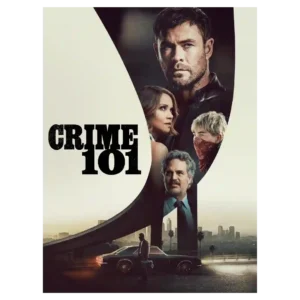

Crime 101
Where It Has the Edge
- drama quality is 4.9 vs 2.0. The character-first crime drama is often more compelling than the mechanics of the heist itself. The moral pressure...

Scorata scores summarize analyzed review evidence on a 1–5 scale; they are not laboratory measurements or a simple average of customer star ratings. Feature scores summarize the reviews covering that feature. The overall score averages feature scores within each review, then combines review averages. When both expert and customer evidence are available, those two groups receive equal weight. Products can have different review coverage, so small score gaps do not establish a winner.
Recommendations prioritize important features for the category, with a score of at least 3.5, a gap of at least 0.25 points and at least two supporting reviews per product. Features with widely varying scores or broad connectivity contexts are excluded from recommendations. These safeguards do not establish statistical significance.
Quick verdict
The available evidence supports the recommendation below, but does not establish an overall winner. Check the remaining features against your priorities.
Choose Crime 101 for drama quality.
There is not enough comparable review evidence to recommend How to Rob a Bank over the other product.
No clear scored advantage over the other product.
Scores are out of 5. Missing scores mean missing review evidence, not a missing feature.
The character-first crime drama is often more compelling than the mechanics of the heist itself. The moral pressure on Mike, Lou, and Sharon gives the thriller more emotional weight than a simple cops-and-robbers setup.
A turn toward personal tragedy gives the caper unexpected weight for some, but other viewers find the melodrama forced and insufficiently developed.
The script gets strong marks for subtext, character motivation, intelligent dialogue, and letting viewers infer rather than overexplaining. Its weaknesses are familiar templates, too many subplots, and occasional contrivance.
The script has a strong modern hook and occasional sharp exchanges, but underwritten relationships and broad statements dilute its ambitions.
For crime-thriller fans, the movie largely delivers the old-school pleasures it promises: professional criminals, a dogged cop, slow-burn tension, and muscular car chases. Its familiarity keeps it below the genre’s classics for some viewers.
As a heist thriller, it is flashy and accessible but thinner on planning, suspense and convincing character stakes than genre purists may want.
The dialogue is often praised as intelligent, efficient, and witty, especially when it lets character subtext do the work. One notably negative take found the conversations flat and unengaging.
The internet-facing quips create a certain breezy rhythm, while explanatory conversations and familiar speeches can feel labored.
Family-oriented assessments strongly advise against it because of profanity, violence, sexual content, nudity, and a morally permissive ending.
Family discussion is possible after the film, but the mature criminal subject, language and dangerous imitation angle make it a conditional rather than easy family pick.
Class inequality, workplace exploitation, personal codes, corruption, control, and moral compromise give the thriller more to chew on than its heist mechanics alone. Opinions split on whether those ideas are deeply explored or only gestured toward.
Economic injustice and the power of an audience are promising ideas, though deeper questions often remain untouched.
The interlocking storylines generally come together, but the broad ensemble can feel busy and occasionally contrived. Some viewers found it easy to follow, while others needed time for the early pieces to click.
The central pursuit is easy enough to understand, but questionable character decisions, unlikely turns and scattered exposition weaken confidence in the plot.
The central thief, detective, and insurance broker often feel more layered than stock genre roles, and their moral crossroads are a major draw. The crowded ensemble also leaves several side characters and subplots thin or underexplored.
Some appreciate the later revelations about the crew’s medical, financial and family struggles. Others find these histories rushed or reduced to one explanatory scene per character.
Los Angeles is photographed with polished night imagery, freeway geography, and a strong sense of place; the look is one of the most consistently praised elements. Only a few critics found some night scenes too dark or derivative of Michael Mann.
Moving cameras, multiple small-camera perspectives and energetic framing add immediacy to the robberies, although not every stylistic flourish is welcome.
Bart Layton’s controlled direction is a major strength, particularly in the car chases, slow-burn tension, Los Angeles atmosphere, and clear staging. Even detractors generally concede the film is polished and competently made.
David Leitch stages action with visible confidence, but his attraction to dense graphics and a relentless pace can overpower the characters.
Dry jokes and understated comedy work well against the movie’s serious tone, giving viewers brief releases from the tension without turning the film into a comedy.
The mismatch between a veteran FBI agent and a stoner hacker supplies reliable comic moments. Other quips feel thin, and the film is not consistently funny.
The core cops-and-robbers story is repeatedly called familiar, derivative, or built from well-known archetypes. A few viewers still find enough fresh character perspective and twists to keep it from feeling purely recycled.
The live-streaming heists update an old genre formula with a distinctive hook, but many of the larger story beats are familiar.
The grounded cars, physical action, and procedural detail help sell the world, but several plot conveniences and implausible escapes break that realism. The result feels tactile even when the story mechanics strain belief.
The social-media fame and spectacular robberies demand considerable suspension of disbelief. Critics question security logic, implausible stunts and how online platforms would handle the criminal uploads.
The story is usually considered solid, intelligent, and engaging, especially when it concentrates on character and moral pressure. Its familiar framework, crowded subplots, and uneven payoff keep it from universal enthusiasm.
The Robin Hood bank-robber premise is inviting and timely, even when the execution drifts toward conventional crime-thriller beats.
The roughly 140-minute length is one of the most repeated concerns. Some viewers say it flies by or earns the space through atmosphere and character work, but many believe a tighter cut would be substantially stronger.
The film can feel long when the digital frenzy slows for personal speeches and exposition, even though its better action scenes are brisk.
The car chases and heist bursts are usually crisp, tense, and easy to follow, with several critics calling them standout sequences. A smaller group wanted more action or found the set pieces less thrilling than the build suggested.
Bank raids, chases and physical confrontations deliver the biggest adrenaline rushes, especially when the choreography stays legible. A few critics find the set pieces routine or too focused on noise.
Pacing is mixed: the slow-burn rhythm works for viewers who enjoy character detail, but many still feel the middle stretches drag or that 15–30 minutes could be cut. The action beats usually restore momentum when they arrive.
The robbery scenes are brisk and involving, but late detours into backstory and speeches slow the rhythm. The effect varies markedly by tolerance for rapid digital editing.
Character pairings are a consistent strength, especially Hemsworth with Ruffalo, Berry, and Barbaro. The interpersonal spark helps the film stay engaging even when the plot slows down.
The most consistently entertaining relationship is the odd-couple investigation led by Reilly and Kravitz. The robbers’ own supposed family bond feels thinner to some viewers.
Emotional response is split: some found the character transformations unexpectedly moving, while others felt the cool tone and familiar arcs kept the payoff muted. The strongest reactions come from viewers who connect with the characters’ personal crossroads.
The crew’s family losses and financial desperation sometimes deliver unexpectedly moving moments, particularly around Davidson’s character. Thin groundwork weakens those payoffs for others.
The movie’s ideas about class, work, morality, and self-interest divide opinion. Some find them meaningful and well integrated, while family-oriented and skeptical critics see the moral framing as muddled, shallow, or too forgiving of crime.
Its anger at medical debt, economic inequality and predatory finance lands with some viewers. Others see familiar slogans, corporate contradictions and an unwillingness to explore difficult political questions.
The best notices praise fluid cross-cutting, clear geography, and smooth handling of multiple storylines. The main criticism is that the film still feels overlong, with some editors wishing the same material had been cut far more aggressively.
Fast intercutting of robberies and their online replays creates propulsive stretches. Some find the constant short-form rhythm more tiring than exciting.
The finale is the clearest dividing line. Some love its clean character closure and satisfying payoffs, while others find it rushed, too tidy, morally soft, or simply unable to cash in the tension built beforehand.
Some welcome the final twists and a more emotional payoff. Others see the climax as preachy, rushed or too neat about its political dilemmas.
The synth-heavy Blanck Mass score is a standout, repeatedly praised for pulsing tension, melancholy, and late-night heist energy without overpowering the images.
Percussive, high-energy scoring complements the robberies and digital-video aesthetic, though subtlety is not the goal.
The sleek neo-noir look, night driving, glossy interiors, and L.A. skyline imagery are major selling points. It is stylish and cinematic even when critics argue that the aesthetic borrows heavily from earlier crime films.
The multicolored graphics, mobile-camera footage and rapid cuts form a distinctive visual identity. That same hyperactive approach can obscure the action and test patience.
Heavy profanity, strong violence, sexual material, and nudity make this a poor fit for younger viewers in the family-focused assessments.
Teen suitability is presented as a judgment call: the film’s guns, crime tutorials and moral messaging demand a mature audience.
Memorability splits sharply: some expect the movie to fade quickly, while enthusiastic viewers already want to revisit it for the atmosphere, character details, and heist construction. Familiarity may make it comfortable rewatch material rather than an unforgettable classic.
A few viewers see it as entertaining once without much incentive to return, especially when the plot and characters fade quickly.
Most reactions land on enjoyable-to-excellent, especially for viewers who want a polished adult crime movie with stars, cars, and tension. A minority found the long, familiar story boring or forgettable.
The film frequently works as an energetic, disposable thrill ride, with a colorful cast and swift heists. Its repetitive messaging and thin dramatic groundwork leave a portion of viewers cold.
The serious soundtrack is used effectively against the film’s dry humor, making jokes land harder through tonal contrast.
Energetic needle drops and propulsive musical cues give chases extra drive. Some songs feel obvious, dated or mixed too loudly against dialogue.
Chris Hemsworth’s restrained, vulnerable take on Mike is widely praised as a welcome change from his bigger action roles. A few critics find the character too blank or dull, but the overall response to the lead performance is strongly positive.
Hoult brings charisma and wounded intensity to Ryan, though the wolf mask and limited backstory sometimes keep his performance at a distance.
The ensemble is one of the film’s safest bets: strong, committed performances repeatedly lift familiar material. Even cooler reactions tend to blame thin roles or the script more than the cast as a whole.
Nicholas Hoult anchors the ensemble, while Pete Davidson’s quieter dramatic turn and John C. Reilly’s rapport with Zoë Kravitz draw frequent praise. Some performances struggle against one-note writing.
Mark Ruffalo, Halle Berry, Barry Keoghan, and the wider ensemble are a major asset, often giving familiar archetypes distinctive personality. Individual complaints focus more on underwritten roles or casting fit than a weak ensemble overall.
Davidson’s dramatic restraint and the supporting players’ energy elevate several scenes, even when their characters are given little room to develop.
The film plays especially well for adults who miss old-school crime thrillers, with many calling it highly watchable or theater-worthy. Its long runtime and weak theatrical turnout temper that enthusiasm.
The antiheroes are sympathetically motivated but often sketched more as symbols of financial injustice than fully lived-in people.
The critical reaction discussed in the videos is broadly favorable, with the film described as solid, well-crafted, and stronger than its modest theatrical performance suggests.
Heists become viral, graphic-heavy videos with tutorials, overlays and meme-era rhythms. The device feels playful to some but exhausting, implausible or already dated to others.
The ensemble fits its contrasting criminal and investigative roles particularly well, with strong chemistry in the FBI pairing.
Digital effects are intentionally unobtrusive, with nighttime composites and touch-ups blending into the frame rather than calling attention to themselves.
The financial frustrations are timely and recognizable, but the protest rhetoric can feel more slogan-driven than insightful.
The investigators’ contrasting personalities produce enjoyable banter, with lighter exchanges occasionally interrupting tension.
The soundtrack and sudden volume surges can mask spoken lines, especially during the online-video segments.
The adaptation is generally seen as respectful of Don Winslow’s material and its central moral code, though some details from the novella are streamlined or lost. One negative assessment felt the film was notably less compelling than the source.
Direct-to-camera appeals make the audience part of the film’s viral-crime fantasy, a clever idea sometimes undermined by overstatement.
The playful action comedy and grieving, socially conscious drama do not always fit comfortably together. Strong individual sequences survive a sometimes jarring tonal switch.
There are fun escapes, clever visual flourishes and a few effective reversals, yet some planning and logistics strain credibility. The film emphasizes momentum more than intricate criminal problem-solving.
The profanity is judged excessive by the family-focused sources, including repeated f-words that make the dialogue unsuitable for viewers avoiding strong language.
Pittsburgh locations give the heists a tangible setting and make the city’s financial pressures feel less abstract.
The visual hook is hard to miss, but the film itself can feel fleeting once the thrill of the chases wears off.
The robbers’ generous motives clash with the harm of their crimes, while the agents hunting them are not uniformly villains. The tension is intriguing even when unresolved.
Late reversals add some welcome freshness to familiar heist-film machinery, though the storytelling occasionally telegraphs the bigger stakes.
Practical stunts add weight and tangible risk to the chase scenes, helping the action feel more physical than purely digital.
Obvious on-camera branding undercuts the film’s anti-corporate rhetoric.
Mike and Maya have charm and believable chemistry, but the romance is one of the most common targets for trimming. Several critics see it as forced, underdeveloped, or a distraction from stronger character material.
Family-content assessments criticize the sexual material and nudity as frequent or unwelcome, making the movie a poor fit for viewers seeking restrained adult content.
The online celebrity of the robbers provides an arresting modern hook. Opinions split on whether the influencer imagery is sharp satire or merely a noisy imitation of social media.
Visual effects are used sparingly and blend into the environments, supporting the physical crime-thriller aesthetic instead of dominating it.
Car chases, brawls and practical vehicle work offer much of the physical excitement, though detractors wanted more standout sequences.
Slow-burn tension is one of the film’s strongest qualities, with the Mike-Ormon friction, police pursuit, and major heist keeping many viewers locked in. A few critics feel the tension never rises enough or is isolated mainly to the action scenes.
The restrained character drama and bursts of action mostly coexist well, but a few viewers notice character or subplot shifts that make the movie feel uneven in places.
Healthcare bills, economic precarity and viral activism make the premise immediately recognizable. The references can also feel behind the times.
The violence is frequent and intense but generally not described as gory; some mainstream critics appreciate that restraint. Family-focused sources still consider the level too strong for younger or sensitive viewers.
Wardrobe choices help signal power, age, status, and personality, from Sharon’s polished professional armor to Ormon’s louder styling. The fashion work adds character information without needing extra exposition.
The polished offices, luxury spaces, hotels, and wealthy-client environments give the movie a convincing high-end sheen. The craft is repeatedly cited as part of the film’s unusually strong production value.
Abrupt volume spikes and punchy online-video effects suit the aesthetic but can overwhelm the experience.
Los Angeles is treated almost like another lead, with highways, beaches, luxury spaces, and street-level contrasts making the city feel integral to the characters and crime story.
The promise of a digital-age rebellion only partially matches a more traditional cops-and-robbers pursuit.
The film is glossy and frequently inventive in its staging, with a well-mounted spectacle that sometimes outpaces the storytelling.
Theatrical value depends heavily on tolerance for the runtime: several viewers recommend paying for a premium or full-price screening, while others say the slow pace makes waiting for streaming the better choice.

Choose this inventive, unsettling documentary for fearless questioning, dark humor, and unpredictable storytelling. Skip it if you want a short, straightforward exposé with definitive answers.
Pros: originality, humor

Extraordinary performances and richly observed relationships make this a rewarding, emotionally forceful drama. Its nearly three-hour length and slow opening demand patience and undivided attention.
Pros: class commentary, character development

Best for a hypnotic, bookish mystery with tactile visuals and cerebral chills. Skip it if reading-heavy, attention-demanding storytelling sounds more exhausting than exciting.
Pros: Atmosphere, cinematography
Cons: audience appeal

Best for an intimate, searching documentary that rewards focused attention and invites discussion. Skip it when devastating grief, addiction footage, and unresolved family tensions would be too much.
Pros: emotional impact, theme depth