Scorata scores summarize analyzed review evidence on a 1–5 scale; they are not laboratory measurements or a simple average of customer star ratings. Feature scores summarize the reviews covering that feature. The overall score averages feature scores within each review, then combines review averages. When both expert and customer evidence are available, those two groups receive equal weight. Products can have different review coverage, so small score gaps do not establish a winner.
Recommendations prioritize important features for the category, with a score of at least 3.5, a gap of at least 0.25 points and at least two supporting reviews per product. Features with widely varying scores or broad connectivity contexts are excluded from recommendations. These safeguards do not establish statistical significance.
Quick verdict
What each product is best for
The review evidence points to a tradeoff: special effects quality and lead performance versus dialogue quality and tonal consistency. Choose according to which strengths matter more to you; the overall score alone does not settle that choice.
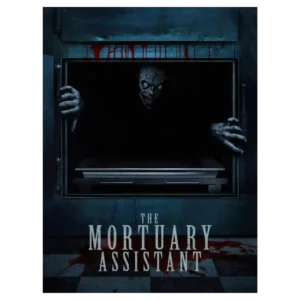
Choose The Mortuary Assistant for special effects quality and lead performance.
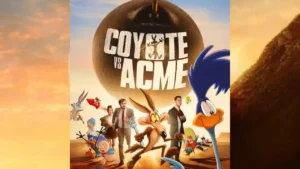
Choose Coyote vs. Acme for dialogue quality and tonal consistency.
Why these recommendations?
The Mortuary Assistant
Where It Has the Edge
special effects quality is 4.6 vs 3.9. Effects work is overwhelmingly praised, especially the visceral corpse preparation, gore, prosthetics, and body-horror imagery. Even reviewers who...
lead performance is 4.3 vs 3.9. Willa Holland is the clearest acting strength and is repeatedly credited with carrying the film through weak exposition...
CGI quality is 3.5 vs 3.3. CGI impressions are mixed-to-positive: some reviewers found the digital work solid or unobtrusive, while another thought noticeable CGI...
Coyote vs. Acme
Where It Has the Edge
dialogue quality is 4.1 vs 1.5. The dialogue earns praise for sharp one-liners, dry delivery, and lines that land cleanly within the cartoon-meets-courtroom tone.
tonal consistency is 3.8 vs 1.9. Most reviewers think the film finds the right Looney Tunes tone, balancing silliness, sincerity, and satire. Some note...
The Mortuary Assistant2.8 overall score
Coyote vs. Acme3.9 overall score
Compare features
Scores are out of 5. Missing scores mean missing review evidence, not a missing feature.
Scored on both products
Other features
Action sequence quality
The Mortuary Assistant
1.0
The limited physical action drew a sharp complaint for awkward staging and editing when characters are thrown around or fight supernatural forces.
Coyote vs. Acme
4.0
Reviewers praise the chase scenes, stunt work, and set pieces for using cartoon logic in lively ways. The car chase and practical action are among the specifically highlighted sequences.
Dialogue quality
The Mortuary Assistant
1.5
Dialogue is a consistent weakness, with repeated complaints about unnatural exchanges, robotic delivery, exposition-heavy conversations, and lines that feel carried over from game logic rather than film dialogue.
Coyote vs. Acme
4.1
The dialogue earns praise for sharp one-liners, dry delivery, and lines that land cleanly within the cartoon-meets-courtroom tone.
Writing quality
The Mortuary Assistant
1.6
The screenplay is the film’s most consistently criticized creative component. Dense lore, repetitive explanations, awkward structure, and game-like task progression often crowd out a clean cinematic narrative.
Coyote vs. Acme
4.1
The screenplay is widely praised as clever, witty, and better constructed than the premise might suggest. Even favorable reviews acknowledge a few loose strands, repetitive beats, or conventional turns.
Genre satisfaction
The Mortuary Assistant
2.5
As horror, the movie is divisive and leans negative: practical gore and creepy mortuary imagery satisfy some genre fans, while many others say it simply is not scary or tense enough.
Coyote vs. Acme
5.0
One enthusiastic reviewer calls it the best court-procedural film of the decade so far, signaling very strong satisfaction with the legal-comedy format.
Humor
The Mortuary Assistant
2.0
Humor is mostly accidental rather than intentional. Reviewers who laughed did so at stiff performances or awkward horror beats, not because the script successfully plays as comedy.
Coyote vs. Acme
4.0
Humor is the clearest point of agreement: most reviewers find the film genuinely funny, often hilarious, with rapid-fire visual gags and slapstick. A smaller group thinks the comedy is too tame, inconsistent, or less anarchic than the classic shorts.
Language level
The Mortuary Assistant
4.0
One horror-focused review treats the foul-mouthed possession material as part of the film’s enjoyable extreme-horror texture rather than a distracting excess.
Coyote vs. Acme
2.0
The only direct language assessment warns that the movie goes beyond the mild obscenities associated with older Looney Tunes material.
Violence level
The Mortuary Assistant
5.0
For viewers seeking graphic horror, the violence is a feature rather than a flaw: mutilation, bloodletting, corpse work, and gore are described as nasty, visceral, and enthusiastically effective.
Coyote vs. Acme
3.0
Cartoon violence is treated as fun by some reviewers but as overly prevalent by a content-focused critic. Approval therefore depends heavily on tolerance for classic slapstick harm.
Story quality
The Mortuary Assistant
2.1
The core premise has potential, but the movie’s story is usually judged too cluttered, repetitive, or lore-heavy to fully work. A smaller group likes how it reshapes multiple game threads into one night and gives Rebecca more personal context.
Coyote vs. Acme
4.1
Reviewers generally find the legal-conspiracy story clever, engaging, and surprisingly substantial for a Looney Tunes premise. One strong dissenter calls the concept high-concept inanity, but most say the story gives the comedy real shape.
Tonal consistency
The Mortuary Assistant
1.9
Several reviewers felt the movie stays flat or shifts awkwardly between trauma drama, game-like tasks, and supernatural horror. Its grim mood is consistent visually, but dramatic escalation often feels uneven.
Coyote vs. Acme
3.8
Most reviewers think the film finds the right Looney Tunes tone, balancing silliness, sincerity, and satire. Some note that getting the tone right does not always prevent individual story beats from falling flat.
Editing quality
The Mortuary Assistant
1.7
Editing is a recurring problem: several reviewers describe scenes as disconnected, oddly ordered, or abruptly cut between scares and exposition. A few found the construction serviceable, but the overall pattern is negative.
Coyote vs. Acme
3.5
One reviewer says the editing follows the comic rhythms of a Looney Tunes short, helping the feature preserve some of the source material's snap.
Originality
The Mortuary Assistant
2.2
A handful of reviewers liked the unusual mortuary-and-demon concept and reality-bending setup, giving the core premise stronger marks than the execution around it.
Coyote vs. Acme
3.9
The lawsuit premise is repeatedly described as simple, clever, ingenious, and unusually well suited to Wile E. Coyote. Several reviewers say the familiar cartoon setup feels fresh when reframed as a legal battle.
Suspense
The Mortuary Assistant
2.5
The film can generate dread through isolation, shadows, and clinical routine, especially early on. Many reviewers say that tension repeatedly collapses under exposition, predictable jump scares, or overexposed monsters.
Coyote vs. Acme
4.2
The conspiracy and legal-thriller elements give the film more tension than a simple gag reel, with reviewers enjoying the mystery, noir flavor, and escalating stakes.
Ending satisfaction
The Mortuary Assistant
1.7
The finale is one of the weakest consensus areas, often described as rushed, underwhelming, confusing, or not worth the buildup. A minority liked how it folded multiple game endings together and left room for more.
Coyote vs. Acme
3.4
Most comments on the ending are positive, praising an unexpectedly moving or funny wrap-up. A few reviewers wanted a less rushed, less muddled final act.
Drama quality
The Mortuary Assistant
4.0
One reviewer felt Holland could make dramatic moments land even when the script had not fully earned them, highlighting how much the emotional material depends on her performance.
Coyote vs. Acme
2.5
The one direct comparison on dramatic impact says the film's drama does not land as strongly as Roger Rabbit's. That is a narrow but clearly negative assessment.
Cast chemistry
The Mortuary Assistant
2.5
Character chemistry is inconsistent. Some reviewers liked the uneasy interplay around Rebecca and Raymond, while others felt the cast lacked connection and that this weakened the film’s emotional pull.
Coyote vs. Acme
3.9
The central pairings generally work: Wile E. and Kevin develop an engaging buddy dynamic, while other hero-villain and human-toon combinations add comic energy and emotional connection.
Directing quality
The Mortuary Assistant
3.5
Jeremiah Kipp earns credit for atmosphere, clinical detail, and isolated creepy images, but opinions split on his handling of pacing, action, and narrative coherence. The craft is often stronger than the movie’s overall flow.
Coyote vs. Acme
4.9
Dave Green's direction is one of the strongest creative points, with reviewers praising his grasp of Looney Tunes timing, affection for the material, and ability to make the hybrid world work.
Runtime
The Mortuary Assistant
2.2
At roughly an hour and a half, the film is objectively compact, yet many reviewers say it feels much longer because of repetition and exposition. A few thought the concise length worked in its favor.
Coyote vs. Acme
3.5
Runtime opinions are mixed. Some reviewers think the feature-length format works surprisingly well, while others feel the short-form gag style strains over 90-plus minutes or could lose a few minutes late.
Score quality
The Mortuary Assistant
2.8
The score divides reviewers: some found it enveloping or appropriately eerie, while others thought the cues were intrusive, generic, or forgettable and sometimes spoiled otherwise tense moments.
Coyote vs. Acme
4.0
Steven Price's score is praised for playful orchestral writing and Looney Tunes-style musical touches, including clever use of the Road Runner's signature sound.
Pacing
The Mortuary Assistant
1.8
Pacing is one of the strongest recurring complaints. Many reviewers found the 90-ish-minute film slow, uneven, repetitive, or burdened by exposition, although a few liked its concise slow-burn rhythm.
Coyote vs. Acme
3.0
Pacing draws the most consistent structural caveat: some reviewers call the film brisk or never dull, while others flag middle stretches, courtroom material, or late-act sections that drag.
Message quality
The Mortuary Assistant
3.0
The addiction-and-possession parallel works for reviewers who connect with Rebecca’s lifelong struggle against guilt and relapse. Others find the metaphor obvious, overexplained, or too loosely attached to the plot.
Coyote vs. Acme
3.9
Most reviewers like the film's messages about perseverance, friendship, justice, and corporate power, often calling them timely or meaningful. One ideological dissenter strongly rejects the anti-corporate framing.
Cinematography
The Mortuary Assistant
3.5
The mortuary is often photographed with immersive close-ups, shadows, tracking shots, and claustrophobic framing. A smaller group found the lighting muddy, washed out, or visually bland.
Coyote vs. Acme
4.4
Cinematography is praised for making animated characters feel integrated with real offices, streets, and sets. Lighting and compositions help the hybrid world feel physical rather than pasted together.
Special effects quality
The Mortuary Assistant
4.6
Effects work is overwhelmingly praised, especially the visceral corpse preparation, gore, prosthetics, and body-horror imagery. Even reviewers who dislike the movie often single out the effects as worth seeing.
Coyote vs. Acme
3.9
The live-action/animation effects are mostly praised as seamless and convincing, though a few reviewers stop short of calling the hybrid work top-tier.
Character development
The Mortuary Assistant
3.0
Rebecca’s recovery, grief, and growing confidence give the film an emotional spine for some viewers. Others found her backstory thin, clichéd, or awkwardly connected to the demonic plot.
Coyote vs. Acme
3.7
Reviewers appreciate how the film gives Wile E. Coyote more dimension without erasing his familiar identity. His failures, trauma, perspective, and persistence make him feel more fully realized.
Plot clarity
The Mortuary Assistant
1.9
The mythology and cause-and-effect are frequently hard to follow, especially for newcomers. A few reviewers found the reveals clear enough, but many describe unanswered questions, confusing rules, and scenes that fail to connect.
Coyote vs. Acme
2.5
The clearest plot-clarity criticism is that the final act becomes somewhat muddled and formulaic. That concern is isolated rather than a broad consensus.
Realism
The Mortuary Assistant
3.9
The clinical mortuary work benefits from tactile sets and convincing practical detail, making embalming and corpse preparation feel unusually immediate. A few effects break the illusion, but the procedural material is a major grounding force.
Coyote vs. Acme
4.5
One reviewer specifically praises how naturally the live-action world accommodates animated characters, making the mixed reality feel internally believable.
Theme depth
The Mortuary Assistant
2.9
Addiction, grief, guilt, self-harm, and the idea of a lifelong struggle against inner demons give the film thematic ambition. Reviewers split sharply on whether those ideas feel poignant or overly familiar and explicit.
Coyote vs. Acme
3.5
The film earns some thematic credit for treating Wile E.'s endless struggle through a Sisyphus-like lens, adding a philosophical layer to the comedy.
Practical effects quality
The Mortuary Assistant
4.6
Practical mortuary effects are the film’s most consistent triumph. Embalming, autopsy, gore, wounds, corpses, and prosthetic work are repeatedly called convincing, visceral, gross, and memorable.
Coyote vs. Acme
5.0
Practical stunt work and on-location filmmaking receive especially strong praise for giving the cartoon mayhem tangible weight.
Faithfulness to source material
The Mortuary Assistant
3.5
The film recreates the game’s location, rituals, creatures, and recognizable beats with considerable fidelity. Reviewers disagree on whether that loyalty is a strength or the reason game mechanics and lore feel clumsy on screen.
Coyote vs. Acme
3.8
Most reviewers think the movie understands and respects Looney Tunes, preserving character personalities, slapstick grammar, and affectionate deep cuts. A vocal minority finds it tamer or less true to the old cartoons' anarchic spirit.
CGI quality
The Mortuary Assistant
3.5
CGI impressions are mixed-to-positive: some reviewers found the digital work solid or unobtrusive, while another thought noticeable CGI use undercut creature scenes that would have benefited from more practical work.
Coyote vs. Acme
3.3
CGI reactions are mixed: one reviewer dislikes the cell-shaded CG approach, while another praises specific rendered environments. The compromise works better for some viewers than others.
Emotional impact
The Mortuary Assistant
3.8
The addiction-and-trauma material can hit hard when Rebecca’s guilt and recovery are foregrounded, and one reviewer found it deeply resonant. Others felt weak chemistry or clumsy integration blunted that impact.
Coyote vs. Acme
4.0
A major surprise for many reviewers is the film's heart. Wile E.'s persistence, his relationships, and the underdog story repeatedly register as touching, moving, or unexpectedly emotional.
Comfort and build
World-building
The Mortuary Assistant
1.9
The demonic rules and mortuary mythology are a major fault line. Fans sometimes enjoy the expanded lore and game callbacks, but many reviewers find the explanations simultaneously dense, incomplete, and difficult to translate into movie logic.
Coyote vs. Acme
4.2
The human-and-toon world often feels natural and easy to accept, though one reviewer wishes the movie developed that society more deeply.
Sound design
The Mortuary Assistant
4.8
Sound design is a major technical strength, from clinical embalming noises to oppressive institutional clangs and subtle mortuary ambience. Even mixed reviews credit it with doing heavy atmospheric work.
Coyote vs. Acme
3.3
Sound gets conflicting reactions: one review says the movie sounds like a proper Looney Tunes feature, while another criticizes the presentation as subpar.
Production design
The Mortuary Assistant
4.3
River Fields Mortuary is widely praised as a claustrophobic, detailed central location that often resembles the game closely. Even negative reviews commonly acknowledge the set work and low-budget production effort.
Coyote vs. Acme
4.5
The practical sets receive positive notice for supporting physical gags and helping the cartoon action feel grounded in real spaces.
Visual style
The Mortuary Assistant
3.1
The film has striking pockets of grim lighting, clinical close-ups, game-faithful compositions, and creepy creature imagery. Other reviewers find the palette drab or the lighting too dark, so the visual style is more admired in moments than universally.
Coyote vs. Acme
3.0
Visual reactions are more divided than the overall reception: many like the look and physical integration, while others call parts of the rendering rough, unpolished, or insufficiently abstract.
Ownership and support
Entertainment value
The Mortuary Assistant
2.1
Overall enjoyment skews negative despite pockets of enthusiasm. Viewers who respond to the gore, mortuary setting, and game callbacks can have fun, but many found the movie boring, tedious, or forgettable.
Coyote vs. Acme
4.1
Entertainment value is very strong across the set: reviewers repeatedly call the movie fun, charming, delightful, or a good time. The main exceptions see it as merely likable or held back by uneven execution.
Rewatch value
The Mortuary Assistant
3.7
Rewatch interest is split but generally positive among supporters: some expect repeat viewings to reveal missed details or reward devoted fans, while confusion made at least one reviewer’s repeat attempts feel like work.
Coyote vs. Acme
3.8
Several reviewers expect the comedy to reward repeat viewing and explicitly want to see it again. A smaller group considers it worth one viewing but not a repeat purchase or rewatch.
Value for money
The Mortuary Assistant
3.5
Value depends heavily on the viewer: game fans and body-horror devotees can find the faithful details worth the ticket or rental, while one severe detractor regretted even a tiny booking fee.
Coyote vs. Acme
3.5
Value opinions are polarized: one viewer calls it their best movie-ticket money in years, while another says weak sound and image quality make a family theater outing a tough sell.
Controls and connectivity
Audience appeal
The Mortuary Assistant
2.8
Game fans are the clearest target, with several reviewers saying familiarity adds recognition and context. Newcomer appeal is much less certain because the lore can be hard to follow, though a few reviewers found it accessible without playing.
Coyote vs. Acme
4.0
Looney Tunes fans are the clearest audience, but many reviewers also expect families and casual viewers to have fun. The courtroom stretches and nostalgia-heavy references may be less immediate for some children or newcomers.
Age appropriateness
The Mortuary Assistant
3.5
One reviewer treated the film as plausible high-school sleepover horror, while another informally pegged its gore, profanity, and embalming imagery around a PG-13 level. The material is still deliberately grisly.
Coyote vs. Acme
3.6
Age appeal is somewhat split: many say children can enjoy the slapstick, while adults get the satire and nostalgia. Others think the legal material and older references skew more toward grown-up Looney Tunes fans.
Performance
Supporting cast performance
The Mortuary Assistant
2.8
Supporting performances are much more divisive than the lead. Paul Sparks is praised by some as perfectly eerie and detached, while others call him robotic, one-note, or unintentionally funny; smaller supporting turns fare better.
Coyote vs. Acme
3.8
The supporting cast is commonly described as fun and effective, with several comic turns singled out. One reviewer is notably unimpressed with Lana Condor's presence.
Acting performance
The Mortuary Assistant
3.1
The cast is one of the film’s most disputed elements. Willa Holland is frequently praised for grounding Rebecca, while several reviewers found other performances stiff, robotic, or uneven.
Coyote vs. Acme
3.8
The ensemble is usually viewed as well cast and game for the hybrid format. A minority finds the live-action performances merely okay or too flat beside the animated characters.
Soundtrack quality
The Mortuary Assistant
2.3
Music reactions lean negative overall: some liked the creepy game-derived theme, but others found the broader music distracting, overbearing, or too eager to manufacture scares.
Coyote vs. Acme
2.8
Soundtrack comments are mixed to negative overall: a rap cue gets some approval, while the closing-credit song choice disappoints one franchise fan.
Lead performance
The Mortuary Assistant
4.3
Willa Holland is the clearest acting strength and is repeatedly credited with carrying the film through weak exposition and uneven scares. Even mixed reviews usually describe her as committed, grounded, or effective.
Coyote vs. Acme
3.9
Will Forte receives broad praise as the human lead and straight-man foil, with several reviewers calling him ideal or perfectly cast. A few dissenters find him one-note, disconnected, or too subdued.
Evidence available for one product
Other features
Animation quality
The Mortuary AssistantNo score yet
Coyote vs. Acme
3.8
Animation is broadly praised as expressive, energetic, and faithful in motion, but several reviewers dislike the 3D-made-to-look-2D technique or notice rough character models and inconsistent polish.
Archival footage quality
The Mortuary AssistantNo score yet
Coyote vs. Acme
4.5
The one direct comment on archival material praises the use of older clips as a smart, affectionate way to connect the new film with Looney Tunes history.
Family friendliness
The Mortuary AssistantNo score yet
Coyote vs. Acme
4.0
Most reviewers see it as workable family entertainment with jokes for children and adults. Content-focused criticism warns parents about the violence, language, and ribald asides.
Makeup quality
The Mortuary Assistant
3.6
Body and creature makeup is usually praised, especially the grisly mortuary work. The main monster is more divisive, with some calling it memorable and others saying visible low-budget seams make it look costume-like.
Coyote vs. AcmeNo score yet
Scares
The Mortuary Assistant
2.2
Scare effectiveness is the central disappointment for many reviewers. Creepy background figures, the Mimic, body horror, and occasional fake-outs work, but repetitive jump scares and weak buildup often keep the film from feeling truly frightening.
Coyote vs. AcmeNo score yet
Sexual content level
The Mortuary AssistantNo score yet
Coyote vs. Acme
2.5
The only direct sexual-content assessment flags a few unexpectedly ribald asides as a family-viewing concern.
Choose this inventive, unsettling documentary for fearless questioning, dark humor, and unpredictable storytelling. Skip it if you want a short, straightforward exposé with definitive answers.
Best for a hypnotic, bookish mystery with tactile visuals and cerebral chills. Skip it if reading-heavy, attention-demanding storytelling sounds more exhausting than exciting.
Best for an intimate, searching documentary that rewards focused attention and invites discussion. Skip it when devastating grief, addiction footage, and unresolved family tensions would be too much.
Best for patient suspense, an unforgettable score, and an unsettling masked killer. Skip it for very young children or if you want to avoid intense scares; its restrained kills also...