Compare Peaky Blinders: The Immortal Man vs Sense and Sensibility

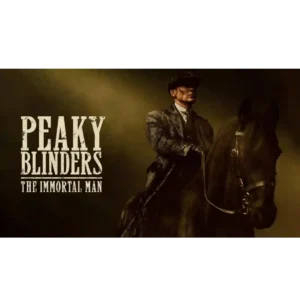
Peaky Blinders: The Immortal Man

Peaky Blinders: The Immortal Man

Overall score 3.7 / 5

Based on 42 scored reviews

vs
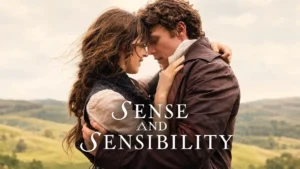
Sense and Sensibility

Sense and Sensibility

Overall score 4.0 / 5

Based on 64 scored reviews

How we score

Scorata scores summarize analyzed review evidence on a 1–5 scale; they are not laboratory measurements or a simple average of customer star ratings. Feature scores summarize the reviews covering that feature. The overall score averages feature scores within each review, then combines review averages. When both expert and customer evidence are available, those two groups receive equal weight. Products can have different review coverage, so small score gaps do not establish a winner.

Recommendations prioritize important features for the category, with a score of at least 3.5, a gap of at least 0.25 points and at least two supporting reviews per product. Features with widely varying scores or broad connectivity contexts are excluded from recommendations. These safeguards do not establish statistical significance.

Quick verdict

What each product is best for

The review evidence points to a tradeoff: lead performance and acting performance versus realism. Choose according to which strengths matter more to you; the overall score alone does not settle that choice.

Choose Peaky Blinders: The Immortal Man for lead performance and acting performance.

Choose Sense and Sensibility for realism.

Why these recommendations?

Peaky Blinders: The Immortal Man

Where It Has the Edge

  • lead performance is 4.9 vs 4.4. Cillian Murphy’s return as Tommy is overwhelmingly praised for its weary stillness, menace, grief, and emotional control; even...
  • acting performance is 4.7 vs 4.4. The cast is one of the film’s safest bets: even many negative reviews praise the performances, with the...

Sense and Sensibility

Where It Has the Edge

  • realism is 4.4 vs 1.9. Natural performances, worn clothes, shabby rooms, and tactile landscapes make the period world feel inhabited. A few viewers...
Peaky Blinders: The Immortal Man 3.7 overall score
Sense and Sensibility 4.0 overall score

Compare features

Scores are out of 5. Missing scores mean missing review evidence, not a missing feature.

Scored on both products

Other features

Romance quality
Peaky Blinders: The Immortal Man
1.5

The romantic material fares poorly, with Tommy’s sex scene described as cheesy rather than convincing.

Sense and Sensibility
4.2

Small gestures and unspoken feeling can create intense yearning without explicit sexual display. Elinor and Edward’s restraint and Marianne’s less-developed relationships leave some viewers wanting more spark.

Realism
Peaky Blinders: The Immortal Man
1.9

Period immersion is weakened for some by modern-looking styling, oversized stakes, and questionable wartime plausibility. The film’s stylized mythmaking of Tommy also draws skepticism.

Sense and Sensibility
4.4

Natural performances, worn clothes, shabby rooms, and tactile landscapes make the period world feel inhabited. A few viewers find the stakes too soft for that realism to hold.

Drama quality
Peaky Blinders: The Immortal Man
4.0

The film’s grief-heavy, introspective drama gives Tommy’s final chapter weight for many viewers, though its persistent misery and brooding occasionally overwhelm the entertainment.

Sense and Sensibility
2.0

The somber visual treatment can stifle the dramatic energy rather than intensify it.

Editing quality
Peaky Blinders: The Immortal Man
2.5

Hazy reverie-style editorial cuts are criticized as visually cheesy and as interruptions to the otherwise painterly presentation.

Sense and Sensibility
4.5

Fluid editing supports the elegant visual presentation.

Sexual content level
Peaky Blinders: The Immortal Man
2.0

The sexual material draws a negative reaction because Tommy’s sex scene is viewed as cheesy and out of place.

Sense and Sensibility
3.5

The restrained romance is praised for conveying attraction without explicit sex. A brief nonsexual bathing image feels unnecessary or out of place to a couple of viewers.

Pacing
Peaky Blinders: The Immortal Man
2.2

Pacing is the most consistent weakness: the first half is repeatedly described as slow or drawn out, while the later material can feel rushed as too much story is compressed into feature length.

Sense and Sensibility
3.4

Patient scenes let small gestures and relationships accumulate emotional weight. For others, lingering landscape shots and a crowded final act make the rhythm slow or uneven.

Runtime
Peaky Blinders: The Immortal Man
2.2

At roughly feature length, the movie often feels too compressed for the number of character turns and plot developments it attempts. Several reviewers explicitly wish the story had been a season or miniseries instead.

Sense and Sensibility
3.4

Some stay absorbed throughout the two-hour-plus story and find the duration earned. Others feel the length, especially when quiet interludes delay crowded resolutions.

CGI quality
Peaky Blinders: The Immortal Man
1.0

An apparent CGI hat is called conspicuously poor, creating a distracting visual blemish in the effects work.

Sense and Sensibility
2.0

Visible digital candles look artificial and weaken the otherwise carefully composed period imagery.

Score quality
Peaky Blinders: The Immortal Man
5.0

The score is repeatedly praised for building dread, atmosphere, and intensity, especially as Tommy’s return pushes the film toward its climax.

Sense and Sensibility
4.0

The string-led music is often praised as soothing, expressive, and attuned to suppressed emotion. Others hear generic fluttering strings, misplaced menace, or music that fails to lift key scenes.

Special effects quality
Peaky Blinders: The Immortal Man
1.0

An apparent CGI hat is called distractingly bad, standing out as a conspicuous weakness in the effects work.

Sense and Sensibility
2.0

The conspicuously artificial candles distract from the period presentation.

Genre satisfaction
Peaky Blinders: The Immortal Man
4.1

As a gangster-period-drama send-off, the movie retains much of the show’s identity and pulp energy. Several critics still feel it plays more like an extended television episode than a fully realized feature.

Sense and Sensibility
5.0

The film can deliver the charm and sweeping feeling expected of a lush period romance.

Cinematography
Peaky Blinders: The Immortal Man
5.0

The cinematography is the clearest consensus strength, praised for striking light, shadow, mud, rubble, wintry landscapes, and a genuinely cinematic sense of scale.

Sense and Sensibility
4.2

Painterly landscapes, tactile 35mm imagery, and intimate natural details are major attractions. Shaky camerawork, awkward shot choices, and excessively dark images frustrate some viewers.

Story quality
Peaky Blinders: The Immortal Man
3.3

The core legacy-and-war story is compelling and emotionally satisfying for many reviewers, but others call the movie unnecessary, thin, half-baked, or unable to justify rewriting the series’ prior ending.

Sense and Sensibility
4.1

The Dashwoods’ search for security and love remains compelling and emotionally relatable. Simplified stakes and familiar withholding of information can make parts of the story frustrating.

Message quality
Peaky Blinders: The Immortal Man
4.1

The strongest readings focus on legacy, self-definition, family, and the cost of valuing power over people. One severe critic felt the film squandered the larger sense of purpose built around Tommy.

Sense and Sensibility
4.8

Love, honor, sacrifice, and striving to do right give the film an appealingly humane outlook.

Dialogue quality
Peaky Blinders: The Immortal Man
2.5

Dialogue receives mixed marks: some reviewers praise sharp lines and economical exposition, while others call it simplistic, clunky, corny, or overly explanatory.

Sense and Sensibility
3.2

Austen’s verbal wit and formal language can make restrained conversations richly enjoyable. Some hear a loss of poetry or awkward joins between modern wording and borrowed lines.

Originality
Peaky Blinders: The Immortal Man
2.5

The central comeback structure, Nazi scheme, and legacy conflict are often described as familiar or clichéd, with several critics saying the film rarely finds a genuinely new plot shape.

Sense and Sensibility
3.1

The grounded, sister-focused interpretation gives familiar material a fresh texture for some. Others see a safe retelling that borrows too heavily from earlier period romances.

Writing quality
Peaky Blinders: The Immortal Man
2.8

The script earns credit for themes, twists, and some strong dialogue, but criticism is substantial: exposition, clichés, rushed character work, and compressed plotting repeatedly surface.

Sense and Sensibility
3.3

The screenplay foregrounds financial insecurity and makes room for subtle performances. Uneven characterization, forced dialogue, and reliance on withheld information keep it from satisfying everyone.

Faithfulness to source material
Peaky Blinders: The Immortal Man
3.5

The film restores the show’s swagger, music, visual language, and callbacks, satisfying many longtime fans. Others see missing characters and major legacy decisions as betrayals of the series’ established arcs.

Sense and Sensibility
3.9

Many welcome a traditional adaptation that retains Austen’s emotional and moral core. Others object to simplified backstories, altered character behavior, or a loss of wit and nuance.

Plot clarity
Peaky Blinders: The Immortal Man
3.7

Some newcomers report following the story surprisingly easily without heavy recaps, but other reviews point to shaky logic or exposition that does too much work.

Sense and Sensibility
4.0

Streamlining helps make a complicated novel more accessible, and some appreciate the absence of handholding. Late misunderstandings and missing context can still be hard to follow.

Emotional impact
Peaky Blinders: The Immortal Man
3.8

For supporters, the film delivers grief, regret, family conflict, and a powerful farewell with real force. Detractors found key deaths rushed, contrived, or too hollow to land.

Sense and Sensibility
4.1

Restrained longing, heartbreak, and sisterly reconciliation move many viewers to laughter and tears. Others find the gloomy treatment, repetitive crying, or weak romantic buildup emotionally distancing.

Cast chemistry
Peaky Blinders: The Immortal Man
4.0

Murphy and Keoghan’s father-son dynamic is often described as raw, magnetic, and powerful. A smaller group felt the pair never generated the expected sparks or emotional bond.

Sense and Sensibility
4.3

Sisterly friction and loyalty are widely admired, but the romantic chemistry is more divisive. Elinor and Edward inspire intense yearning for some and little spark for others.

Character development
Peaky Blinders: The Immortal Man
3.2

Tommy’s reckoning with grief and Duke’s struggle with his father’s legacy work for many reviewers, but the compressed format leaves several supporting characters—and, for some, Duke himself—feeling thin or underdeveloped.

Sense and Sensibility
3.5

The sisters’ contrasting emotional habits can yield persuasive growth and insight. Critics of the adaptation find that exaggeration, simplified suitors, or rushed development reduces their complexity.

Humor
Peaky Blinders: The Immortal Man
4.0

Dark comedy—especially the Garrison grenade sequence and father-son mud fight—provides welcome relief from the gloom. A few detractors find some of the comic touches cheesy rather than sharp.

Sense and Sensibility
4.2

Shaw and the Middletons supply much of the successful comedy, with additional wit in sibling exchanges. Some miss the lighter social observation and comic buoyancy of earlier adaptations.

Theme depth
Peaky Blinders: The Immortal Man
4.2

Legacy, grief, trauma, memory, family inheritance, and self-definition give the film substantial thematic weight. Critics who resist the movie argue these ideas are compressed, overplayed, or left insufficiently explored.

Sense and Sensibility
4.0

Reason, passion, sisterhood, and women’s dependence on marriage give the film substance beyond courtship. Its narrower emotional focus sometimes loses Austen’s sharper social nuance.

Tonal consistency
Peaky Blinders: The Immortal Man
3.0

The sombre, gothic, highly stylized mood works for some as a fitting final chapter, but others find the film tonally off, overly miserable, campy, or caught awkwardly between old and new Peaky Blinders.

Sense and Sensibility
2.9

The earthy, melancholy mood feels sincere and appropriate to some. Others find a clash between painterly romance, broad comedy, and social satire, or simply wish for more lightness.

Ending satisfaction
Peaky Blinders: The Immortal Man
3.7

The ending is intensely divisive: many call it fitting, powerful, or even perfect closure for Tommy, while others believe it needlessly overturns the stronger symbolism of Season 6.

Sense and Sensibility
3.8

The final releases of feeling and sisterly joy can be deeply satisfying. A confusing fakeout, insufficient romantic buildup, or an imbalanced lead-up weakens that payoff for others.

Ownership and support

Rewatch value
Peaky Blinders: The Immortal Man
2.1

Rewatch interest is sharply polarized: one enthusiastic reviewer immediately wanted another viewing, while several detractors say they would not revisit it and even feel it harms the series’ rewatchability.

Sense and Sensibility
4.0

The inviting world and emotional warmth prompt some to want another visit. Others expect a single viewing to be enough because the adaptation lacks a lasting identity.

Entertainment value
Peaky Blinders: The Immortal Man
3.1

Reactions range from gripping, highly enjoyable fan service to dull, hollow, or unnecessary viewing. A common middle ground is that the movie becomes much more entertaining after its slow first half.

Sense and Sensibility
4.1

Many describe a charming, absorbing experience that combines laughter, heartbreak, and warmth. More reserved assessments call it serviceable or boring rather than memorable.

Value for money
Peaky Blinders: The Immortal Man
4.0

The big-screen outing is framed as earned and worth paying for, with the theatrical presentation treated as part of the appeal.

Sense and Sensibility
4.5

The carefully handled performances and sisterly connection make the cinema experience feel worth its price.

Comfort and build

Visual style
Peaky Blinders: The Immortal Man
4.7

The visual presentation is consistently celebrated: smoky interiors, chiaroscuro lighting, slow-motion swagger, period grime, and large-scale wartime imagery make the movie look distinctly cinematic.

Sense and Sensibility
4.0

Earthy greens, browns, candlelight, and weathered textures create a distinctive romantic world for many. Others find the muted grading drab enough to drain the story’s energy.

Costume design
Peaky Blinders: The Immortal Man
3.7

The return of Tommy’s tailored Peaky Blinders look remains a major visual pleasure, with covetable coats and sharp suiting earning praise. One review found Duke’s modern-looking styling immersion-breaking.

Sense and Sensibility
4.2

Gowns and textured period clothing contribute to the film’s lived-in beauty. More contemporary styling choices divide opinion and occasionally distract from the setting.

Production design
Peaky Blinders: The Immortal Man
4.2

Blitz-era Birmingham, grime, rubble, docks, pubs, and warehouses are generally rendered with impressive tactile detail and scale. One negative review thought parts of the production looked like a soundstage.

Sense and Sensibility
4.5

The move from comfortable Norland to shabby Barton Cottage gives financial decline a tangible form. Lived-in rooms and the approach to London help make the period world convincing.

Performance

Historical accuracy
Peaky Blinders: The Immortal Man
3.2

Reviewers appreciate the use of World War II events and the counterfeit-currency plot as historical grounding. Others question specific period details, plausibility, or the sentimental elevation of Tommy within wartime history.

Sense and Sensibility
3.8

Lived-in interiors, restrained language, and period detail often feel convincing. Modern hair and unconventional dance movement are the recurring points of friction.

Lead performance
Peaky Blinders: The Immortal Man
4.9

Cillian Murphy’s return as Tommy is overwhelmingly praised for its weary stillness, menace, grief, and emotional control; even harsh critics routinely identify him as a major strength.

Sense and Sensibility
4.4

Daisy Edgar-Jones’s bottled-up feeling and Esmé Creed-Miles’s emotional openness give the sisters distinct personalities. Some find that contrast moving; others see wooden restraint or excessive melodrama.

Soundtrack quality
Peaky Blinders: The Immortal Man
4.4

Modern-rock needle drops remain a signature strength and are widely praised for driving emotion and atmosphere. A few reviewers find the choices dated, overly loud, or less appealing outside the iconic theme reprise.

Sense and Sensibility
4.0

The soundtrack’s calm melancholy suits the autumnal atmosphere. Its blended musical identity is pleasant rather than especially distinctive.

Supporting cast performance
Peaky Blinders: The Immortal Man
4.1

The supporting ensemble is generally considered strong, particularly Keoghan, Roth, Rundle, Graham, and Ferguson. The bigger complaint is often that the movie underuses them or gives their characters too little depth.

Sense and Sensibility
4.4

Fiona Shaw’s boisterous matchmaking and the comic Middletons frequently enliven the film. The suitors also attract praise, though several performances feel underdeveloped or too subdued to some viewers.

Acting performance
Peaky Blinders: The Immortal Man
4.7

The cast is one of the film’s safest bets: even many negative reviews praise the performances, with the central actors repeatedly credited for elevating uneven material.

Sense and Sensibility
4.4

The ensemble generally earns praise for believable emotion and lively comic support. Dissenting voices find some central performances too restrained or exaggerated.

Controls and connectivity

Audience appeal
Peaky Blinders: The Immortal Man
3.7

Longtime Peaky Blinders fans are the clearest audience, especially for the callbacks and emotional closure. Reviewers disagree on newcomers: some found the film easy to follow, while others strongly recommend watching the series first.

Sense and Sensibility
4.3

Austen fans and lovers of warm period romance are the clearest audience, with several newcomers also won over. Viewers seeking radical reinvention or brisk, sparkling courtship may be less persuaded.

Evidence available for one product

Other features

Accent authenticity
Peaky Blinders: The Immortal ManNo score yet
Sense and Sensibility
3.5

Nordrum’s English accent is convincing enough to surprise one viewer about his nationality. Another finds the lingering Norwegian accent distracting.

Action sequence quality
Peaky Blinders: The Immortal Man
4.0

The action lands best once Tommy returns to Birmingham, with the pub confrontation, shootouts, explosions, and finale frequently singled out. Critics who wanted more momentum found the action too delayed or the climax predictable.

Sense and SensibilityNo score yet
Animal presence
Peaky Blinders: The Immortal ManNo score yet
Sense and Sensibility
4.8

Frequent dogs, horses, and other animals add charm and pleasure to the inhabited countryside world.

Atmosphere
Peaky Blinders: The Immortal ManNo score yet
Sense and Sensibility
4.6

Earthy landscapes, candlelit rooms, and warm family interactions create an immersive, often comforting mood. The autumnal melancholy is appealing to many, even when the story turns painful.

Casting quality
Peaky Blinders: The Immortal ManNo score yet
Sense and Sensibility
4.4

Youthful leads make the sisters’ vulnerability and responsibilities feel more immediate, while George MacKay is often seen as an ideal Edward. The Palmer casting draws specific objections from a few voices.

Character screen time
Peaky Blinders: The Immortal ManNo score yet
Sense and Sensibility
2.4

Mrs. Dashwood, Margaret, and Colonel Brandon sometimes receive too little room to register fully. Limited time with the suitors can also weaken investment in the romances.

Class commentary
Peaky Blinders: The Immortal ManNo score yet
Sense and Sensibility
4.3

Inheritance and the threat of reduced circumstances shape the romances rather than sitting in the background. Some appreciate that sharper economic emphasis; others find the social satire less fully developed.

Cultural representation
Peaky Blinders: The Immortal Man
5.0

Tommy’s spiritual and gypsy side is praised as one of the most worthwhile expansions of his character in the film.

Sense and SensibilityNo score yet
Dance choreography
Peaky Blinders: The Immortal ManNo score yet
Sense and Sensibility
3.9

The country hop and London ball can express first love and romantic longing beautifully. Their contemporary, exaggerated movement is also one of the film’s most divisive choices.

Dialogue clarity
Peaky Blinders: The Immortal ManNo score yet
Sense and Sensibility
3.5

The formal language can reward close attention without unnecessary explanation. Some conversations and late misunderstandings are less clear because the phrasing feels forced.

Directing quality
Peaky Blinders: The Immortal Man
4.5

Tom Harper is frequently praised for confident staging, visual control, suspense, and explosive set pieces. A few reviews fault specific tonal or narrative choices even while admiring the filmmaking.

Sense and SensibilityNo score yet
Ensemble balance
Peaky Blinders: The Immortal ManNo score yet
Sense and Sensibility
2.9

The dual-sister focus works best when both stories receive equal emotional weight. Marianne’s louder arc and scene-stealing supporting roles can leave Elinor or other characters overshadowed.

Family dynamics
Peaky Blinders: The Immortal ManNo score yet
Sense and Sensibility
4.6

The sisters’ teasing, arguments, and loyalty are frequently the emotional center of the film. A minority find their closeness unconvincing or too easy to fit the story’s conflicts.

Family relationships
Peaky Blinders: The Immortal ManNo score yet
Sense and Sensibility
4.6

Sisterly devotion and family support often feel more persuasive than courtship. The strongest scenes show affection surviving frustration and very different ways of handling pain.

Film framing
Peaky Blinders: The Immortal ManNo score yet
Sense and Sensibility
3.1

Elegant compositions and close attention to bodies and landscape can communicate emotion visually. Awkward crops and distant shots sometimes lose the intimacy a scene needs.

Friendship portrayal
Peaky Blinders: The Immortal ManNo score yet
Sense and Sensibility
2.5

Elinor and Brandon’s friendship feels shortchanged; more direct interaction could have deepened both characters.

Hairstyling
Peaky Blinders: The Immortal ManNo score yet
Sense and Sensibility
2.1

Loose, windswept hair communicates youth and freedom, but Marianne’s persistently disheveled look is a recurring distraction. Several viewers wish for more variation between outdoor scenes and formal visits.

LGBTQ+ representation
Peaky Blinders: The Immortal ManNo score yet
Sense and Sensibility
2.5

The Palmer role prompts frustration that an unconventional casting choice was not matched by a more thoughtfully developed part.

Lighting quality
Peaky Blinders: The Immortal ManNo score yet
Sense and Sensibility
3.6

Candlelit interiors can look beautifully atmospheric and authentic. The darkest passages also draw complaints that faces and action become difficult to see.

Makeup quality
Peaky Blinders: The Immortal ManNo score yet
Sense and Sensibility
3.9

Bare-faced naturalism and period-appropriate detail win praise for making the women feel real. Some find the more contemporary styling out of step with the setting.

Portrayal of women
Peaky Blinders: The Immortal ManNo score yet
Sense and Sensibility
4.5

Financial insecurity and the burden of finding a husband are made immediate through the Dashwoods’ choices. Their agency and mutual support often carry more weight than the romantic resolutions.

Religious messaging
Peaky Blinders: The Immortal ManNo score yet
Sense and Sensibility
4.0

The film’s moral struggle remains meaningful even with less overt church or religious material than the novel.

Scares
Peaky Blinders: The Immortal Man
5.0

The eerie, supernatural-leaning material is praised as some of the eeriest material the franchise has attempted.

Sense and SensibilityNo score yet
Suspense
Peaky Blinders: The Immortal Man
3.4

Several set pieces generate strong tension and claustrophobia, especially the pub and tunnel material. Negative reviews say predictability weakens the climax and removes the sharper twists associated with the series.

Sense and SensibilityNo score yet
Villain quality
Peaky Blinders: The Immortal ManNo score yet
Sense and Sensibility
4.0

Class snobbery and hostility make the antagonists easy to dislike.

Violence level
Peaky Blinders: The Immortal Man
3.8

The film’s cold-blooded, stylized violence generally fits the franchise’s appeal and is often balanced with swagger or dark humor, though it can edge into grim excess for some viewers.

Sense and SensibilityNo score yet

Controls and connectivity

Character appeal
Peaky Blinders: The Immortal ManNo score yet
Sense and Sensibility
4.3

The Dashwoods are often described as sympathetic, relatable company. Marianne’s volatility becomes endearing for some, while a colder interpretation leaves others detached.

Critic appeal
Peaky Blinders: The Immortal Man
3.5

Aggregated critical reaction is broadly favorable but not uniform, with enthusiasm for craft and performances tempered by repeated complaints about pacing, script compression, and sequel necessity.

Sense and SensibilityNo score yet
Marketing appeal
Peaky Blinders: The Immortal ManNo score yet
Sense and Sensibility
2.5

One assessment finds the promotional campaign overly managed and less engaging for readers seeking substantive Austen discussion.

Performance

Marketing accuracy
Peaky Blinders: The Immortal ManNo score yet
Sense and Sensibility
2.5

The promotional framing draws criticism for emphasizing fashionable yearning while leaving little room for a fuller discussion of the adaptation.

Comfort and build

Sound design
Peaky Blinders: The Immortal Man
3.8

The soundscape can feel forceful and theatrical, with one review highlighting Dolby Atmos impact and another calling the sound design incredible. A major dissent criticizes an aggressive music-to-dialogue mix.

Sense and SensibilityNo score yet
World-building
Peaky Blinders: The Immortal Man
3.3

For supporters, Birmingham and the Peaky underworld feel convincingly restored and expanded into wartime. Critics miss the old ensemble and argue the newer, thinner supporting world makes the film feel smaller than the series.

Sense and SensibilityNo score yet

Other Top Movies to Consider

#1 You Can See Everything
4.7

Choose this inventive, unsettling documentary for fearless questioning, dark humor, and unpredictable storytelling. Skip it if you want a short, straightforward exposé with definitive answers.

Pros: originality, humor

#2 Chronovisor
4.7

Best for a hypnotic, bookish mystery with tactile visuals and cerebral chills. Skip it if reading-heavy, attention-demanding storytelling sounds more exhausting than exciting.

Pros: Atmosphere, cinematography

Cons: audience appeal

#3 Remake
4.6

Best for an intimate, searching documentary that rewards focused attention and invites discussion. Skip it when devastating grief, addiction footage, and unresolved family tensions would be too much.

Pros: emotional impact, theme depth

#4 Halloween
4.6

Best for patient suspense, an unforgettable score, and an unsettling masked killer. Skip it for very young children or if you want to avoid intense scares; its restrained kills also...

Pros: directing quality, score quality

Cons: message quality