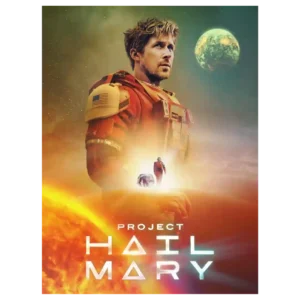
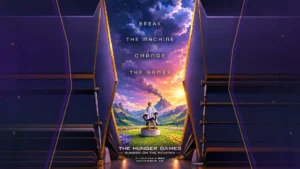
Project Hail Mary
Where It Has the Edge
- age appropriateness is 4.8 vs 2.0. Several reviewers see this as unusually accessible sci-fi for families and older kids, with most-ages appeal and mild...

Scorata scores summarize analyzed review evidence on a 1–5 scale; they are not laboratory measurements or a simple average of customer star ratings. Feature scores summarize the reviews covering that feature. The overall score averages feature scores within each review, then combines review averages. When both expert and customer evidence are available, those two groups receive equal weight. Products can have different review coverage, so small score gaps do not establish a winner.
Recommendations prioritize important features for the category, with a score of at least 3.5, a gap of at least 0.25 points and at least two supporting reviews per product. Features with widely varying scores or broad connectivity contexts are excluded from recommendations. These safeguards do not establish statistical significance.
Quick verdict
The review evidence points to a tradeoff: age appropriateness versus cast chemistry. Choose according to which strengths matter more to you; the overall score alone does not settle that choice.
Choose Project Hail Mary for age appropriateness.
Choose The Hunger Games: Sunrise on the Reaping for cast chemistry.
Scores are out of 5. Missing scores mean missing review evidence, not a missing feature.
The movie includes some existentially frightening moments, but one family-oriented review still considers them manageable within an overwhelmingly hopeful adventure.
The arena and villains are disturbing in concept, although some sequences fall short of the terror one might expect.
CGI is usually praised for disappearing into the practical sets and Rocky puppetry, adding polish without making the world feel synthetic.
The computer-generated animals and arena hazards are a noticeable weak point for several critics, contrasting with otherwise handsome practical environments.
The script is mostly praised for making dense science approachable and organizing the nonlinear mystery cleanly, though negative reviews call parts shallow, contrived or over-explanatory.
The script delivers powerful political and emotional beats but sometimes overexplains ideas or crams too much context into the running time.
The grounded science, practical engineering and tangible sets make much of the film feel believable. Dissenters question character reactions and a handful of convenient scientific or mechanical solutions.
The lush world is convincing, but the healthy-looking tributes and some synthetic creatures can briefly break immersion.
Dense science is generally presented clearly, with multiple reviewers praising how digestible the technical problem solving remains. A few say some concepts are difficult, overly explained or too convenient.
Some of Haymitch’s choices and obvious hazards frustrate viewers despite the broader revolutionary plot remaining understandable.
The ending is the clearest recurring weakness: multiple reviewers say the final act keeps finding new conclusions, feels rushed or structurally overextended after an earlier emotional peak.
The tragic resolution gives Haymitch’s future a moving context, but the late cameos are variously celebrated and criticized as forced fan service.
A family-focused review describes the movie as comparatively tame, with a couple of corpses but less harsh content than the earlier Weir adaptation.
Some find the arena sufficiently brutal, while several argue the PG-13 restraint dulls the book’s horrific violence rather than strengthening the film.
Comedy is a genuine strength for many, particularly Gosling’s physical timing and Grace-Rocky misunderstandings. But the jokes are also polarizing, with some reviewers calling them repetitive, cheesy or tonally disruptive.
Decadent Capitol behavior adds dark, outlandish comedy, but some critics find the exaggeration broad or hollow.
Problem-solving and late space hazards generate strong tension for most reviewers, but a few feel the optimistic tone telegraphs success and drains danger.
Individual traps and confrontations can be tense, but the known fate of Haymitch limits surprise about the broad outcome.
Tone is the most divisive creative choice: many like the balance of humor, tension and sincerity, while detractors say the comedy undercuts danger and the optimism can feel overly insistent.
Tonal consistency attracts criticism for limiting the film’s effectiveness despite its other strengths.
The core concept is often praised as fresh, but predictability and familiar genre DNA keep this from being a universal win.
The prequel adds poignant context but frequently repeats the series’ familiar reaping, parade, arena and rebellion beats rather than discovering a truly new structure.
Book readers largely see this as a strong, faithful adaptation that preserves the novel’s heart and major beats. The strongest dissent argues that departures from the book flatten its moral and philosophical complexity.
The adaptation broadly preserves the novel’s direction, but removed relationships and softened deaths can diminish its harsher nuance for readers.
One reviewer notes that Grace’s lack of romantic or family attachments reduces the sense of personal sacrifice compared with more emotionally anchored space dramas.
Haymitch and Lenore’s affection gives the film tenderness, but limited shared scenes and familiar YA romantic beats leave some critics cold.
The long-hair-and-beard look sells Grace’s extended sleep, though one reviewer jokingly calls out his suspiciously maintained highlights.
Grotesque prosthetics and elaborate Capitol styling create instantly memorable faces, though some disguises and cameo styling feel overdone.
Action is used selectively but lands hard when it arrives, especially the late space set pieces; reviewers call them grounded, tense and visually impressive rather than nonstop spectacle.
The deadly arena offers inventive traps and urgent action, but other critics find the battles too brief, familiar or overwhelmed by effects.
The film usually earns its high stakes through character and problem-solving, but several critics think the bright tone softens danger and emotional weight.
The movie mixes high-stakes action with grief and political conflict, building powerful moments despite occasional tonal strain.
Most reviewers see a smart, heartfelt survival-and-friendship story with strong problem-solving momentum. Negative outliers criticize formula, shallow characterization and convenient plotting.
The origin story gives Haymitch’s eventual disillusionment deeper meaning, although its familiar trajectory and thin sections divide critics.
Grace and Rocky are the movie’s emotional engine; most reviewers call their odd-couple friendship warm, funny and genuinely moving. A few find later interactions repetitive or overly sweet.
Haymitch’s bonds with Maysilee and Lenore often feel genuine, giving the losses and alliances a human core.
Daniel Pemberton’s score is a major strength, frequently described as sweeping, unusual, emotional and integral to the film. One dissent finds the constant grandeur overbearing and tension-flattening.
The orchestral score helps give the grim arena and emotional aftermath dramatic sweep.
Pacing is mixed: some say the long runtime flies by or benefits from deliberate science detail, while others flag a slow opening, second-act drag, flashback friction and late-act sputter.
Some find the film gripping despite its length, while others complain that the setup drags or that its densely packed arena and coda rush crucial moments.
Grace’s growth and Rocky’s characterization work for many reviewers, but this is notably mixed: critics of the adaptation say Grace’s arc is thinner, underexplored, or too unchanged from start to finish.
Haymitch’s transformation earns sympathy, but the compressed ensemble leaves other tributes thinly developed and some motivations rushed.
Friendship, sacrifice, optimism, science and cooperation give the film more thematic weight than a simple adventure for many reviewers. Critics of the adaptation argue those ideas are softened or over-sentimentalized.
Theme depth gets mixed responses: some find it effective, while others feel it weakens the story or presentation.
Space imagery, IMAX scale, framing and texture earn near-universal praise, with Greig Fraser’s work repeatedly called stunning, sublime or top-tier.
Bold imagery, muscular camera work and contrasting bright landscapes with dark events make the film especially cinematic.
Lord and Miller are mostly praised for turning dense science into lively blockbuster filmmaking, though critics who resist the goofy tone find the direction over-insistent or too silly.
Francis Lawrence brings assured command of Panem’s spectacle and tension, although some find his familiar approach too restrained or repetitive.
At roughly two and a half hours, length is the most repeated complaint; many reviewers feel the second half or ending runs long. A few counter that the problem-solving keeps the runtime lively.
At roughly 158 minutes, the expansive scale is rewarding to engaged viewers but a recurring obstacle for those who find the middle or ending overextended.
Many reviewers report tearing up or crying, especially around Grace and Rocky’s bond and the closing stretch. Even some mixed reviews admit the film lands a few powerful emotional moments.
Haymitch’s losses make this one of the series’ bleakest entries; many find the tragedy devastating, while others feel the relentless sorrow becomes numbing.
Several reviewers see this as unusually accessible sci-fi for families and older kids, with most-ages appeal and mild content by PG-13 standards.
The teen-oriented rating allows a broader audience, but some critics think restraining the violence weakens the premise’s horror.
Atmos and sound design receive unanimous praise in the scored sources, from precise spatial cues to Rocky’s sonic language and high-impact action.
Sound design is generally considered a strength, helping make this return to Panem compelling and memorable.
Grace’s nerdy T-shirt choices are praised as character-driven wardrobe that feels natural for his personality rather than planted references.
The striking retro-futurist costumes vividly separate decadent Capitol elites from the struggling districts.
The film’s look is one of its strongest consensus wins: colorful space vistas, tactile sets, aspect-ratio shifts and adventurous camera choices make it feel built for a large screen.
The almost fairy-tale beauty of the deadly arena and colorful retro Capitol earn wide praise, though occasional artificial imagery disrupts immersion.
The Tau Ceti material and alien design give the adventure convincing scale, with space sequences praised as stunning and the science-world detail easy to buy into.
The movie expands the visual and political workings of Panem, linking the more primitive early Games to the spectacle seen in later stories.
The Hail Mary ship and practical environments draw exceptional praise for functional hard-sci-fi detail, tactile construction and large-screen immersion.
Lush arena landscapes and richly furnished, 1970s-inspired Capitol interiors supply much of the film’s spectacle and distinctive identity.
Most reviewers find the film extremely watchable and crowd-friendly despite its length, mixing science puzzles, humor and spectacle into an easy theatrical ride.
Most find the return to Panem absorbing and often thrilling despite the grief; a vocal minority see an exhausted, overly familiar installment.
The 4K review finds the collector’s SteelBook worth seeking out for buyers who want a more complete edition.
Value for money is generally considered a strength, helping make this return to Panem compelling and memorable.
The ensemble is widely praised, with Gosling carrying long solo stretches and supporting players giving the Earth scenes personality. One strongly negative take finds the lead’s familiar comic mannerisms tiring.
The large ensemble is a major draw, with many actors finding expressive new interpretations of familiar Panem figures; a minority find individual portrayals too broad.
Gosling is one of the strongest consensus positives, repeatedly praised for carrying solo stretches with charm, physical comedy and vulnerability. A small minority find the familiar goofy persona strained or tiring.
Joseph Zada carries the film with a warm, determined young Haymitch whose growing trauma convincingly leads toward the familiar older character, though a few critics find the transition or accent strained.
Zada’s drawl often recalls Woody Harrelson’s delivery, though a few critics find the attempted vocal connection distracting.
The story’s critique of children used as televised instruments of oppression remains central, even where the film softens the book’s brutality.
The Capitol’s manipulation of televised footage, political spectacle and bright visual symbolism deepens its portrait of propaganda.
The younger incarnations of established characters generally feel well chosen, and the newcomers bring a welcome mix of vulnerability and showmanship.
An enormous cast makes the world lively but leaves many supporting tributes and mentors disappointingly underserved.
The cross-species friendship is praised for taking language, biology and cultural assumptions seriously enough to make cooperation feel meaningful.
Dialogue reactions are mixed: some praise crisp delivery and clear exchanges, while a harsh dissent calls the jokes and feel-good dialogue dated and shallow.
Timeline shifts and aspect-ratio transitions are often praised for clarity and momentum; one negative review finds the flashback cutting disorienting and over-explanatory.
The packed cast creates a lively world but sidelines several mentors and tributes, sometimes reducing their stories to brief introductions before tragedy strikes.
The movie is repeatedly described as clean, wholesome and family-friendly, with restrained profanity and only limited sexual or frightening material.
A few critics view another prequel as unnecessary exploitation of an established brand, while others think its care and craftsmanship justify the return.
Connections to Katniss’s future rebellion reframe Haymitch’s story for returning fans, though forced cameos and conspicuous setup sometimes feel mechanical.
Science-fiction fans are the clearest target: reviewers praise the hard-science problem solving, big-screen wonder and optimistic space-adventure tone, with one major dissent calling it flat and derivative.
The deaths of young tributes and vicious traps make this difficult viewing for those especially disturbed by bloodshed, even with some softened violence.
Language is considered restrained for a PG-13 blockbuster: reviewers note little or no conventional profanity, though substitute swears and uses of God’s name remain.
The Games’ televised pageantry is treated as machinery that edits out suffering and rebellion, making exploitation itself part of the spectacle.
The film’s optimism, pro-science cooperation, friendship and sacrifice resonate strongly with most reviewers. A dissenting critic finds that hope too frictionless and another objects to how the film handles Stratt’s coercion.
Plutarch’s double role and the compromises of resisting an oppressive state add intrigue to the political plot.
A familiar cycle of new allies followed by losses becomes predictable for some viewers, weakening the shock of successive deaths.
A largely predetermined survival outcome can limit suspense, although personal losses and political reprisals still supply strong emotional stakes.
Narrative structure attracts criticism for limiting the film’s effectiveness despite its other strengths.
The revolt’s early groundwork has contemporary resonance, though some find the resistance too vaguely drawn to carry its thematic weight.
The pageant-like Capitol elites and media machinery create sharp, often grotesque political satire that some viewers find too theatrical.
Rocky’s puppetry and the physical sets are among the highest-consensus technical strengths, repeatedly praised for giving the alien and spacecraft convincing weight and presence.
Sexual material is limited to light verbal references and a few suggestive jokes; family-focused reviewers describe it as comparatively tame.
Visual effects work is consistently praised, especially where digital enhancement blends with practical sets and puppetry rather than replacing them.
A few conspicuously risky decisions undermine Haymitch’s otherwise resourceful attempt to survive and sabotage the arena.
President Snow remains threatening, with Ralph Fiennes emphasizing his controlling malice even when the script gives him little room.
The film is repeatedly described as a crowd-pleaser, with reports of applause and strong theatergoing enthusiasm. A dissenting review sees that accessibility as calculated and artificial.
The colorful Capitol officials provide memorable eccentricity, although their theatrical exaggeration strikes some viewers as unconvincing.
The broader critical response cited in the reviews is described as about as positive as a major studio release gets.
The prequel subtitle strikes at least one critic as overwrought rather than evocative.
Lavish sets, locations and intricate world details give this prequel an expansive theatrical feel, even where its arena action disappoints.
Several reviewers expect repeat viewings to hold up well, whether for small production details, emotional impact or the sheer pleasure of revisiting Grace and Rocky.
The song selections are praised for warmth, nostalgia and tonal contrast, complementing the orchestral score without overwhelming scenes.
Sandra Hüller is the standout supporting performer, with Lionel Boyce also drawing consistent praise for dry humor and grounded rapport. The Earth scenes benefit from their contrast with Gosling.

Choose this inventive, unsettling documentary for fearless questioning, dark humor, and unpredictable storytelling. Skip it if you want a short, straightforward exposé with definitive answers.
Pros: originality, humor

Extraordinary performances and richly observed relationships make this a rewarding, emotionally forceful drama. Its nearly three-hour length and slow opening demand patience and undivided attention.
Pros: class commentary, character development

Best for a hypnotic, bookish mystery with tactile visuals and cerebral chills. Skip it if reading-heavy, attention-demanding storytelling sounds more exhausting than exciting.
Pros: Atmosphere, cinematography
Cons: audience appeal

Best for an intimate, searching documentary that rewards focused attention and invites discussion. Skip it when devastating grief, addiction footage, and unresolved family tensions would be too much.
Pros: emotional impact, theme depth