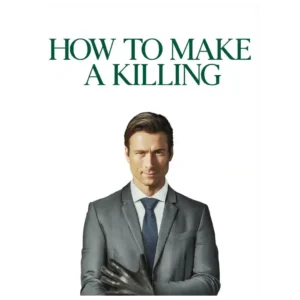
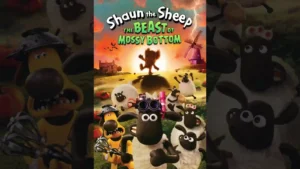
How to Make a Killing
Where It Has the Edge
No clear scored advantage over the other product.

Scorata scores summarize analyzed review evidence on a 1–5 scale; they are not laboratory measurements or a simple average of customer star ratings. Feature scores summarize the reviews covering that feature. The overall score averages feature scores within each review, then combines review averages. When both expert and customer evidence are available, those two groups receive equal weight. Products can have different review coverage, so small score gaps do not establish a winner.
Recommendations prioritize important features for the category, with a score of at least 3.5, a gap of at least 0.25 points and at least two supporting reviews per product. Features with widely varying scores or broad connectivity contexts are excluded from recommendations. These safeguards do not establish statistical significance.
Quick verdict
The available evidence supports the recommendation below, but does not establish an overall winner. Check the remaining features against your priorities.
There is not enough comparable review evidence to recommend How to Make a Killing over the other product.
Choose Shaun the Sheep: The Beast of Mossy Bottom for plot clarity and acting performance.
No clear scored advantage over the other product.
Scores are out of 5. Missing scores mean missing review evidence, not a missing feature.
A few critics argue that protracted or loosely shaped passages sap momentum and blunt the film’s comic-thriller rhythm.
Crisp editing keeps complicated visual gags readable and builds infectious momentum without rushing past background jokes.
Tone is one of the most repeated weaknesses, with the movie often described as caught between farce, noir, thriller, and moral drama.
Spooky lighting and suspense repeatedly pivot into slapstick, maintaining a controlled balance between Halloween atmosphere and lighthearted charm.
The confession structure helps some viewers follow the story, but others find the narration cumbersome and the timeline or logic needlessly confusing.
The simple chain of cause and effect is easy for young viewers to follow even without spoken explanation.
A few quips and bits of repartee land, but narration-heavy exposition and a shortage of sharper wit are frequent complaints.
The almost dialogue-free storytelling remains remarkably clear, using pantomime, expressions, sounds, and sequencing to communicate plot and emotion across languages.
The class-and-greed commentary sometimes resonates, but a common criticism is that the satire stays obvious, shallow, or less incisive than it promises.
The story's messages about self-acceptance, loyalty, accountability, and avoiding snap judgments are warmly received without becoming heavy-handed.
The framing device and predictability often weaken suspense, though several viewers still enjoy the late-game tension and third-act escalation.
Monster pursuits and home-invasion-style sequences create real excitement and child-safe tension without turning harsh.
Character depth is a recurring weakness: Becket’s motives and several supporting players are often described as thin, rushed, or underwritten.
Most reviewers admire how distinct personalities and relationships emerge without speech, though a few find Shaun's characterization or newer characters thinner than usual.
The Ruth relationship provides warmth and a moral counterweight, but several critics find the romance too thin, perfunctory, or underdeveloped.
The shy Farmer-Vet romance is consistently called sweet and endearing, adding gentle feeling behind the monster-movie plot.
Chemistry varies by pairing. Becket and Ruth earn some warm praise, while other romantic dynamics are described as forced or unconvincing.
Affection among Shaun, the flock, Bitzer, and the Farmer comes through clearly in their actions, giving the comic chaos a warm emotional center.
The comedy is inconsistent. Some scenes and supporting performances draw real laughs, but many critics say the film never becomes funny enough.
Visual gags, slapstick, facial reactions, and horror riffs generate a very high laugh rate, although a few critics find some jokes stretched or less sharp than earlier outings.
One customer felt the restrained sexual content and language made it more teen-suitable than the premise might suggest.
Reviewers repeatedly recommend it as family viewing: the scares stay gentle, children get the slapstick, and adults receive richer genre jokes.
Emile Mosseri’s score is a notable craft strength, praised for giving the movie momentum and a distinctive propulsive texture.
Natalie Holt's lively, expressive score does crucial emotional and comic work, with horror textures that reinforce the seasonal atmosphere.
The murder set-pieces can be brisk, clever, and tense, but several critics found later deaths too throwaway or lacking in impact.
Chases, escalating mishaps, and the giant-pumpkin climax provide energetic spectacle while preserving clear visual comedy.
The ending is sharply divisive: some viewers love the twists and coda, while others find the resolution contrived or unsatisfying.
The climax delivers scale and movement, though a few reviewers feel its extended chase loses steam or becomes briefly generic.
The film raises worthwhile questions about greed, class, contentment, and entitlement, but many critics say it stops short of exploring them deeply.
The film lightly explores self-acceptance, appearances, impulsive choices, and fear of the misunderstood without weighing down the comedy.
It works best for viewers who accept it as a light dark-comedy thriller; critics wanting sharper farce or tougher suspense are often disappointed.
Its loving monster-movie homages, cozy autumn mood, and spooky-not-scary approach make it a particularly satisfying Halloween gateway film.
The polished, grainy photography is widely admired, with several critics singling out the lighting, texture, and camera work.
Careful framing, lighting, shadow, and visual invention make the miniature environments feel cinematic and support both suspense and comedy.
A customer specifically praised the relatively restrained language, viewing it as a point in favor of teen suitability.
The only coarse language noted is assessed as very mild, supporting the film's broad family suitability.
There are isolated moments of genuine feeling, but much of the film is described as emotionally distant, hollow, or hard to invest in.
Tender affection for the Farmer and a few heartfelt moments add warmth, but some critics wish the familiar story had a stronger emotional hook.
The roughly 100–110 minute length is usually manageable, though some feel the film either drags or needs more time to develop its crowded cast.
At roughly 80 minutes, the film is usually considered breezy and well-sized, though one critic thinks the slight premise still feels stretched.
The script has clever ideas and occasional sharp scenes, but exposition, thin characterization, and underdeveloped themes keep it from fully landing.
The screenplay's escalation, visual construction, and generational jokes earn strong praise, though a few critics view the feature as padded or repetitive.
John Patton Ford draws praise for visual control and some set-pieces, yet several critics fault his tonal decisions and handling of the remake.
The feature direction is mostly praised for warmth and clarity, though one critic detects hesitation compared with earlier Aardman films.
Customers often find the murder-inheritance setup fun or fresh, while critics repeatedly point out how closely it echoes earlier films and familiar genre beats.
The main recurring criticism is that the creature-transformation plot closely echoes earlier Shaun and Wallace & Gromit stories.
Pacing is uneven across the set. Some call it brisk and fleet-footed, while others find the middle repetitive, sluggish, or poorly proportioned.
Most find the 80-minute film brisk, but some notice a slow setup, repetitive stretches, or energy that occasionally becomes overwhelming.
The inheritance-murder premise has obvious appeal, but opinions split on whether the story remains engaging or becomes repetitive and implausible.
The clear, warm story works well as a vehicle for gags, though its simplicity and familiar structure keep it below Aardman's most acclaimed features for some critics.
Repeat appeal looks limited overall: a few viewers would watch again, but others explicitly call it forgettable or a one-time watch.
Several reviewers expect the film to become an annual Halloween watch that parents will not mind revisiting with children.
Reactions are mixed overall. Many customers found it fun and easy to watch, while a large share of critics called it dull, forgettable, or underwhelming.
The overwhelming verdict is delightful, joyful entertainment, with even cooler reviews still finding it charming and enjoyable.
Early reactions were reported as positive, but the broader critical response represented here is substantially more divided and often cool.
The film's near-perfect aggregate scores and glowing critical notices show unusually strong critic appeal.
Audience reactions lean warmer than the critic consensus, with many calling it watchable, fun, or worth seeing even when imperfect.
The film reaches children through slapstick and simple plotting while giving adults horror references and background jokes, although one critic finds it too mild for broad crossover appeal.
One customer considered the restrained sex and language suitable for younger teens, despite the movie’s murder-heavy premise.
Reviewers consistently see this as suitable for young children, though one family guide recommends parental guidance for the mild Halloween imagery.
Glen Powell is the clearest consensus strength, repeatedly praised for charisma and likability even by critics who think he is miscast or too mild.
The Farmer's nonverbal performance is singled out as brilliant, turning grunts and physical reactions into a comic lead turn.
One video review found the song choices overused, arguing that the film leans on too many needle drops.
Musical selections delight some reviewers, but others find the pop-song needledrops jarring or unnecessary beside the orchestral score.
The supporting ensemble is frequently praised, especially Zach Woods, Bill Camp, Topher Grace, Jessica Henwick, and Margaret Qualley, despite limited screen time.
Nina Sosanya's limited-vocabulary supporting performance stands out for bringing confidence and personality to the Vet.
The cast is one of the film’s steadier strengths, with many viewers praising the ensemble even when the material around them feels uneven.
The nearly wordless vocal work gives the characters lively personalities through grunts, sighs, bleats, and perfectly timed reactions.
One critic broadly praised how strong the film looks and sounds, though sound-specific commentary is otherwise scarce.
Inventive effects, vocal noises, and precisely timed cues strengthen both atmosphere and punchlines in a film that cannot lean on dialogue.
The film’s slick, colorful, polished look is a regular positive, even among critics who think the style never fully coheres with the tone.
Rich autumn colors, neon laboratory light, expressive shadows, and lovingly built sets give this entry a vibrant Halloween identity.
The wealthy settings and glossy surfaces help sell the Redfellows’ world, giving the movie a convincingly lavish presentation.
Pumpkin patches, windmill laboratories, autumn streets, forests, and docks are packed with tactile detail, strong color, and clever background business.
The handcrafted stop-motion is the clearest consensus strength: tactile, meticulously detailed, expressive, and technically ambitious, especially in its animated hair and elaborate sets.
Its casually inclusive portrait of modern British life is praised for feeling cheerful and natural rather than self-conscious.
The film finds occasional gravitas, especially late, but many critics say its serious dramatic side never earns enough emotional investment.
The modern reworking of Kind Hearts and Coronets divides critics, with a few admiring the update but many finding it far weaker than its inspiration.
Plausibility is one of the sharpest recurring complaints, especially around the FBI, forensic gaps, and how easily Becket gets away with repeated murders.
The scares are deliberately mild: shadows and transformations create brief tension, but silly reveals, cute creature design, and known identities keep young viewers comfortable.
One customer approvingly notes that there is no sex, helping make the film feel less explicit than its R-rated premise suggests.
The violence is generally restrained rather than graphic; some appreciate the wry approach, while others wanted more bite from the murder set-pieces.
Wardrobe choices add polish and noir flavor, especially Julia’s fashion, though one critic wished the film did more with its costume possibilities.
Expanded locations beyond the farm make Mossingham feel larger, though one critic finds some of the world-building plodding and underdeveloped.
One review finds the trailer misleading because the horror emphasis largely fades after the opening act, even though parents may welcome the gentler result.
Value reactions are polarized: some customers felt rentals were worthwhile, while others explicitly wanted a refund or said it was not worth paying for.

A deeply human coming-of-age drama carried by remarkable performances and an honest portrayal of grief. Its gentle optimism moves most viewers, though some find the final stretch hurried or overly...
Pros: Grief portrayal, acting performance
Cons: pacing

Billie Jean King’s magnetic first-person storytelling makes this an exhilarating portrait of athletic courage and social change. The filmmaking follows a familiar documentary structure, and her full tennis résumé gets...
Pros: entertainment value, Biographical coverage
Cons: Narrative structure

Choose this inventive, unsettling documentary for fearless questioning, dark humor, and unpredictable storytelling. Skip it if you want a short, straightforward exposé with definitive answers.
Pros: originality, humor

A singular voice, powerful piano playing and intimate film photography make this concert absorbing for receptive listeners. Its uninterrupted, often similar-sounding songs and lack of background context are an acquired...
Pros: directing quality, cinematography
Cons: pacing, Song variety