Compare Anker Solix C1000 vs Pecron E1000LFP

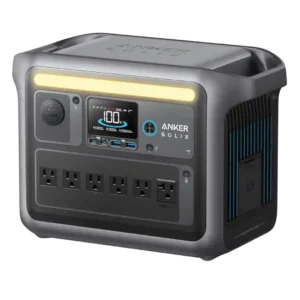
Anker Solix C1000

Anker Solix C1000

Overall score 4.5 / 5

Based on 127 scored reviews

vs
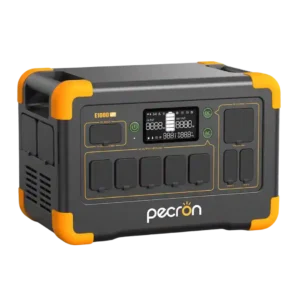
Pecron E1000LFP

Pecron E1000LFP

Overall score 4.0 / 5

Based on 22 scored reviews

How we score

Scorata scores summarize analyzed review evidence on a 1–5 scale; they are not laboratory measurements or a simple average of customer star ratings. Feature scores summarize the reviews covering that feature. The overall score averages feature scores within each review, then combines review averages. When both expert and customer evidence are available, those two groups receive equal weight. Products can have different review coverage, so small score gaps do not establish a winner.

Recommendations prioritize important features for the category, with a score of at least 3.5, a gap of at least 0.25 points and at least two supporting reviews per product. Features with widely varying scores or broad connectivity contexts are excluded from recommendations. These safeguards do not establish statistical significance.

Quick verdict

What each product is best for

The review evidence points to a tradeoff: built-in light and surge capacity versus dual-input charging and full-load noise. Choose according to which strengths matter more to you; the overall score alone does not settle that choice.

Choose Anker Solix C1000 for built-in light and surge capacity.

Choose Pecron E1000LFP for dual-input charging and full-load noise.

Why these recommendations?

Anker Solix C1000

Where It Has the Edge

  • built-in light is 4.6 vs 1.4. The warm, adjustable light bar is useful in tents, outages, and dark work areas. Placement and automatic behavior...
  • surge capacity is 5.0 vs 2.3. The 2,400W surge mode gives short-term headroom for motor and heater startup loads that would overwhelm many 1kWh...
  • warranty is 5.0 vs 2.8. The five-year warranty is longer than many competing portable stations and repeatedly increases buyer confidence.

Pecron E1000LFP

Where It Has the Edge

  • dual-input charging is 4.8 vs 1.0. Simultaneous AC and DC charging works well, with the station intelligently giving priority to DC input while filling...
  • full-load noise is 4.8 vs 1.8. At maximum output, some units remained surprisingly quiet and non-intrusive, showing that the fan system can behave very...
Anker Solix C1000 4.5 overall score
Pecron E1000LFP 4.0 overall score

Compare features

Scores are out of 5. Missing scores mean missing review evidence, not a missing feature.

Scored on both products

Other features

Ease of use
Anker Solix C1000
4.9

The controls are simple enough for first-time users, older owners, and nontechnical buyers. Most tasks amount to enabling an output and plugging in a device.

Pecron E1000LFP
5.0

A true master power button, clear controls, and deliberate shutdown behavior make everyday operation simple and reassuring.

Cable storage
Anker Solix C1000
1.0

There is no built-in compartment for the thick charging cords, so owners often strap them to a handle or store them separately.

Pecron E1000LFP
5.0

The included drawstring cable bag is a simple but useful touch for keeping the charging leads together.

Electromagnetic interference
Anker Solix C1000
1.0

One detailed electrical test detected noise on the AC inverter, making this a niche concern for interference-sensitive equipment.

Pecron E1000LFP
4.5

Measured inverter EMI was relatively low, and an audio test produced no noticeable interference.

Instruction quality
Anker Solix C1000
1.0

The C1000’s instruction quality is a recurring weakness, with users describing practical limitations or frustrating behavior.

Pecron E1000LFP
4.5

The manual is reasonably comprehensive and covers the information a typical owner is likely to need.

Built-in light
Anker Solix C1000
4.6

The warm, adjustable light bar is useful in tents, outages, and dark work areas. Placement and automatic behavior drew a few minor complaints.

Pecron E1000LFP
1.4

The lack of an integrated light is a repeated annoyance for camping and blackout use, especially because several competing stations include one.

Surge capacity
Anker Solix C1000
5.0

The 2,400W surge mode gives short-term headroom for motor and heater startup loads that would overwhelm many 1kWh stations.

Pecron E1000LFP
2.3

Surge headroom is the most consistent performance weakness: motors and large power tools can trip the inverter quickly, and several competitors handle startup spikes better.

Dust resistance
Anker Solix C1000
5.0

One owner praised the claimed dustproof construction for rugged outdoor use, though broader testing is limited.

Pecron E1000LFP
2.5

Large ventilation openings make this a poor choice for very dusty environments unless it is kept well protected.

Outlet accessibility
Anker Solix C1000
5.0

Front-mounted, well-spaced outlets are easy to reach and accommodate large adapters better than many compact competitors.

Pecron E1000LFP
3.0

All-front access is convenient in tight spaces, yet floppy protective covers and crowded spacing can make actual plug access less pleasant than the layout first suggests.

Weather resistance
Anker Solix C1000
4.0

The station survived rough outdoor use in several accounts, but reviewers still recommend protection from direct rain where no clear IP rating is stated.

Pecron E1000LFP
2.0

Its open ventilation and need for a dry environment make it poorly suited to unprotected exposure in rain, dust, or harsh weather.

Control panel layout
Anker Solix C1000
5.0

Front-facing outputs, clear labels, and sensible spacing make the unit intuitive to plug in and operate.

Pecron E1000LFP
3.3

Clear labels and a straightforward front panel are positives, but tight AC outlet spacing and awkward side covers can make bulky plugs or frequent access frustrating.

Home backup capability
Anker Solix C1000
5.0

The C1000 is highly effective for short outages involving refrigerators, routers, lights, medical gear, and workstations. It is a targeted essentials backup, not a whole-home solution for days.

Pecron E1000LFP
3.6

It is well suited to basic outage loads such as refrigerators, lights, routers, and smaller appliances, but weak surge headroom and one severe overheating report make it less convincing for demanding whole-home backup.

Power quality
Anker Solix C1000
5.0

Pure-sine, stable AC output works well with computers, CPAP machines, networking gear, and other sensitive electronics.

Pecron E1000LFP
3.7

Power quality is generally usable to good, but high-load waveform distortion and at least one cleaner competing inverter keep it from being a class leader.

Solar generator functionality
Anker Solix C1000
3.7

The C1000 works well as a solar-supported camping station, but the controller limits and real-world panel output make it less dependable as a solar-only backup.

Pecron E1000LFP
4.9

Solar operation is dependable: the station accepts rated input, works during pass-through use, and can wake itself to begin charging when sunlight returns.

12-volt outlet
Anker Solix C1000
4.0

The regulated car-style output is useful for coolers, pumps, and other vehicle accessories. Testing also shows that its wattage ceiling is more modest than the AC inverter.

Pecron E1000LFP
5.0

The retained 12V car socket is a real strength for camping and overlanding gear, especially alongside the barrel and XT60 DC outputs.

Accessory ecosystem
Anker Solix C1000
4.0

Expansion batteries and compatible solar panels broaden the C1000’s uses. The ecosystem is useful, though expansion cables and add-on pricing can be awkward.

Pecron E1000LFP
5.0

Pecron's optional direct-battery and expansion accessories add unusual flexibility, including ways to move substantial DC power to other equipment.

Load handling
Anker Solix C1000
5.0

The station handles mixed office, campsite, kitchen, and tool loads with strong stability. It shuts down safely when users exceed its continuous limit.

Pecron E1000LFP
4.0

Most units sustained demanding loads at or near the 1,800W rating without trouble, but one sample repeatedly shut down from heat during continuous discharge.

Overload protection
Anker Solix C1000
4.0

When loads exceed the limit, the C1000 shuts down cleanly and can restart shortly afterward, protecting both the station and connected devices.

Pecron E1000LFP
5.0

When pushed past its limit, the inverter shut down cleanly rather than continuing an unsafe overload, which is the desired behavior.

Power output
Anker Solix C1000
5.0

Reviewers repeatedly praise the 1,800W inverter for delivering more power than expected from such a small station.

Pecron E1000LFP
4.0

The 1,800W continuous inverter gives the E1000LFP more AC headroom than some compact rivals, though the benefit depends on how many devices are used together.

Solar cable compatibility
Anker Solix C1000
2.0

XT60-based solar connections work with the supplied adapters, but some owners needed MC4 adapters or dealt with a loose connector.

Pecron E1000LFP
3.0

The included MC4-to-XT60 lead is useful, but its very short length may require an extension with some panels.

EPS switchover speed
Anker Solix C1000
5.0

The switchover is fast enough to keep computers, networking gear, and alarm systems running through brief outages. Multiple tests reported no visible interruption.

Pecron E1000LFP
4.3

Transfer time is serviceable to strong, with a measured 13.5 ms cutover keeping a desktop running, though one comparison notes faster competitors exist.

Pure sine wave output
Anker Solix C1000
5.0

The pure-sine inverter supplies clean AC suitable for sensitive electronics and common household appliances.

Pecron E1000LFP
4.3

The inverter does produce a pure sine wave and can look very clean at moderate loads, although visible distortion increases as output approaches the maximum.

UPS functionality
Anker Solix C1000
5.0

UPS mode is a major strength for offices, routers, medical equipment, and alarms. True bypass and quick switching worked well, although power-saving settings need attention for essential low-draw devices.

Pecron E1000LFP
4.3

UPS behavior is generally dependable and fast enough for computers and home backup, though one specialist rates its backup implementation as only average for the class.

Lifting ease
Anker Solix C1000
4.5

Built-in handles make short moves manageable, but the roughly 28-pound weight still encourages two-handed carrying over distance.

Pecron E1000LFP
4.0

At about 30 pounds it is not light, but the dual handles make it manageable for an average adult to lift and move.

Frequency stability
Anker Solix C1000
5.0

Bench testing found the AC frequency stable around 60Hz, supporting sensitive electronics and motor loads.

Pecron E1000LFP
4.5

The inverter held 60Hz during a sustained heavy-load run, supporting stable operation under stress.

Impact resistance
Anker Solix C1000
5.0

Several units survived hard drops, tailgate tumbles, stairs, and rough truck use without functional damage.

Pecron E1000LFP
4.5

Solid corner bumpers provide useful protection against everyday knocks and handling, adding confidence when moving the station around.

Included accessories
Anker Solix C1000
5.0

The box generally includes the essential AC, car, and solar charging cables, reducing the need for immediate extra purchases.

Pecron E1000LFP
4.5

The supplied AC, car, and solar charging cables cover the core charging methods without requiring immediate extra purchases.

Input and output monitoring
Anker Solix C1000
5.0

The display and app clearly show battery percentage, incoming watts, outgoing watts, and estimated time remaining. This makes load planning easy.

Pecron E1000LFP
4.5

App-based temperature and operating information adds useful visibility beyond the front display.

Remote control
Anker Solix C1000
5.0

The app can switch outputs, adjust charging wattage, manage timers, and control the light without touching the unit.

Pecron E1000LFP
4.5

App control makes it convenient to switch outputs and manage the station without standing next to it.

Voltage regulation
Anker Solix C1000
5.0

Testing found stable voltage under demanding loads, and the unit maintained usable AC output even near empty.

Pecron E1000LFP
4.5

Voltage held near the expected 120V level during sustained high-load operation, indicating solid regulation in that test.

Weight
Anker Solix C1000
3.1

Around 25–30 pounds is manageable for many adults and light for the output class, but still heavy for long carries, stairs, or users with limited strength.

Pecron E1000LFP
3.6

Around 29–30 pounds is manageable for short carries but heavy enough that some users will notice it, especially compared with newer lighter alternatives.

AC outlet count
Anker Solix C1000
5.0

The front AC outlets are generous for a station this size and are spaced well enough for bulky plugs. Reviewers appreciated being able to connect several household devices.

Pecron E1000LFP
4.6

Five AC receptacles are unusually generous for a compact 1kWh station and are widely appreciated, although one owner felt five was more than this inverter really needs.

Overall product satisfaction
Anker Solix C1000
4.7

The overall consensus is strongly positive: buyers value the combination of power, fast charging, compactness, and versatility. Noise, capacity limits, and app quirks prevent it from being perfect.

Pecron E1000LFP
4.4

Most owners see the E1000LFP as an unusually capable budget station and recommend it strongly, but a minority encountered severe thermal behavior that makes the overall picture less uniform than the price alone suggests.

USB-C power delivery
Anker Solix C1000
4.0

The 100W USB-C port is useful for laptops and larger electronics. Some versions pair it with a weaker 30W port, making the USB-C offering capable but uneven.

Pecron E1000LFP
4.3

Both USB-C ports can deliver up to 100W and performed well, but some rivals now offer 140W ports and heavy DC loads can temporarily disable the 100W outputs.

Outlet selection
Anker Solix C1000
4.4

The combination of AC, USB-C, USB-A, and 12V outputs is widely praised as generous. A few specialized users still want more DC barrel or USB ports.

Pecron E1000LFP
4.7

The port mix is broad and practical for camping, cameras, small electronics, and backup use, with AC, USB, car-socket, barrel, and high-current XT60 options.

Heat management
Anker Solix C1000
3.0

The unit monitors and manages heat effectively, but it can run warm in UPS mode or heavy use. Open airflow is important.

Pecron E1000LFP
3.3

Thermal behavior is the biggest point of disagreement: multiple units handled full load without overheating, while one sample repeatedly ran dangerously hot and shut down.

Output stability
Anker Solix C1000
5.0

Tests with computers, appliances, and high loads found stable operation and graceful overload shutdowns.

Pecron E1000LFP
4.8

Voltage remained stable near heavy continuous loads in the favorable stress tests, with little or no sag.

Remote monitoring
Anker Solix C1000
5.0

Phone access to charge, temperature, input, output, and time remaining is especially useful when the station sits under a desk, outside, or in another room.

Pecron E1000LFP
4.8

Wi-Fi/app access is genuinely useful for checking remaining charge and operating status from a tent, another room, or another building.

Maximum solar input
Anker Solix C1000
4.7

Up to 600W of solar is unusually strong for this footprint. Achieving the maximum requires panels with the right voltage and current characteristics.

Pecron E1000LFP
4.5

The 600W solar ceiling is strong for a 1,024Wh station and beats some direct competitors, though it becomes less adequate if the battery system is expanded heavily.

Compactness
Anker Solix C1000
4.6

The C1000 packs unusually high output into a compact body that fits well in vehicles, closets, and work areas. This power-to-size balance is one of its most repeated strengths.

Pecron E1000LFP
4.8

The E1000LFP packs substantial capability into a relatively compact body that is easy to place and move compared with many similarly capable stations.

Expandability
Anker Solix C1000
4.4

Doubling capacity with one add-on battery is valuable for longer trips and backup. The single-battery limit keeps it from scaling into a large home system.

Pecron E1000LFP
4.3

System expansion to around 4kWh meaningfully broadens backup capability, even if a few competitors support still larger totals.

Portability
Anker Solix C1000
4.6

The compact shape and dual handles make it practical for car camping, road trips, and moving around a house. At roughly 28 pounds, it is portable rather than lightweight.

Pecron E1000LFP
4.5

Despite weighing around 29–30 pounds, the compact case and dual handles make it practical for camping, car travel, RV use, and moving around the home.

Runtime
Anker Solix C1000
4.4

Runtime is strong for electronics, CPAP machines, refrigerators, and moderate camping loads. Heaters, air conditioners, and other high-wattage devices can drain it quickly.

Pecron E1000LFP
4.3

Real refrigerator results ranged from roughly 13 to over 16 hours depending on the appliance and test, with one comparison giving the Pecron the longest runtime among several similar stations.

Inverter quality
Anker Solix C1000
5.0

The large pure-sine inverter handles demanding devices confidently and maintains stable output across varied loads.

Pecron E1000LFP
5.0

One hands-on evaluation called the inverter outstanding after it powered a broad set of real appliances without instability.

Solar panel compatibility
Anker Solix C1000
4.3

It works with Anker and many third-party panels when voltage and connectors match. Buyers should verify limits and cable standards before purchasing panels.

Pecron E1000LFP
4.3

The 20A current allowance is excellent for parallel and rigid-panel setups, but the 60V ceiling limits how many common panels can be placed in series.

Storage convenience
Anker Solix C1000
5.0

The compact shape fits cupboards, trunks, and packed vehicles well, making it easy to keep available between trips.

Pecron E1000LFP
5.0

With most connections on the front and one side, the station can sit flush near a wall while remaining easy to access.

Performance

Idle noise
Anker Solix C1000
5.0

At low and moderate loads, the fans can be nearly silent or barely audible. Noise becomes much more noticeable only as load or charging speed rises.

Pecron E1000LFP
1.0

One problematic sample kept its internal fans running even at full charge with all output ports disabled, an undesirable behavior for quiet standby use.

Full-load noise
Anker Solix C1000
1.8

Fan noise rises sharply near maximum output or during ultra-fast charging. Several reviewers describe it as the main compromise for the compact chassis.

Pecron E1000LFP
4.8

At maximum output, some units remained surprisingly quiet and non-intrusive, showing that the fan system can behave very well under load.

Cooling performance
Anker Solix C1000
4.0

Cooling keeps the electronics under control, but the small fans work hard during fast charging and heavy loads. External airflow can noticeably reduce temperature.

Pecron E1000LFP
2.3

Cooling results conflict sharply: several units stayed cool with smooth, quiet fan control, while one sample overheated repeatedly and required long cooldown periods.

Specification accuracy
Anker Solix C1000
5.0

Most real-world tests matched or exceeded charging, output, and runtime expectations, though solar results depend heavily on the panel setup.

Pecron E1000LFP
3.5

Most core behavior matched its ratings, but surge performance fell well short of the advertised 3,000W claim in at least one controlled test.

Cold-weather performance
Anker Solix C1000
3.0

Most outdoor use was trouble-free in chilly conditions, but one owner reported a complete failure to operate around 30°F.

Pecron E1000LFP
4.3

Self-heating is the E1000LFP's signature advantage and repeatedly works well in freezing conditions, but some users dislike that heating requires incoming wall or solar power rather than using stored battery energy.

Display readability
Anker Solix C1000
3.9

Most reviewers can read the main display in sunlight and darkness, but smaller runtime and wattage figures may require standing close.

Pecron E1000LFP
5.0

Bright backlighting and clear information make the screen easy to read indoors and in sunlight.

Display quality
Anker Solix C1000
3.7

The LCD is generally bright, informative, and well designed. A few users dislike small secondary text or washed-out outdoor readability.

Pecron E1000LFP
4.6

The refreshed display is broadly liked for its size, brightness, and cleaner presentation, and compares well with more premium competitors.

Noise level
Anker Solix C1000
3.3

Noise opinions depend heavily on load: light use can be quiet, while fast charging or high output can sound harsh or loud. Fan noise is the most consistent complaint.

Pecron E1000LFP
3.5

Fan noise varies notably by unit and workload, ranging from whisper-quiet to clearly louder than competitors; most owners find it acceptable, but noise-sensitive bedroom users should be cautious.

Battery and charging

Dual-input charging
Anker Solix C1000
1.0

The C1000 does not combine AC and DC input; plugging in AC disables solar or other DC charging. Reviewers repeatedly call this a missed opportunity.

Pecron E1000LFP
4.8

Simultaneous AC and DC charging works well, with the station intelligently giving priority to DC input while filling the remainder from AC.

Battery percentage accuracy
Anker Solix C1000
5.0

The percentage display was praised as dependable near empty, allowing users to run demanding loads down to the last few percent with confidence.

Pecron E1000LFP
2.3

Cold-weather self-heating can confuse the state-of-charge display, with readings temporarily stuck or implausibly high; the charging system may still be functioning correctly underneath.

Battery storage performance
Anker Solix C1000
5.0

The C1000 generally holds its charge well between uses, making it practical to keep ready for outages or occasional trips.

Pecron E1000LFP
2.5

Storage retention trails at least one close competitor, making the Pecron less ideal for buyers who plan to leave it sitting for long periods between outages.

Battery reliability
Anker Solix C1000
3.6

Most owners describe dependable backup performance, including months or years of use. A minority reported shutdowns, failed charging, or declining runtime that required replacement or troubleshooting.

Pecron E1000LFP
1.5

Confidence is weakened by reports that one unit would not stay fully topped off while plugged in, particularly for emergency standby use.

Solar charging speed
Anker Solix C1000
3.1

Solar results vary widely with panel quality, angle, weather, and voltage. Properly matched 400–600W arrays can be fast, while small portable panels may take days.

Pecron E1000LFP
4.7

With enough panel power, a full solar recharge can take roughly two to two-and-a-half hours, which is strong for a 1kWh-class station.

Usable battery capacity
Anker Solix C1000
5.0

Independent tests recovered a high share of the rated capacity through both AC and DC outputs, especially at moderate loads.

Pecron E1000LFP
4.2

Usable capacity is generally solid to excellent, commonly returning the mid-to-high 80% range or better, though extreme cold can erase the E1000LFP's nominal capacity advantage.

Pass-through charging
Anker Solix C1000
4.3

True bypass and charge-while-powering behavior work well for UPS and workstation use. Expansion-battery quirks have occasionally complicated this mode.

Pecron E1000LFP
5.0

Pass-through operation is consistently reliable, allowing connected loads to keep running while the station recharges from AC or solar.

AC charging speed
Anker Solix C1000
4.9

Wall charging is one of the clearest strengths, with many tests reaching full charge in roughly an hour. Ultra-fast mode is convenient, though it often brings louder fans.

Pecron E1000LFP
4.3

Wall charging is generally very fast, often around an hour, though one thermal-stressed unit made that speed a liability by overheating and delaying subsequent charging.

Battery longevity
Anker Solix C1000
5.0

Long-life chemistry and several extended-use reports support confidence in years of service. A few owners nevertheless reported capacity or charging problems after prolonged use.

Pecron E1000LFP
4.5

Its long-cycle LiFePO4 pack is positioned as something to keep for years rather than replace quickly.

Battery expandability
Anker Solix C1000
4.2

An optional battery can double storage to about 2.1kWh, a useful step-up for longer trips. Buyers note that only one expansion battery is supported and the add-on can be costly.

Pecron E1000LFP
4.6

Expansion is a major advantage: the E1000LFP can grow to roughly 4kWh, making it much more adaptable than fixed-capacity alternatives, though some rivals scale slightly higher.

Battery cycle life
Anker Solix C1000
5.0

The 3,000-cycle rating is repeatedly viewed as enough for many years of regular charging and discharging.

Pecron E1000LFP
4.7

The 3,500-cycle rating is consistently viewed as a strong longevity figure and compares well with several competing 1kWh stations.

Battery capacity
Anker Solix C1000
3.7

The roughly 1kWh pack is a good match for weekends, workstations, and short outages. It is not large enough for unrestricted whole-home backup or long high-draw use.

Pecron E1000LFP
3.5

The 1,024Wh pack offers decent capacity for the size, but capacity alone does not offset concerns about heat and standby behavior in the most negative evaluation.

Charging input compatibility
Anker Solix C1000
5.0

AC, solar, and vehicle inputs provide flexible charging options. Cable and connector choices can require adapters with some third-party panels.

Pecron E1000LFP
4.9

The selectable 8A/20A DC input is unusually flexible, accommodating car charging, direct batteries, and varied solar configurations when used with the correct wiring.

Battery management system
Anker Solix C1000
4.0

Temperature monitoring and protective charging behavior inspire confidence, but users would like configurable maximum charge limits for long-term battery care.

Pecron E1000LFP
4.0

The BMS successfully protected the pack during a frozen recharge scenario, even though the displayed state of charge became inaccurate.

Car charging speed
Anker Solix C1000
2.0

Standard vehicle charging is slow and can take much of a driving day. Higher-voltage setups improve speed, but ordinary 12V input remains a weak point.

Pecron E1000LFP
2.0

Car charging works but is slow enough to be a meaningful limitation for users who depend on topping up while driving.

Charging efficiency
Anker Solix C1000
5.0

Measured recharge and round-trip efficiency are among the better results reported for this class, especially at moderate settings.

Pecron E1000LFP
5.0

AC charging efficiency measured about 90.6%, a strong result for this size of portable station.

LiFePO4 battery
Anker Solix C1000
5.0

Reviewers consistently favor the LiFePO4 pack for its safer chemistry and long service life. The 3,000-cycle rating gives frequent users confidence in daily use.

Pecron E1000LFP
5.0

LiFePO4 chemistry adds to the value proposition, especially at the sub-$400 pricing highlighted by one owner.

Comfort and build

Durability
Anker Solix C1000
4.9

Drops, truck use, road vibration, and extended outdoor handling caused little or no damage in several accounts. Long-term field users generally found it tough.

Pecron E1000LFP
1.5

One carefully handled sample lost a bottom bumper foot, creating a serious concern about long-term physical durability.

Materials quality
Anker Solix C1000
5.0

Reviewers describe heavy-duty plastic, an aluminum frame, and industrial-grade electronics rather than cheap or flimsy parts.

Pecron E1000LFP
2.5

Compared directly with EcoFlow, the Pecron's plastics feel less premium and contribute to its more utilitarian presentation.

Water resistance
Anker Solix C1000
3.4

Outdoor durability reports are positive, but sources conflict on formal weather ratings and some variants lack an IP rating. Keeping it sheltered remains prudent.

Pecron E1000LFP
2.0

The vented enclosure does not inspire confidence around water, so it is better treated as a dry-location power station.

Build quality
Anker Solix C1000
4.6

The case, handles, buttons, and internal structure feel solid and durable. Even though much of the housing is plastic, reviewers rarely describe it as flimsy.

Pecron E1000LFP
3.3

Construction impressions are mixed: some units feel solid and substantial, while another lost a bumper foot despite careful handling and raised durability concerns.

Design aesthetics
Anker Solix C1000
4.7

The clean gray-and-blue styling looks modern and less industrial than many competing stations. Owners also like darker-shell variants.

Pecron E1000LFP
3.8

The redesign is more modern and rounded than older Pecron stations, yet opinions range from sharp and good-looking to utilitarian or outright unattractive next to sleeker EcoFlow models.

Size and footprint
Anker Solix C1000
4.4

The blocky but compact footprint stores easily in vehicles and closets while leaving room for a large inverter and battery.

Pecron E1000LFP
5.0

The power-to-size ratio is a strong point, providing 1,800W output and 1kWh-class storage without an oversized enclosure.

Handle comfort
Anker Solix C1000
5.0

Two sturdy side handles distribute the weight well and make short carries more comfortable than a single central handle.

Pecron E1000LFP
4.8

The side handles are consistently comfortable and make the roughly 30-pound station easier to carry.

Controls and connectivity

Bluetooth connectivity
Anker Solix C1000
5.0

Bluetooth gives reliable local control when Wi-Fi is unavailable, which is especially handy at campsites. Several owners found it more useful than expected.

Pecron E1000LFP
1.7

Bluetooth pairing is a weak spot: multiple users had trouble connecting directly and ended up relying on Wi-Fi or setting Wi-Fi up first.

Review contexts may differ, so use caution when interpreting the score gap.

High-demand appliance support
Anker Solix C1000
4.8

The inverter successfully runs microwaves, kettles, coffee makers, refrigerators, power tools, and some heaters. Laundry appliances, rooftop air conditioners, and simultaneous high-draw loads can exceed its limits.

Pecron E1000LFP
3.3

The 1,800W inverter handles kettles, mixers, air fryers, refrigerators, and some tools well, but high-inrush saws, large vacuums, and simultaneous heavy loads can exceed its limited surge headroom.

Wi-Fi connectivity
Anker Solix C1000
3.7

Wi-Fi enables remote status checks and controls from beyond Bluetooth range. Most experiences were positive, but a few owners reported dropped or unstable connections.

Pecron E1000LFP
4.5

Wi-Fi worked reliably in regular use and was especially useful for checking the station remotely, even when Bluetooth setup was less straightforward.

Review contexts may differ, so use caution when interpreting the score gap.

App connectivity
Anker Solix C1000
3.4

Pairing is usually quick over Bluetooth or Wi-Fi, but isolated reports describe reconnection bugs and instability after updates.

Pecron E1000LFP
3.0

Wireless control is useful once connected, but setup quality varies sharply: some users had seamless Wi-Fi/Bluetooth access while others found pairing clunky or dependent on Wi-Fi first.

App quality
Anker Solix C1000
4.4

The app is often praised for live data, charging controls, timers, and remote switching. Complaints center on missing history, notifications, charge limits, and occasional connectivity problems.

Pecron E1000LFP
4.4

The app itself is a strong feature, with remote controls, charging-rate settings, display options, status information, and even the manual; setup friction is the main caveat.

Ownership and support

Warranty
Anker Solix C1000
5.0

The five-year warranty is longer than many competing portable stations and repeatedly increases buyer confidence.

Pecron E1000LFP
2.8

Warranty coverage is adequate rather than generous: registration can extend it to three years, but some close rivals provide five years.

Simultaneous device support
Anker Solix C1000
5.0

Multiple outlets and a strong inverter let users run several electronics or appliances together, provided the combined load stays below the limit.

Pecron E1000LFP
3.0

The many ports support several devices at once, but heavy use of the high-current DC output can disable the 100W USB-C ports to protect the shared DC power budget.

Long-term reliability
Anker Solix C1000
3.9

Many owners report months or more than a year of regular use without meaningful capacity loss. A smaller number encountered charging or inverter problems later in ownership.

Pecron E1000LFP
2.3

Long-term confidence is mixed: LiFePO4 cycle life is promising, but severe thermal behavior in one sample created legitimate concerns about component longevity.

Ease of setup
Anker Solix C1000
4.7

Initial operation and app pairing are usually straightforward. Registration, missing documentation, or app connection issues complicated setup for a small group of owners.

Pecron E1000LFP
3.5

Basic hardware setup is simple and clearly labeled, but app onboarding can be clunky enough to drag down the otherwise easy experience.

Value for money
Anker Solix C1000
4.2

Value is excellent at common sale prices around the mid-$400s to $600s, but the full MSRP feels expensive. Discounts materially change the recommendation.

Pecron E1000LFP
4.6

Value is the strongest consensus point: sale prices around the high-$300s deliver unusually rich features, strong DC capability, expansion, and fast charging, although reliability concerns can erase that advantage for heavy-duty users.

Customer support
Anker Solix C1000
3.7

Support is often praised for responsive replacements, refunds, and follow-up. Some cases required escalation or produced generic answers before resolution.

Pecron E1000LFP
3.3

Support is improving with phone access and successful callbacks, but knowledge and consistency still lag stronger service organizations and remain a common budget-brand concern.

Evidence available for one product

Controls and connectivity

App privacy
Anker Solix C1000
3.7

Some users valued being able to use the app without an account, while another criticized login requirements for basic remote functions.

Pecron E1000LFPNo score yet

Other features

Automatic start
Anker Solix C1000No score yet
Pecron E1000LFP
1.5

After the battery drains completely, AC output does not automatically re-arm when power or solar returns, so unattended loads such as a refrigerator need manual intervention.

DC output
Anker Solix C1000No score yet
Pecron E1000LFP
4.9

The high-current XT60 DC output is one of the E1000LFP's clearest advantages, giving vehicle, fridge, heater, and RV users much more useful 12V capability than a basic car socket.

Energy efficiency
Anker Solix C1000No score yet
Pecron E1000LFP
4.3

Usable efficiency is generally strong, often in the mid-80s to mid-90s depending on AC or DC output; the strongest DC results are excellent, though one run was merely average.

Firmware updates
Anker Solix C1000
3.0

Firmware has fixed important external-battery charging problems, although one owner reported communication instability after an update.

Pecron E1000LFPNo score yet
Grounding requirements
Anker Solix C1000
2.0

Certain furnace or appliance setups may need a neutral-ground bonding plug before they will operate correctly.

Pecron E1000LFPNo score yet
Operating temperature range
Anker Solix C1000
5.0

Reviewers generally like the C1000’s operating temperature range, describing it as effective and useful in real-world operation.

Pecron E1000LFPNo score yet
Over-temperature protection
Anker Solix C1000No score yet
Pecron E1000LFP
5.0

Thermal protection correctly prevented charging when the pack was too hot, helping protect the battery after a demanding run.

Packaging quality
Anker Solix C1000
5.0

Packaging is consistently described as sturdy, padded, and protective, with several units arriving in perfect condition.

Pecron E1000LFPNo score yet
Peak output
Anker Solix C1000
5.0

The 2,400W surge capability is exceptional for a compact 1kWh station and helps start heaters, tools, and cooking appliances.

Pecron E1000LFPNo score yet
Rated output
Anker Solix C1000
5.0

A continuous rating around 1,800W covers most single household appliances and many tool loads, though not every large appliance at once.

Pecron E1000LFPNo score yet
Recharge speed
Anker Solix C1000
4.9

Fast recharging is a signature strength. Many owners and testers refill the station in roughly 55–90 minutes from AC power.

Pecron E1000LFPNo score yet
Remaining runtime estimate
Anker Solix C1000
5.0

The live estimate helps users decide which loads to keep running and how soon they need to recharge.

Pecron E1000LFPNo score yet
Repairability
Anker Solix C1000
5.0

Faulty units were generally resolved through troubleshooting and replacement rather than user repair. Replacement experiences were often positive.

Pecron E1000LFPNo score yet
Runtime at full load
Anker Solix C1000
2.0

At roughly 1,500W or more, runtime can fall to around half an hour, so the station is better for intermittent high-draw use than sustained heating.

Pecron E1000LFPNo score yet
Self-discharge rate
Anker Solix C1000
5.0

Stored units generally retain charge well, supporting emergency readiness between occasional uses.

Pecron E1000LFPNo score yet
Sleep mode behavior
Anker Solix C1000
1.3

Power-saving modes can shut off low-draw USB, AC, or 12V devices unless several timeout settings are adjusted. This is a recurring concern for overnight coolers and medical equipment.

Pecron E1000LFPNo score yet
Standby power loss
Anker Solix C1000No score yet
Pecron E1000LFP
2.8

Idle draw is inconsistent across measurements, from acceptable or better-than-average to enough to drain roughly 40% in a day; turning unused outputs off is important.

Storage preparation
Anker Solix C1000
4.0

Long-term storage is simple, but Anker recommends periodically topping up the battery rather than leaving it untouched indefinitely.

Pecron E1000LFPNo score yet
USB-A ports
Anker Solix C1000No score yet
Pecron E1000LFP
5.0

The two USB-A ports are a welcome addition alongside USB-C, preserving support for older accessories and charging cables.

USB-C ports
Anker Solix C1000No score yet
Pecron E1000LFP
5.0

Dual USB-C ports complement the legacy USB-A connections and give the front panel a well-rounded device-charging setup.

Ventilation requirements
Anker Solix C1000
2.0

The C1000 should not be enclosed in a closet or blocked space because heat and fan airflow need room to escape.

Pecron E1000LFPNo score yet
Whole-home integration
Anker Solix C1000No score yet
Pecron E1000LFP
1.5

The E1000LFP is not a whole-home solution; it is better suited to selected essential loads and lighter outage coverage.

Battery and charging

Battery chemistry
Anker Solix C1000
5.0

LiFePO4 chemistry earns strong approval for safety, stability, and longevity compared with older lithium-ion formulations.

Pecron E1000LFPNo score yet
Charging cable quality
Anker Solix C1000
1.0

The included cords work, but several owners found them too short, thick, bulky, or awkward—especially the expansion-battery cable.

Pecron E1000LFPNo score yet
Replacement battery cost
Anker Solix C1000
1.0

Some owners question paying more for the expansion battery than for a discounted second C1000, despite the cleaner stacked setup.

Pecron E1000LFPNo score yet
Wireless charging
Anker Solix C1000No score yet
Pecron E1000LFP
3.0

There is no wireless phone charging pad; some users miss it, while others consider it a convenience rather than a requirement.

Tracking and training

Energy usage tracking
Anker Solix C1000
2.0

Live wattage is useful, but users repeatedly want longer-term graphs, logs, and historical consumption data rather than a few seconds of activity.

Pecron E1000LFPNo score yet

Performance

Hot-weather performance
Anker Solix C1000
5.0

Field use in hot weather was generally successful, though higher temperatures can trigger more fan activity.

Pecron E1000LFPNo score yet
MPPT controller performance
Anker Solix C1000
3.0

The solar controller tracks panels effectively, but voltage, amperage, and low-input thresholds can prevent users from reaching the full advertised solar rate.

Pecron E1000LFPNo score yet
Startup performance
Anker Solix C1000
5.0

SurgePad and the high-output inverter successfully start many refrigerators, heaters, tools, and cooking appliances.

Pecron E1000LFPNo score yet

Comfort and build

Housing durability
Anker Solix C1000No score yet
Pecron E1000LFP
4.5

Rubberized bumpers and a rugged shell feel ready for vehicle and RV use, although broader durability feedback is not uniformly positive.

Ownership and support

Replacement parts availability
Anker Solix C1000
5.0

Anker supplied replacement units in several warranty cases, suggesting good availability for complete-unit replacement.

Pecron E1000LFPNo score yet

Other Top Generators to Consider

#1 EcoFlow Delta 3 Plus Review
4.6

Best for rapid charging, versatile ports, excellent app control, and portable backup for appliances or electronics. Skip it for unattended low-load use or sustained heavy loads unless fan behavior and...

Pros: overall product satisfaction, solar panel compatibility

Cons: long-term reliability, standby power loss

#2 Vtoman FlashSpeed Pro 3600
4.5

Best for fast-charging, high-output backup power that can run major appliances and roll easily between locations. Skip it if you need frequent lifting, a small footprint, or a screen that...

Pros: overall product satisfaction, recharge speed

Cons: weight, lifting ease

#4 AFERIY P280
4.5

Choose the P280 for high-output home, RV, or off-grid backup with fast charging, strong usable capacity, UPS protection, and expansion. Skip it if you need lightweight portability, polished app control,...

Pros: overall product satisfaction, battery expandability

Cons: weight, built-in light

#5 Bluetti Elite 200 V2
4.4

Best for compact, quiet, fast-charging backup power that can run serious appliances. Skip it if you need easy one-person carrying, waterproof outdoor use, battery expansion, or a built-in 30-amp RV...

Pros: overall product satisfaction, value for money

Cons: weight, battery expandability