Compare AFERIY P280 vs Anker SOLIX E10

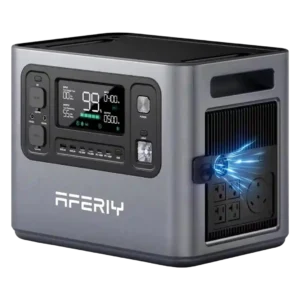
AFERIY P280

AFERIY P280

Overall score 4.5 / 5

Based on 21 scored reviews

vs
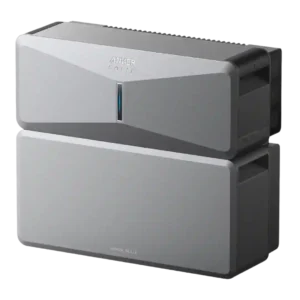
Anker SOLIX E10

Anker SOLIX E10

Overall score 4.4 / 5

Based on 41 scored reviews

How we score

Scorata scores summarize analyzed review evidence on a 1–5 scale; they are not laboratory measurements or a simple average of customer star ratings. Feature scores summarize the reviews covering that feature. The overall score averages feature scores within each review, then combines review averages. When both expert and customer evidence are available, those two groups receive equal weight. Products can have different review coverage, so small score gaps do not establish a winner.

Recommendations prioritize important features for the category, with a score of at least 3.5, a gap of at least 0.25 points and at least two supporting reviews per product. Features with widely varying scores or broad connectivity contexts are excluded from recommendations. These safeguards do not establish statistical significance.

Quick verdict

What each product is best for

The review evidence points to a tradeoff: ease of use and display quality versus weather resistance and specification accuracy. Choose according to which strengths matter more to you; the overall score alone does not settle that choice.

Choose AFERIY P280 for ease of use and display quality.

Choose Anker SOLIX E10 for weather resistance and specification accuracy.

Why these recommendations?

AFERIY P280

Where It Has the Edge

  • ease of use is 5.0 vs 4.5. Owners describe the station as straightforward and convenient, especially compared with custom RV or van electrical systems.
  • display quality is 5.0 vs 1.7. The large, bright screen is consistently praised for presenting battery level, power flow, active outputs, and timing information...
  • EPS switchover speed is 5.0 vs 4.6. Measured transfer times of roughly 8–9.5ms kept desktop computers and other sensitive electronics running through simulated outages.

Anker SOLIX E10

Where It Has the Edge

  • weather resistance is 5.0 vs 2.8. Outdoor durability earns consistent praise. Reviewers repeatedly cite IP66/NEMA-style weather protection and successful use across rain, snow, heat,...
  • specification accuracy is 5.0 vs 3.0. Hands-on testing generally matched or exceeded Anker's advertised performance, and installers said the system does a good job...
  • build quality is 5.0 vs 4.2. The main enclosures and base hardware earn strong marks for solidity, weather-ready construction, and a premium physical feel.
AFERIY P280 4.5 overall score
Anker SOLIX E10 4.4 overall score

Compare features

Scores are out of 5. Missing scores mean missing review evidence, not a missing feature.

Scored on both products

Other features

Ease of use
AFERIY P280
5.0

Owners describe the station as straightforward and convenient, especially compared with custom RV or van electrical systems.

Anker SOLIX E10
4.5

Day-to-day operation is approachable for a whole-home energy system, though a few configuration menus still have a learning curve.

Outlet selection
AFERIY P280
4.5

The combination of AC, high-power USB-C, USB-A, regulated 12V, and high-current XT60 outputs covers a wide range of home, RV, and mobile devices.

Anker SOLIX E10
1.0

Direct plug-in flexibility is poor because the E10 inverter has no built-in AC outlets; adapters or home-integration hardware are required.

USB-C ports
AFERIY P280
4.5

Four USB-C ports provide a useful mix of two 140W laptop-class outputs and two 20W ports for smaller devices.

Anker SOLIX E10
1.0

USB-C is also absent from the inverter, reinforcing that this is a home energy system rather than a conventional portable power station.

Remaining runtime estimate
AFERIY P280
2.0

The screen’s runtime estimate is helpful early in a discharge but became significantly inaccurate near empty in one test.

Anker SOLIX E10
5.0

The app's live remaining-runtime estimate is a practical outage tool, giving owners a direct view of how long their current load can be supported.

Solar cable compatibility
AFERIY P280
5.0

The included XT90-to-MC4 cable makes it easy to connect common portable or residential solar panels.

Anker SOLIX E10
2.0

Solar wiring is not entirely plug-and-play: one reviewer strongly disliked the isolator arrangement and the lack of pre-fitted MC4 connectors.

Included accessories
AFERIY P280
4.6

The charging cables, solar lead, cable pouch, and protective cover form a useful package that many competing stations do not include.

Anker SOLIX E10
2.0

The Smart Generator package drew criticism for omitting a natural-gas hose, leaving one owner to source a custom solution.

Instruction quality
AFERIY P280
2.5

Basic setup information is available, but the expansion path and compatible components need clearer documentation.

Anker SOLIX E10
5.0

The manuals are unusually clear and visual, with simple diagrams and color-coded guidance that make a complex system less intimidating.

Weather resistance
AFERIY P280
2.8

Port flaps provide limited splash protection, but the lack of a formal waterproof or dustproof rating calls for sheltered use.

Anker SOLIX E10
5.0

Outdoor durability earns consistent praise. Reviewers repeatedly cite IP66/NEMA-style weather protection and successful use across rain, snow, heat, and cold.

Power quality
AFERIY P280
3.5

The inverter normally supplies clean pure-sine power, but slight distortion and voltage sag appear near maximum output.

Anker SOLIX E10
5.0

One off-grid test praised the system's clean output, an important benefit for sensitive electronics when generator support is involved.

Surge capacity
AFERIY P280
3.5

Individual tools with high startup demand generally ran, but combining large inductive loads produced delay and substantial voltage drop.

Anker SOLIX E10
5.0

Surge performance is exceptional. Multiple tests pushed the system toward roughly 28-30kW without immediate failure, making large motor and HVAC startup one of its signature strengths.

USB-A ports
AFERIY P280
2.5

The USB-A ports work for basic charging but are limited to standard 5V output rather than modern fast-charging protocols.

Anker SOLIX E10
1.0

There are no built-in USB-A ports on the E10 inverter, a repeated complaint from reviewers who expected direct device charging.

Runtime
AFERIY P280
4.9

Runtime is strong for the class: tests included roughly 28 hours on a refrigerator, extensive cooking and charging, and days of light-duty mobile use.

Anker SOLIX E10
3.5

Runtime varies dramatically with load. Light household use can stretch well into a day or overnight, while central AC or other heavy loads can cut a two-battery setup to only a few hours.

Portability
AFERIY P280
4.2

It is relatively portable for a 2kWh station and easier to move than many rivals, but nearly 50 pounds still limits frequent solo carrying.

Anker SOLIX E10
3.3

Portability is mixed. The E10 is mainly a set-and-forget home installation, but modular components, relocation-friendly architecture, and an optional trolley make occasional movement possible.

Compactness
AFERIY P280
4.5

Despite its 2kWh capacity, the unit was considered fairly compact and practical for vehicle-based travel.

Anker SOLIX E10
5.0

Despite its large capability, the stacked layout can be surprisingly low-profile and space-efficient once installed.

Lifting ease
AFERIY P280
3.5

At nearly 50 pounds, the unit is awkward for one person to lift from the floor but well suited to a coordinated two-person carry.

Anker SOLIX E10
4.0

The batteries are heavy, but splitting the system into modular pieces makes positioning easier than moving a single large residential battery that may require lifting equipment.

Overload protection
AFERIY P280
4.5

AC and DC outputs shut down when their tested limits were exceeded, while unaffected outputs often remained available.

Anker SOLIX E10
5.0

When overloaded in testing, the E10 recovered automatically instead of remaining shut down, an important advantage for unattended home backup.

Safety certifications
AFERIY P280
4.5

Listed PSE, CE, FCC, and RoHS certifications add confidence that the unit has undergone recognized safety and emissions testing.

Anker SOLIX E10
5.0

Safety credentials are a meaningful strength, with reviewers highlighting UL testing and fire-propagation protection as important for residential installation and permitting.

EPS switchover speed
AFERIY P280
5.0

Measured transfer times of roughly 8–9.5ms kept desktop computers and other sensitive electronics running through simulated outages.

Anker SOLIX E10
4.6

Most real-world tests describe transfers as effectively seamless, with no flicker, reboot, or brownout. One AC-coupled solar test did produce an abnormal roughly 20-second delay, so that edge case keeps the result from being flawless.

Home backup capability
AFERIY P280
4.6

The P280 is well suited to short outages, keeping refrigeration, internet, lights, and selected appliances running. Expansion batteries make longer backup periods far more practical.

Anker SOLIX E10
4.9

Whole-home backup is the E10's strongest use case: reviewers repeatedly report real or simulated outages where the house kept operating normally, often without occupants noticing the grid had failed.

Overall product satisfaction
AFERIY P280
4.7

Overall sentiment is strongly positive because the P280 combines high output, fast charging, efficient usable capacity, expansion, and aggressive pricing. The app, weight, and voltage behavior are the main reservations.

Anker SOLIX E10
4.5

Overall sentiment is strongly positive: reviewers repeatedly call the E10 powerful, well engineered, and highly capable for whole-home resilience. Reservations center on software maturity, proprietary hardware, local controls, and total installed cost.

Solar panel compatibility
AFERIY P280
4.8

Independent XT90 controllers accept different arrays and work well with portable or residential panels, provided the 55V limit is respected.

Anker SOLIX E10
5.0

A real AC-coupled Enphase installation continued producing during outages without extra microinverter configuration, a strong result for retrofit solar compatibility.

Accessory ecosystem
AFERIY P280
2.5

Aferiy offers expansion batteries, covers, and app controls, but the broader ecosystem and brand support network feel less established than premium competitors.

Anker SOLIX E10
2.3

The biggest ecosystem complaint is how proprietary the E10 feels: batteries, plugs, and some accessories are E10-specific, with limited crossover to other Anker gear and lingering forward-compatibility questions.

Input and output monitoring
AFERIY P280
4.8

The display and app provide detailed live information on incoming power, outgoing loads, active ports, battery level, and estimated time remaining.

Anker SOLIX E10
5.0

The app presents energy flow and consumption clearly enough that users can understand where power is coming from and where it is going in real time.

Load handling
AFERIY P280
4.8

Within its rating, the P280 handled large appliances and tools reliably, often running several loads together without shutting down.

Anker SOLIX E10
5.0

Load management is excellent when properly configured: reviewers praise circuit prioritization, high simultaneous demand handling, and the ability to keep essential loads running as battery levels fall.

Standby power loss
AFERIY P280
4.8

AC idle draw of roughly 15W and very low DC idle consumption rank among the better results for a station this powerful.

Anker SOLIX E10
5.0

Idle draw around the mid-40-watt range was considered excellent for a whole-home system of this size.

Maximum solar input
AFERIY P280
4.9

Two 600W inputs provide up to 1,200W of solar charging, one of the strongest capabilities in this size and price class.

Anker SOLIX E10
5.0

The 9kW-per-inverter solar input is one of the most celebrated specifications, repeatedly described as a major advantage over competing modular home-backup systems.

Energy efficiency
AFERIY P280
4.0

Usable-energy and low-load tests were generally solid, with efficient operation across both AC and DC use.

Anker SOLIX E10
4.0

Measured round-trip and inverter efficiency landed in solid-to-above-average territory, competitive with other premium residential storage systems.

Expandability
AFERIY P280
5.0

The modular system can grow from 2,048Wh to roughly 10.24kWh, making it adaptable from portable use to extended backup.

Anker SOLIX E10
5.0

Scalability is a defining E10 advantage. Buyers can start relatively small and grow toward multiple inverter stacks, more batteries, solar, and generator support without replacing the original core system.

Rated output
AFERIY P280
5.0

The P280 sustained its full 2,800W rated load for 15 minutes without shutting down.

Anker SOLIX E10
5.0

The E10 sustained its rated 7.6kW-class output without issue in testing before reviewers moved on to much higher surge loads.

Solar generator functionality
AFERIY P280
5.0

High solar input, dual controllers, expansion, and quiet operation make the P280 particularly capable for RV, van, and off-grid energy use.

Anker SOLIX E10
5.0

The E10 works particularly well as the center of a solar-plus-storage-plus-generator setup, with reviewers praising the unified hybrid approach for both backup and off-grid use.

Transfer switch compatibility
AFERIY P280
5.0

The TT-30 connection successfully fed a manual transfer switch and powered selected building circuits.

Anker SOLIX E10
5.0

Existing transfer-switch owners can integrate the E10 cleanly, and one reviewer specifically praised being able to do so without buying additional core hardware.

Whole-home integration
AFERIY P280
5.0

The 30A RV connection let one owner power an entire trailer directly, demonstrating simple integration for mobile-home electrical use.

Anker SOLIX E10
5.0

With the Power Dock, batteries, solar, and generator connected, the E10 behaves like one coordinated home-energy platform rather than a collection of separate devices.

Performance

Display quality
AFERIY P280
5.0

The large, bright screen is consistently praised for presenting battery level, power flow, active outputs, and timing information clearly.

Anker SOLIX E10
1.7

The lack of a meaningful built-in display is one of the most consistent complaints. Status and diagnostics are largely app-dependent, and the light bar or minimal front indicators do not replace a proper screen.

Specification accuracy
AFERIY P280
3.0

Some claims were met, including 1,800W charging and sub-10ms UPS transfer, but charging-time and inverter-output listings were inconsistent in other tests.

Anker SOLIX E10
5.0

Hands-on testing generally matched or exceeded Anker's advertised performance, and installers said the system does a good job of delivering what it promises.

Full-load noise
AFERIY P280
3.5

Noise results varied with conditions: one test measured a noticeable 57dB, while another stayed around 50dB and called the unit quiet.

Anker SOLIX E10
5.0

Even when pushed well beyond normal continuous output in surge testing, the passive-cooled E10 remained whisper quiet.

Noise level
AFERIY P280
4.7

The station is generally quiet in ordinary use and much more pleasant than a fuel generator. Fan and inverter noises become more noticeable at maximum load or in silent rooms.

Anker SOLIX E10
5.0

Silence is a major E10 strength. The passive-cooled inverter has no fans, and users repeatedly describe it as effectively unnoticeable indoors, in garages, or overnight.

Controls and connectivity

Bluetooth connectivity
AFERIY P280
2.0

Bluetooth control is limited to close range, and one iOS test could not establish a reliable connection even with the phone beside the unit.

Anker SOLIX E10
5.0

Local Bluetooth control remains available when internet service is down, giving the system a useful fallback during outages.

Review contexts may differ, so use caution when interpreting the score gap.

App quality
AFERIY P280
3.5

The app offers useful monitoring, scheduling, charge limits, and remote switching, but experiences vary sharply. Some found it convenient, while others reported failed connections, inaccurate settings, slow responses, or rough localization.

Anker SOLIX E10
3.9

App impressions are split. Several long-term users praise the clean interface, energy flow views, and control depth, while others call the software basic, unfinished, or frustratingly mandatory because the inverter lacks a real screen.

High-demand appliance support
AFERIY P280
4.9

The 2,800W inverter successfully ran kettles, air fryers, heaters, saws, washing machines, and other demanding appliances. Loads near or above the limit require caution because voltage can sag.

Anker SOLIX E10
5.0

Central air conditioners and other heavy household loads are a standout strength. Multiple tests report successful startup of large HVAC loads, including 3-ton to 5-ton systems, without trouble.

Battery and charging

AC charging speed
AFERIY P280
4.5

AC charging is consistently fast, typically reaching most of a charge in about an hour and a full charge in roughly 90 minutes to two hours. A few tests ran slower than Aferiy’s headline claim.

Anker SOLIX E10
2.0

Standalone 120V charging is a weak point for a system this large; one full-system test called it extremely slow and impractical without faster integration hardware.

EV charging usefulness
AFERIY P280
2.5

It can add emergency range to an electric car, but the roughly 15–20 miles reported makes this a last-resort feature rather than routine charging.

Anker SOLIX E10
5.0

Reviewers successfully used the system for EV charging, including a roughly 10kW Rivian load and solar-powered Tesla charging.

Battery capacity
AFERIY P280
4.5

The 2,048Wh base battery is considered ample for shorter outages, RV use, and several hours of demanding household loads.

Anker SOLIX E10
3.0

Capacity is highly scalable, but the entry configuration can be tight for serious whole-home use. Tested usable capacity was solid, while one guide recommends more than the base battery for meaningful backup.

Charging efficiency
AFERIY P280
4.0

Grid charging returned roughly 90% efficiency in testing, a solid result for a large battery system.

Anker SOLIX E10
5.0

Direct DC charging from the Smart Generator is repeatedly praised for avoiding extra conversion losses and maintaining strong charging efficiency while the system is under load.

Solar charging speed
AFERIY P280
4.6

With enough panel capacity, solar charging can be very fast and approached 1kW in imperfect conditions. Small bundled panels require far longer.

Anker SOLIX E10
5.0

With a large array connected, reviewers found the E10 capable of replenishing a multi-battery stack very quickly each day.

Dual-input charging
AFERIY P280
4.8

AC and DC or solar charging can operate together, substantially increasing recharge speed. Some tests found the combined input fluctuated rather than remaining perfectly steady.

Anker SOLIX E10
5.0

The system can combine charging sources simultaneously, a capability reviewers highlighted as especially useful for keeping large battery banks replenished.

Battery expandability
AFERIY P280
4.9

Expansion is one of the clearest strengths: up to four extra packs can raise storage to about 10.24kWh. The main caveats are added cost, bulk, and the need to confirm compatible components.

Anker SOLIX E10
5.0

Adding storage is one of the E10's clearest strengths: batteries stack directly, expansion is straightforward, and several users said they could add capacity without reworking the core installation.

Comfort and build

Durability
AFERIY P280
4.5

The chassis feels robust and well assembled, giving confidence for regular backup, workshop, and travel use.

Anker SOLIX E10
2.0

Overall hardware is sturdy, but one tester broke a battery handle during normal use, exposing a notable durability weak point on a very heavy module.

Water resistance
AFERIY P280
4.0

Rubber port flaps provide useful splash protection, but the unit does not have a full waterproof rating.

Anker SOLIX E10
5.0

Rain exposure is not a practical concern for the weather-rated hardware; one tester simply described leaving it in the rain as 'no problem.'

Build quality
AFERIY P280
4.2

The hardware generally feels solid, sturdy, and well assembled for the price. It lacks some of the refinement and premium materials found on established-brand competitors.

Anker SOLIX E10
5.0

The main enclosures and base hardware earn strong marks for solidity, weather-ready construction, and a premium physical feel.

Design aesthetics
AFERIY P280
4.5

The clean industrial styling looks purposeful and well suited to backup or worksite use.

Anker SOLIX E10
5.0

Owners consistently like the clean, premium appearance; several said the installed hardware looks polished enough to live visibly on or around the home.

Materials quality
AFERIY P280
2.5

Most of the chassis feels sturdy, but the faux-chrome power button was singled out as less rugged and confidence-inspiring than premium competitors.

Anker SOLIX E10
2.0

A weak spot is the battery handle construction: plastic handles and cheap-looking riveted hardware disappointed one hands-on tester.

Ownership and support

Customer support
AFERIY P280
3.0

Aferiy responded to a reported software issue and discussed a firmware fix, but the brand’s longer-term support record remains relatively unproven.

Anker SOLIX E10
5.0

Two hands-on users reported unusually positive phone support, including immediate access to knowledgeable staff who solved setup questions quickly.

Warranty
AFERIY P280
4.2

Warranty coverage is potentially generous at five to seven years, though terms varied between reviews and confidence in long-term support remains cautious.

Anker SOLIX E10
3.0

Warranty impressions are mixed: some sources criticize five-year coverage and modest capacity-retention terms, while another cites an eight-year offer that compares very favorably with rivals.

Operating cost
AFERIY P280
4.8

Scheduled charging can take advantage of off-peak electricity, while solar use and low idle draw can reduce the cost of running household or mobile equipment.

Anker SOLIX E10
4.0

Time-of-use shifting can reduce energy costs substantially in the right rate plan, but the economics are highly utility-dependent; one NEM2 user saw little annual savings despite strong month-to-month results.

Value for money
AFERIY P280
4.7

Discount prices around the mid-$600s to mid-$700s were repeatedly called exceptional for the output and features. Value is less compelling near the full list price.

Anker SOLIX E10
3.9

Value depends heavily on configuration and installation. Many reviewers see strong long-term value in modular growth, solar use, and outage protection, while others warn that batteries, Power Dock hardware, and electrician costs can make the total system expensive.

Ease of setup
AFERIY P280
5.0

The all-in-one design is far simpler than assembling batteries, an inverter, charge controllers, fuses, and heavy cabling separately.

Anker SOLIX E10
4.5

Once the required electrical work is complete, battery stacking, color-coded connections, and app commissioning are widely described as unusually simple. The caveat is permitting and professional installation, which can range from painless to months of delay.

Long-term reliability
AFERIY P280
5.0

Several owners used the station daily for weeks or months without faults, including sustained RV, boat, and winter use.

Anker SOLIX E10
5.0

In a week-long real-world resilience test, the system was described as rock solid with no meaningful reliability problems.

Evidence available for one product

Other features

12-volt outlet
AFERIY P280
5.0

The 12V system is a standout for camper and RV use, with reviewers successfully running fridges, heaters, lights, pumps, and other vehicle loads.

Anker SOLIX E10No score yet
30-amp output
AFERIY P280
5.0

The 30A-style connection makes whole-RV hookup simple, but available current is ultimately capped by the inverter’s 2,800W limit.

Anker SOLIX E10No score yet
AC outlet count
AFERIY P280No score yet
Anker SOLIX E10
1.0

The inverter itself has no built-in AC receptacles, forcing buyers to use an adapter or home-integration hardware for plug-in loads.

Automatic start
AFERIY P280No score yet
Anker SOLIX E10
5.0

Automatic behavior is a major strength when the full system is installed: the Smart Generator can start and stop as needed, and Power Dock configurations can take over without manual intervention.

Built-in light
AFERIY P280
2.8

The front light is convenient for finding connections during an outage, but several testers found it too small or dim to serve as a serious work light.

Anker SOLIX E10No score yet
Cable storage
AFERIY P280
3.0

Unlike a predecessor, the P280 lacks an onboard cable compartment; the omission is noticeable but not a major drawback.

Anker SOLIX E10No score yet
CARB compliance
AFERIY P280No score yet
Anker SOLIX E10
1.0

California is a major limitation for the Smart Generator side of the system: sources note that the generator is not yet CARB-certified for sale or battery-backup use there.

Control panel layout
AFERIY P280
4.5

Front-facing controls, a large display, and logically separated side ports make the station easy to understand at a glance.

Anker SOLIX E10No score yet
DC output
AFERIY P280
4.8

The 25A XT60 output earns strong praise for powering demanding 12V equipment and multiple camper loads without needing the AC inverter.

Anker SOLIX E10No score yet
Dust resistance
AFERIY P280
4.3

The station lacks a formal dust rating, but the included cover is widely appreciated for protecting vents and ports during storage.

Anker SOLIX E10No score yet
Electric start
AFERIY P280No score yet
Anker SOLIX E10
5.0

The Smart Generator's electric start worked on the first try in testing and was described as exceptionally easy to use.

Firmware updates
AFERIY P280
3.8

Firmware support adds useful maintenance potential and may improve app or voltage behavior, though some fixes were still pending during testing.

Anker SOLIX E10No score yet
Heat management
AFERIY P280
5.0

Thermal performance is excellent under sustained load, with fans keeping internal temperatures comfortably controlled.

Anker SOLIX E10No score yet
Inverter quality
AFERIY P280
3.8

The inverter delivers strong real-world performance and generally clean power, but faint electrical noise and voltage throttling prevent it from feeling fully polished.

Anker SOLIX E10No score yet
Operating temperature range
AFERIY P280No score yet
Anker SOLIX E10
5.0

The broad rated temperature range impressed off-grid users who need the system to operate through both winter cold and summer heat.

Outlet accessibility
AFERIY P280
2.5

Protective flaps help shield ports but can make sockets fiddly to reach, particularly when an expansion battery cable is attached.

Anker SOLIX E10No score yet
Output stability
AFERIY P280
1.8

The largest technical concern is voltage throttling above or near the inverter limit. Tests recorded severe sag, so sensitive electronics should not be used when pushing beyond 2,800W.

Anker SOLIX E10No score yet
Packaging quality
AFERIY P280
5.0

Double-boxed packaging provided strong shipping protection and made a good first impression.

Anker SOLIX E10No score yet
Peak output
AFERIY P280
5.0

The advertised 5,600W peak capability is viewed as a strong specification, although high-inrush behavior still involves voltage throttling.

Anker SOLIX E10No score yet
Power output
AFERIY P280
4.7

The 2,800W continuous output is the defining strength, providing enough headroom for serious appliances, tools, RV loads, and selected backup circuits.

Anker SOLIX E10No score yet
Pure sine wave output
AFERIY P280
4.5

Oscilloscope testing confirmed pure sine wave output, making the station suitable for normal electronics, though distortion appeared at maximum load.

Anker SOLIX E10No score yet
Quiet mode
AFERIY P280
2.0

Silent charging reduces input power, but one test found the fans still cycled at roughly the same volume, falling short of the claimed quiet experience.

Anker SOLIX E10No score yet
Recharge speed
AFERIY P280
5.0

High AC input replenishes the battery quickly, which is especially useful when generator or grid availability is brief.

Anker SOLIX E10No score yet
Remote control
AFERIY P280
4.8

The app can switch AC, DC, USB, and lighting functions and adjust charging behavior, useful when the station is installed out of reach.

Anker SOLIX E10No score yet
Remote monitoring
AFERIY P280
4.8

Remote status checks are valuable in boats, vans, garages, or outbuildings, showing charge level, loads, and power flow without visiting the unit.

Anker SOLIX E10No score yet
Remote start
AFERIY P280No score yet
Anker SOLIX E10
5.0

Remote generator control works well from the app, letting users start backup generation from inside the home rather than going outdoors.

Runtime at full load
AFERIY P280
5.0

The station sustained its full 2,800W rating for a 15-minute test without shutting down.

Anker SOLIX E10No score yet
RV outlet
AFERIY P280
4.8

The integrated RV connection is a major advantage, letting owners plug in a trailer directly and run most or all normal RV loads.

Anker SOLIX E10No score yet
Service network
AFERIY P280
2.8

Aferiy’s shorter track record creates some uncertainty around long-term service and warranty handling compared with established brands.

Anker SOLIX E10No score yet
Sleep mode behavior
AFERIY P280
4.0

Default standby behavior can turn off unloaded DC outputs, but app settings allow owners to prevent unwanted shutdowns.

Anker SOLIX E10No score yet
Storage convenience
AFERIY P280
4.5

The included cover and cable pouch help keep the station and accessories organized and protected between uses.

Anker SOLIX E10No score yet
Tri-fuel capability
AFERIY P280No score yet
Anker SOLIX E10
5.0

The Smart Generator's gasoline, propane, and natural-gas flexibility is a major resilience advantage when one fuel source is unavailable.

TT-30 outlet
AFERIY P280
4.5

The TT-30 connection is highly useful for RVs and manual-transfer setups, though total output remains limited by the 2,800W inverter.

Anker SOLIX E10No score yet
UPS functionality
AFERIY P280
4.9

UPS operation is one of the P280’s strongest features, with rapid, seamless transfers that kept PCs and networking equipment online.

Anker SOLIX E10No score yet
USB-C power delivery
AFERIY P280
4.9

Two 140W USB-C PD ports are repeatedly praised for fast-charging laptops and other demanding devices without bulky AC adapters.

Anker SOLIX E10No score yet
Ventilation requirements
AFERIY P280
3.5

Fans on both ends provide good airflow, but the station should not be pressed against a wall or enclosed tightly during heavy operation.

Anker SOLIX E10No score yet
Voltage regulation
AFERIY P280
1.8

Voltage stays acceptable at rated loads but can fall sharply once demand exceeds the limit, creating risk for sensitive electronics and motors.

Anker SOLIX E10No score yet
Weight
AFERIY P280
2.9

At roughly 21.6kg or 48 pounds, the P280 is manageable for its capacity but still heavy enough to discourage frequent solo lifting.

Anker SOLIX E10No score yet

Controls and connectivity

App connectivity
AFERIY P280
1.5

Connection reliability is a weak point, especially on iOS, where pairing and reconnection failures were repeatedly encountered.

Anker SOLIX E10No score yet
Push-button start
AFERIY P280No score yet
Anker SOLIX E10
5.0

The Smart Generator's push-to-start design eliminates routine recoil-pull starting, a convenience reviewers clearly appreciated.

Wi-Fi connectivity
AFERIY P280
5.0

Wi-Fi enables monitoring and output control beyond Bluetooth range, including remote checks on boats and other unattended installations.

Anker SOLIX E10No score yet

Review contexts may differ, so use caution when interpreting the score gap.

Ownership and support

Automation reliability
AFERIY P280No score yet
Anker SOLIX E10
4.4

Storm Guard and automatic backup behavior generally worked well in real homes, but not perfectly. One tester saw missed storm preparation, while another found generator start/stop thresholds a little imprecise.

Simultaneous device support
AFERIY P280
4.9

The P280 can run a broad mix of AC, DC, and USB devices together, including household appliances and full camper electrical systems.

Anker SOLIX E10No score yet
Solar panel bundle value
AFERIY P280
3.0

The bundled 200W panel is portable and useful for topping up, but it is far too small to exploit the station’s 1,200W solar capability.

Anker SOLIX E10No score yet

Battery and charging

Battery chemistry
AFERIY P280
5.0

LiFePO4 chemistry is seen as a major safety and durability upgrade over older lithium-ion designs.

Anker SOLIX E10No score yet
Battery cycle life
AFERIY P280
5.0

The 4,000-plus-cycle rating is a major selling point and supports expectations of roughly a decade of regular use.

Anker SOLIX E10No score yet
Battery longevity
AFERIY P280
5.0

Long-life cells, charge-limit controls, and the high cycle rating give owners confidence that the battery can remain useful for many years.

Anker SOLIX E10No score yet
Battery management system
AFERIY P280
5.0

Adjustable charge and discharge limits, low-battery shutdown, and UPS settings provide strong control over battery care.

Anker SOLIX E10No score yet
Battery percentage accuracy
AFERIY P280No score yet
Anker SOLIX E10
2.0

Multi-stack state-of-charge reporting can be misleading because the app may average stacks with very different charge levels, obscuring when one stack is nearly empty.

Battery reliability
AFERIY P280
5.0

Multi-week testing and extended daily use produced no battery failures, supporting strong early confidence in reliability.

Anker SOLIX E10No score yet
Car charging speed
AFERIY P280
2.0

Charging from a basic 12V vehicle socket is very slow—around 17–18 hours in one estimate—so it is best used only for topping up.

Anker SOLIX E10No score yet
Charging input compatibility
AFERIY P280
4.0

Dual XT90 inputs offer excellent flexibility for solar, batteries, and vehicle charging, but the 55V ceiling restricts series-panel configurations and requires careful array planning.

Anker SOLIX E10No score yet
Generator charging speed
AFERIY P280
5.0

The high AC input makes brief generator runs productive, allowing substantial energy to be captured before fuel-powered charging is stopped.

Anker SOLIX E10No score yet
LiFePO4 battery
AFERIY P280
5.0

The LiFePO4 pack is valued for its safer thermal behavior, long cycle life, and suitability for years of backup use.

Anker SOLIX E10No score yet
Pass-through charging
AFERIY P280
4.5

The station can power devices while charging and can pass grid power directly through in UPS use. Heavy AC loads may shut down the inverter while DC and charging continue.

Anker SOLIX E10No score yet
Usable battery capacity
AFERIY P280
4.5

Measured usable capacity was generally strong, ranging from about 85% to over 92% depending on output and test method.

Anker SOLIX E10No score yet

Performance

Cold-weather performance
AFERIY P280
4.0

The station operated normally around freezing in one outdoor test, though there was no deeper extreme-cold evaluation.

Anker SOLIX E10No score yet
Cooling performance
AFERIY P280
4.8

Cooling is highly effective, with low measured internal temperatures and good airflow even under heavy loads. Fan loudness depends on load and conditions.

Anker SOLIX E10No score yet
Display readability
AFERIY P280
5.0

Large percentages and bold input/output figures make the display easy to read from a useful distance.

Anker SOLIX E10No score yet
Idle noise
AFERIY P280
2.5

A faint ticking or pulsing sound can appear with the AC inverter on, which may be distracting in very quiet rooms or audio setups.

Anker SOLIX E10No score yet
MPPT controller performance
AFERIY P280
5.0

The two built-in MPPT controllers tracked panels effectively and remove the need for a separate controller in many RV or off-grid setups.

Anker SOLIX E10No score yet
Startup performance
AFERIY P280
3.0

Motors and tools often started, but delays and deep voltage sag appeared with high-inrush loads. Some machinery would not start at all.

Anker SOLIX E10No score yet

Tracking and training

Energy usage tracking
AFERIY P280No score yet
Anker SOLIX E10
4.0

Energy monitoring is useful for seeing battery, grid, and household consumption, but graph precision varies; one tester loved the live visibility while another wanted clearer numerical summaries.

Comfort and build

Handle comfort
AFERIY P280
4.8

Large, sturdy side handles make two-person lifting secure and give a good grip when moving the heavy unit.

Anker SOLIX E10No score yet
Housing durability
AFERIY P280
4.0

Rubber covers and a sturdy enclosure add useful protection, though the station is not built as a fully ruggedized outdoor unit.

Anker SOLIX E10No score yet
Size and footprint
AFERIY P280
3.0

The P280 is reasonably compact for 2kWh but larger than some direct rivals, so vehicle or home placement still needs planning.

Anker SOLIX E10No score yet

Other Top Generators to Consider

#1 EcoFlow Delta 3 Plus Review
4.6

Best for rapid charging, versatile ports, excellent app control, and portable backup for appliances or electronics. Skip it for unattended low-load use or sustained heavy loads unless fan behavior and...

Pros: overall product satisfaction, solar panel compatibility

Cons: long-term reliability, standby power loss

#2 Vtoman FlashSpeed Pro 3600
4.5

Best for fast-charging, high-output backup power that can run major appliances and roll easily between locations. Skip it if you need frequent lifting, a small footprint, or a screen that...

Pros: overall product satisfaction, recharge speed

Cons: weight, lifting ease

#3 Anker Solix C1000
4.5

Best for fast charging, strong portable output, and short outage or camping duty. Skip it for quiet rooms, multi-day whole-home backup, or solar-only use with small panels.

Pros: overall product satisfaction, runtime

Cons: noise level, weight

#5 Bluetti Elite 200 V2
4.4

Best for compact, quiet, fast-charging backup power that can run serious appliances. Skip it if you need easy one-person carrying, waterproof outdoor use, battery expansion, or a built-in 30-amp RV...

Pros: overall product satisfaction, value for money

Cons: weight, battery expandability